


Ultrasonic liquid level gauge is a non-contact measuring instrument. It measures the distance from the instrument to the liquid level interface through the ultrasonic principle. According to the installation method, the ultrasonic transmission medium is divided into two types: air and the measured medium. Since the speed of sound in air is lower than that in liquid, models that transmit ultrasonic waves through the measured medium generally have higher measurement accuracy. Therefore, the difference in type selection directly has a greater impact on the measurement effect. According to the situation, ultrasonic liquid level gauge is divided into: integrated ultrasonic liquid level gauge, split type ultrasonic liquid level gauge.
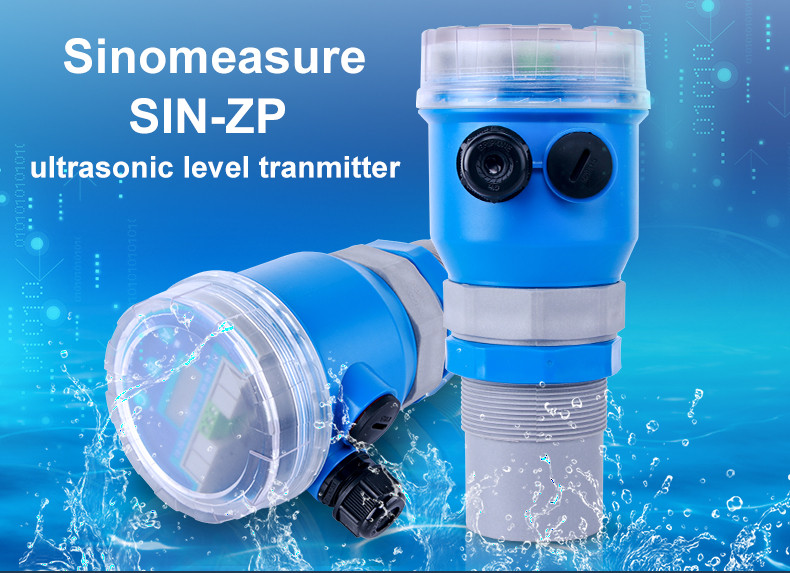
Selection method of ultrasonic liquid level gauge:
1. Select according to the type of container to be tested
When the measured container is in the form of pool, tank or underground container, there is no bottom installation space. An integrated ultrasonic level gauge should be selected for installation, measurement and manipulation from the top. When the measured container is in the form of a tank or a tower, if there is an installation interface at the bottom, a split ultrasonic level gauge should be selected for bottom installation. When there is pressure in the container or there is no connection at the bottom, it is installed on the top, and both types of ultrasonic level gauges are available.
2. Select according to the ambient temperature
When the temperature of the medium in which ultrasonic waves are transmitted changes, the sound velocity of ultrasonic waves will change greatly. For example, the speed of sound increases by 30m/s when the temperature in the air rises by 50°. The specific heat capacity of the liquid is larger than that of the air, so the temperature of the liquid is less affected by the change of the ambient temperature than the air. When there is a large temperature difference between day and night or seasonal temperature changes in the measurement environment, a split type ultrasonic level gauge should be considered, and the sound wave is transmitted in the liquid medium for measurement, which has better measurement accuracy and more stable data.
Based on the above, in most cases, the split type ultrasonic liquid level gauge can obtain better measurement accuracy. But the integrated ultrasonic level gauge is more competitive in terms of cost, installation and maintenance. Therefore, when selecting a model, the requirements for alignment and cost control should be considered comprehensively.
Contact:


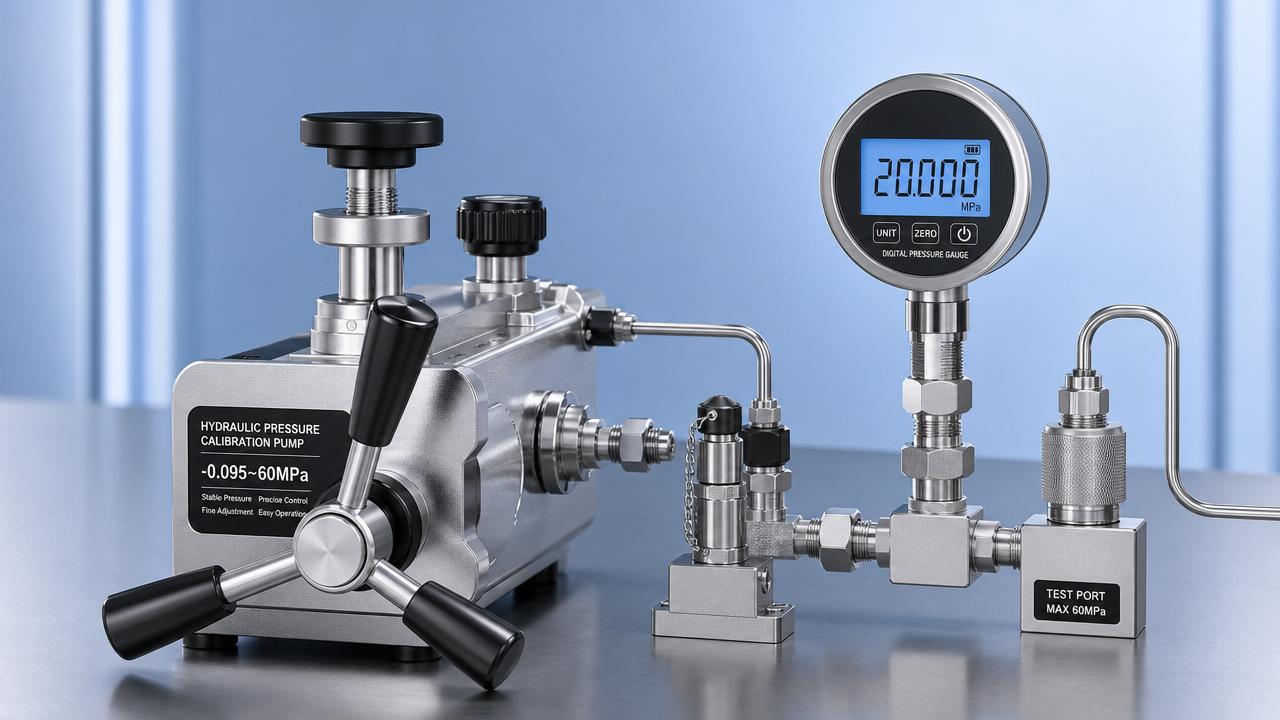
 How to Read Hydraulic Calibration Pump Specifications CorrectlyHydraulic calibration pump specifications explained clearly: learn how to assess pressure range, stability, fine control, and compatibility to choose the right pump with confidence.
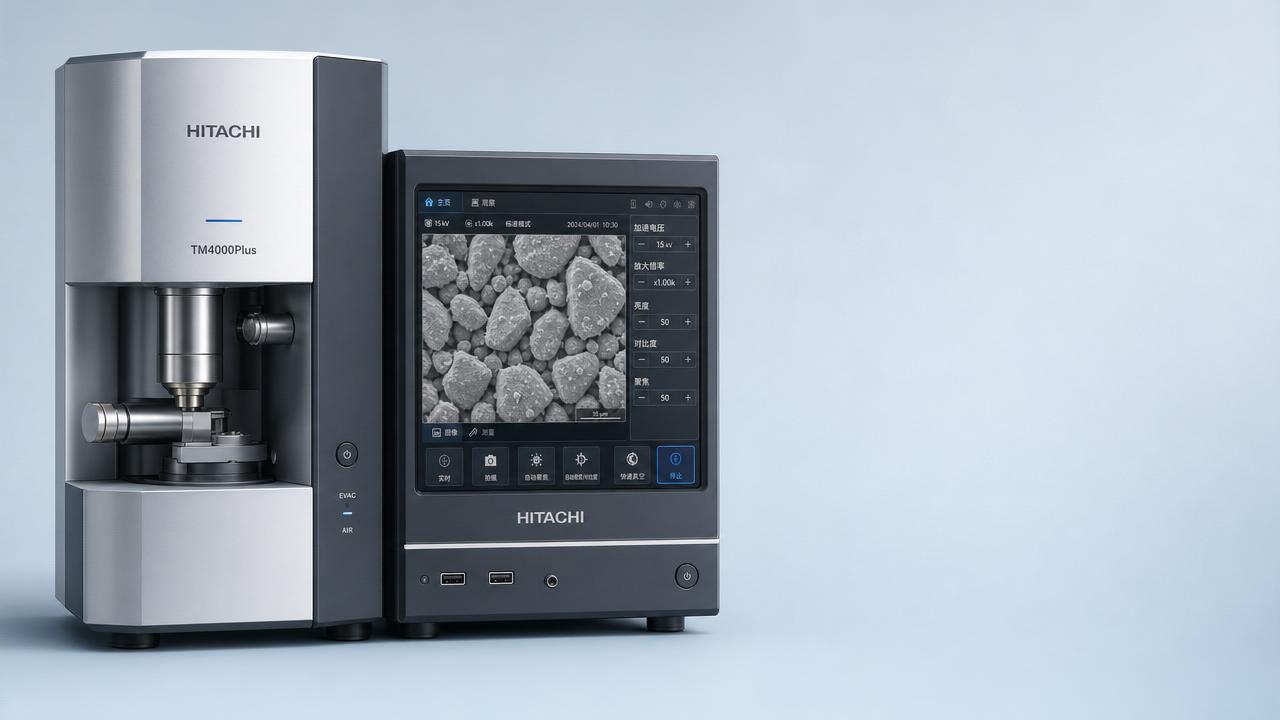
 Hitachi Benchtop SEM Sales Surpass 6,000 Units GloballyHitachi benchtop SEM sales exceed 6,000 units globally—driven by intuitive UIs, cryogen-free operation & one-click EDS. Discover why labs worldwide are choosing accessibility without compromise.
 First Domestic High-Resolution GD-MS Delivered CommerciallyGD-MS 3000: First domestic high-resolution GD-MS commercially delivered to Germany — validating trace impurity analysis for EU RoHS/REACH compliance in metals & semiconductors.
 CISILE 2026 Pre-Show Orders Exceed RMB 1.2B; Domestic Mass Spectrometers, Raman Spectrometers Gain TractionCISILE 2026 pre-show orders exceed RMB 1.2B—Chinese mass spectrometers & Raman spectrometers surge in global demand. Discover key export insights now!
![]() Laowa APS-C Fisheye Lens Launch: Industrial Imaging Export ExpansionLaowa APS-C fisheye lens launch: world’s first zoom fisheye for industrial imaging, VR capture & drone surveying — precision optics export expansion.
Laowa APS-C Fisheye Lens Launch: Industrial Imaging Export ExpansionLaowa APS-C fisheye lens launch: world’s first zoom fisheye for industrial imaging, VR capture & drone surveying — precision optics export expansion. MIIT Approves 690 New Industry Standards, Including AI Deep Synthesis Image System SpecificationMIIT's new AI Deep Synthesis Image System Specification impacts instrument manufacturers—learn how it affects smart gauges, thermal imagers & spectrometers for global markets.

Chat Online