


Guoyi Quantum Technology (Hefei) Co., Ltd. announced the release of its independently developed 200 kV field-emission transmission electron microscope, TEM-F200, on October 18, 2026. The event does not establish a new policy, regulation, certification requirement, or trade rule based on the information available. Its industry relevance lies in the possible effect of a domestically produced, mass-production-capable instrument on procurement assessments, technical qualification reviews, supply-chain planning, and delivery arrangements in materials research and semiconductor analysis.
A domestically developed TEM moves from product announcement toward delivery readiness
At the 2026 National Academic Conference on Electron Microscopy, Guoyi Quantum Technology (Hefei) Co., Ltd. formally released the TEM-F200, a 200 kV field-emission transmission electron microscope developed independently by the company.
According to the supplied information, the instrument has an information resolution better than 0.1 nanometer and a point resolution of 0.25 nanometer. It has also reached the capability for mass-production delivery. Experts from the Analytical Instrument Division of the Chinese Instrument and Instrumentation Society stated that the equipment can be used in materials research, chip microstructure analysis, and failure analysis.
Procurement and technical reviews may place greater weight on delivery and verification
Research users may need to reassess specification alignment
From an industry perspective, laboratories and research organizations considering transmission electron microscopy equipment may pay closer attention to whether the TEM-F200’s stated resolution indicators and application scope match their own technical specifications. This is an analytical implication of the product’s reported capabilities, rather than a confirmed change in procurement rules.
Potential review points could include the technical parameters stated in procurement documents, the evidence used to verify performance, and the suitability of the instrument for materials research or microstructural analysis. The supplied information does not confirm any new certification, testing procedure, or mandatory qualification requirement, so those details would need to be checked separately before a purchasing decision.
Chip analysis and failure-analysis users may examine application fit
Because the equipment has been identified as applicable to chip microstructure and failure analysis, semiconductor-related users may evaluate how its performance indicators correspond to existing analysis workflows. Analysis suggests that technical bid alignment, sample analysis requirements, and the availability of application documentation could become more significant in equipment selection, although no specific tender condition or market execution result has been provided.
Distributors and service providers may need clearer delivery documentation
The reported mass-production delivery capability may be relevant to distributors, equipment integrators, and after-sales service providers. In practice, these participants could need to verify production scheduling, delivery commitments, technical documentation, installation arrangements, and quality traceability before incorporating the instrument into a procurement or project plan. These are suggested areas for review and are not confirmed requirements arising from the announcement.
What companies should verify before turning the announcement into a purchasing plan
Check the evidence behind performance claims
Potential buyers should request and review the technical documents supporting the stated information resolution and point resolution. They may also need to confirm the applicable test conditions, scope of the reported indicators, and consistency between the technical description and the procurement specification. The supplied information does not provide a specific test report or certification document.
Review qualification and compliance requirements separately
Companies should continue to check whether their projects or procurement procedures require particular certifications, inspection records, acceptance criteria, or supplier qualifications. No such requirement is identified in the supplied event information, and the product announcement should not be treated as evidence that a new compliance rule has already taken effect.
Assess delivery and supplier readiness
The statement that the TEM-F200 has mass-production delivery capability may justify a review of production capacity, delivery schedules, spare-parts arrangements, technical support, and acceptance procedures. These points should be verified through formal commercial and technical documents before being reflected in procurement plans or contractual commitments.
Monitor downstream documents and market feedback
Users and channel participants may wish to follow subsequent official product materials, tender documents, certification information, delivery records, and application feedback. Such information could affect judgments about product substitution, supplier qualification, and deployment suitability, but none of those later outcomes is confirmed by the current input.
Why this is currently better read as an execution signal
Analysis suggests that the announcement is best understood as a signal of product availability and potential delivery readiness rather than as a confirmed change to an industry rule. The reported mass-production capability gives the event practical significance for procurement and supply-chain evaluation, while the stated application areas indicate possible relevance to materials research and semiconductor analysis.
At this stage, the key uncertainty concerns how the product’s reported technical performance and delivery capability will be reflected in actual procurement reviews, acceptance procedures, certification records, and user feedback. Further assessment should therefore focus on verifiable technical documents and market execution rather than on assuming a completed regulatory or trade-policy change.
How the industry can interpret the next stage
The release of the TEM-F200 provides a concrete reference point for evaluating domestically developed high-end electron microscopy equipment. Its reported performance and mass-production capability may influence how users compare suppliers, plan procurement, and assess delivery risks. However, the available information does not establish a mandatory replacement, a new certification regime, or a confirmed change in import and export rules.
For now, enterprises may reasonably treat the announcement as an industrial capability and execution signal that warrants technical verification and continued observation. Decisions involving procurement, compliance, trade, or project delivery should remain based on formal specifications, applicable qualification documents, contract terms, and subsequent market evidence.
Basis of this report and matters requiring follow-up
This article was generated solely from the supplied news title, event date, and event summary. No specific official source link was provided in the input. In further verification, readers may consult official announcements, information issued by regulatory authorities, customs or trade authorities, industry association materials, standards organization documents, and authoritative media reports where relevant.
Further observation is needed regarding any subsequent policy details, certification practices, procurement specifications, tender-document changes, trade execution, industry feedback, and actual enterprise delivery performance. None of these follow-up developments is confirmed in the information currently available.



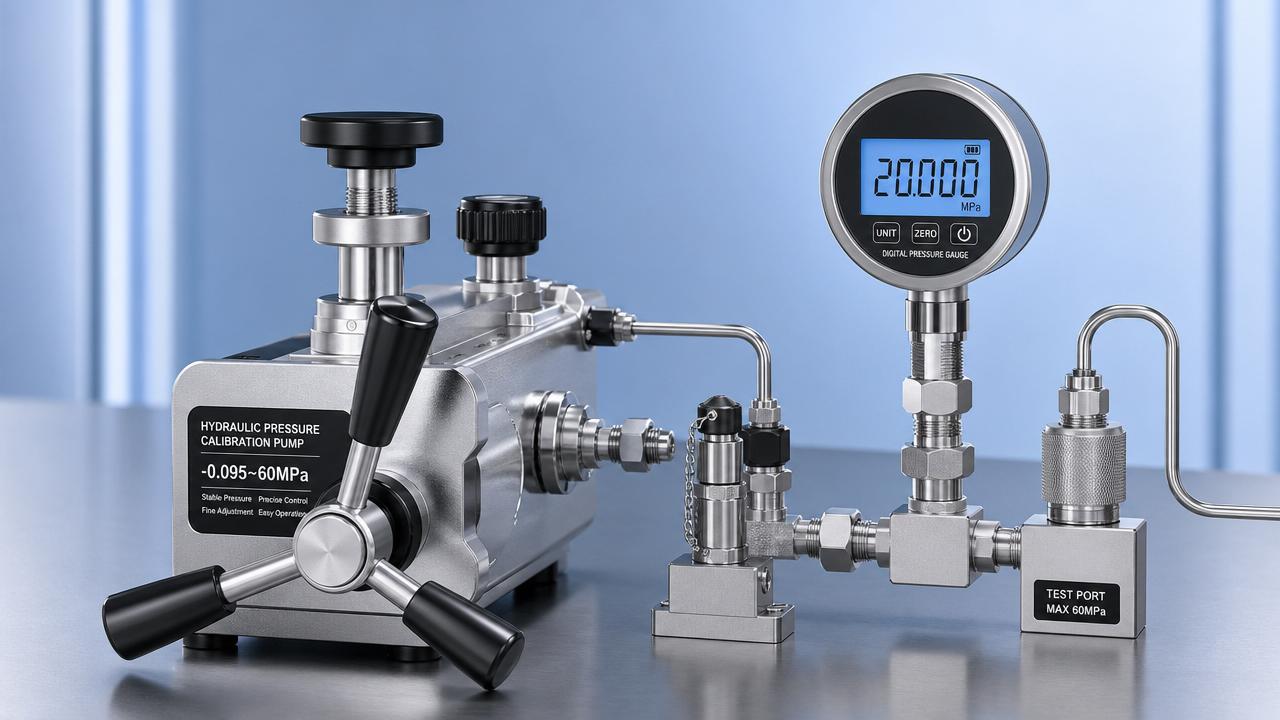
 How to Read Hydraulic Calibration Pump Specifications CorrectlyHydraulic calibration pump specifications explained clearly: learn how to assess pressure range, stability, fine control, and compatibility to choose the right pump with confidence.
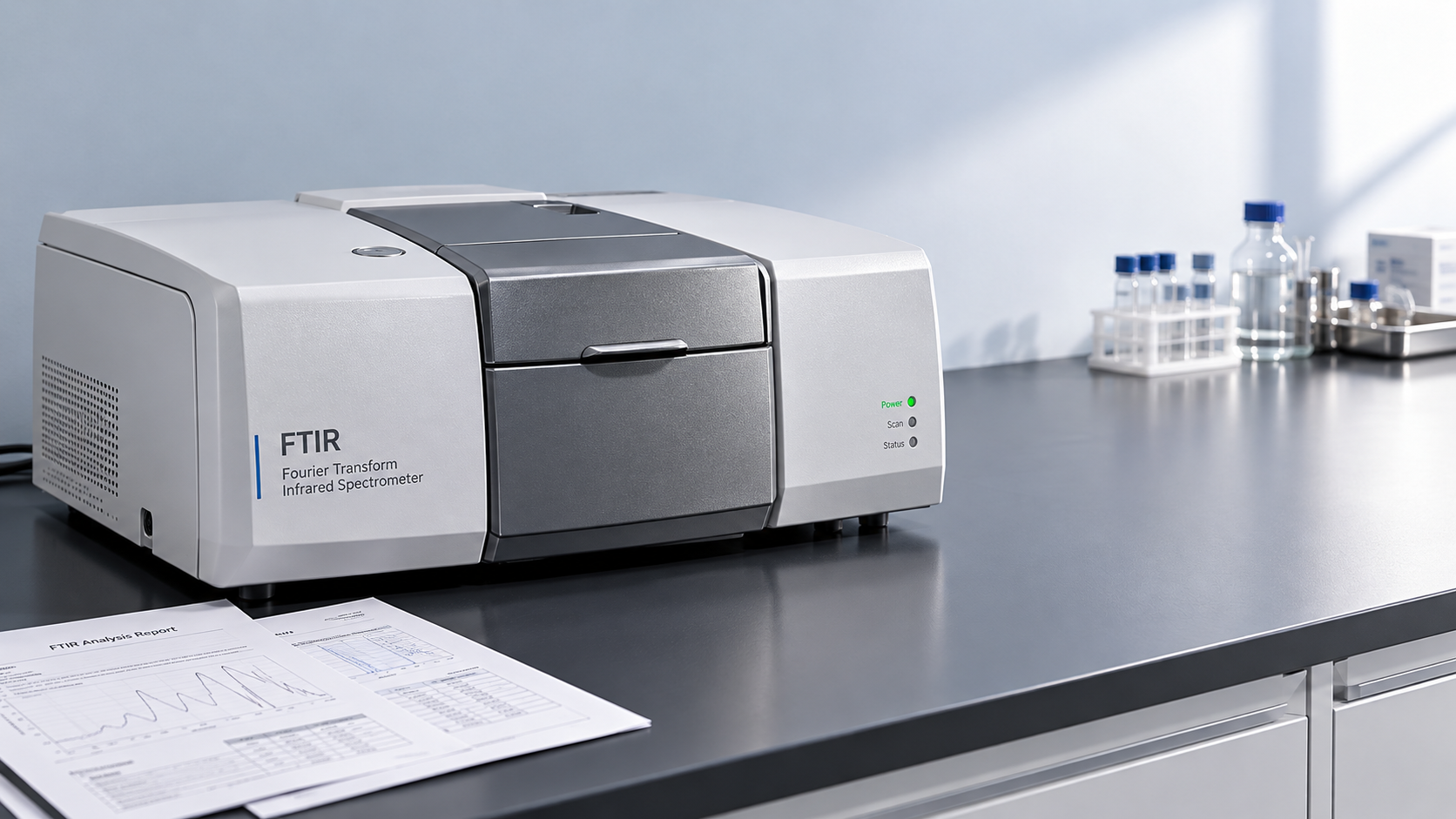
 New FTIR Spectrometer Standard Takes Effect on November 1The new FTIR spectrometer standard, GB/T 21186-2026, takes effect November 1, 2026. Explore its potential impact on testing, specifications and procurement.
 Chinese Society of Instrumentation Publishes Proposed 2026 Science and Technology AwardsChinese Society of Instrumentation proposes its 2026 Science and Technology Awards. Explore the review timeline and what the list means for industry buyers and suppliers.
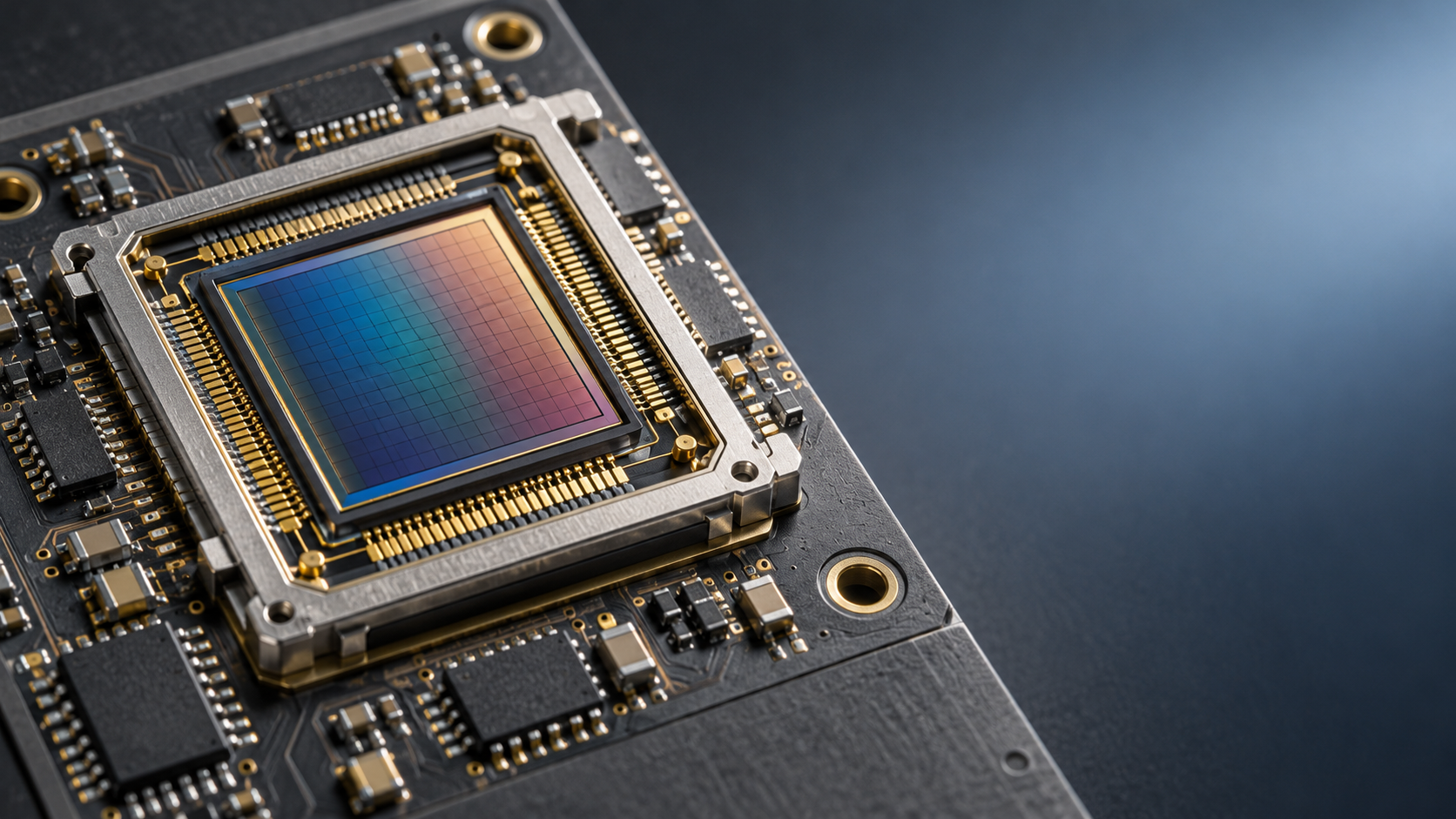
 HUST Team Develops Neuromorphic SWIR Chip for Dynamic and Static ImagingHUST’s neuromorphic SWIR chip combines event and radiometric imaging for dynamic and static scenes. Explore its potential for infrared sensing and key considerations for system integration.
 China’s Guoyi Quantum Releases Domestic 200 kV Field-Emission TEM with Mass-Production CapabilityExplore Guoyi Quantum’s TEM-F200, a 200 kV field-emission TEM with reported mass-production capability. See what its specifications mean for materials research and semiconductor procurement.
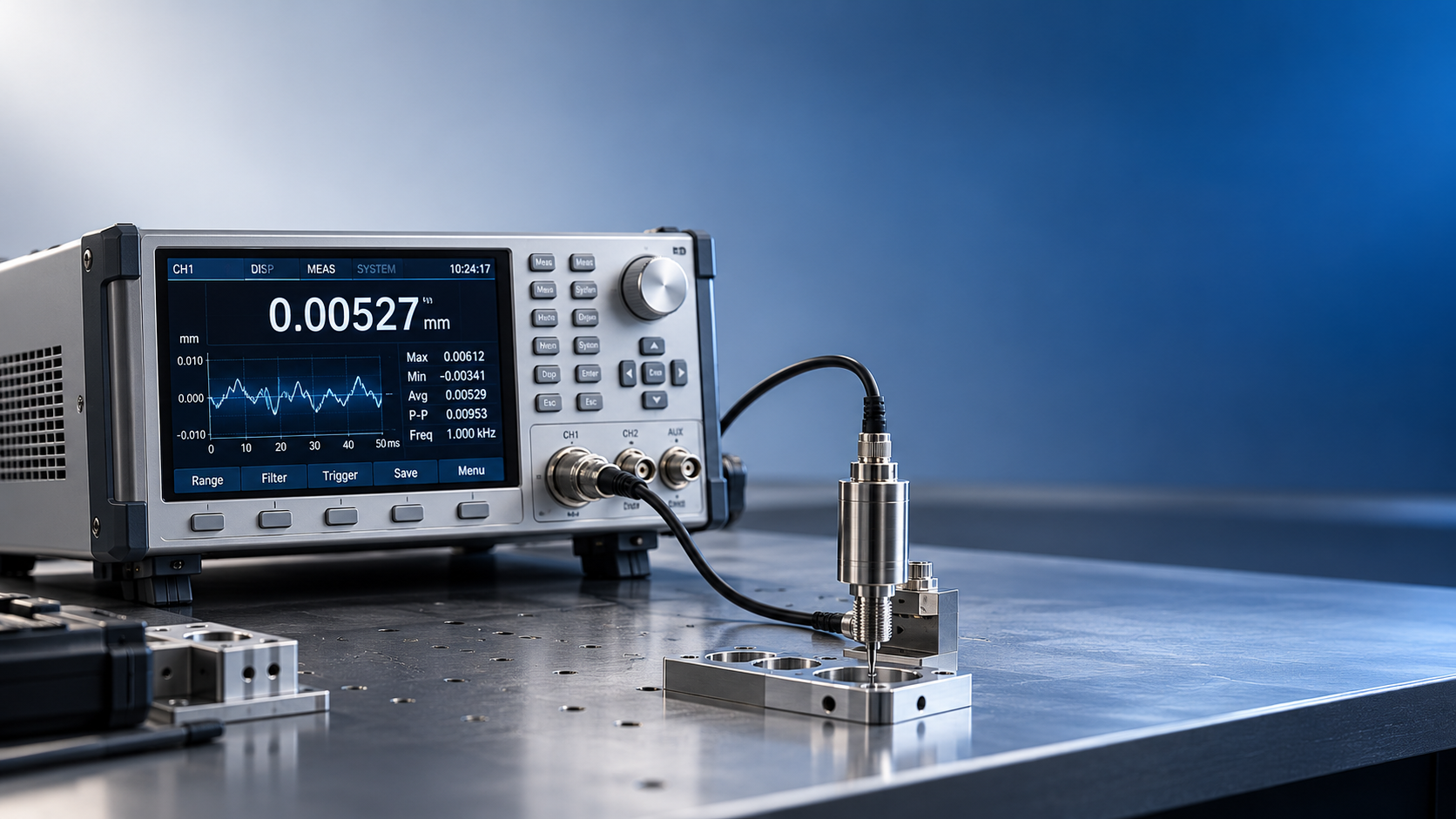
 Verisurf Software Joins DMSC to Advance QIF and Open Digital Metrology StandardsVerisurf Software joins DMSC to advance QIF and open digital metrology standards. Explore what this could mean for data interoperability and automated inspection.


Chat Online