


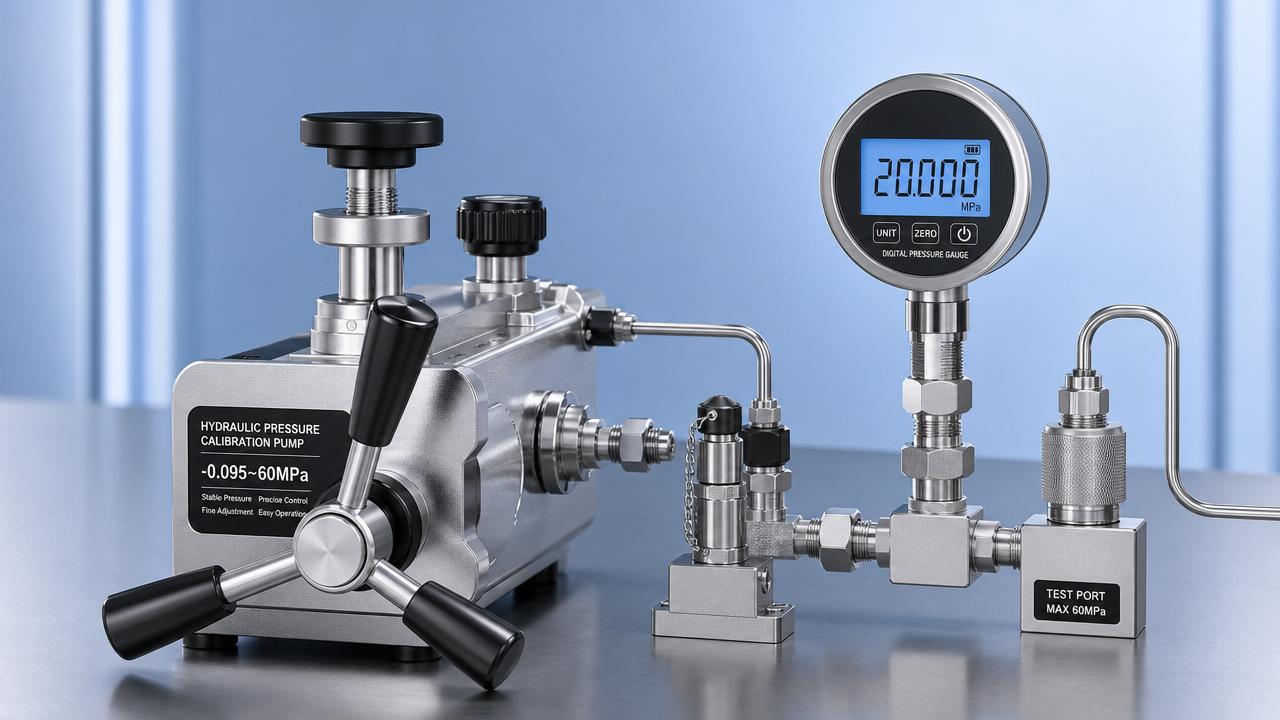
Understanding hydraulic calibration pump specifications is essential when comparing accuracy, pressure range, stability, and application fit. For researchers and buyers in the instrumentation industry, reading these parameters correctly can prevent selection mistakes and improve calibration efficiency. This guide explains the key specifications in a clear, practical way, helping you evaluate performance with confidence and make more informed decisions.
When people search for hydraulic calibration pump specifications, they usually do not want a generic definition of a pump. They want to know how to interpret a datasheet correctly, which numbers matter most in real calibration work, and how to avoid buying a model that looks powerful on paper but performs poorly in the intended application.
For information-focused readers in the instrumentation industry, the central question is simple: which specifications directly affect calibration quality, workflow efficiency, and long-term reliability? The short answer is that pressure range, resolution, stability, media compatibility, connection type, and control behavior matter far more than marketing language such as “high performance” or “advanced design.”
That means the most useful way to read a specification sheet is not line by line, but by matching each parameter to a practical decision. Can the pump generate the required pressure safely? Can it adjust pressure finely enough for the test points? Will it hold pressure steadily? Is it compatible with your devices, fluid, and working environment? If you answer those questions clearly, you can compare products with much better confidence.
What Is the Real Purpose of Reading Hydraulic Calibration Pump Specifications?
A hydraulic calibration pump is used to generate stable pressure for calibrating pressure instruments such as gauges, transmitters, pressure switches, and sensors. In industrial and laboratory settings, the pump itself does not determine final measurement accuracy alone, but it strongly affects how smoothly and reliably calibration can be carried out.
Reading specifications correctly helps you judge whether a pump is suitable for low-volume laboratory work, field service, production-line verification, or high-pressure instrument testing. A pump may have an impressive maximum pressure rating, but if it lacks fine adjustment, pressure stability, or suitable connections, it may still be a poor choice for your application.
This is why experienced buyers do not look only at the top-line pressure value. They read the specification sheet as a performance map. Every figure should answer a practical question about usability, repeatability, maintenance burden, and risk of test error.
Start with Pressure Range, but Do Not Stop There
The first specification most readers notice is pressure range. This usually appears as a maximum output pressure, such as 400 bar, 700 bar, or 1000 bar. That number matters, but it is only meaningful when compared with your actual calibration workload.
If your instruments are calibrated mainly between 0 and 250 bar, selecting a much higher-range pump may not automatically improve capability. In some cases, oversized equipment can make low-end pressure control less convenient. The better question is whether the pump can generate your required range comfortably, safely, and with smooth control near the test points that matter most.
Also check whether the stated range refers to the full operating capability under normal conditions or only to the absolute maximum rating. Some datasheets emphasize peak pressure, while real-world continuous operation may be better at slightly lower levels. If the wording is unclear, this is worth confirming before selection.
For buyers comparing multiple models, a useful rule is to choose a pump with sufficient headroom above your regular calibration range, but not so much extra capacity that fine control becomes less practical or cost rises without clear benefit.
How to Understand Pressure Resolution and Fine Adjustment
One of the most misunderstood parts of hydraulic calibration pump specifications is pressure resolution, or more practically, the pump’s ability to make small and controlled pressure changes. This is critical because calibration often depends on hitting target points accurately and repeatedly, not merely reaching high pressure.
Many pumps include a pre-pressure stage and a fine adjustment mechanism. The pre-pressure function gets you close to the target quickly, while fine adjustment allows controlled approach to the exact point. If the fine adjustment is poorly designed or too coarse, technicians may overshoot target values repeatedly, slowing the process and reducing confidence in the test setup.
Datasheets may not always state “resolution” in the same way electronic instruments do. Instead, they may describe fine adjustment performance, vernier control, or pressure trimming capability. Read these descriptions carefully. A pump that can generate pressure smoothly in tiny increments is often more useful than one with a higher maximum rating but rough control behavior.
For information researchers, this is a key buying insight: do not assume all manual hydraulic pumps offer the same adjustment quality. Mechanical design, sealing quality, and internal volume control can create major differences in practical usability.
Why Pressure Stability Matters More Than Many Buyers Expect
Pressure stability refers to how well the pump can hold the generated pressure without drift, leakage, or rapid relaxation. In actual calibration work, unstable pressure causes wasted time, repeated readings, and uncertainty about whether variation comes from the pump, the reference standard, or the device under test.
Some specification sheets mention stability directly, while others imply it through design features such as isolation valves, high-quality seals, fine screw press mechanisms, or minimal leakage construction. If a pump can build pressure but cannot hold it steadily, calibration quality and efficiency both suffer.
This is especially important when testing sensitive transmitters or when procedures require waiting for readings to settle before recording data. A stable pressure source supports repeatability and reduces operator intervention. In many cases, that translates directly into faster calibration cycles and more trustworthy results.
When evaluating hydraulic calibration pump specifications, ask whether the manufacturer provides any indication of pressure holding performance, leakage control, or sealing reliability. If this information is absent, that absence itself may be meaningful.
Do Not Confuse Pump Capability with System Accuracy
A common mistake is to assume that the pump’s specification sheet alone tells you the accuracy of the entire calibration system. In reality, a hydraulic calibration pump generates and controls pressure, but the reference accuracy usually depends on the pressure gauge, digital indicator, or pressure module connected to it.
That said, the pump still affects effective system performance. If it cannot generate pressure smoothly or hold it stable, even a highly accurate reference instrument becomes harder to use correctly. So while the pump is not the sole source of accuracy, it is a major contributor to practical calibration quality.
When reading specifications, separate these two ideas clearly. Look for pump-related characteristics such as pressure generation range, control smoothness, sealing, and connection design. Then evaluate the reference instrument separately for metrological accuracy, uncertainty, and traceability. Good calibration depends on both working together.
This distinction helps buyers avoid unrealistic expectations. A better pump improves workflow and stability, but it does not replace the need for a qualified reference standard.
Check the Pressure Medium and Material Compatibility
Hydraulic pumps typically use a fluid medium such as mineral oil, hydraulic oil, or another compatible liquid. The specification sheet may identify recommended media, wetted materials, and compatibility limitations. These details are not secondary. They affect safety, maintenance, seal life, and contamination risk.
If your application involves oxygen service, clean-room use, sensitive sensors, or contamination-sensitive instrumentation, medium compatibility becomes even more critical. Not all hydraulic calibration pumps are appropriate for all environments. Using the wrong fluid or incompatible seals can shorten service life and compromise calibration integrity.
Material specifications such as stainless steel, aluminum alloy, engineered polymers, or brass components may also give clues about corrosion resistance, mechanical durability, and field suitability. In harsh industrial settings, those choices affect long-term reliability more than many first-time buyers realize.
For research-oriented readers, this means a specification sheet should always be read in the context of the operating environment. A technically capable pump can still be unsuitable if its materials and fluid recommendations do not align with your use case.
Connection Types and Test Port Details Affect Daily Efficiency
Connection specifications often look minor, but in real work they strongly influence setup time and error risk. Pay attention to test port size, thread type, adapter availability, and whether the pump is designed to support multiple instrument interfaces conveniently.
If your calibration workflow involves frequent switching between transmitters, gauges, and pressure switches, poor connection compatibility can create delays, leakage points, and thread damage. A pump that supports practical and robust connection options may save substantial time over months or years of use.
It is also wise to check whether accessories are included or optional. Some manufacturers list adapters, hoses, reservoirs, sealing kits, or test fittings separately. A pump may appear cost-effective at first, but the total usable system cost may rise once required accessories are added.
For buyers comparing suppliers, this is an area where specification sheets should be read together with accessory lists and application notes. The best product is not only the one that generates pressure, but the one that integrates smoothly into real calibration routines.
What Build Quality and Ergonomics Tell You Beyond the Numbers
Not every important purchase factor appears as a simple numeric specification. Handle design, body structure, reservoir accessibility, sealing construction, and overall mechanical robustness all affect the operator experience. In a manual hydraulic calibration pump, ergonomics and mechanical feel matter more than many readers first expect.
A well-designed pump allows pressure generation with reasonable effort, stable handling, and predictable control. A poorly designed unit may technically meet its pressure specification but still feel inconsistent, tiring, or difficult to operate precisely. That can reduce productivity and increase the chance of operator error.
When formal specifications are limited, supporting evidence such as application videos, product drawings, service documentation, and manufacturer reputation becomes more important. Companies with strong technical support and a mature engineering background often provide better long-term value because their products are designed around real usage conditions, not just headline figures.
In the instrumentation industry, after-sales support is also part of product quality. Access to technical guidance, maintenance parts, and responsive service can be as important as the original specification sheet.
How to Compare Datasheets Without Being Misled by Marketing Language
Specification sheets often mix measurable data with promotional claims. Phrases like “excellent stability,” “high efficiency,” or “superior performance” are not useless, but they should never replace clear technical parameters. A reliable evaluation depends on measurable, comparable information.
When comparing models, create a short checklist: maximum working pressure, recommended pressure range, fine adjustment method, pressure holding behavior, fluid compatibility, connection options, included accessories, size and portability, maintenance needs, and support availability. This turns a marketing document into a decision tool.
It is also helpful to compare what is missing. If one supplier clearly states materials, seals, operating method, and compatibility while another provides only a maximum pressure number, the more complete datasheet usually reflects stronger technical transparency. That matters for industrial purchasing decisions.
For information researchers who are not yet ready to buy, learning to identify missing information is a valuable step. It helps separate mature manufacturers from sellers relying mainly on broad claims.
Specification Reading by Application Scenario
The “right” hydraulic calibration pump specification depends heavily on the application. For laboratory use, pressure stability, fine control, and cleanliness may be the top priorities. For field service, portability, durability, fast setup, and easy connection changes may matter more. For production or maintenance departments, repeatability and speed often drive the decision.
If you are calibrating high-pressure transmitters, maximum range and sealing robustness become central. If you work with lower-range but high-sensitivity instruments, controllability and minimal pressure overshoot may be more important than absolute pressure capacity. This is why application context should guide interpretation of every specification.
Readers often ask which single parameter matters most. In practice, there is no universal answer. The most important specification is the one most directly tied to your risk of failed calibration, wasted time, or unusable setup. A smart selection process starts from the calibration task, not from the biggest number on the brochure.
Practical Questions to Ask Before Shortlisting a Pump
Before making a final judgment, ask a few practical questions. What pressure range do you actually calibrate most often? How important is precise point-by-point adjustment? Do you need portable field use or bench use? What pressure media and instrument connections are involved? How often will the pump be used, and by whom?
You should also ask whether the manufacturer provides technical assistance, spare parts, seal kits, or maintenance guidance. In professional instrumentation work, lifecycle support often determines whether a pump remains productive over time or becomes a source of recurring inconvenience.
If possible, request confirmation on pressure holding performance, recommended maintenance intervals, and compatibility with your existing reference instruments. These are practical concerns that do not always appear clearly in standard product literature but significantly affect ownership value.
For readers evaluating brands, a supplier with strong engineering capability, reliable product performance, and responsive after-sales service usually offers a lower-risk choice than a supplier competing only on basic price.
Common Mistakes When Reading Hydraulic Calibration Pump Specifications
The most common mistake is focusing only on maximum pressure. The second is assuming fine control and stability are similar across all pumps. The third is ignoring fluid compatibility and connection details until after purchase. These errors can lead to inefficient calibration, compatibility problems, and higher maintenance costs.
Another frequent issue is failing to distinguish between pump performance and full system accuracy. Buyers may expect calibration-grade results from a mechanically capable pump without investing equal attention in the reference standard and test setup. That creates unrealistic expectations and poor comparisons.
Finally, some readers overlook serviceability. A pump used regularly in industrial environments will eventually need seals, maintenance, and support. Reading specifications without considering service access can result in higher downtime later.
Conclusion: Read Specifications as Decision Tools, Not Just Technical Labels
To read hydraulic calibration pump specifications correctly, focus on the parameters that influence real calibration work: usable pressure range, fine adjustment capability, pressure stability, medium compatibility, connection practicality, and service support. These factors reveal much more than headline pressure ratings alone.
For information researchers in the instrumentation industry, the best approach is to translate each specification into a practical question: can this pump perform reliably in my calibration scenario, with the control, compatibility, and support I need? Once you do that, datasheets become easier to compare and much more meaningful.
A good hydraulic calibration pump is not simply the one with the biggest number. It is the one that delivers stable, controllable, and application-matched performance over time. Reading specifications with that mindset will help you avoid selection mistakes and make more informed, confident decisions.


 How to Read Hydraulic Calibration Pump Specifications CorrectlyHydraulic calibration pump specifications explained clearly: learn how to assess pressure range, stability, fine control, and compatibility to choose the right pump with confidence.
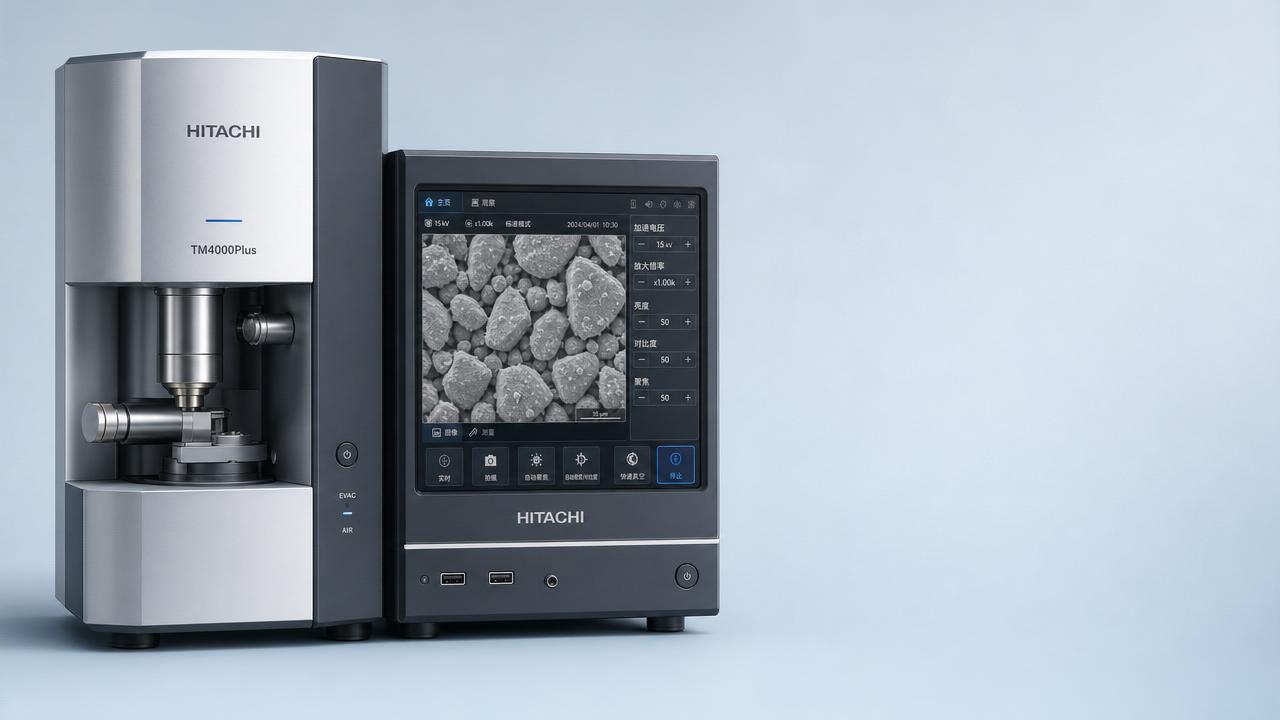
 Hitachi Benchtop SEM Sales Surpass 6,000 Units GloballyHitachi benchtop SEM sales exceed 6,000 units globally—driven by intuitive UIs, cryogen-free operation & one-click EDS. Discover why labs worldwide are choosing accessibility without compromise.
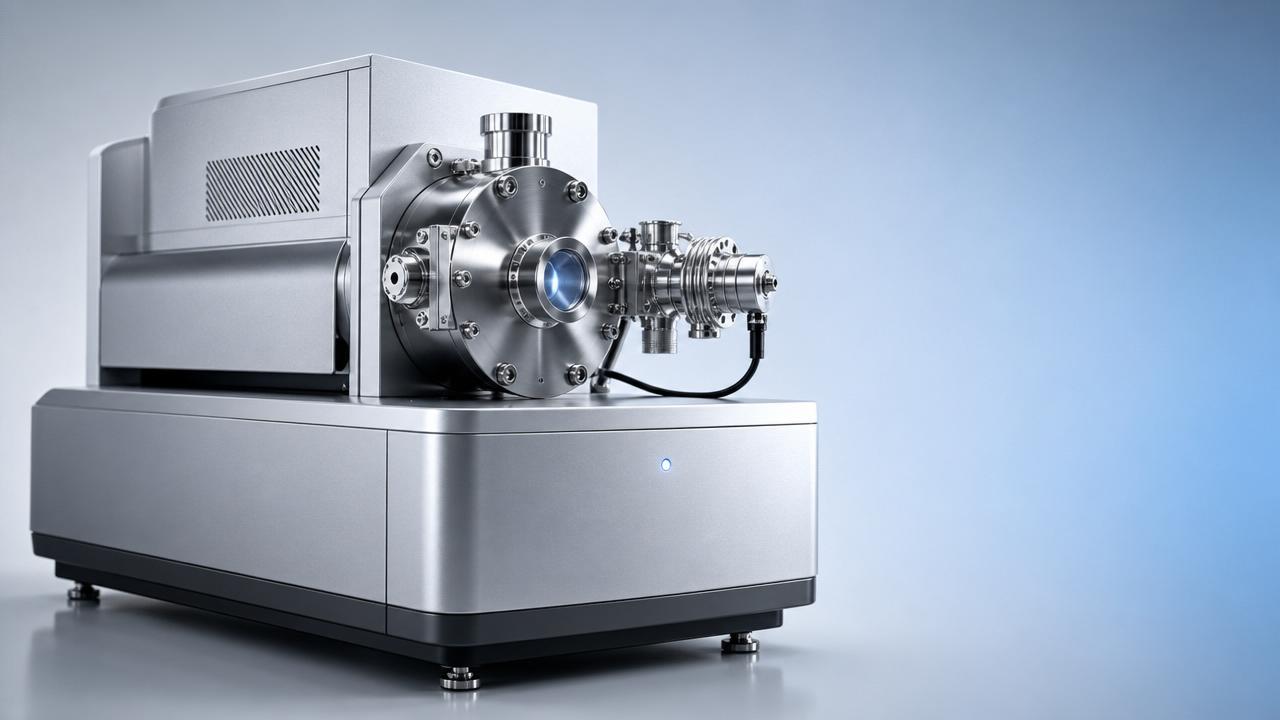
 First Domestic High-Resolution GD-MS Delivered CommerciallyGD-MS 3000: First domestic high-resolution GD-MS commercially delivered to Germany — validating trace impurity analysis for EU RoHS/REACH compliance in metals & semiconductors.
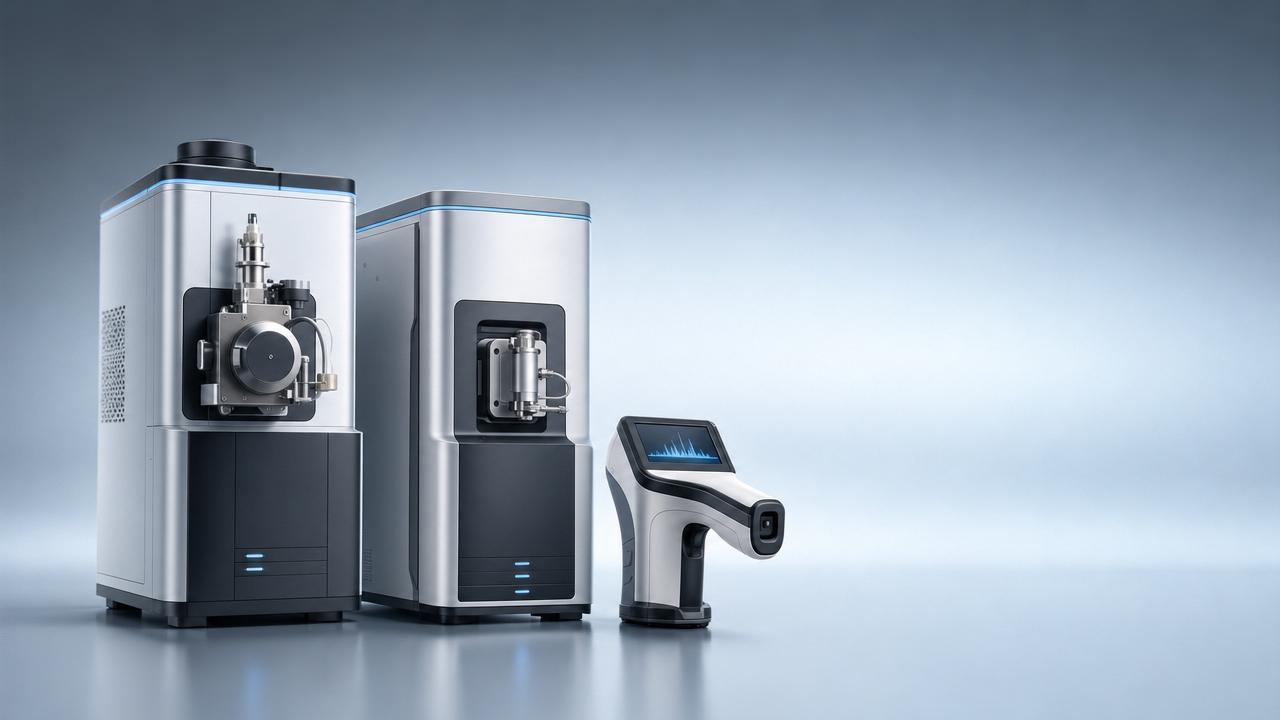
 CISILE 2026 Pre-Show Orders Exceed RMB 1.2B; Domestic Mass Spectrometers, Raman Spectrometers Gain TractionCISILE 2026 pre-show orders exceed RMB 1.2B—Chinese mass spectrometers & Raman spectrometers surge in global demand. Discover key export insights now!
![]() Laowa APS-C Fisheye Lens Launch: Industrial Imaging Export ExpansionLaowa APS-C fisheye lens launch: world’s first zoom fisheye for industrial imaging, VR capture & drone surveying — precision optics export expansion.
Laowa APS-C Fisheye Lens Launch: Industrial Imaging Export ExpansionLaowa APS-C fisheye lens launch: world’s first zoom fisheye for industrial imaging, VR capture & drone surveying — precision optics export expansion. MIIT Approves 690 New Industry Standards, Including AI Deep Synthesis Image System SpecificationMIIT's new AI Deep Synthesis Image System Specification impacts instrument manufacturers—learn how it affects smart gauges, thermal imagers & spectrometers for global markets.

Chat Online