


On June 14, 2026, SABIC released an updated supplier access white paper for smart process instrumentation, introducing a new entry requirement for AI-based pressure, flow, and corrosion warning devices used in petrochemical pipeline monitoring. The change matters because it does not only affect product specifications; it also links market access to local deployment and service capability inside Saudi Arabia, with direct implications for exporters, procurement teams, contract renewal planning, and after-sales arrangements involving smart transmitters, wireless corrosion sensors, and industrial AI gateways supplied into the Middle East.
What the updated access requirement states
According to the information provided, SABIC issued a new edition of its Smart Process Instrument Access White Paper to global suppliers on June 14, 2026.
The document requires AI early-warning instruments for petrochemical pipeline monitoring, including pressure, flow, and corrosion applications, to deploy edge inference nodes within Saudi Arabia.
It also requires 7×24 predictive maintenance response to be provided by a local partner, with an SLA of no more than 15 minutes.
The requirement takes effect immediately for all newly signed and renewed contracts.
The affected product scope mentioned in the input includes smart transmitters, wireless corrosion sensors, and industrial AI gateway products exported from China to the Middle East.
Where the commercial impact is likely to appear first
Export offers may need to include service localization
From an industry perspective, exporters of covered instrumentation may be affected because the access requirement now extends beyond hardware delivery. The practical pressure point is likely to be in bid preparation, contract terms, and customer qualification materials, where suppliers may need to show not only device capability but also how local edge deployment and predictive maintenance response will be arranged.
What deserves closer attention is whether existing export documentation, technical proposals, and delivery commitments are sufficient for new or renewed business under the updated rule.
Procurement teams may face new vendor screening criteria
For buyers and sourcing teams, the change may influence how approved suppliers are screened. Analysis shows that products previously assessed mainly on technical fit and delivery terms may now also be judged on local operating support readiness, especially where AI warning functions are part of the offered solution.
This means procurement processes may need to pay closer attention to supplier qualification documents, service partner arrangements, and whether the proposed architecture includes in-country edge inference deployment.
Channel and service partners may move closer to compliance work
Distributors, local representatives, and after-sales providers may also be affected because the white paper ties supplier access to a local partner's ability to provide 7×24 predictive maintenance response within the stated SLA. Observably, this places more weight on service-side execution as part of market entry rather than as a post-sale add-on.
For supply chain and service organizations, the issue is less about volume and more about whether they can support contract compliance, response commitments, and ongoing operational coordination.
What companies should review now
Check whether product architecture matches the new access threshold
Companies supplying covered instruments should closely review whether their current solution design can support edge inference deployment inside Saudi Arabia. Analysis shows that this is not merely a software feature question; it may affect how products are packaged, proposed, and documented in commercial discussions.
Revisit local partner readiness before new bids or renewals
Because the requirement applies immediately to both new and renewed contracts, firms should pay attention to whether local partner arrangements are already in place and whether they are described clearly in bidding or contract materials. If execution details are not yet fully clarified, it is more appropriate to treat this as a near-term compliance checkpoint rather than assume routine acceptance under previous supplier models.
Review technical files, bid documents, and service commitments
What deserves closer attention is the consistency between technical documentation and after-sales commitments. Suppliers may need to examine whether product files, solution descriptions, service scope statements, and response commitments align with the new rule as described in the white paper summary provided here.
Watch for implementation language in contract and tender documents
Since the input does not provide further enforcement detail, companies should not assume a single fixed implementation method. Instead, they should monitor how the requirement is expressed in contract renewals, procurement documents, and technical alignment discussions, because those materials may determine how the access standard is applied in practice.
How this development is best understood at this stage
Analysis shows that this update is more than a general policy signal because it is described as taking immediate effect for new and renewed contracts. At the same time, the available information is still limited to the white paper summary provided in the input, so it would be premature to treat all downstream execution details as settled.
It is more appropriate to understand this as a concrete access-rule change combined with an execution signal: market participation for certain AI-enabled pipeline monitoring instruments is becoming more closely tied to in-country deployment and localized predictive maintenance capability.
Observably, the main issue for industry participants is not only technical compliance, but also how procurement, service partnerships, and delivery commitments are adjusted around that requirement.
A practical reading for the market
In practical terms, this development should be read as an already effective supplier access change for the specified contract scope, while many operational details may still need continued observation. The most balanced conclusion is that affected companies should treat the update as an immediate compliance and commercial review trigger, especially where exports, contract renewals, AI functions, and local service commitments intersect.
Rather than viewing it as a broad market trend in the abstract, the current information supports a narrower and more useful reading: this is a rule change with direct implications for supplier qualification, tender readiness, and service localization in covered petrochemical instrumentation business.
Basis of this article and what still needs verification
This article is generated based on the user-provided news title, event date, and event summary. The specific official source link was not provided in the input, so it still requires further verification against original materials.
For this type of development, commonly relevant source categories may include official company announcements, regulatory releases, trade or customs authority information, industry association updates, standards-related documents, and reporting by established industry media.
Further observation is still needed regarding detailed implementation language, compliance interpretation, tender document changes, service qualification expectations, and actual market feedback from affected suppliers and buyers.


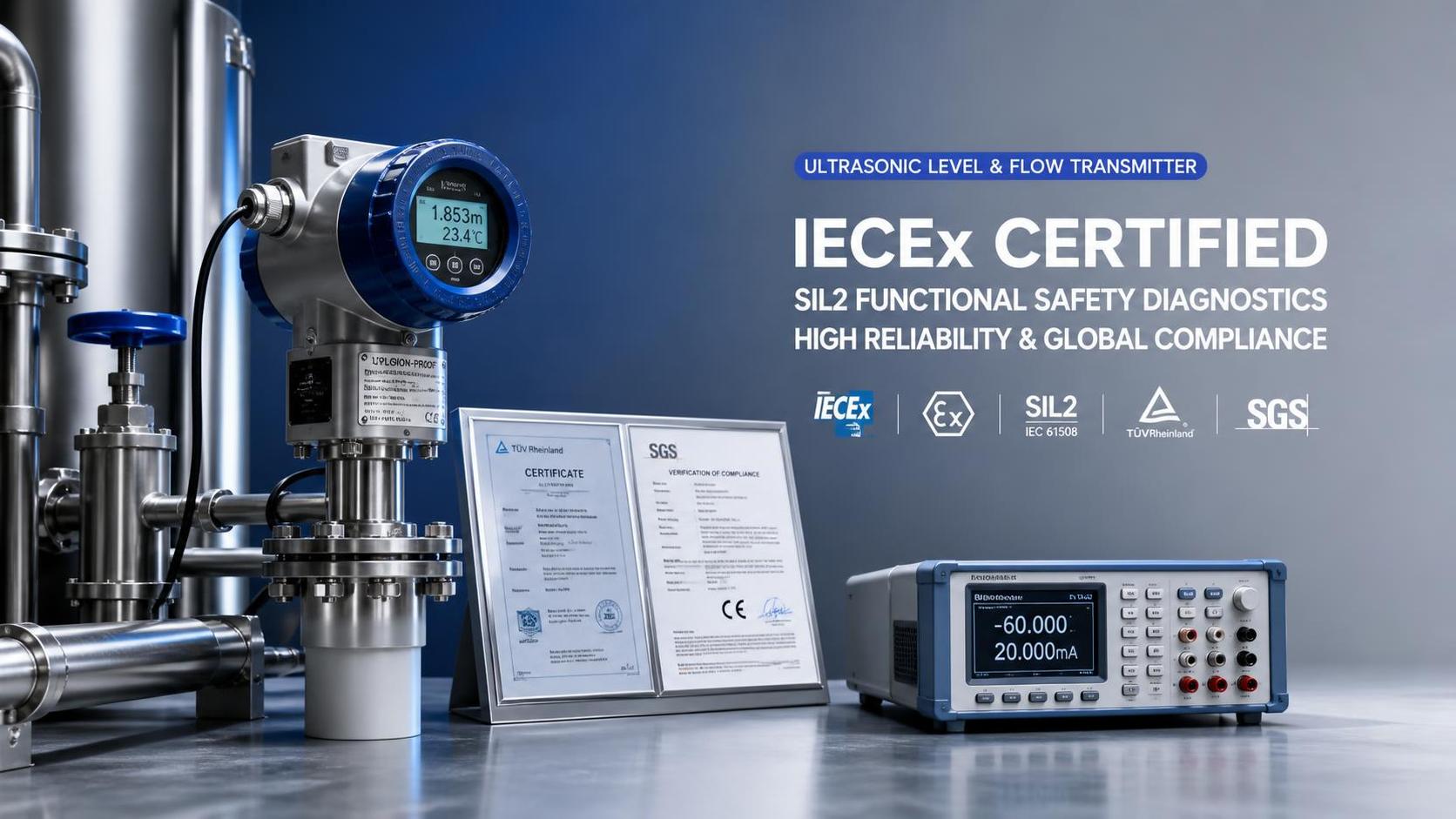
 New IECEx Rule Requires SIL2 Diagnostic Validation for Chinese Ultrasonic Transmitter ExportsIECEx rule update: SIL2 diagnostic validation is now required for Chinese ultrasonic transmitter exports. Learn how IEC 61508, 90% DC reports, and procurement risks affect bids and delivery.
 IECEx Rule Change Makes SIL2 Diagnostics Mandatory for Chinese Ultrasonic Transmitter ExportsIECEx now requires SIL2 diagnostics for Chinese ultrasonic transmitter exports, reshaping Ex d and Ex ia compliance. Learn what changes, who is affected, and how to stay ahead.
 IEC 61511-3:2026 Tightens SIL2 RulesIEC 61511-3:2026 tightens SIL2 rules for flow meters and pressure transmitters, adding HFT ≥ 1 and DC ≥ 90% requirements—see what suppliers, EPCs, and buyers must act on now.
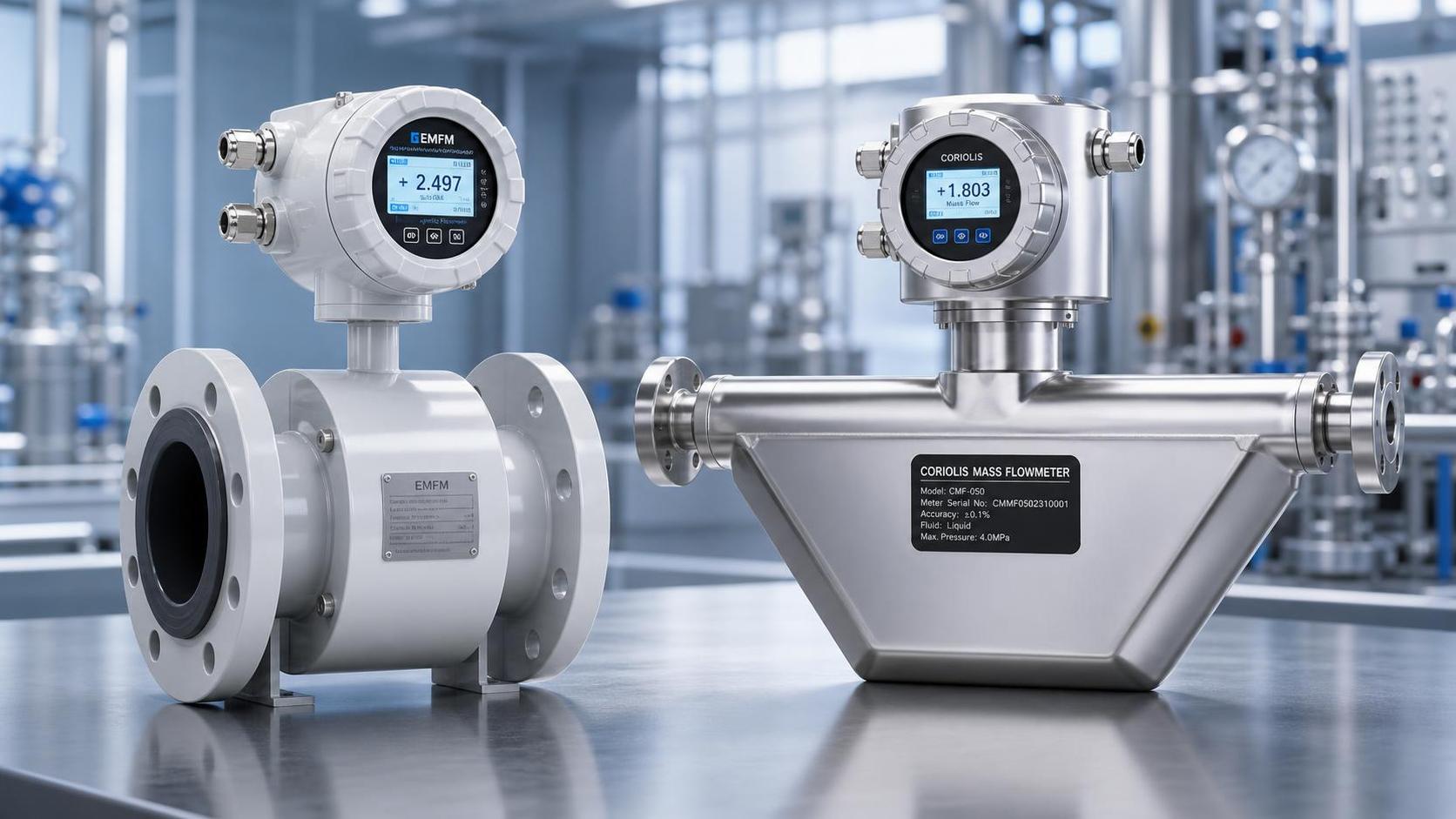
 Q2 2026 Flowmeter Export Prices Rise 9.3%Flowmeter export prices rose 9.3% in Q2 2026, driven by high-end electromagnetic and Coriolis models. See what this means for buyers, contracts, and budgets.
 Saudi SASO Tightens Pressure Instrument RulesSaudi SASO tightens pressure instrument rules from 2026-10-01. Learn how local testing and registration reshape compliance, lead times, and market access for exporters.
 Saudi SASO Ends China Type-Approval Route for Pressure InstrumentsSaudi SASO ends the China type-approval route for pressure instruments, requiring full lab testing from Oct 2026. Learn the cost, lead-time, and compliance impact now.




Chat Online