


On October 1, 2026, market attention around SABIC’s Green Petrochemicals 2030 Phase II is centering on a concrete procurement signal rather than a general project update: the planned global tendering of smart online process analyzers from Q4 2026. The development matters to analyzer manufacturers, system integrators, procurement teams, and after-sales service providers because the stated technical and qualification thresholds combine functional safety, real-time data integration, and local service capability into one entry requirement. For companies tracking petrochemical instrumentation demand in the Middle East, this is a specific project-linked signal that may affect bidding preparation, certification planning, and regional service deployment.
What the confirmed project details show
SABIC announced Phase II of its Green Petrochemicals 2030 program on July 22, 2026, with a total investment of USD 12.8 billion. The project covers two major sites, Jubail and Yanbu. According to the provided project summary, all process online analyzers used in the project, including categories such as laser gas analyzers and Fourier-transform infrared process analyzers, are required to hold IEC 61508 SIL2 certification and support real-time data integration through OPC UA over TSN.
The first batch of tenders is scheduled to open in October 2026. The provided information also states that Chinese suppliers with a local service network in the Middle East and API RP 14C certification will be given priority in bidding.
Why this matters across the instrumentation chain
For analyzer manufacturers, entry barriers are already visible
From an industry perspective, the immediate impact falls on suppliers of process online analyzers. The reason is straightforward: the project has already defined both certification and communication architecture requirements. This affects product qualification, bid eligibility, and technical proposal preparation. What deserves closer attention is whether suppliers can document IEC 61508 SIL2 compliance clearly and show that their equipment can connect through OPC UA over TSN without leaving the integration burden entirely to the end user.
For system integrators, interoperability becomes part of the commercial scope
System integrators and automation contractors may be affected because the analyzer requirement is not limited to sensing performance. Real-time data integration support points to a broader control and data architecture issue. In practical terms, this can influence interface design, project engineering scope, and responsibility boundaries between analyzer vendors and automation partners. The key change to watch is whether tender packages place more weight on native interoperability and documented integration capability.
For procurement and sourcing teams, supplier screening may tighten early
Procurement roles are likely to feel the impact through prequalification and shortlist building. The combination of SIL2, OPC UA over TSN, local Middle East service coverage, and API RP 14C for prioritized Chinese bidders suggests that procurement review may begin with capability exclusion rather than price comparison alone. This means sourcing teams will need to pay closer attention to certificates, service coverage proof, and technical compliance packages before commercial negotiation advances.
For regional service providers, local support is no longer a secondary issue
The reference to a Middle East local service network means service capability may influence competitiveness at the bidding stage, not only after contract award. For channel partners, authorized service firms, and regional support organizations, the affected business links include commissioning readiness, maintenance response, and customer communication. Observably, companies without a credible regional support setup may face a weaker position even if their product specifications are otherwise aligned.
What companies should prepare before bidding moves forward
Track how the tender language defines compliance
Companies should pay close attention to the exact wording used when tender documents are released. Analysis shows that broad statements such as “supports safety requirements” or “compatible with open protocols” may not be enough if the bid process asks for formal proof of IEC 61508 SIL2 certification and specific evidence of OPC UA over TSN capability. The distinction between a technical claim and a bid-accepted compliance document could become material.
Review whether target product lines match the named categories
The project summary explicitly mentions laser gas analyzers and Fourier-transform infrared process analyzers as examples of covered equipment. Suppliers in these segments should examine whether the product variants they intend to offer align with the required certifications and data integration features. What deserves closer attention is not just whether a company has a compliant product somewhere in its portfolio, but whether that exact bid model is supported by current documentation and delivery planning.
Prepare local service evidence, not only commercial representation
Because priority is linked to a Middle East local service network for Chinese suppliers, companies should distinguish between having market access and having a service structure that can be evidenced during evaluation. This may affect partner documentation, service team arrangements, response commitments, and the clarity of local support responsibilities presented to the buyer.
Check certification packages against procurement timing
With the first tenders set to open in October 2026, timing matters. Suppliers and partners should examine whether IEC 61508 SIL2 records, API RP 14C-related materials where relevant to prioritized bidding, and integration documentation are current, consistent, and ready for submission. In practice, incomplete paperwork can delay participation even when product capability is not the main issue.
How this should be interpreted at this stage
Analysis shows that this update is more than a routine capital project announcement because it already points to concrete procurement filters for smart online analyzers. At the same time, it is not yet a confirmed market outcome for any supplier, since bid release and project execution details still matter. It is more appropriate to understand this as a near-term commercial signal with longer-term strategic implications: near-term because the first tender window is approaching, and strategic because the specified mix of functional safety, real-time industrial communication, and local service capability may shape how suppliers position themselves for similar projects.
Observably, the strongest signal in the current information is not merely project size, but the way technical standards and regional service expectations are being linked inside one procurement framework. That is why the development deserves continued monitoring by suppliers, integrators, and sourcing teams rather than being treated as a one-day headline.
What the current update does and does not confirm
In summary, the confirmed information indicates that SABIC’s Green Petrochemicals 2030 Phase II has moved into a stage where analyzer procurement conditions can already be discussed in practical terms. The project scope, site coverage, certification requirements, integration protocol requirement, and the October 2026 opening of the first tenders together make this relevant for companies involved in process analytics and industrial automation.
That said, the update should currently be read as a defined procurement signal rather than a final allocation of orders or a complete view of project implementation. From an industry perspective, the most rational interpretation is that companies now have a clear reason to verify qualification readiness and monitor the next official tender-stage disclosures.
Basis of this article
This article is based on the user-provided news title, event date, and event summary concerning SABIC’s Green Petrochemicals 2030 Phase II and the planned global tendering of smart online analyzers. For reporting of this type, commonly relevant source categories may include official company announcements, project notices, industry association information, authoritative media coverage, and standard-setting organization documents.
No specific official source link was provided in the input, so the precise original publication path remains subject to ongoing verification. The main areas for continued follow-up are the final wording of the tender documents, any further clarification of qualification criteria, and any subsequent official updates related to bidding scope and compliance requirements.


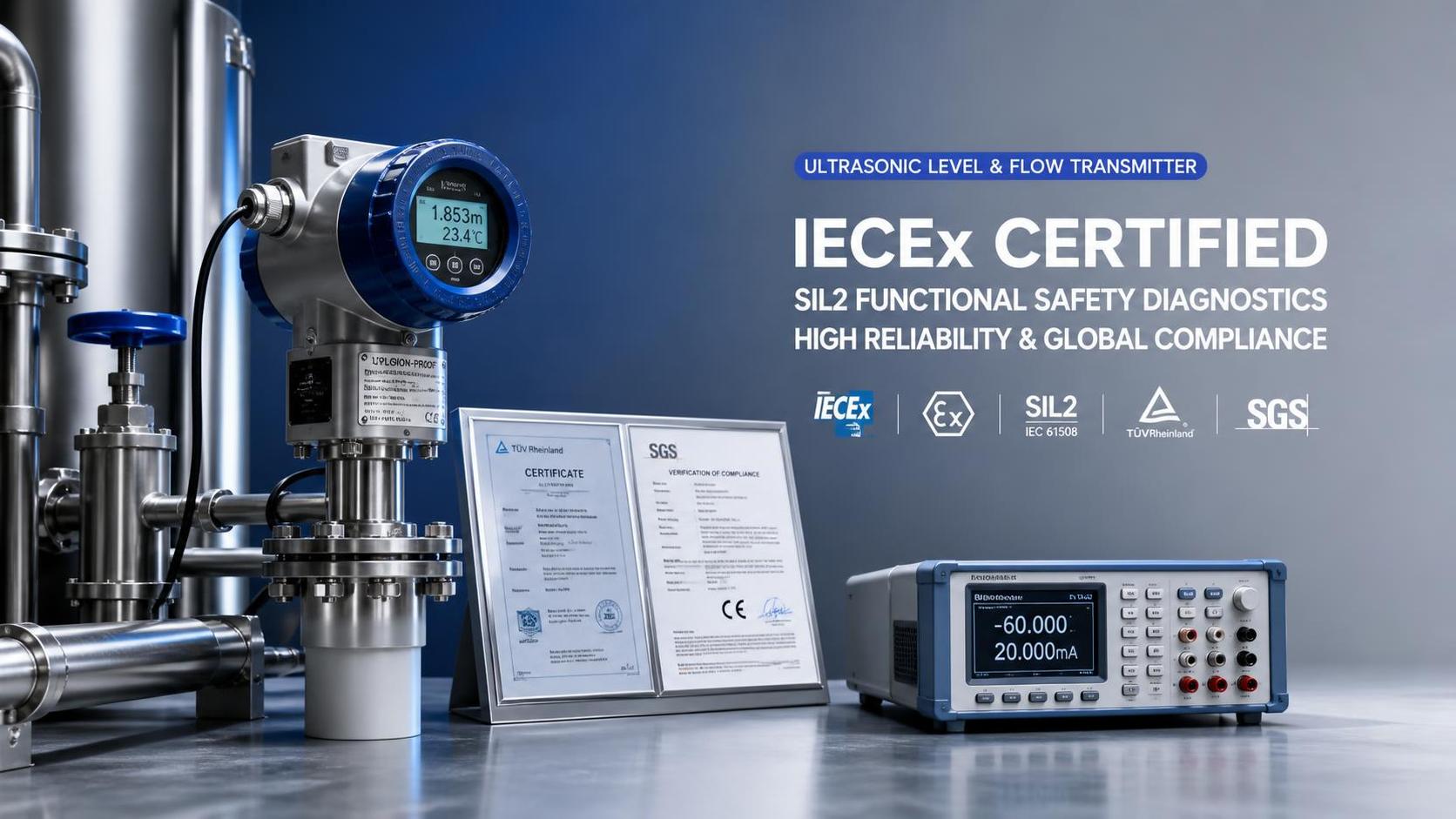
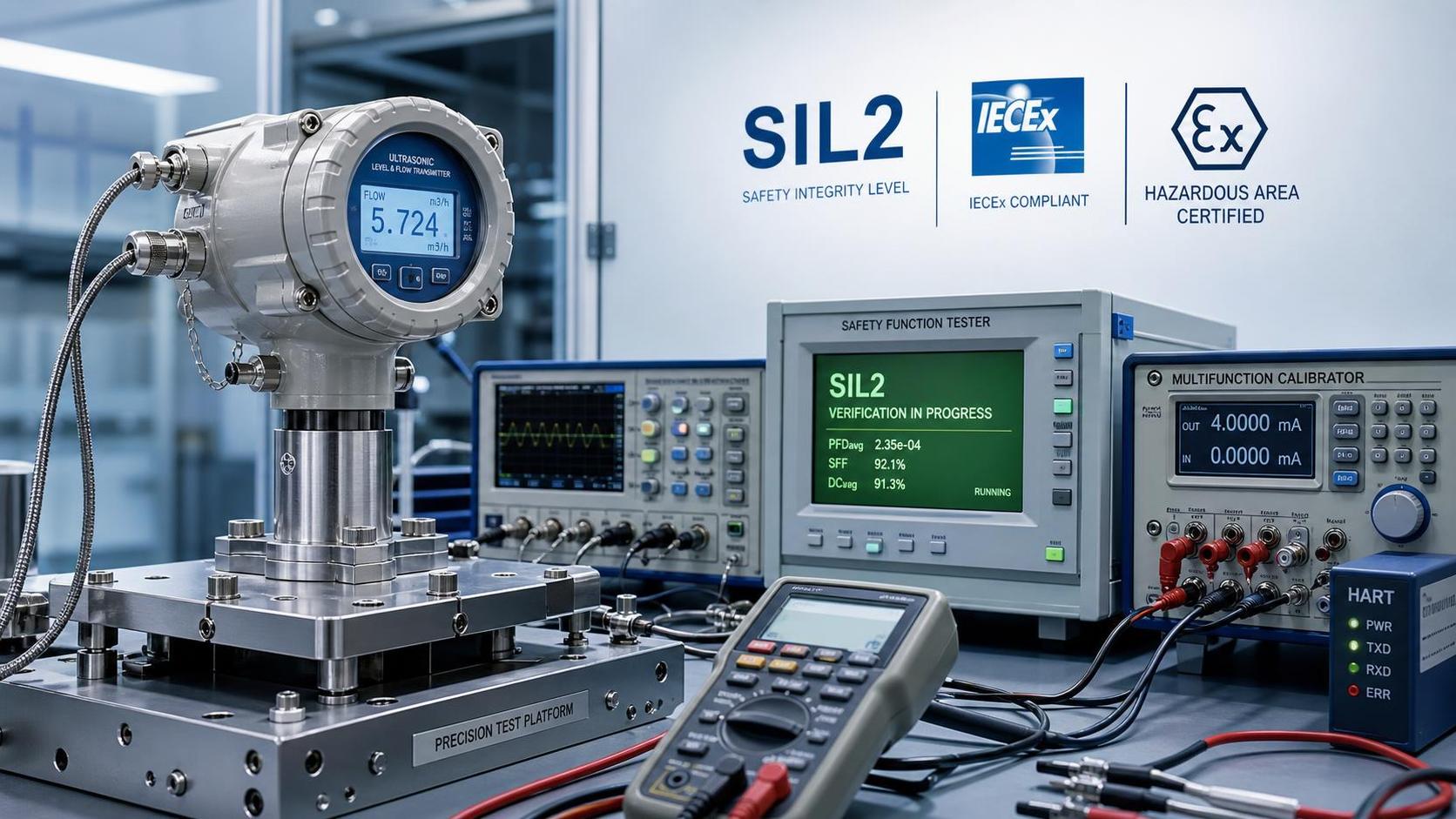
 New IECEx Rule Requires SIL2 Diagnostic Validation for Chinese Ultrasonic Transmitter ExportsIECEx rule update: SIL2 diagnostic validation is now required for Chinese ultrasonic transmitter exports. Learn how IEC 61508, 90% DC reports, and procurement risks affect bids and delivery.
 IECEx Rule Change Makes SIL2 Diagnostics Mandatory for Chinese Ultrasonic Transmitter ExportsIECEx now requires SIL2 diagnostics for Chinese ultrasonic transmitter exports, reshaping Ex d and Ex ia compliance. Learn what changes, who is affected, and how to stay ahead.
 IEC 61511-3:2026 Tightens SIL2 RulesIEC 61511-3:2026 tightens SIL2 rules for flow meters and pressure transmitters, adding HFT ≥ 1 and DC ≥ 90% requirements—see what suppliers, EPCs, and buyers must act on now.
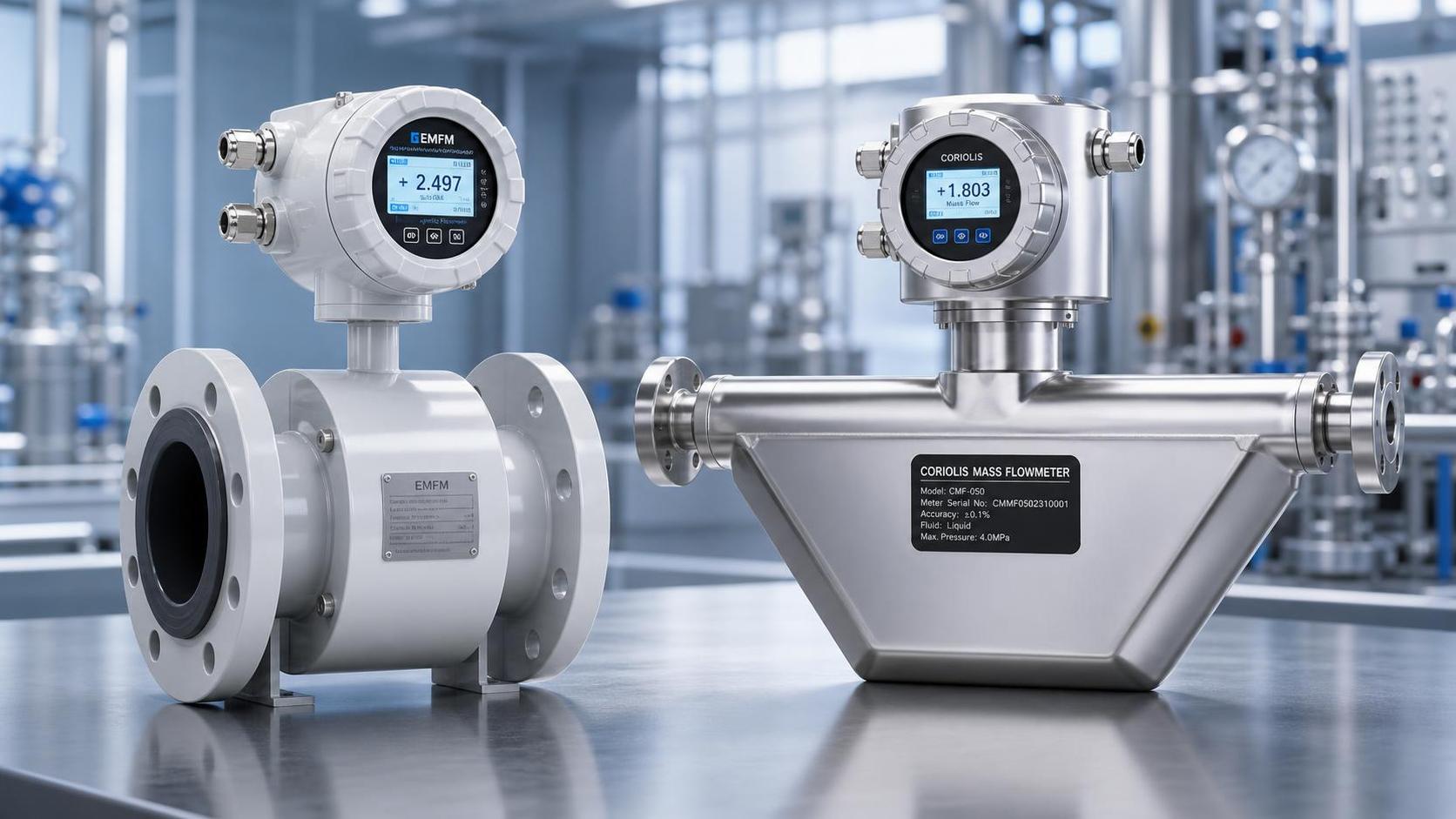
 Q2 2026 Flowmeter Export Prices Rise 9.3%Flowmeter export prices rose 9.3% in Q2 2026, driven by high-end electromagnetic and Coriolis models. See what this means for buyers, contracts, and budgets.
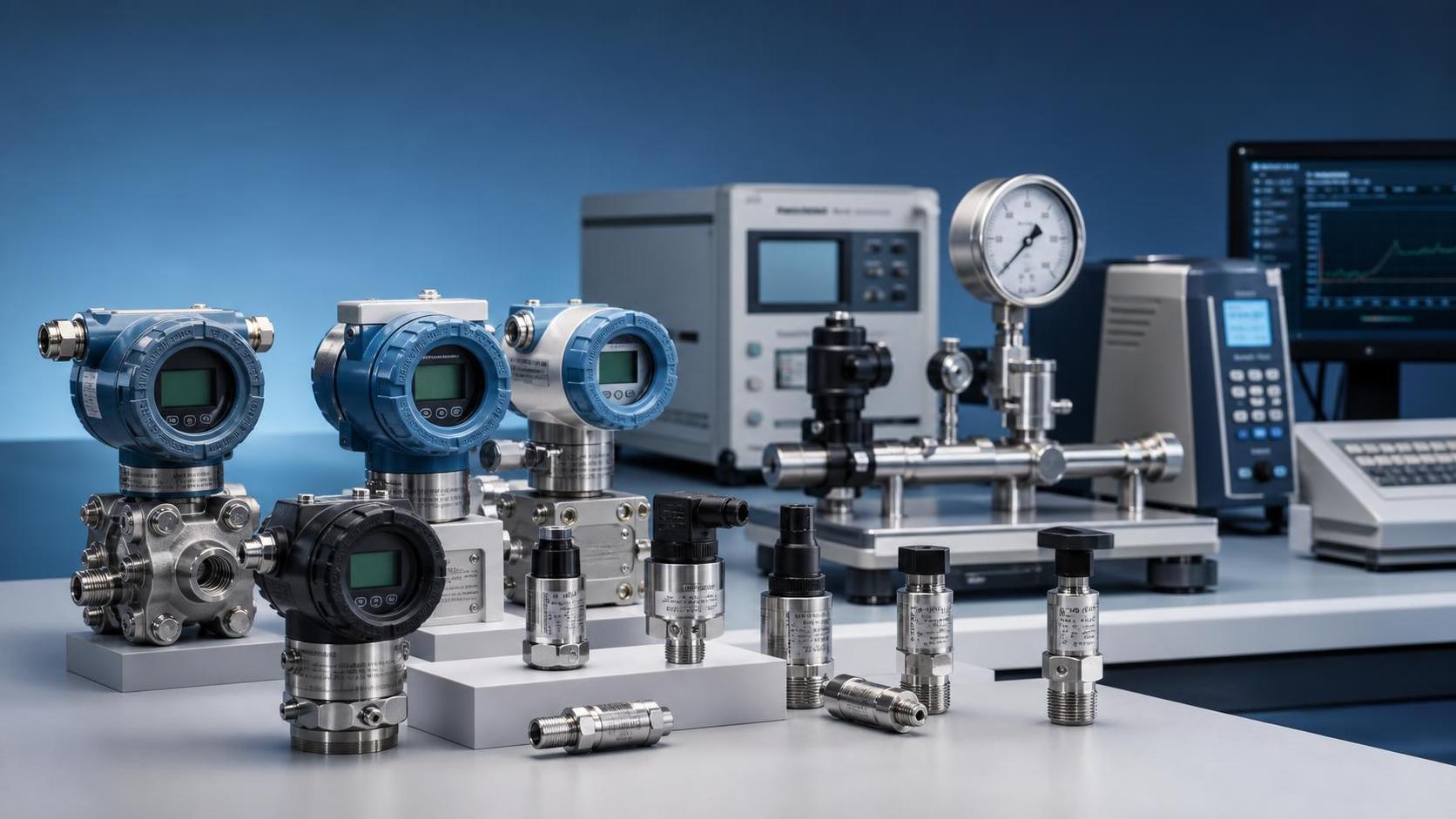
 Saudi SASO Tightens Pressure Instrument RulesSaudi SASO tightens pressure instrument rules from 2026-10-01. Learn how local testing and registration reshape compliance, lead times, and market access for exporters.
 Saudi SASO Ends China Type-Approval Route for Pressure InstrumentsSaudi SASO ends the China type-approval route for pressure instruments, requiring full lab testing from Oct 2026. Learn the cost, lead-time, and compliance impact now.


Chat Online