


On July 1, 2026, a new compliance threshold took effect for suppliers serving SABIC petrochemical plants: newly supplied pressure transmitters, flow meters, and gas detectors must meet ISA-84-2018 (IEC 61511) SIL2 functional safety requirements and carry third-party certification from TÜV Rheinland, SGS, or UL. Because the requirement applies to both local and international suppliers and non-compliant products face rejection at port entry in Dammam, this development deserves attention not only from manufacturers but also from exporters, procurement teams, certification service providers, and delivery coordinators involved in Middle East oil and gas projects.
What the new supply condition specifically requires
SABIC announced on June 26 that all pressure transmitters, flow meters, and gas detectors supplied for its petrochemical plants after July 1, 2026 must comply with ISA-84-2018 (IEC 61511) SIL2 functional safety requirements. The requirement includes third-party certification by TÜV Rheinland, SGS, or UL. The mandate applies to both local and international suppliers. According to the provided information, non-compliant instruments will be rejected at port entry in Dammam. The summary also indicates that the change affects exporters serving Middle East oil and gas projects, especially those that do not already have functional safety certification pathways.
Where the pressure is likely to appear across the supply chain
For instrument manufacturers, certification shifts from commercial advantage to entry requirement
Analysis shows that manufacturers of the named instrument categories may face the most direct impact because the change concerns product eligibility itself. The practical issue is no longer only whether a buyer prefers SIL2-capable products, but whether the supplied instrument can enter the project flow under SABIC's stated condition. What deserves closer attention is the need to align product certification status, technical files, and bid or supply documentation with the stated ISA-84-2018 (IEC 61511) SIL2 requirement and the specified third-party certifiers.
For exporters and trading companies, border rejection becomes a delivery risk
From a trade perspective, the explicit reference to rejection at port entry in Dammam raises the compliance issue beyond technical review and into shipment execution. Exporters and trading companies may therefore need to pay closer attention to whether the instruments they ship fall within the covered categories, whether certification evidence is complete before dispatch, and whether sales commitments, shipping schedules, and customer acceptance terms reflect this requirement. For firms without an established functional safety certification pathway, the risk is not only qualification difficulty but also interruption at the delivery stage.
For procurement and project teams, supplier screening may tighten
Observably, procurement functions on projects linked to SABIC demand may need to treat certification status as an earlier-stage screening factor. The likely effect is on supplier qualification, technical bid alignment, document review, and purchase timing for the affected instruments. Buyers and EPC-facing procurement teams should pay close attention to whether supplier documentation clearly demonstrates compliance with the stated standard and whether certification originates from one of the named third-party bodies.
For certification and inspection support providers, document readiness becomes more visible
Analysis shows that certification-related service providers may see greater demand for support around documentation, conformity review, and evidence preparation tied to SIL2 claims. Even so, the current information does not provide detailed execution procedures, so it would be premature to assume a uniform review workflow. What is clear is that document credibility and traceability are likely to matter more in transactions involving the affected products.
What companies should review now
Check whether affected product lines already match the stated requirement
Companies supplying pressure transmitters, flow meters, or gas detectors into this market should first identify whether the relevant product lines already meet ISA-84-2018 (IEC 61511) SIL2 functional safety requirements and whether existing certification, if any, is issued by TÜV Rheinland, SGS, or UL as specified in the provided summary.
Re-examine technical and trade documents before shipment
From an operational standpoint, closer review may be needed for technical datasheets, certification files, test-related records, bid documents, and shipping documentation associated with the covered instruments. Because the provided information points to rejection at port entry for non-compliant products, companies should treat document consistency as a practical delivery issue rather than only a technical formality.
Review supplier qualification and procurement timing
For procurement teams and project suppliers, it is more appropriate to understand this change as a factor that may affect supplier shortlists, sourcing lead time, and order release timing. Where certification status is incomplete or unclear, additional review may be needed before contract award or shipment planning. The current information does not define review timelines or grace arrangements, so businesses should avoid assuming flexibility that has not been stated.
Continue monitoring execution language and downstream contract wording
Observably, one of the most important follow-up points is whether subsequent procurement documents, supply specifications, and project tender language further clarify how the requirement will be checked in practice. Since the input does not provide detailed implementation rules beyond the stated requirement and port-entry consequence, companies should keep watching for more precise execution wording rather than treating all unanswered points as settled.
How this development is best understood at this stage
From an industry perspective, this is more than a general statement about safety expectations. It reads as an execution-oriented compliance signal because it names covered product categories, identifies a standard and certification level, specifies accepted third-party certifiers, applies the rule to both local and international suppliers, and links non-compliance to rejection at port entry in Dammam. At the same time, analysis shows that it should not yet be overstated beyond the facts provided. The market still needs to observe how consistently the requirement is reflected in purchasing documents, document review practice, and supplier qualification workflows.
Why this matters beyond a single announcement
The immediate significance of this development lies in the way a buyer-side requirement can quickly become a market access condition for selected process safety instruments. For companies already equipped with functional safety certification pathways, the change may mainly affect document discipline and bid alignment. For those without that pathway, it may create a more basic compliance barrier in project participation and shipment execution. Current observation suggests that this is best understood as a concrete rule-in-use signal with practical trade and procurement consequences, while some implementation details still warrant continued attention.
Basis of this article and what still needs verification
This article is based on the user-provided news title, event date, and event summary. For developments of this type, commonly relevant source categories may include company announcements, regulatory releases, customs or trade authority notices, industry association updates, standard organization materials, and reporting by established industry media. No specific official source link was provided in the input, so the exact official reference still requires ongoing verification. Further observation is also needed on detailed implementation language, certification review practice, tender document changes, market feedback, and how affected companies execute compliance in actual supply and delivery processes.


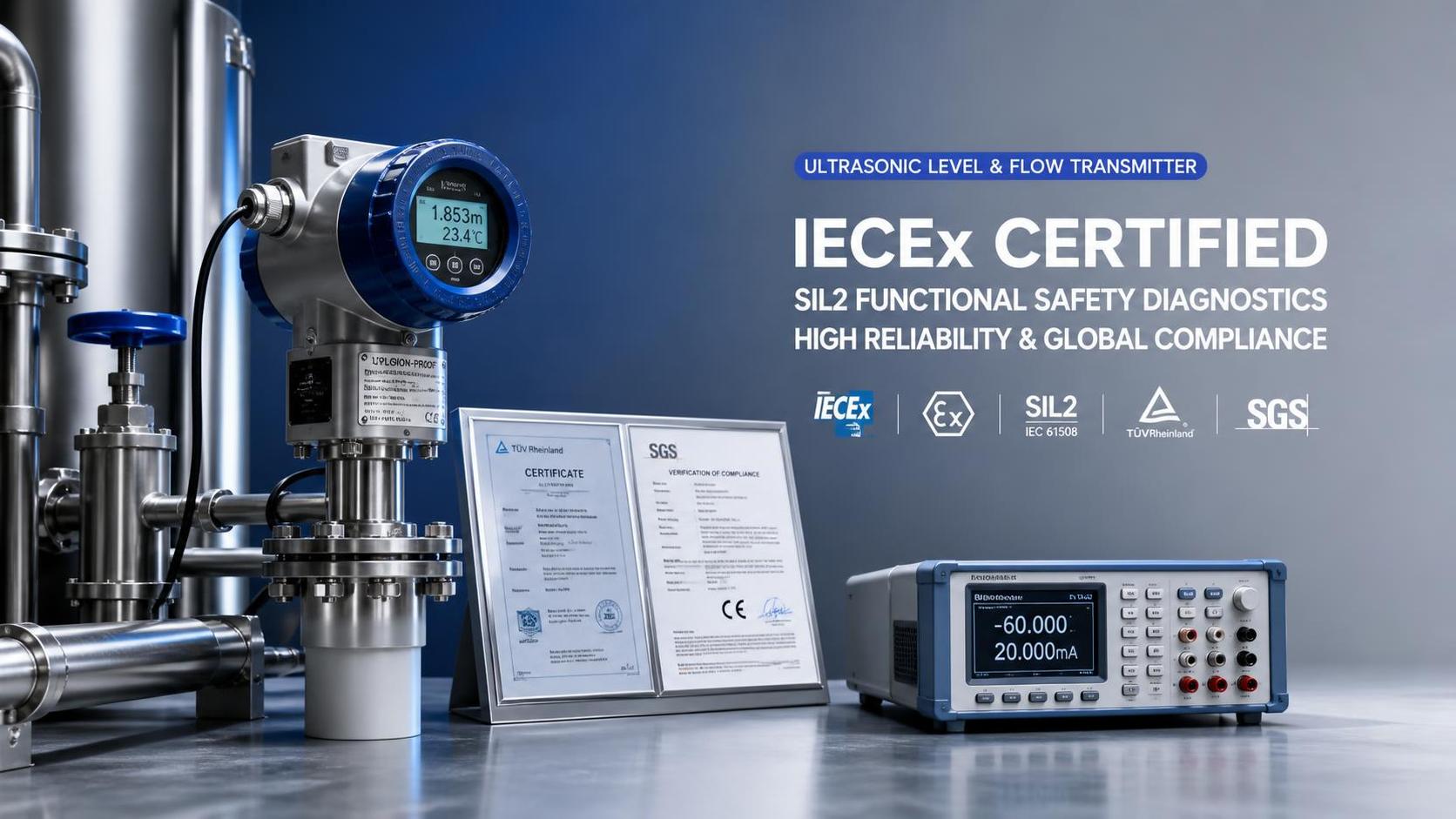
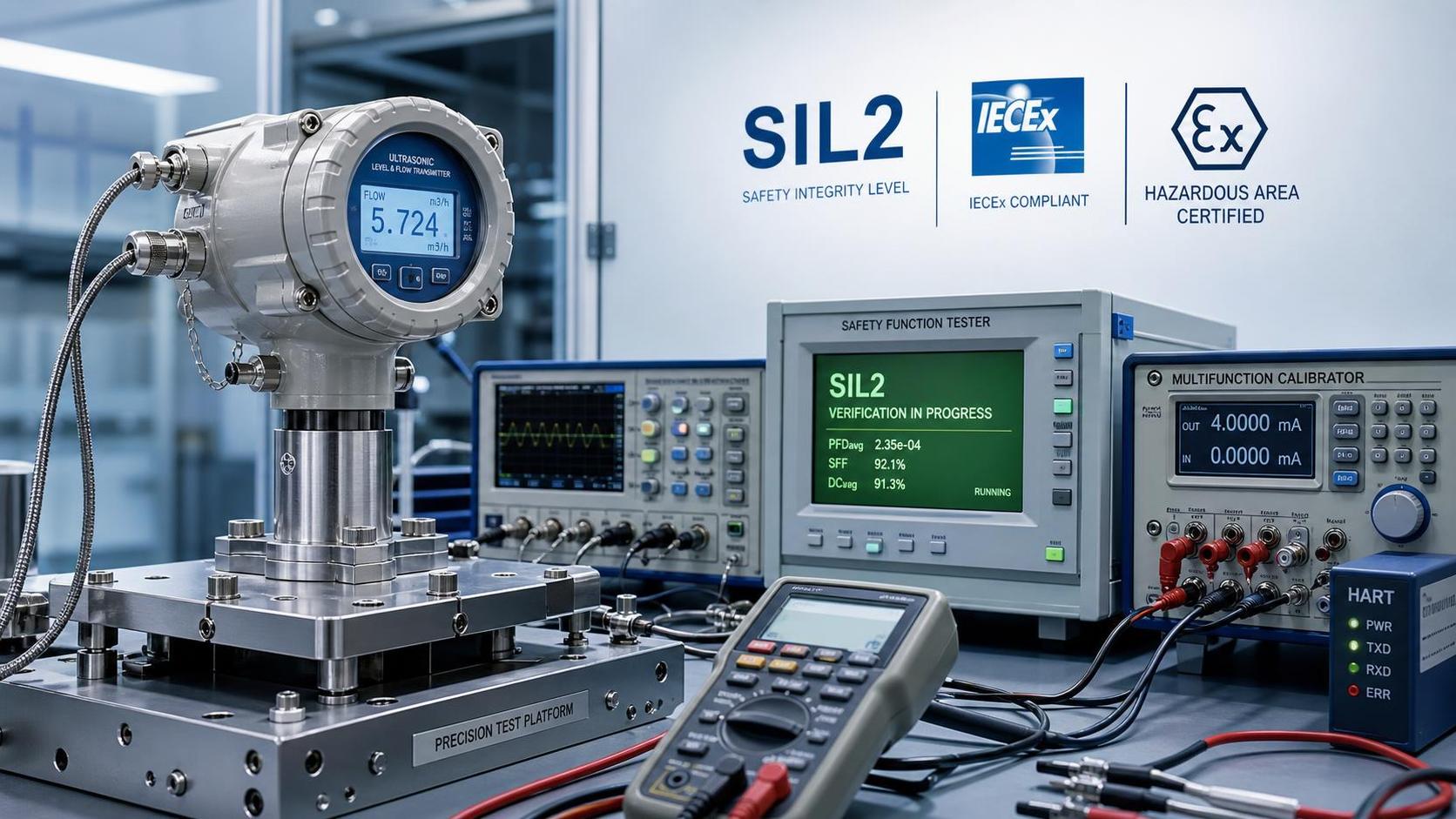
 New IECEx Rule Requires SIL2 Diagnostic Validation for Chinese Ultrasonic Transmitter ExportsIECEx rule update: SIL2 diagnostic validation is now required for Chinese ultrasonic transmitter exports. Learn how IEC 61508, 90% DC reports, and procurement risks affect bids and delivery.
 IECEx Rule Change Makes SIL2 Diagnostics Mandatory for Chinese Ultrasonic Transmitter ExportsIECEx now requires SIL2 diagnostics for Chinese ultrasonic transmitter exports, reshaping Ex d and Ex ia compliance. Learn what changes, who is affected, and how to stay ahead.
 IEC 61511-3:2026 Tightens SIL2 RulesIEC 61511-3:2026 tightens SIL2 rules for flow meters and pressure transmitters, adding HFT ≥ 1 and DC ≥ 90% requirements—see what suppliers, EPCs, and buyers must act on now.
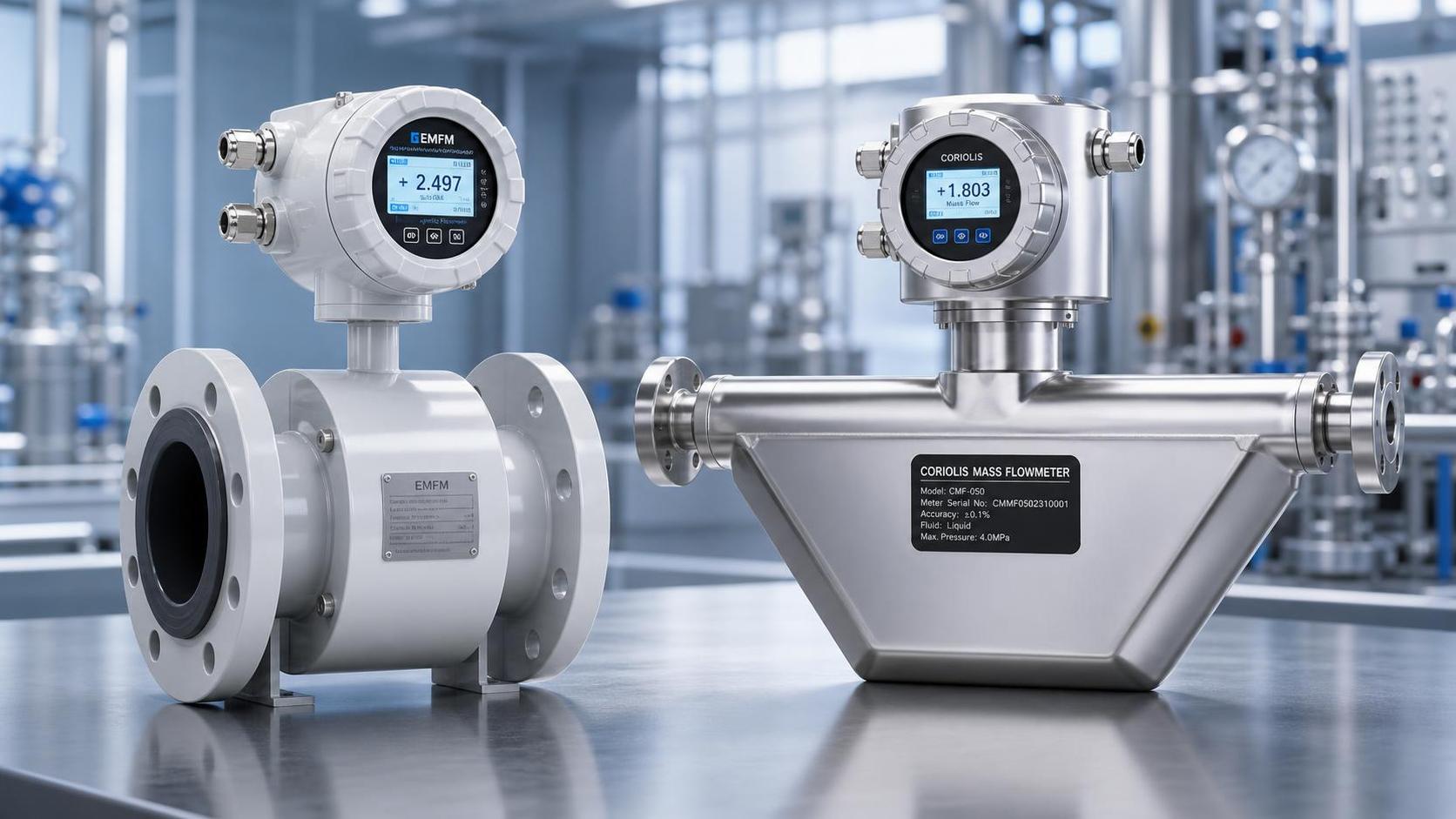
 Q2 2026 Flowmeter Export Prices Rise 9.3%Flowmeter export prices rose 9.3% in Q2 2026, driven by high-end electromagnetic and Coriolis models. See what this means for buyers, contracts, and budgets.
 Saudi SASO Tightens Pressure Instrument RulesSaudi SASO tightens pressure instrument rules from 2026-10-01. Learn how local testing and registration reshape compliance, lead times, and market access for exporters.
 Saudi SASO Ends China Type-Approval Route for Pressure InstrumentsSaudi SASO ends the China type-approval route for pressure instruments, requiring full lab testing from Oct 2026. Learn the cost, lead-time, and compliance impact now.
Chat Online