


On July 20, 2026, ADNOC released its procurement roadmap for the second half of 2026, confirming eight new tender packages for smart instrumentation across the Ruwais refining expansion, water treatment supporting the Barakah nuclear power project, and the Das Island digital upgrade. The plan covers more than 12,000 smart pressure, temperature, and flow instruments, with ISA-100.11a wireless support and local explosion-proof certification requirements including IECEx and NEPSI. For instrumentation suppliers, engineering teams, procurement functions, and compliance-related service providers, this is worth close attention because it links project demand, technical protocol requirements, and certification thresholds within a defined tender window ending on September 30, 2026.
What ADNOC has formally put into the market
According to the information provided, ADNOC announced on July 20, 2026 that its H2 2026 procurement roadmap includes eight additional tender packages for smart instrumentation. These tenders are tied to three named project areas: the Ruwais refining expansion, water treatment associated with the Barakah nuclear power project, and the Das Island digitalization upgrade.
The procurement scope covers more than 12,000 units of smart pressure, temperature, and flow instruments. The stated technical and compliance requirements include support for the ISA-100.11a wireless protocol and local explosion-proof certification under IECEx and NEPSI. The tender window is open through September 30, 2026.
Where the practical impact is likely to be felt
Instrument manufacturers face a more defined technical screening line
From an industry perspective, manufacturers of pressure, temperature, and flow instruments are the first group affected because the announcement does not describe demand in general terms; it specifies both product categories and key qualification conditions. The immediate business impact is likely to center on bid eligibility, product matching, and documentation readiness. What deserves closer attention is whether suppliers can align existing smart instrument portfolios with ISA-100.11a support and the required certification pathway without delay.
Procurement and bid teams will need to manage timing with greater precision
For procurement-facing teams, the September 30, 2026 tender deadline creates a short operational window. The effect is less about long-term capacity statements and more about whether bid teams can organize technical files, compliance evidence, and internal coordination in time for staged submissions. Observably, this matters not only for primary suppliers but also for trading firms and channel participants involved in assembling compliant offers.
Certification and compliance service providers may see a rise in execution pressure
Service providers working around certification, testing documentation, and regulatory coordination may also be affected because the requirement is not only for smart instrumentation, but for instrumentation meeting local explosion-proof certification expectations. The practical pressure point is likely to be document completeness, interpretation of certification acceptability, and coordination between product teams and project-facing commercial teams.
Project delivery and integration functions should watch the wireless requirement closely
For engineering, integration, and delivery roles, the ISA-100.11a requirement is notable because it introduces a defined communications expectation into procurement planning. Analysis shows that this can affect product selection, interface discussions, and delivery preparation, even before award decisions are known. The announcement therefore matters not only to sellers of devices, but also to teams responsible for project alignment and implementation planning.
What companies should track before the tender window closes
Watch for any refinement in official tender language
Companies should closely track whether subsequent official tender documents further define how ISA-100.11a support will be assessed and how IECEx and NEPSI certification requirements will be applied in practice. The current announcement establishes direction, but the operational meaning often depends on the wording used in tender packages and associated qualification materials.
Prioritize product-category readiness over broad market positioning
The most relevant product focus, based on the information provided, is smart pressure, temperature, and flow instrumentation. For suppliers and bid teams, the practical issue is not general market visibility but whether these specific categories are backed by the right technical files, compliance records, and application references suitable for formal submission.
Separate commercial opportunity from executable compliance
Analysis shows that a large-volume procurement signal does not automatically translate into accessible business for every participant. A company may have relevant products while still facing gaps in protocol support, local certification readiness, or submission materials. What deserves closer attention is the difference between being commercially interested and being procedurally ready to bid.
Prepare supply and communication plans early
With the tender window already defined, companies involved should review internal response timelines, supplier coordination, and customer communication plans. This includes preparing qualification documents, clarifying certification status, and aligning commercial and technical teams on what can be formally offered under the stated requirements.
Why this reads as more than a simple purchasing notice
Observably, this announcement can be read as both a near-term procurement event and a broader operational signal. The near-term element is clear: eight tender packages, named project contexts, defined product categories, and a closing window on September 30, 2026. The broader signal comes from the combination of digital instrumentation demand, a specific wireless protocol requirement, and locally relevant explosion-proof certification expectations.
It is more appropriate to understand this as an actionable market signal rather than a completed market outcome. No award results, supplier list, or delivery conclusions were provided in the input, so the industry should avoid reading the announcement as a finalized shift in supplier structure. At this stage, continued observation is still necessary.
How the market should read this signal now
At this point, the ADNOC announcement is best understood as a concentrated release of instrument procurement demand tied to clearly identified project work and qualification conditions. Its importance lies in the fact that it connects volume, application setting, protocol requirements, and certification filters within one procurement window.
From a neutral industry view, this is not yet proof of final market redistribution, but it is a concrete indicator of where near-term bidding activity and technical screening will be focused. For relevant participants, the most rational reading is that the opportunity is real, the requirements are specific, and the decisive factor will be execution readiness rather than broad market narrative.
Basis of this article and what still needs verification
This article is based on the user-provided news title, event date, and event summary. The confirmed information used here is limited to ADNOC's July 20, 2026 H2 procurement roadmap announcement, the eight added tender packages, the named project areas, the volume of more than 12,000 smart instruments, the ISA-100.11a and IECEx/NEPSI requirements, and the September 30, 2026 tender deadline.
For this type of industry update, relevant source categories would typically include official company announcements, project procurement notices, industry association information, authoritative media reporting, and documents issued by standards-related organizations. A specific official source link was not provided in the input, so continued verification is still required. The next points worth monitoring are whether ADNOC releases more detailed tender documentation, whether technical qualification language changes, and whether any later disclosures clarify award progress or implementation scope.


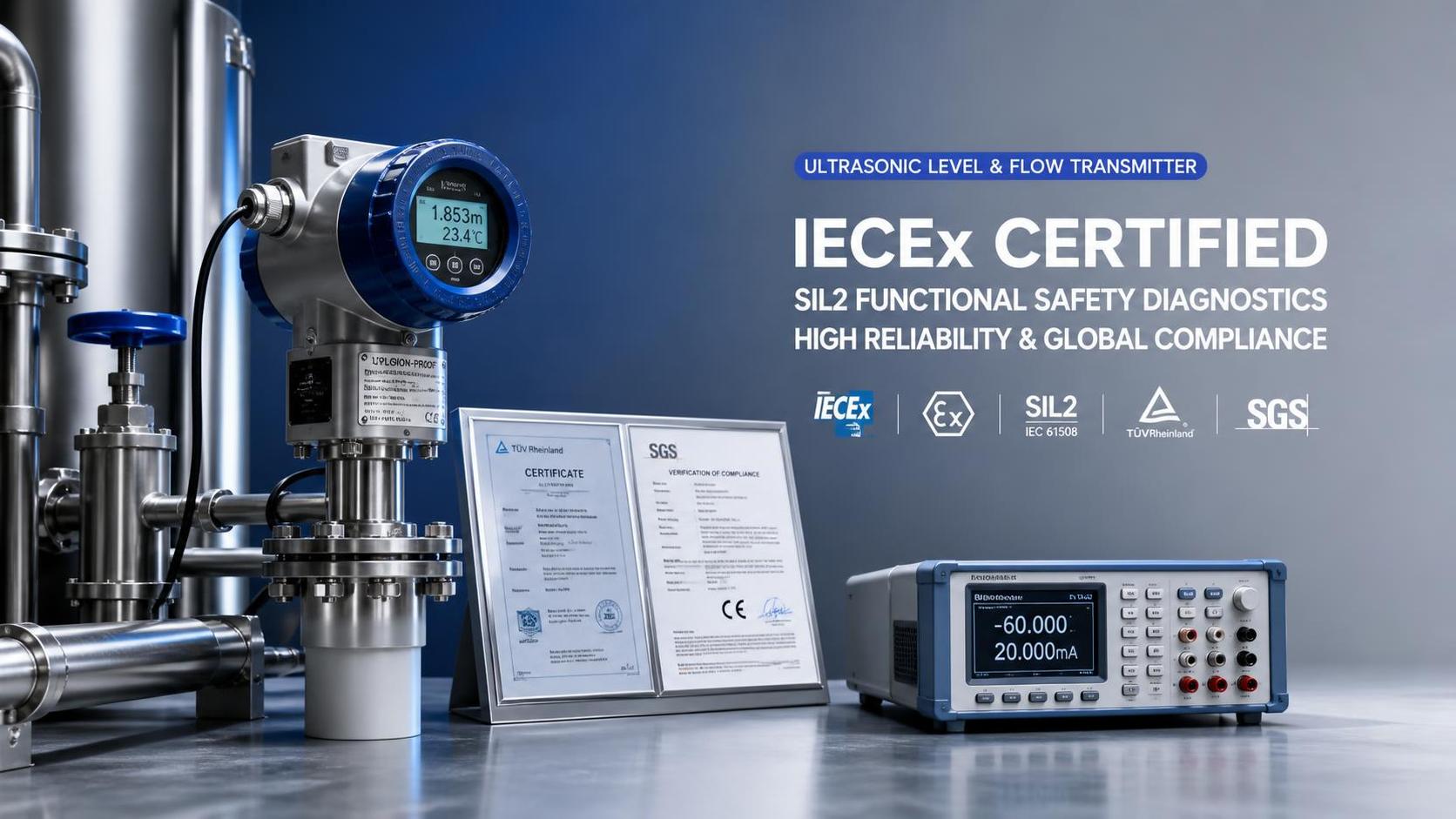
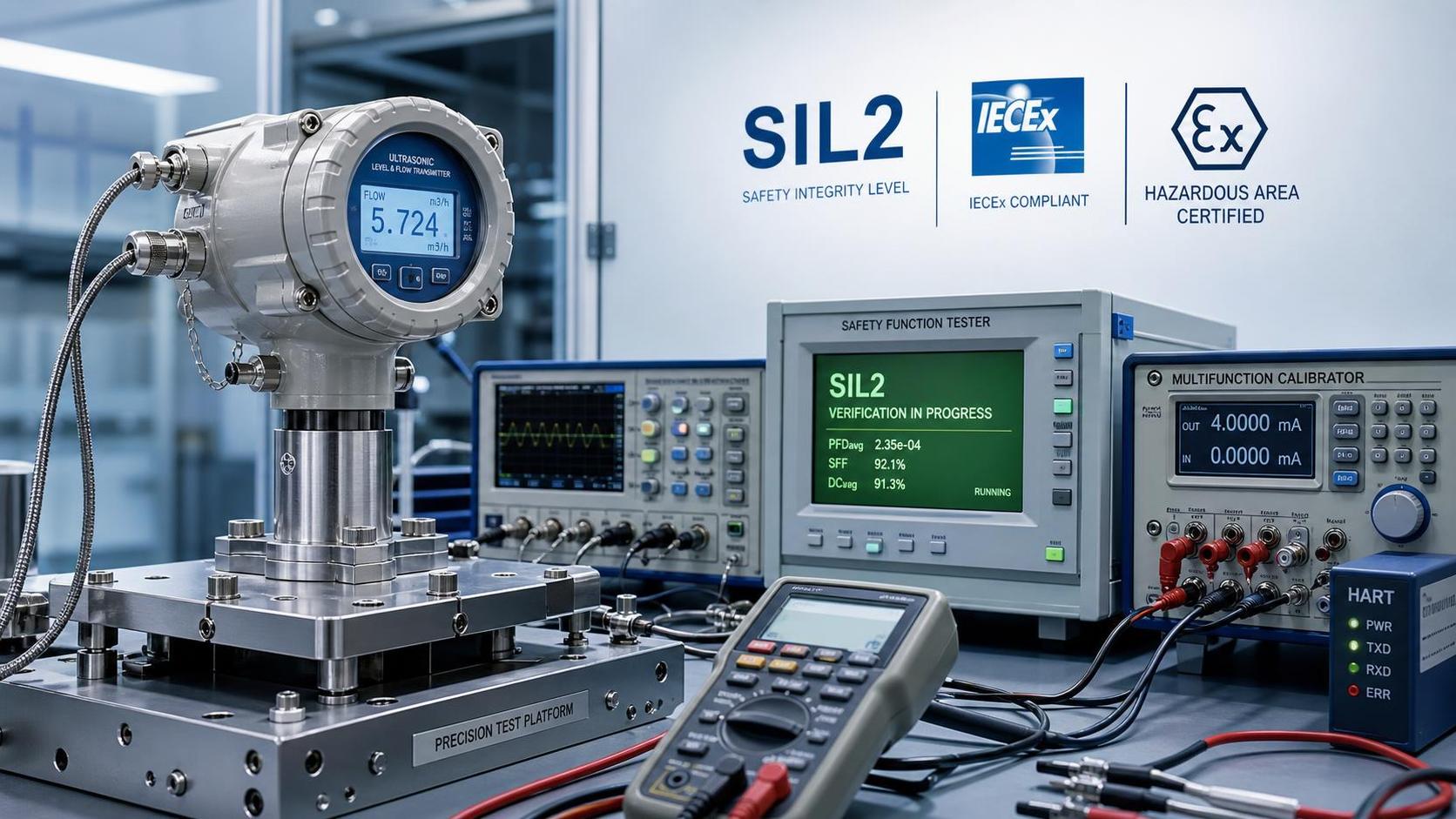
 New IECEx Rule Requires SIL2 Diagnostic Validation for Chinese Ultrasonic Transmitter ExportsIECEx rule update: SIL2 diagnostic validation is now required for Chinese ultrasonic transmitter exports. Learn how IEC 61508, 90% DC reports, and procurement risks affect bids and delivery.
 IECEx Rule Change Makes SIL2 Diagnostics Mandatory for Chinese Ultrasonic Transmitter ExportsIECEx now requires SIL2 diagnostics for Chinese ultrasonic transmitter exports, reshaping Ex d and Ex ia compliance. Learn what changes, who is affected, and how to stay ahead.
 IEC 61511-3:2026 Tightens SIL2 RulesIEC 61511-3:2026 tightens SIL2 rules for flow meters and pressure transmitters, adding HFT ≥ 1 and DC ≥ 90% requirements—see what suppliers, EPCs, and buyers must act on now.
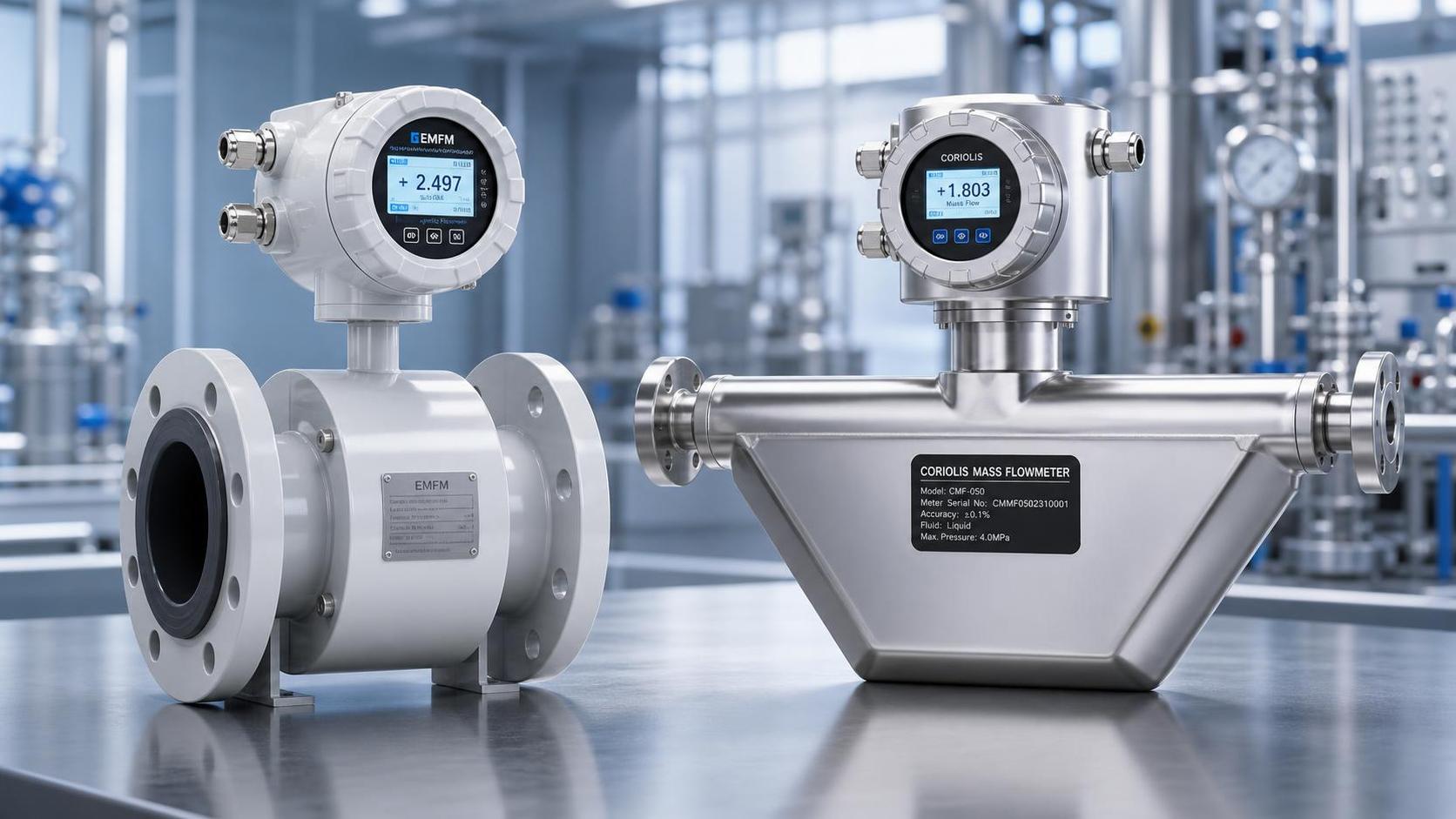
 Q2 2026 Flowmeter Export Prices Rise 9.3%Flowmeter export prices rose 9.3% in Q2 2026, driven by high-end electromagnetic and Coriolis models. See what this means for buyers, contracts, and budgets.
 Saudi SASO Tightens Pressure Instrument RulesSaudi SASO tightens pressure instrument rules from 2026-10-01. Learn how local testing and registration reshape compliance, lead times, and market access for exporters.
 Saudi SASO Ends China Type-Approval Route for Pressure InstrumentsSaudi SASO ends the China type-approval route for pressure instruments, requiring full lab testing from Oct 2026. Learn the cost, lead-time, and compliance impact now.
Chat Online