


On July 21, 2026, SABIC released an advance notice for the instrument package tender tied to the Yanbu Phase III ethylene expansion project, opening an initial requirement for 32,000 smart pressure transmitters to global suppliers. For instrumentation manufacturers, procurement teams, local representatives, and cross-border supply chain participants, the notice is worth attention because it links a large-volume equipment requirement with clearly defined technical standards and a fixed tender deadline.
What the tender notice confirms
The confirmed information is limited but commercially meaningful. SABIC issued the tender preview on July 21, 2026 for the instrument package of its Yanbu Phase III ethylene expansion project. The first batch covers demand for 32,000 smart pressure transmitters, and the opportunity is open to suppliers worldwide.
The stated technical requirements are compliance with IEC 61508 SIL2 and the latest version of Saudi Aramco SAES-J-902. The tender closing date is September 15, 2026. Qualified Chinese suppliers may participate together with a locally authorized representative.
Where the immediate impact may appear
For transmitter manufacturers, the issue is market access rather than volume alone
From an industry perspective, this notice is most directly relevant to manufacturers of smart pressure transmitters. The impact is likely to center on bid preparation, technical compliance review, and qualification matching. What deserves closer attention is not only the stated quantity, but also whether a supplier can demonstrate alignment with the required standards in a form acceptable for tender submission.
For procurement and bid teams, documentation discipline becomes critical
Procurement departments, export sales teams, and tender managers may be affected at the documentation and coordination stage. The combination of a global tender window, a defined closing date, and the possibility of participation through a local authorized representative means that supplier-side preparation may depend on how quickly technical files, qualification materials, and representative arrangements can be organized.
For local partners and supply chain service providers, coordination value increases
Observably, the notice also matters to local authorized representatives and service providers that support tender participation. Their role is likely to be concentrated in communication, compliance coordination, and submission support. The key change to watch is whether project-side requirements remain stable through the tender process or become more detailed in subsequent official documents.
What companies should track from here
Watch for any further clarification in tender language
Companies considering participation should pay close attention to whether later official tender documents refine the scope, technical wording, or submission conditions. The current notice establishes the direction, but practical bidding work usually depends on the exact language used in the formal package.
Check standards alignment before commercial positioning
Analysis shows that IEC 61508 SIL2 and the latest Saudi Aramco SAES-J-902 reference are not secondary details. Suppliers need to verify whether their existing product certifications, technical dossiers, and application records can support these requirements before moving into pricing or channel discussions.
Prepare the local participation path early
For qualified Chinese suppliers in particular, the ability to participate with a locally authorized representative is a confirmed opening in the notice. In practical terms, that makes partner readiness, authorization documents, and communication workflow important areas to settle early rather than late in the tender cycle.
Separate announcement value from executable workload
What deserves closer attention is the difference between a commercially attractive tender notice and the actual workload needed to enter it. Internal coordination across compliance, legal, sales, and delivery planning may become necessary even before final bid submission, especially when the opportunity is tied to project specifications and local representation arrangements.
How this notice should be read at this stage
As an editorial observation, this development is better understood as an actionable market signal than as a completed procurement outcome. The confirmed facts show that a specific Middle East project-linked demand for smart pressure transmitters is moving into a clearer sourcing stage, but they do not yet show award results, supplier selection, or final commercial execution.
From an industry perspective, the importance lies in the combination of three elements already visible in the notice: project-linked demand, explicit technical thresholds, and an open international supplier channel. That combination is enough to trigger preparation by relevant companies, while still requiring continued observation before broader conclusions are made.
Why the market is paying attention
This notice matters because it turns a project reference into a defined procurement window with measurable entry conditions. For the instrumentation segment, it points to near-term bidding activity. For companies serving the Saudi and wider Middle East industrial market, it also highlights how technical compliance and local participation structure can shape access to business opportunities.
It is more appropriate to understand this as a short-term procurement development with longer-term signaling value. The immediate issue is tender participation before the September 15, 2026 deadline; the broader significance will depend on subsequent tender documents, supplier engagement, and how the project progresses through later procurement stages.
Basis of this article
This article is based on the user-provided news title, event date, and event summary. The analysis above does not rely on additional unverified project data, market figures, or external claims.
For this type of industry update, commonly relevant source categories would include official tender notices, company announcements, industry association releases, authoritative media reporting, and applicable standards documentation. A specific official source link was not provided in the input, so the underlying announcement and any later tender documents still require ongoing verification. Areas for continued follow-up include any formal tender release, changes in submission rules, and any further clarification of technical or representative requirements.


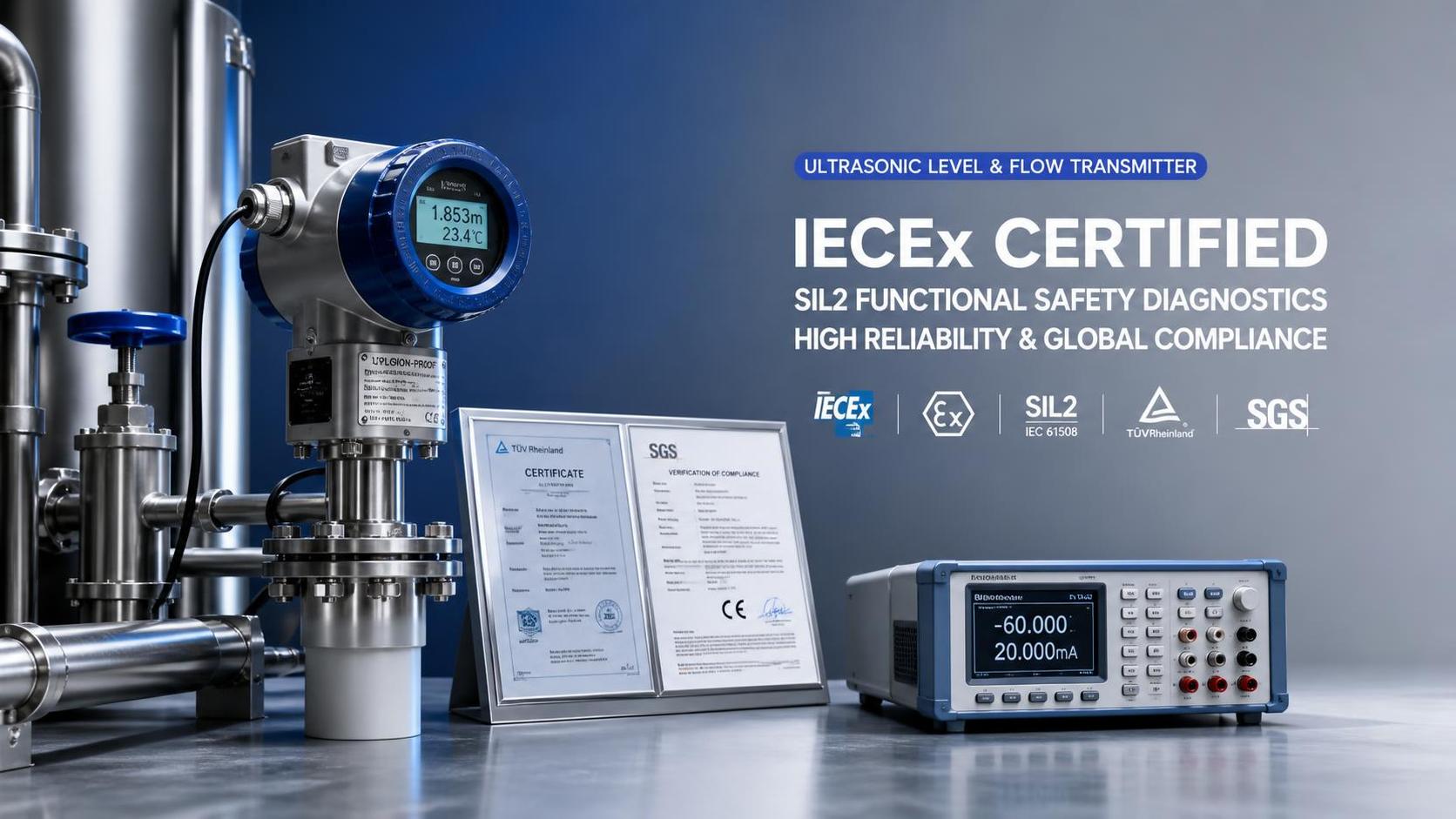
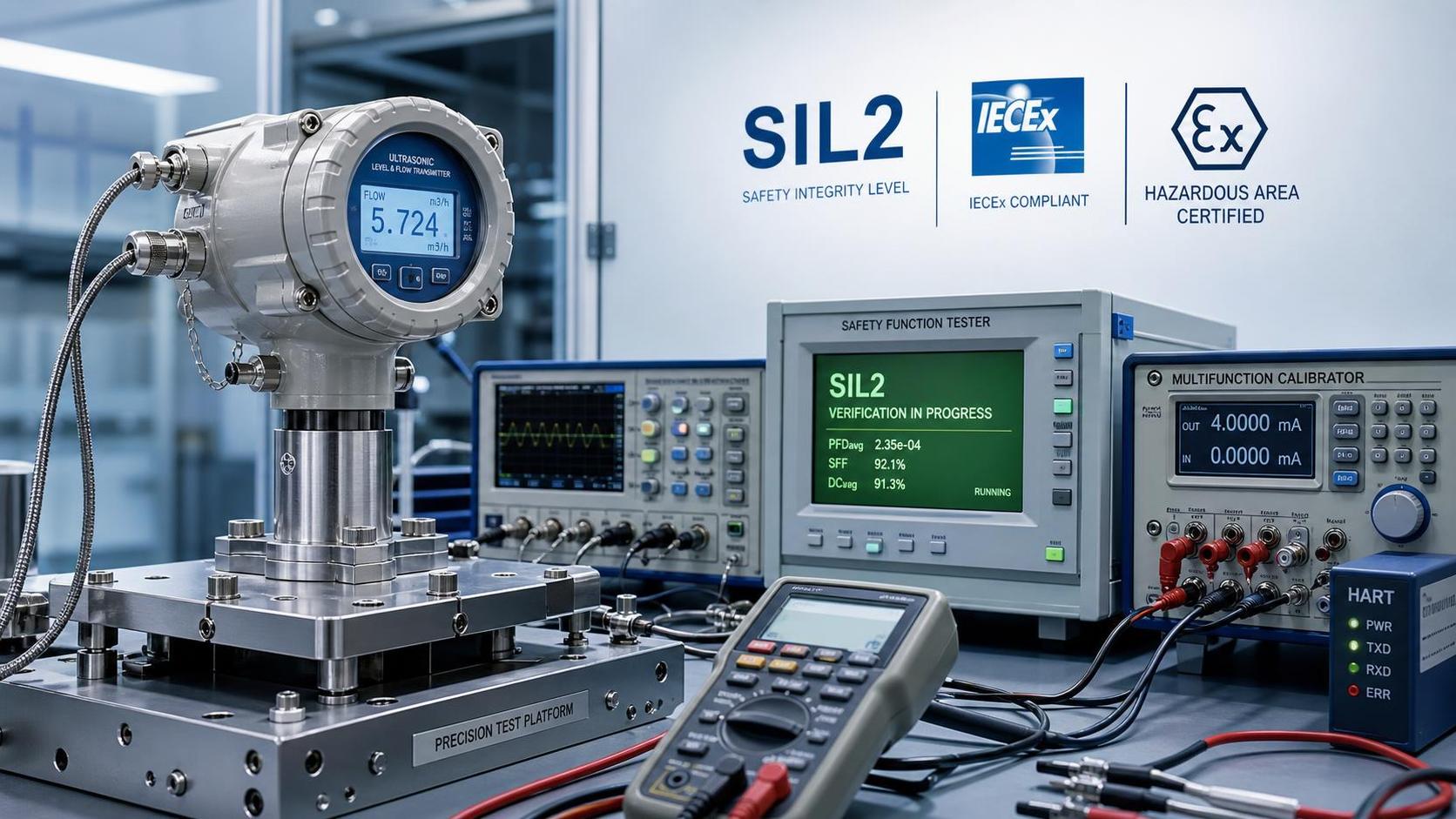
 New IECEx Rule Requires SIL2 Diagnostic Validation for Chinese Ultrasonic Transmitter ExportsIECEx rule update: SIL2 diagnostic validation is now required for Chinese ultrasonic transmitter exports. Learn how IEC 61508, 90% DC reports, and procurement risks affect bids and delivery.
 IECEx Rule Change Makes SIL2 Diagnostics Mandatory for Chinese Ultrasonic Transmitter ExportsIECEx now requires SIL2 diagnostics for Chinese ultrasonic transmitter exports, reshaping Ex d and Ex ia compliance. Learn what changes, who is affected, and how to stay ahead.
 IEC 61511-3:2026 Tightens SIL2 RulesIEC 61511-3:2026 tightens SIL2 rules for flow meters and pressure transmitters, adding HFT ≥ 1 and DC ≥ 90% requirements—see what suppliers, EPCs, and buyers must act on now.
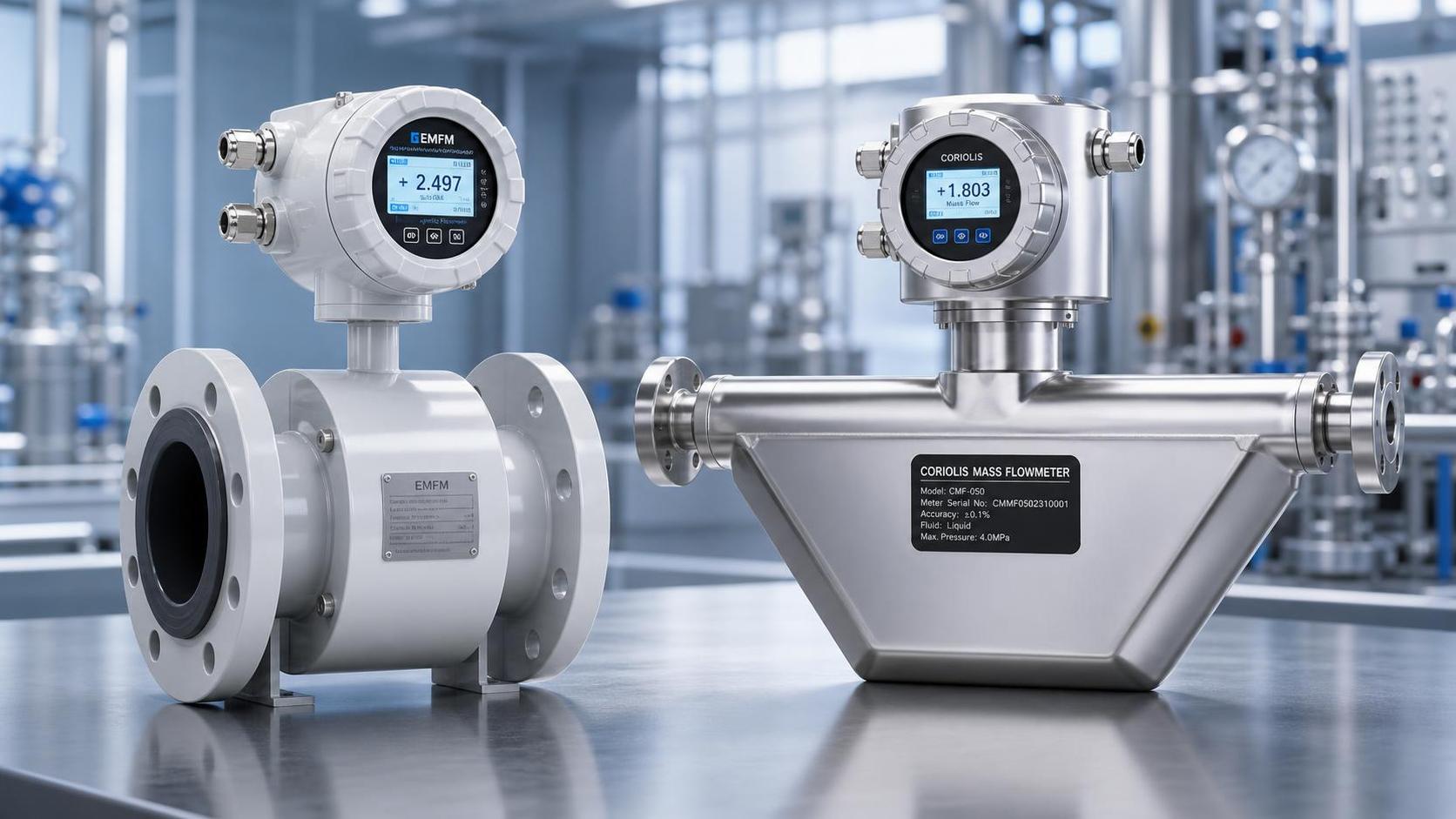
 Q2 2026 Flowmeter Export Prices Rise 9.3%Flowmeter export prices rose 9.3% in Q2 2026, driven by high-end electromagnetic and Coriolis models. See what this means for buyers, contracts, and budgets.
 Saudi SASO Tightens Pressure Instrument RulesSaudi SASO tightens pressure instrument rules from 2026-10-01. Learn how local testing and registration reshape compliance, lead times, and market access for exporters.
 Saudi SASO Ends China Type-Approval Route for Pressure InstrumentsSaudi SASO ends the China type-approval route for pressure instruments, requiring full lab testing from Oct 2026. Learn the cost, lead-time, and compliance impact now.



Chat Online