


On August 4, 2026, the International Electrotechnical Commission formally released IEC 61511-3:2026, updating guidance for safety instrumented systems in the process industry. The immediate effect of the new edition matters less as a headline than as a practical procurement and compliance issue: companies involved in new petrochemical and refining projects in the EU, the Middle East, and Southeast Asia now need to pay closer attention to SIS instrument selection, import clearance documentation, and EPC purchasing requirements.
What the new release explicitly adds
According to the information provided, IEC 61511-3:2026 introduces new requirements covering three areas: verification of online diagnostic coverage for SIS logic solvers, real-time monitoring of hardware fault tolerance (HFT), and qualification requirements for third-party independent verification bodies. The standard took effect immediately upon release on August 4, 2026.
The same information also states that the release will directly affect instrument selection, import customs clearance, and procurement decisions by EPC contractors for newly built petrochemical and refining projects in the EU, the Middle East, and Southeast Asia.
Where the pressure is likely to appear first
Instrument selection is likely to face earlier screening
From an industry perspective, procurement teams and project owners are likely to feel the impact first at the specification stage. Because the update adds verification and monitoring-related requirements tied to SIS logic solvers and HFT, selection decisions may increasingly depend on whether a product's certification and supporting technical records can align with the new standard language.
Import and compliance workflows may become more document-sensitive
For companies handling cross-border supply and delivery, the stated impact on import customs clearance deserves close attention. Analysis shows that any change in certification expectations can shift the burden toward supporting documents, conformity evidence, and third-party verification credentials, especially where imported instrumentation is tied to project acceptance or owner approval.
EPC procurement decisions may become more qualification-driven
EPC contractors and project procurement managers are another group directly exposed to the change. Observably, when a standard takes effect immediately and includes explicit requirements for independent verification bodies, supplier comparison may move beyond price and delivery into the credibility of certification pathways, verification arrangements, and the completeness of submission packages during bid and award stages.
What companies should review now
Check whether existing SIS certification files match the new wording
What deserves closer attention is whether current product files and approval materials clearly address online diagnostic coverage verification, HFT real-time monitoring, and the status of any third-party independent verification body involved. This is especially relevant for suppliers and exporters targeting new petrochemical and refining projects in the named regions.
Separate standard release from project-side enforcement details
Analysis shows that a standard taking effect immediately does not automatically mean every project will apply the same review method on the same timeline. Companies should distinguish between the published standard itself and how owners, EPC contractors, and import-related reviewers translate that standard into procurement clauses, technical deviations, and documentation checklists.
Prepare for tighter communication across sales, compliance, and delivery teams
Where projects are already in quotation or pre-award stages, internal coordination may become more important. Supplier-facing teams may need aligned answers on certification scope, document availability, verification arrangements, and any impact on delivery readiness, because these issues can affect customer discussions well before shipment.
Watch region-specific procurement language in new project packages
Since the provided information specifically points to the EU, the Middle East, and Southeast Asia, companies active in those markets should watch how upcoming tender documents, technical appendices, and compliance requests reference IEC 61511-3:2026. The standard release is a confirmed fact; the pace and strictness of project-level adoption remain an area for continued observation.
How this release is best understood at this stage
This section is analysis rather than fact. It is more appropriate to understand the release as both an immediate operational change and a longer-term signal about how SIS compliance is being assessed. The immediate part is clear from the information provided: the standard is already in force and is expected to influence procurement, customs-related clearance, and project instrument selection in several active project regions.
At the same time, the full commercial effect still depends on how market participants implement the new requirements in contracts, technical reviews, and approval workflows. For that reason, the release should not be read as a completed market outcome, but as a standards-driven shift that now needs to be traced through real procurement behavior.
Why the market is treating this as more than a routine update
The practical significance of this release lies in where it touches the project chain: product selection, third-party verification, import-facing documentation, and EPC purchasing decisions. Those are operational checkpoints, not abstract compliance topics. A neutral reading is that IEC 61511-3:2026 is already relevant for active and upcoming petrochemical and refining project work, while the scale of its downstream effect will become clearer as procurement documents and delivery requirements start reflecting the new edition.
Basis of this article and points for continued verification
This article is based on the user-provided news title, event date, and event summary concerning the formal release of IEC 61511-3:2026 on August 4, 2026. Information of this type is commonly verified against official announcements, standard organization publications, company compliance statements, industry association updates, and authoritative trade media coverage.
A specific official source link was not provided in the input, so the exact publication record and any follow-up interpretive materials still require continued verification. Further attention should focus on whether subsequent official wording, project tender documents, import review practices, or EPC procurement clauses provide more detailed implementation signals.


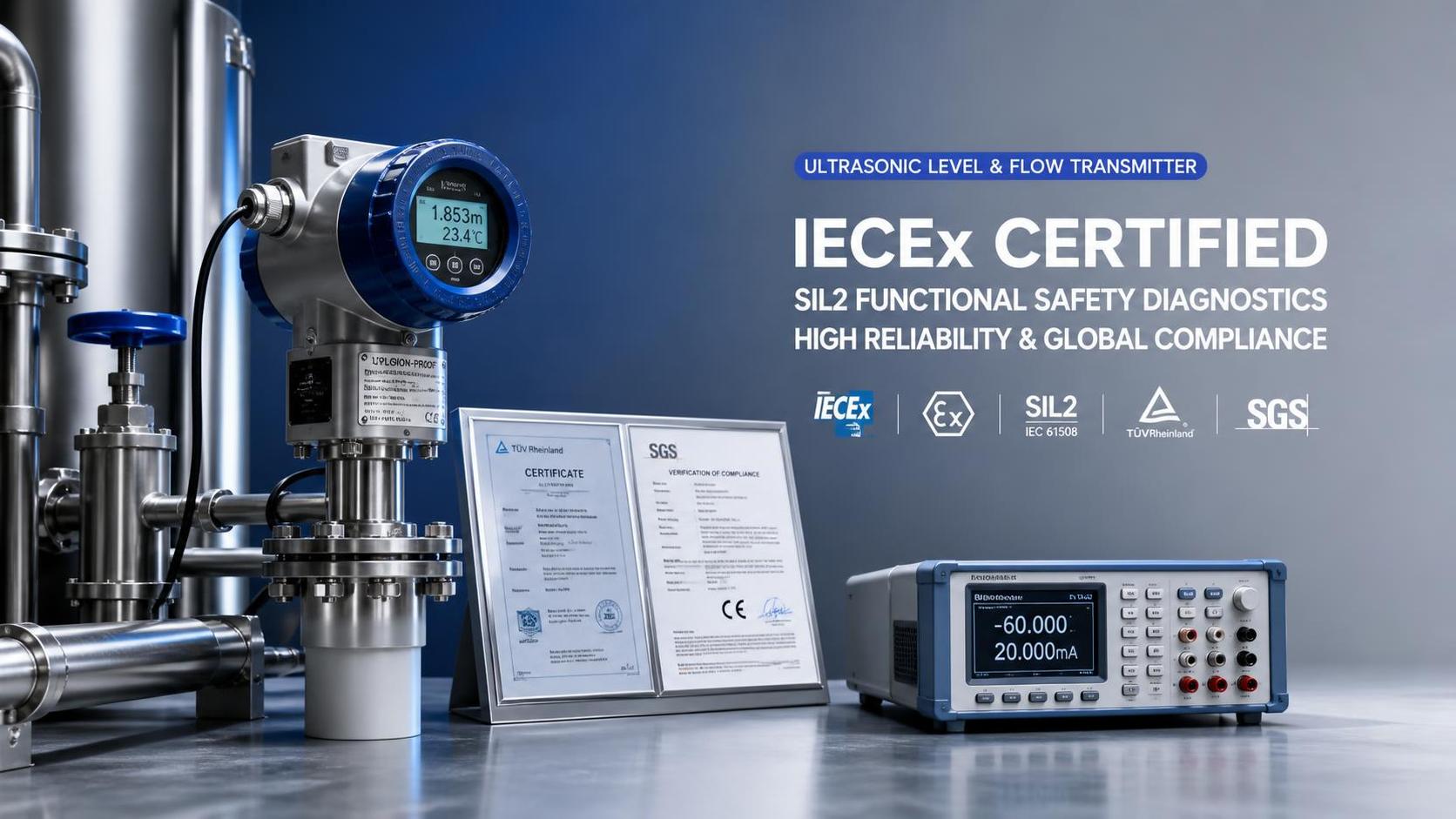
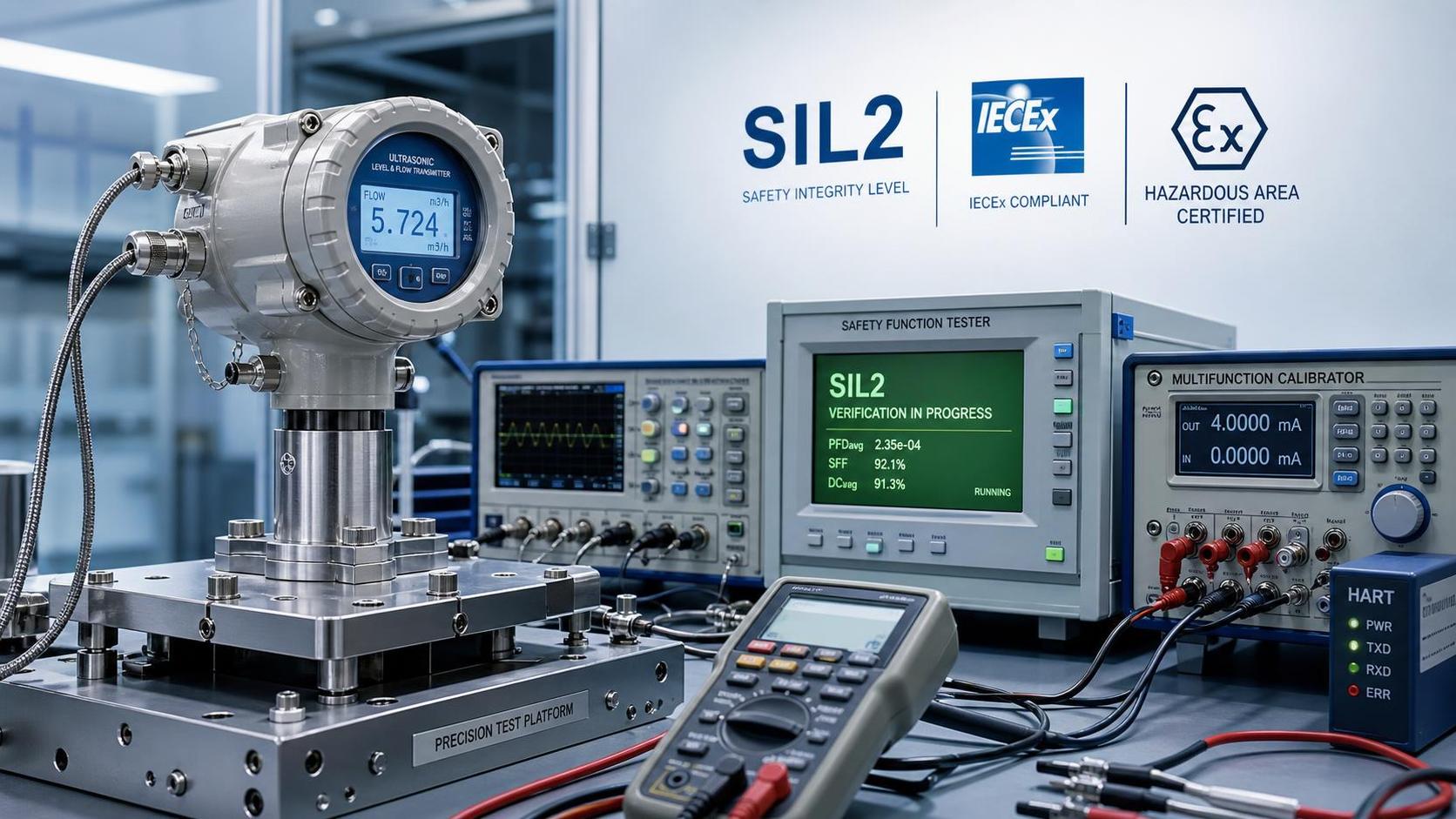
 New IECEx Rule Requires SIL2 Diagnostic Validation for Chinese Ultrasonic Transmitter ExportsIECEx rule update: SIL2 diagnostic validation is now required for Chinese ultrasonic transmitter exports. Learn how IEC 61508, 90% DC reports, and procurement risks affect bids and delivery.
 IECEx Rule Change Makes SIL2 Diagnostics Mandatory for Chinese Ultrasonic Transmitter ExportsIECEx now requires SIL2 diagnostics for Chinese ultrasonic transmitter exports, reshaping Ex d and Ex ia compliance. Learn what changes, who is affected, and how to stay ahead.
 IEC 61511-3:2026 Tightens SIL2 RulesIEC 61511-3:2026 tightens SIL2 rules for flow meters and pressure transmitters, adding HFT ≥ 1 and DC ≥ 90% requirements—see what suppliers, EPCs, and buyers must act on now.
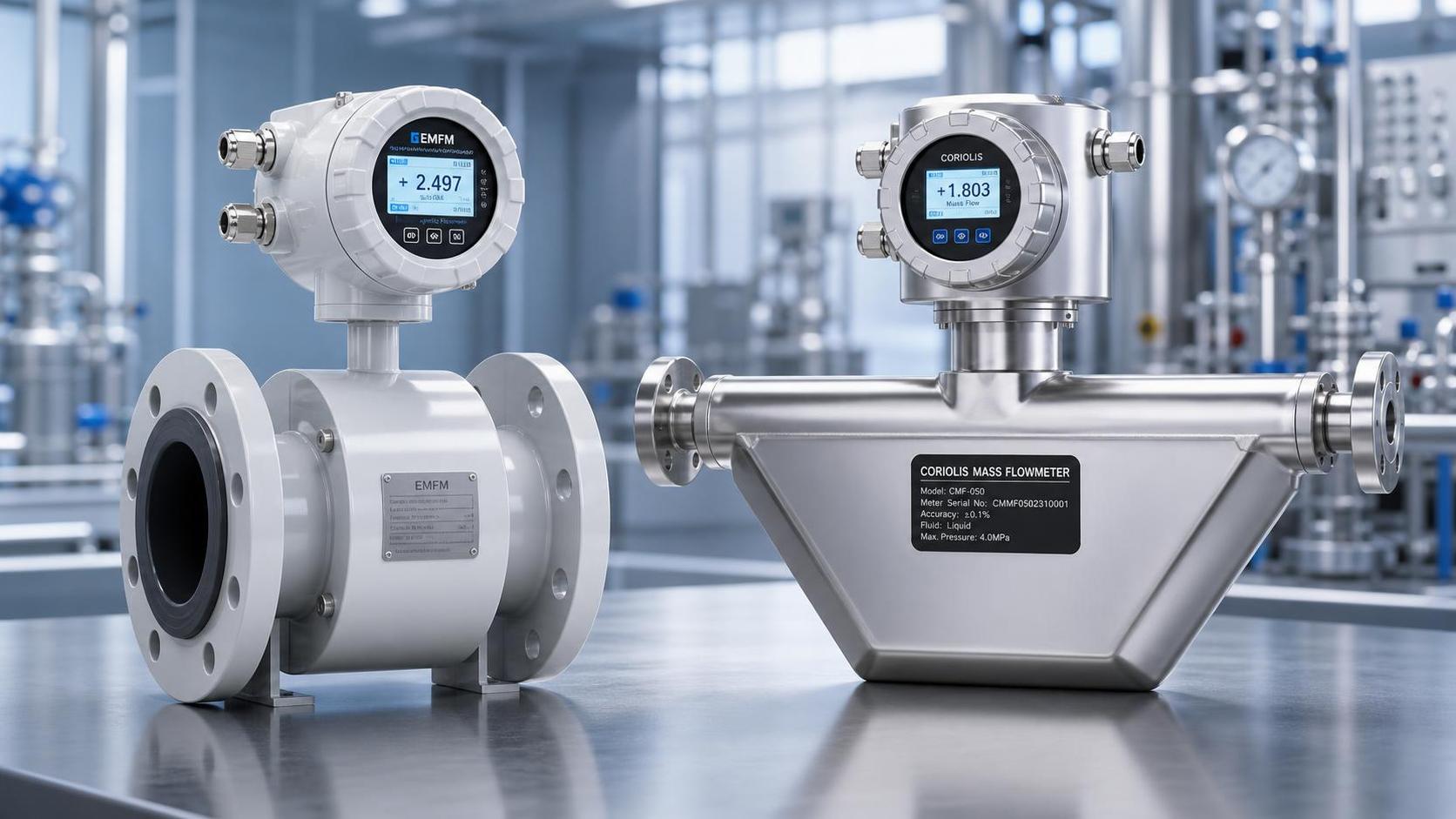
 Q2 2026 Flowmeter Export Prices Rise 9.3%Flowmeter export prices rose 9.3% in Q2 2026, driven by high-end electromagnetic and Coriolis models. See what this means for buyers, contracts, and budgets.
 Saudi SASO Tightens Pressure Instrument RulesSaudi SASO tightens pressure instrument rules from 2026-10-01. Learn how local testing and registration reshape compliance, lead times, and market access for exporters.
 Saudi SASO Ends China Type-Approval Route for Pressure InstrumentsSaudi SASO ends the China type-approval route for pressure instruments, requiring full lab testing from Oct 2026. Learn the cost, lead-time, and compliance impact now.


Chat Online