


On July 31, 2026, Deutsche Messe confirmed that Hannover Messe 2027, scheduled for April 2027, will introduce a dedicated Smart Process Instrumentation area for the first time. The new focus on high-precision pressure, temperature, and flow instruments, together with digital twin integration solutions, is notable not only for instrumentation manufacturers but also for system integrators, industrial buyers, and supply-chain participants assessing how process measurement, cybersecurity, and digital deployment are beginning to converge in a more visible way at a major industry event.
A new focus area and a strong China booking signal
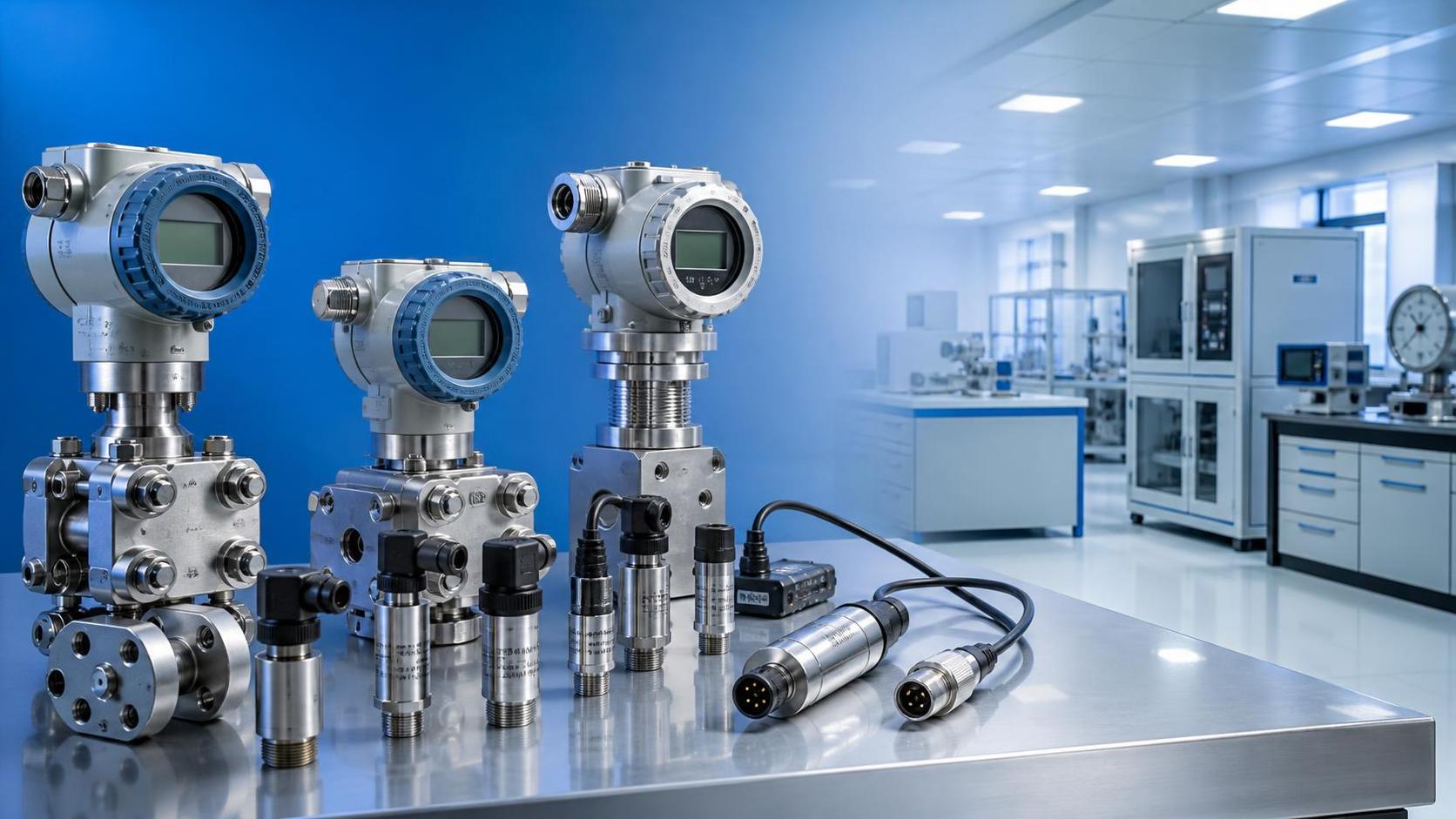
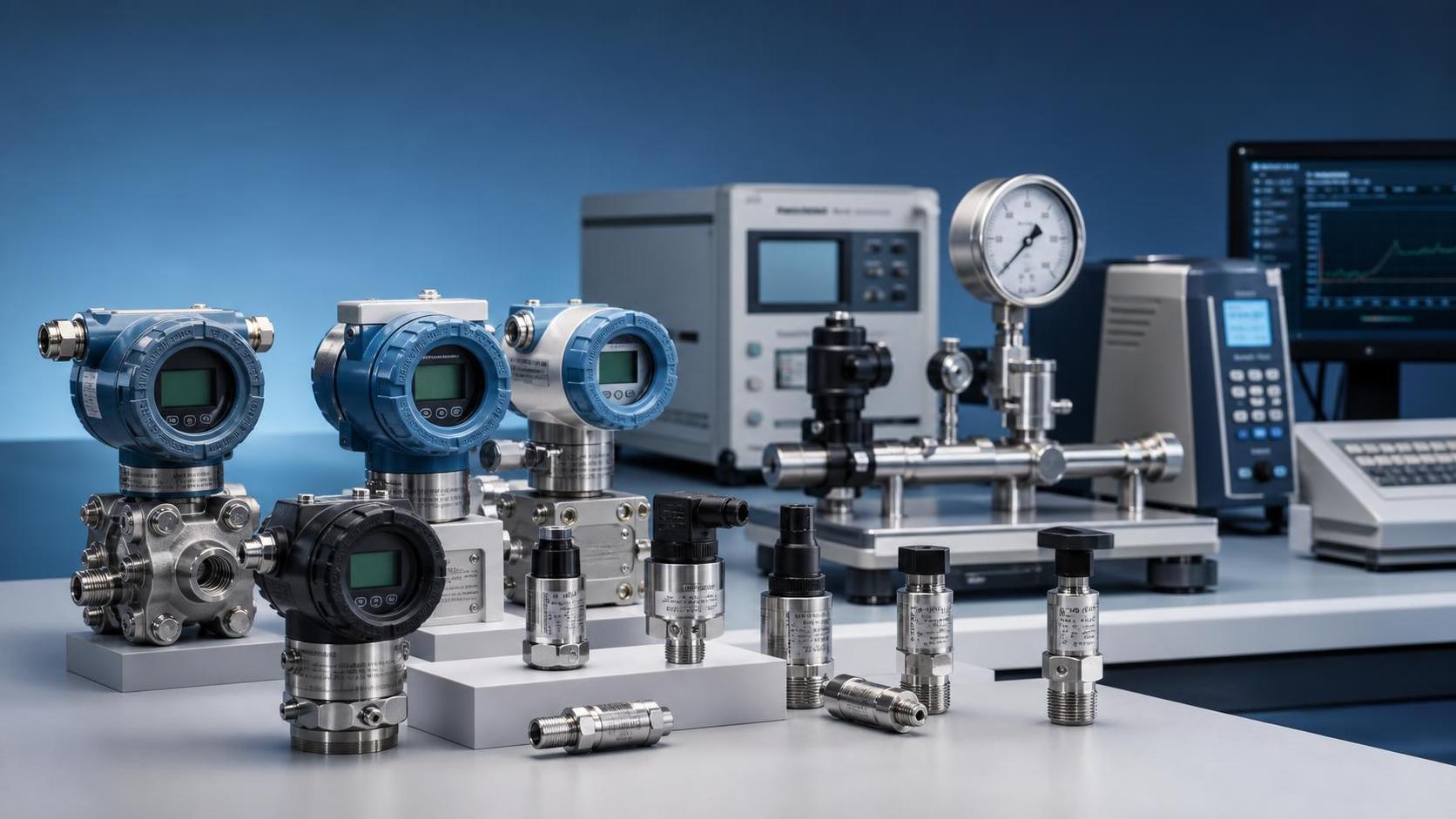
According to the confirmed event information, Hannover Messe 2027 will debut a themed exhibition area titled Smart Process Instrumentation. The announced scope covers high-precision pressure, temperature, and flow instrumentation, as well as digital twin integration solutions.
Data cited from the China Council for the Promotion of International Trade shows that, as of July 30, bookings from Chinese exhibitors had increased by 42% year on year. The same data indicates that 67% of those booked Chinese exhibitors are instrument manufacturers holding IEC 62443 cybersecurity certification.
Where the impact may be felt first
For instrument manufacturers, the product discussion may shift beyond measurement accuracy
From an industry perspective, manufacturers of pressure, temperature, and flow instruments may be affected first because the new exhibition area groups these products with digital twin integration rather than treating them only as standalone hardware. The practical implication is that buyers and partners may pay closer attention to how products are presented in relation to system connectivity and cybersecurity credentials, especially where IEC 62443 certification is already visible in exhibitor data.
For system integrators and solution providers, integration capability becomes a more visible business point
System integrators and related service providers may also see an impact because the announced theme explicitly includes digital twin integration solutions. Analysis shows that this can shift attention toward implementation interfaces, interoperability discussions, and how instrumentation data is incorporated into broader industrial environments. What deserves closer attention is whether market conversations at the event increasingly evaluate integration readiness alongside device specifications.
For industrial buyers and sourcing teams, supplier screening may become more layered
Procurement teams in process industries may be influenced through supplier evaluation and project planning. Observably, the combination of smart instrumentation and cybersecurity-certified exhibitors suggests that sourcing conversations may extend beyond price and core measurement performance into documentation, certification status, and deployment compatibility. The business impact is likely to be felt in supplier shortlisting, technical clarification, and pre-project communication.
For trade and supply-chain participants, exhibitor mix can affect market attention
Trading firms, channel partners, and supply-chain service providers may need to watch how exhibitor concentration evolves around certified and integration-oriented offerings. Analysis shows that a 42% year-on-year rise in China pavilion bookings can influence where commercial attention gathers, particularly for companies tracking product availability, partnership opportunities, and lead-generation priorities around industrial instrumentation.
What companies should track from here
Watch for any refinement in the official scope
Companies should pay close attention to whether the organizer further clarifies how Smart Process Instrumentation will be defined in practice. The current confirmed description names high-precision pressure, temperature, and flow instruments and digital twin integration solutions, but exhibitors and buyers will need to monitor whether later official wording changes the boundaries of the category or the way participation is framed.
Prepare technical and certification materials with more discipline
Given that 67% of booked Chinese exhibitors are identified as IEC 62443-certified instrument manufacturers, relevant companies should review how they present certification, technical documentation, and integration-related materials. This is less a general management issue than a practical communication task tied directly to exhibitor screening, customer inquiries, and business matching around cybersecurity and deployment credibility.
Separate event signaling from immediate commercial conversion
What deserves closer attention is the difference between a new themed exhibition area and confirmed commercial outcomes. Companies should avoid treating the announcement itself as proof of demand conversion. Instead, they should distinguish between visibility gains at the event and the separate work required in quotation cycles, specification alignment, delivery planning, and customer follow-up.
Review customer communication and delivery expectations early
For companies planning to exhibit or engage suppliers, early preparation should include product positioning, qualification files, and lead-time communication for the highlighted instrumentation categories. Where discussions involve digital twin integration, firms may also need clearer internal coordination between product teams and solution-facing personnel so that commercial conversations do not outpace actual delivery capability.
Why this looks more like a market signal than a finished outcome
Analysis shows that this development is better understood as an industry signal rather than a completed market result. The confirmed facts show two things clearly: Hannover Messe is giving smart process instrumentation its own dedicated visibility, and Chinese exhibitor demand is rising with a noticeable share of cybersecurity-certified manufacturers. What is not yet confirmed is how this visibility will translate into project volume, buyer decisions, or longer-term category leadership.
It is more appropriate to understand this as an indicator that process instrumentation is being discussed in a broader framework that includes precision measurement, cybersecurity, and digital integration at the same time. For that reason, the event deserves continued attention, but the commercial implications still require observation.
How this news is best interpreted now
At this stage, the announcement matters because it highlights where industry attention may be concentrating ahead of Hannover Messe 2027: process measurement products that can be discussed together with integration capability and cybersecurity positioning. The rise in China pavilion bookings adds another layer, suggesting stronger exhibitor engagement rather than a settled competitive outcome.
A neutral reading is that this is a meaningful directional development with practical implications for exhibitors, buyers, and solution providers, but it should still be treated as an evolving market signal that needs further verification through later official details and on-the-ground participation patterns.
Basis of this article and points that still need verification
This article is based on the user-provided news title, event date, and event summary. The confirmed information used here is limited to the July 31, 2026 confirmation regarding Hannover Messe 2027, the planned Smart Process Instrumentation area, the stated product and solution focus, and the China pavilion booking data cited from the China Council for the Promotion of International Trade.
For this type of industry update, commonly relevant source categories may include organizer announcements, exhibitor notices, industry association information, authoritative media reports, and standard-related documentation. A specific official source link was not provided in the input, so it still needs ongoing verification. The next points to monitor are whether the organizer issues more detailed category definitions or participation rules, and whether subsequent updates clarify how the new area is implemented in practice.


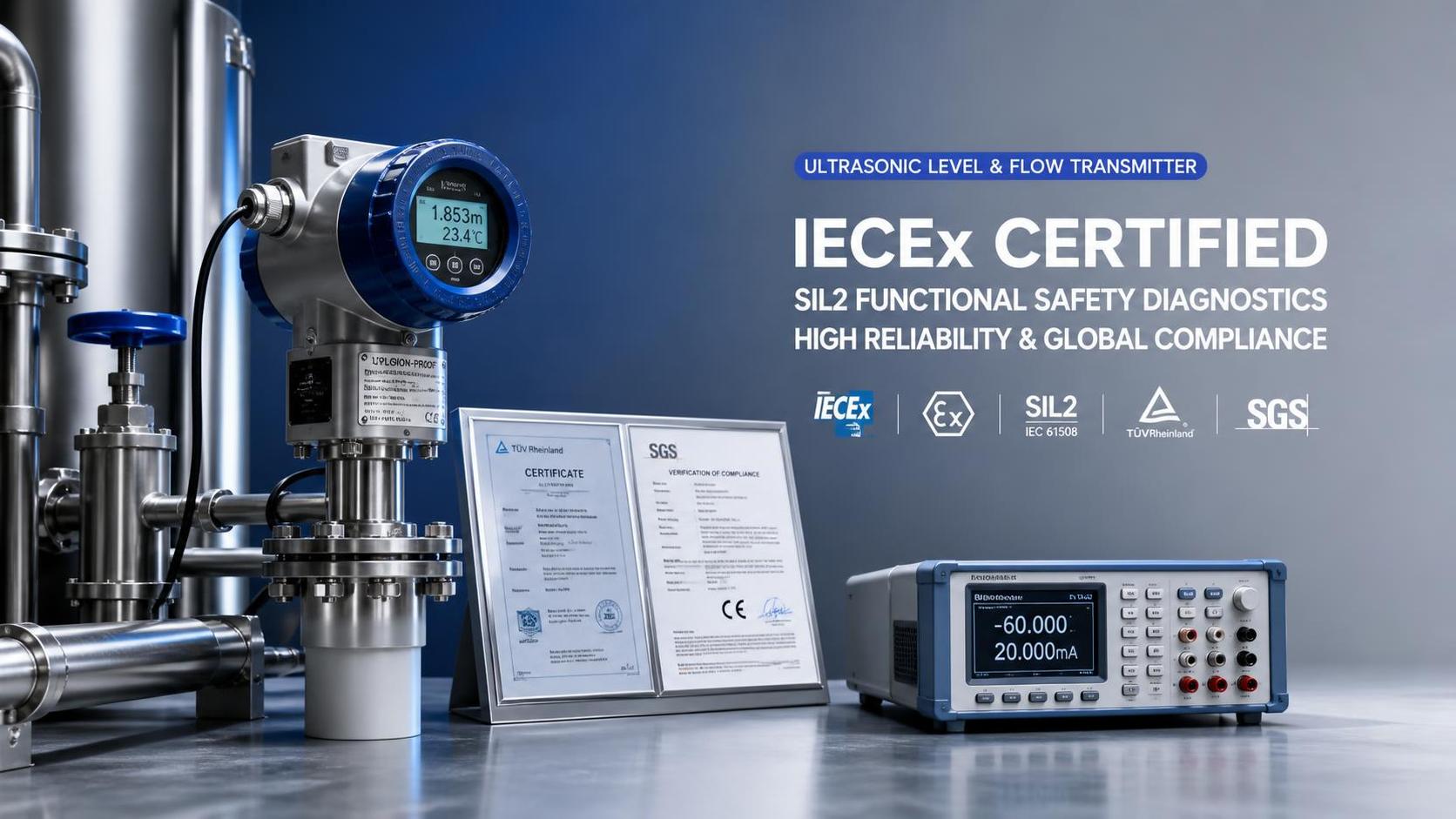
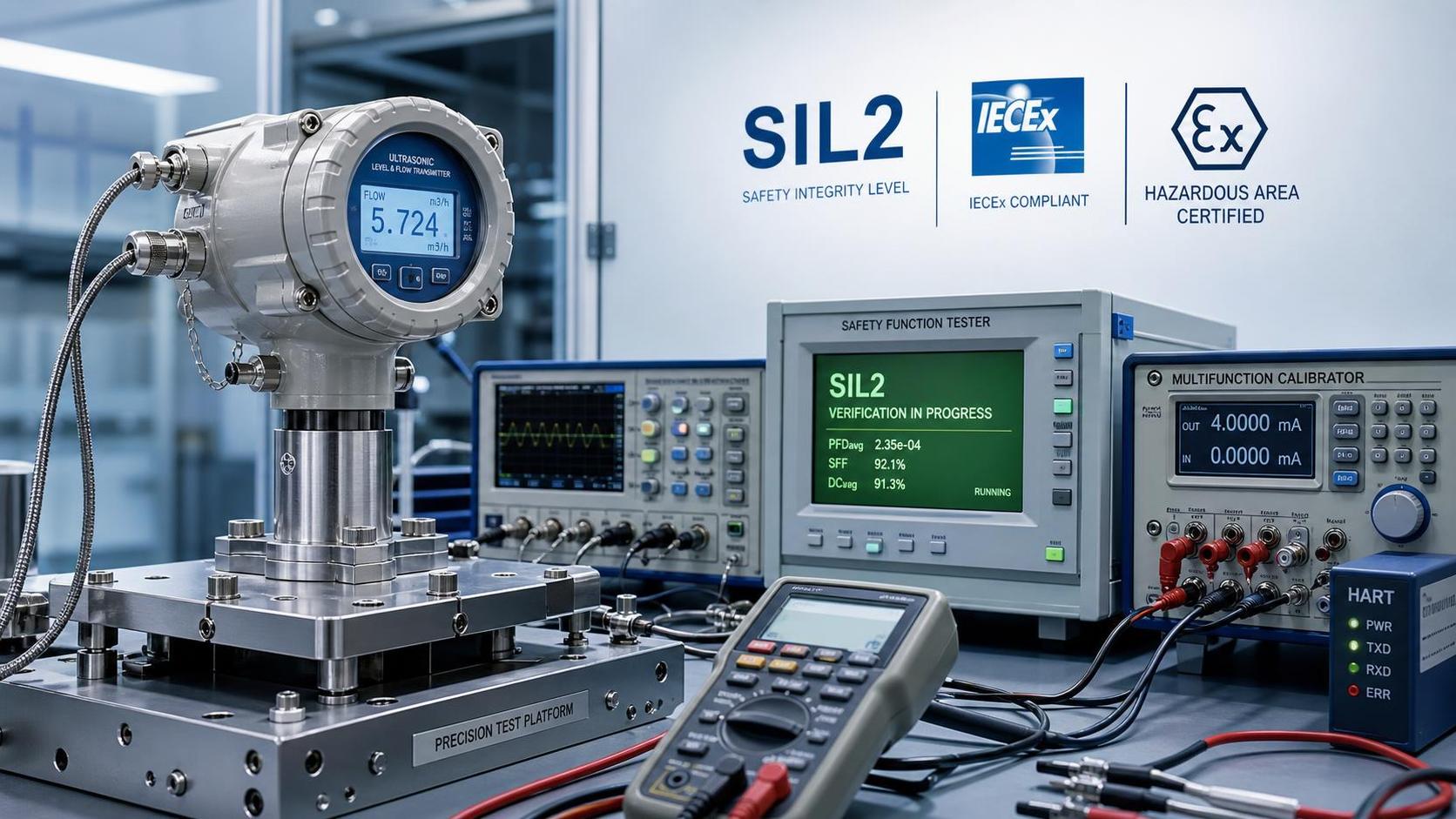
 New IECEx Rule Requires SIL2 Diagnostic Validation for Chinese Ultrasonic Transmitter ExportsIECEx rule update: SIL2 diagnostic validation is now required for Chinese ultrasonic transmitter exports. Learn how IEC 61508, 90% DC reports, and procurement risks affect bids and delivery.
 IECEx Rule Change Makes SIL2 Diagnostics Mandatory for Chinese Ultrasonic Transmitter ExportsIECEx now requires SIL2 diagnostics for Chinese ultrasonic transmitter exports, reshaping Ex d and Ex ia compliance. Learn what changes, who is affected, and how to stay ahead.
 IEC 61511-3:2026 Tightens SIL2 RulesIEC 61511-3:2026 tightens SIL2 rules for flow meters and pressure transmitters, adding HFT ≥ 1 and DC ≥ 90% requirements—see what suppliers, EPCs, and buyers must act on now.
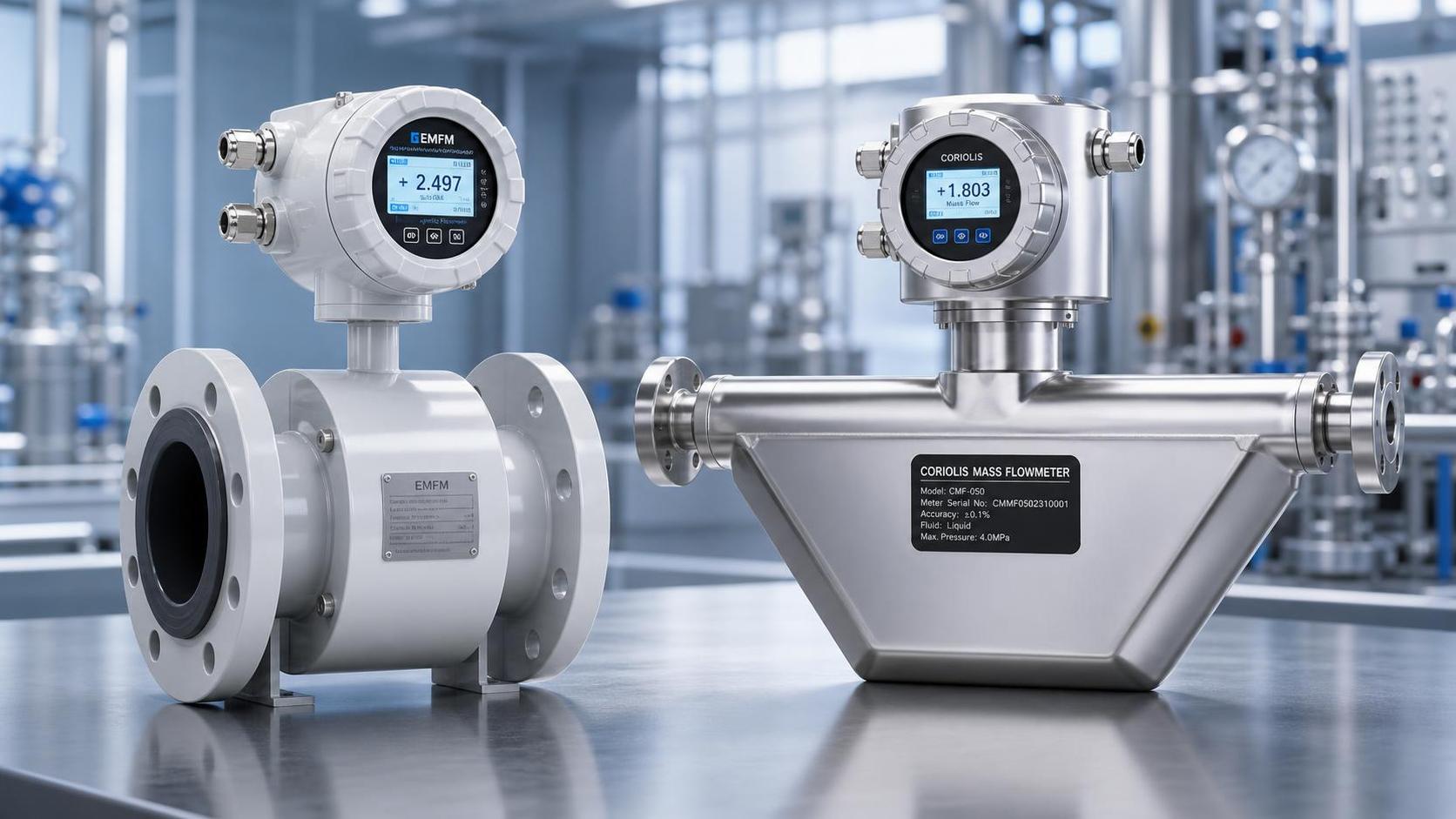
 Q2 2026 Flowmeter Export Prices Rise 9.3%Flowmeter export prices rose 9.3% in Q2 2026, driven by high-end electromagnetic and Coriolis models. See what this means for buyers, contracts, and budgets.
 Saudi SASO Tightens Pressure Instrument RulesSaudi SASO tightens pressure instrument rules from 2026-10-01. Learn how local testing and registration reshape compliance, lead times, and market access for exporters.
 Saudi SASO Ends China Type-Approval Route for Pressure InstrumentsSaudi SASO ends the China type-approval route for pressure instruments, requiring full lab testing from Oct 2026. Learn the cost, lead-time, and compliance impact now.
Chat Online