


The timing of the event is not specified in the source input, but the policy signal is clear: in June 2026, China’s standardization authority approved 375 new national standards, including new GB/T items tied to smart pressure transmitters and industrial electromagnetic flowmeter energy-efficiency evaluation. For companies involved in process automation, project bidding, certification review, technical procurement, and export delivery, this matters because the updated standards strengthen compatibility expectations with IEC 61508 and ISA-84, a change that may affect how instrument compliance is presented and assessed in industrial projects.
What Has Been Confirmed So Far
According to the provided information, 375 new national standards were approved in June 2026. Among them are standards identified as GB/T XXXX—2026 Smart Pressure Transmitter Communication Protocol and GB/T XXXX—2026 Energy Efficiency Evaluation Method for Industrial Electromagnetic Flowmeters, both of which relate directly to core instruments used in process automation.
The provided summary also states that the new standards strengthen compatibility requirements with IEC 61508 and ISA-84. Based on the same input, this is expected to improve the technical compliance recognition of Chinese smart instruments in overseas bidding for oil, chemical, and food industry projects.
Where the Rule Change May Be Felt First
Technical bidding and specification alignment may tighten
From an industry perspective, instrument manufacturers and export-oriented suppliers may be among the first to feel the effect because communication protocols, energy-efficiency evaluation, and compatibility language often appear in technical bid documents and project specifications. What deserves closer attention is whether compliance descriptions, test references, and product documentation need to align more closely with the newly approved GB/T framework when responding to project tenders.
Procurement teams may face more detailed document checks
For procurement functions in process industries and engineering projects, the practical impact may appear in vendor qualification, technical comparison, and document review. Analysis shows that where pressure and flow instruments are involved, buyers may pay closer attention to whether product files, performance claims, and supporting materials match the updated standards and the referenced compatibility expectations tied to IEC 61508 and ISA-84.
Testing and certification-related service providers may see changing demand
Testing bodies, certification support firms, and compliance service providers may also be affected because updated standards can change the focus of technical review and evidence preparation. Observably, the immediate issue is not a confirmed new certification regime in the provided input, but a likely increase in demand for standard interpretation, document mapping, and proof-of-conformity support around smart instrument products.
Delivery and after-sales teams may need stronger traceability support
For delivery, commissioning, and after-sales service teams, the effect may emerge through customer requests for clearer technical records and version consistency. If project owners or EPC contractors begin reflecting the new standards in procurement or acceptance materials, suppliers may need more disciplined control of manuals, test reports, protocol descriptions, and product traceability records during handover.
What Companies Should Watch Next
Review product files against the new standard language
Analysis shows that companies dealing in smart pressure and flow instrumentation should closely review technical files, protocol descriptions, energy-efficiency claims, and product literature against the newly approved standard direction described in the input. This is especially relevant for firms that compete in industrial project procurement or overseas tenders.
Track how compatibility is expressed in tenders and compliance reviews
What deserves closer attention is not only the publication of the standards themselves, but also how compatibility with IEC 61508 and ISA-84 is later reflected in bid documents, customer questionnaires, and qualification reviews. The input does not provide execution details, so this should be treated as a monitoring point rather than a confirmed implementation outcome.
Prepare supporting documents for procurement and export scenarios
Companies may need to check whether technical datasheets, testing materials, declarations of conformity, and bid attachments are sufficient for customers that ask for alignment with the new GB/T requirements. For export-facing businesses, the key issue is how domestic standard updates can be translated into clearer compliance narratives in overseas project submissions.
Watch supplier readiness and delivery coordination
Manufacturers, integrators, and sourcing teams should also monitor whether upstream and downstream partners can provide consistent technical documentation and updated product information. Observably, if procurement or qualification processes start referencing the new standards, weak coordination across suppliers could affect response speed and delivery confidence.
Why This Looks Like an Execution Signal
Analysis shows that this development is more appropriately understood as a standards-based execution signal than as a standalone market conclusion. The confirmed fact is the approval of new national standards and the stated strengthening of compatibility requirements with IEC 61508 and ISA-84. The broader commercial effect still depends on how these requirements are adopted in procurement practice, certification interpretation, technical reviews, and project tender documents.
From an industry perspective, the key reason to keep watching is that standard updates often become commercially meaningful only when they begin to shape qualification language, compliance expectations, and delivery evidence in real transactions. That transition is not fully described in the input and therefore remains a point for continued observation.
How This Update Is Best Understood Now
At this stage, the update is best understood as a concrete standards change with possible downstream effects on compliance presentation, technical bidding, procurement review, and export-facing credibility for smart instrumentation. It would be premature to treat it as proof of immediate market-wide implementation, but it is reasonable to view it as a practical signal that companies in process automation should review documentation, watch bid requirements, and follow how the standards are applied in actual project workflows.
Basis and Ongoing Verification
This article is generated from the user-provided news title, event timing note, and summary. The specific official source link was not provided in the input, so further verification is still needed against materials such as official announcements, regulator or standardization authority releases, industry association updates, standard organization documents, trade or customs-related notices, and reporting by authoritative media.
Further observation is still required on later implementation details, including official interpretation, compliance review practice, certification application approach, changes in tender documentation, industry feedback, and how companies execute the new requirements in procurement and delivery settings.


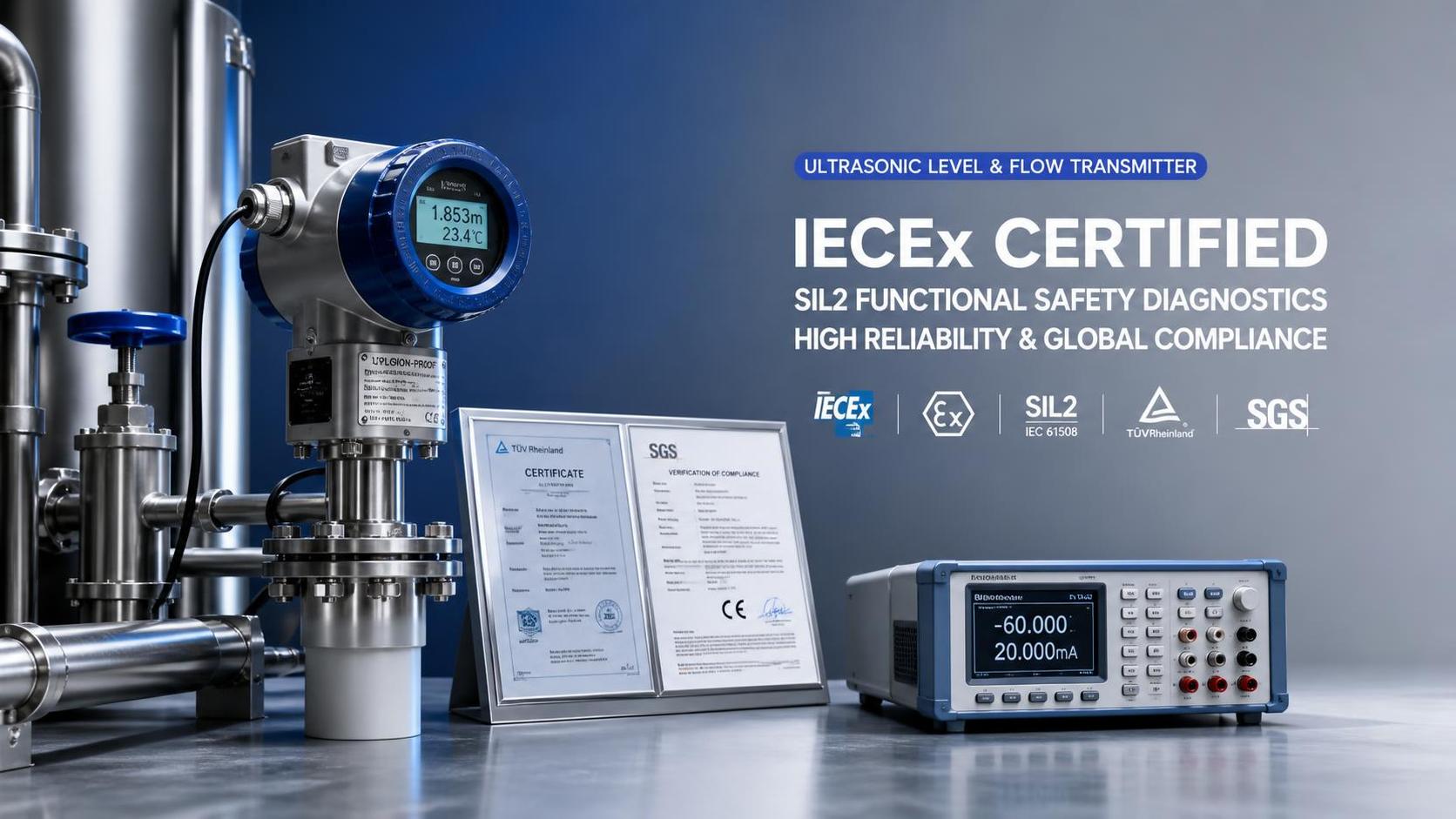
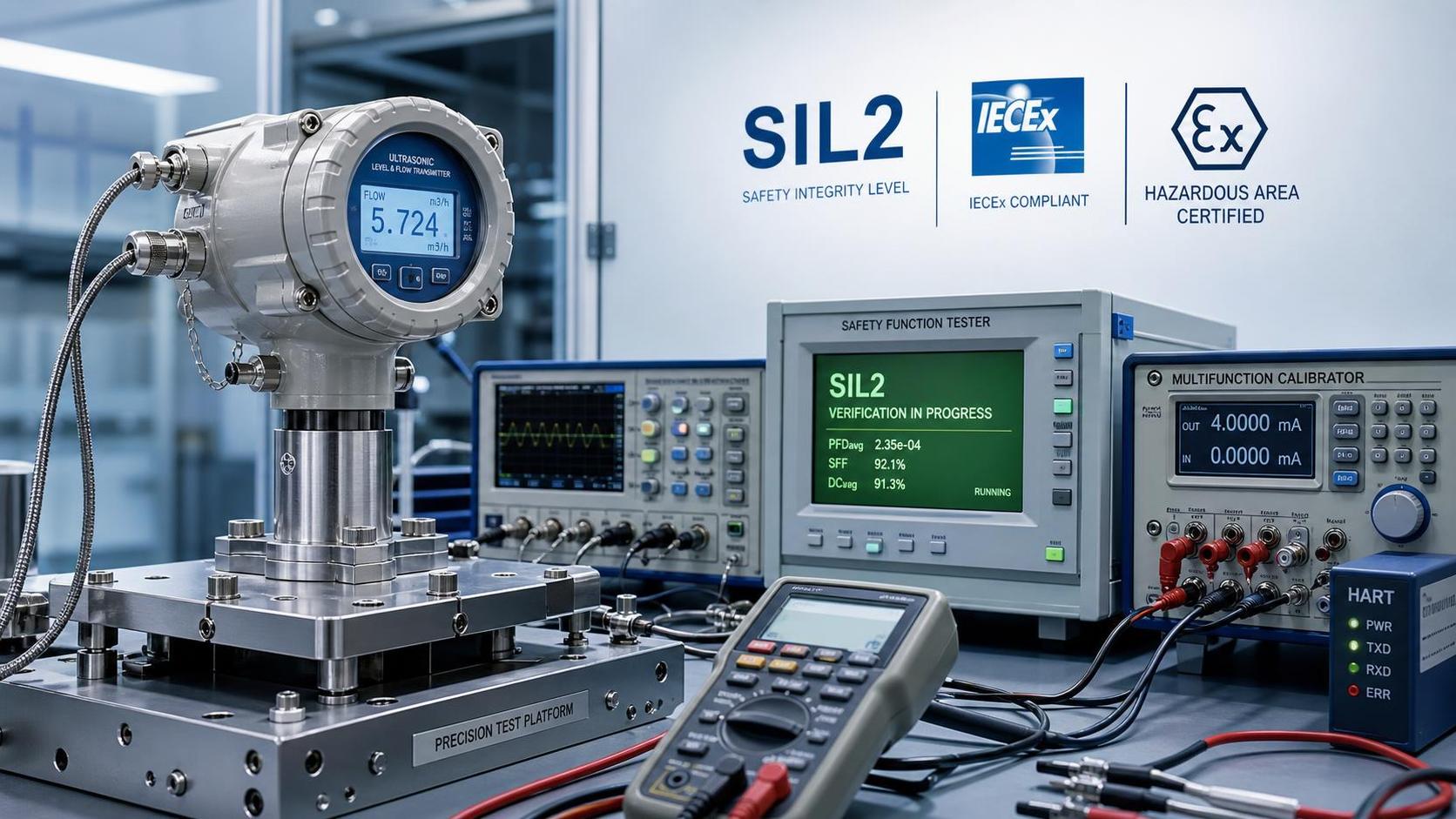
 New IECEx Rule Requires SIL2 Diagnostic Validation for Chinese Ultrasonic Transmitter ExportsIECEx rule update: SIL2 diagnostic validation is now required for Chinese ultrasonic transmitter exports. Learn how IEC 61508, 90% DC reports, and procurement risks affect bids and delivery.
 IECEx Rule Change Makes SIL2 Diagnostics Mandatory for Chinese Ultrasonic Transmitter ExportsIECEx now requires SIL2 diagnostics for Chinese ultrasonic transmitter exports, reshaping Ex d and Ex ia compliance. Learn what changes, who is affected, and how to stay ahead.
 IEC 61511-3:2026 Tightens SIL2 RulesIEC 61511-3:2026 tightens SIL2 rules for flow meters and pressure transmitters, adding HFT ≥ 1 and DC ≥ 90% requirements—see what suppliers, EPCs, and buyers must act on now.
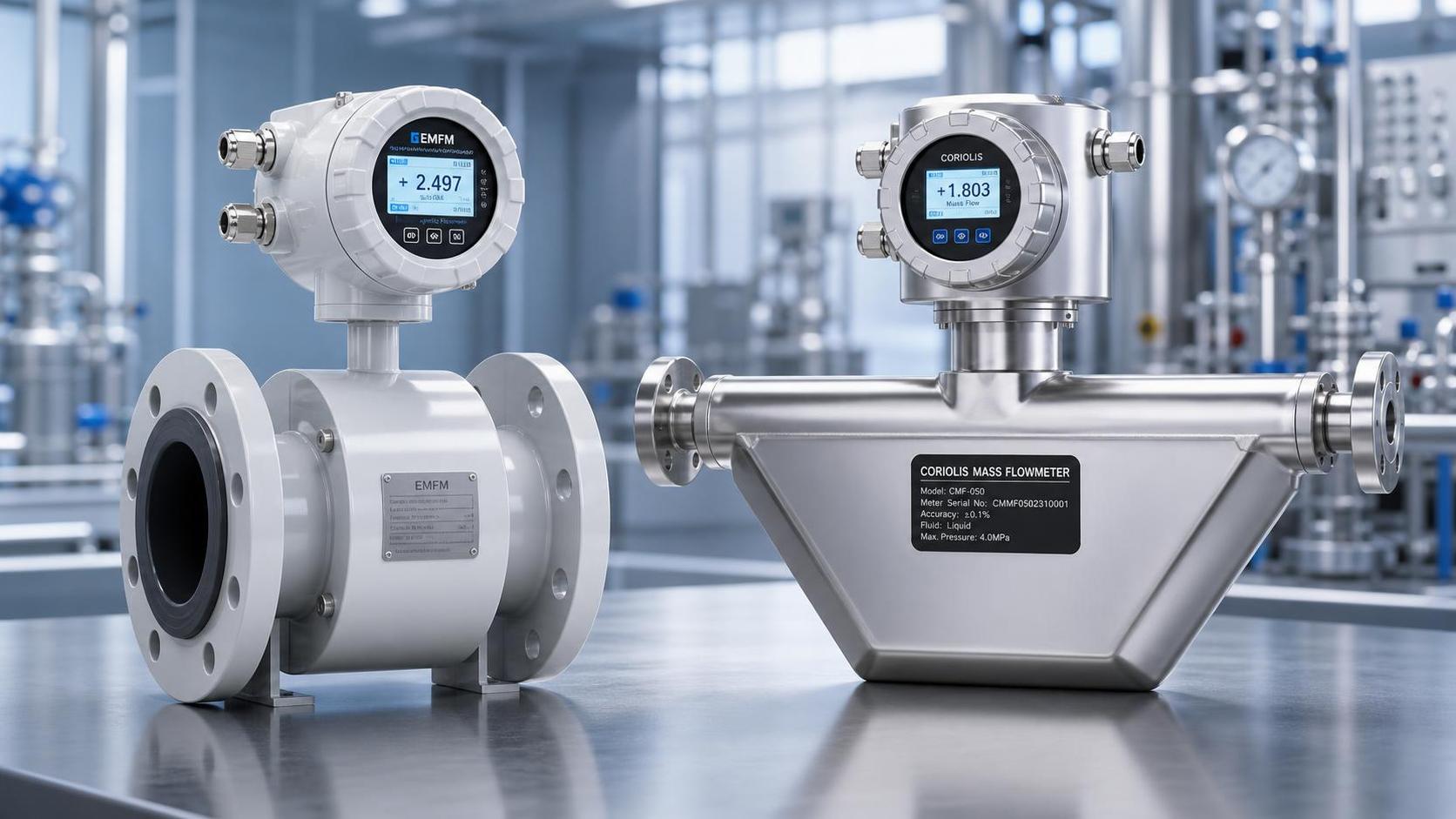
 Q2 2026 Flowmeter Export Prices Rise 9.3%Flowmeter export prices rose 9.3% in Q2 2026, driven by high-end electromagnetic and Coriolis models. See what this means for buyers, contracts, and budgets.
 Saudi SASO Tightens Pressure Instrument RulesSaudi SASO tightens pressure instrument rules from 2026-10-01. Learn how local testing and registration reshape compliance, lead times, and market access for exporters.
 Saudi SASO Ends China Type-Approval Route for Pressure InstrumentsSaudi SASO ends the China type-approval route for pressure instruments, requiring full lab testing from Oct 2026. Learn the cost, lead-time, and compliance impact now.
Chat Online