


Products
Contact Us
Get A Quote
Recommend
‹
›
‹
›
Product Description
Product Introduction
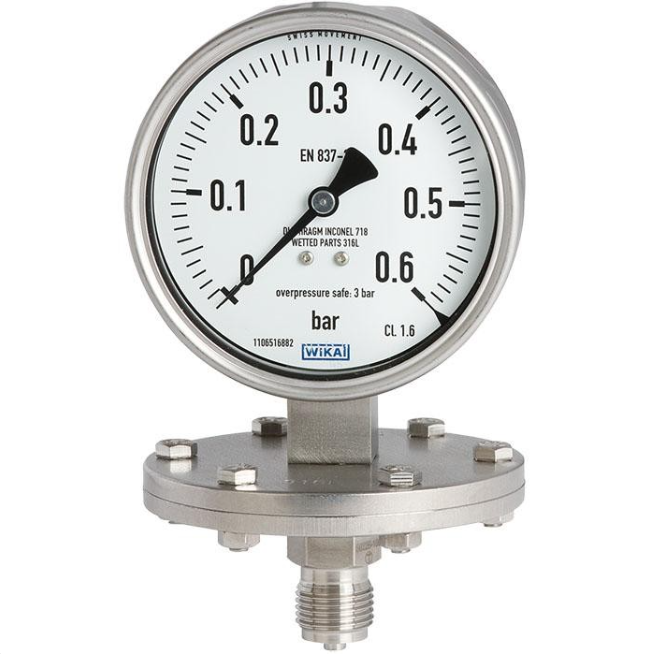
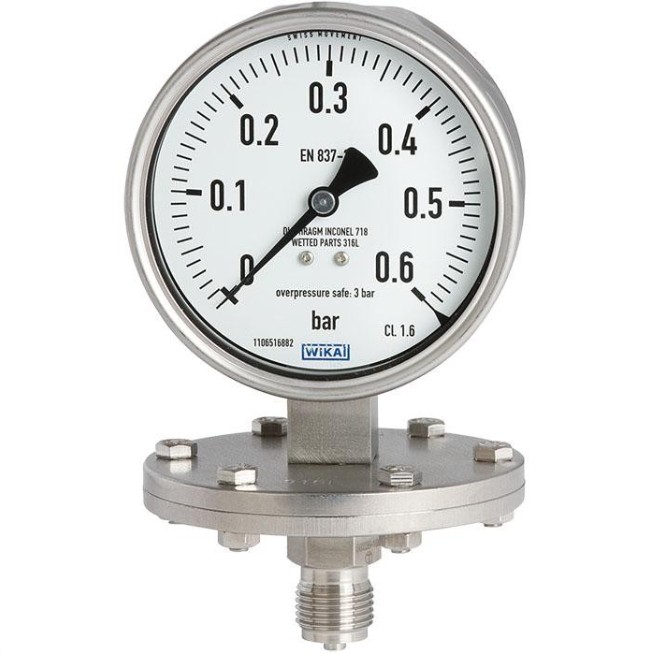
Diaphragm pressure gauges are best used in the low-pressure range. By using the large working surface of the circular corrugated diaphragm element, it is possible to reliably measure small pressure ranges.
The 432.50 diaphragm pressure gauge is manufactured according to the EN 837-3 standard. High quality design is particularly suitable for applications in the chemical and petrochemical industry, oil and gas industry, and power engineering.
The shell and stainless steel wet parts meet the high requirements for corrosion-resistant media. For particularly high resistance requirements, the pressure chamber of this diaphragm pressure gauge can be designed with various special materials, such as PTFE, tantalum, or Hastelloy.
Key Features
High overpressure resistance: diaphragm supports against flange, withstands 5–10× overload.
Superior corrosion resistance: full stainless steel; special materials for harsh chemicals.
Clog-free measurement: open flange design ideal for viscous, crystallizing, dirty media.
Reliable low-pressure performance: large diaphragm area ensures stable, accurate readings.
Industrial durability: shock & vibration resistant; suitable for chemical, petrochemical, oil & gas, power plants.
Special features
Case and wetted parts from stainless steel.
Wide choice of special materials.
Process connection thread or open flange.
Scale ranges from 0 … 16 mbar.
QR code on dial links to instrument-specific information.
Construction & Materials
Case: Stainless steel 1.4301 (304).
Wetted parts: Stainless steel 1.4571 (316Ti) / 316L.
Diaphragm: Corrugated stainless steel; optional PTFE, Hastelloy, Tantalum for extreme corrosion.
Process connection:Threaded: G ½ B male;Open flange: prevents clogging, easy cleaning (for dirty/viscous media);
Applications
For measuring locations with increased overload.
With liquid-filled case suitability for high dynamic pressure loads and vibrations (models 433.50, 433.30).
For gaseous, liquid and aggressive media, also in aggressive environments.
With open connecting flange also suitable for contaminated and viscous media.
Process industry: Chemical industry, petrochemical industry, oil and gas, power generation, water and wastewater technology, machine building and general plant construction.

Message
Products Recommended
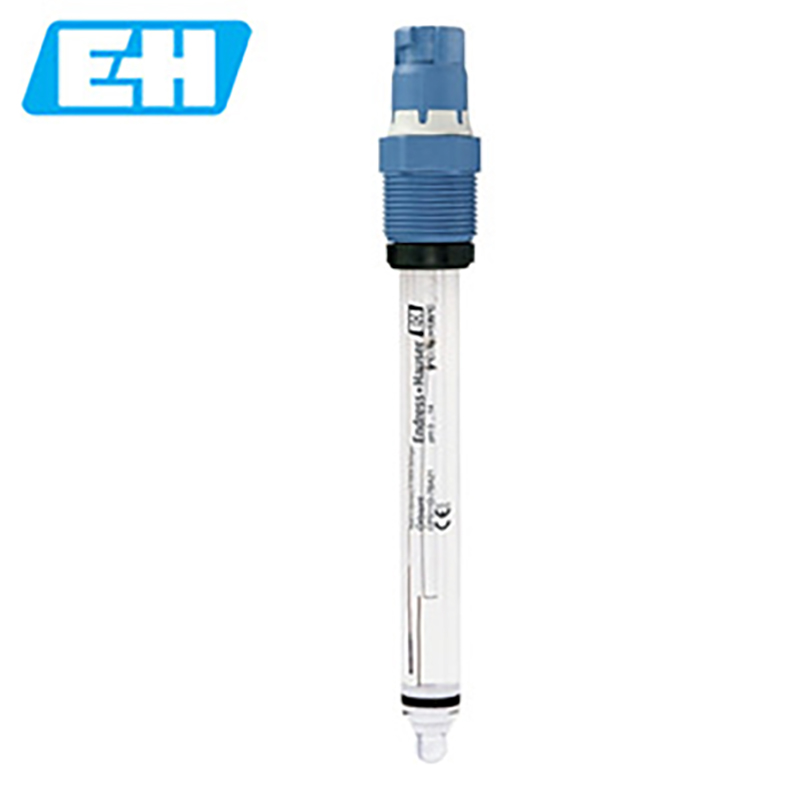
 Endress+Hauser CPS92E Memosens Digital pH Electrode Orbisint pH Sensor For Clean Water Process
 Original E+H CPS71E Digital pH Probe Memosens pH Electrode Industrial Liquid Analysis Sensor
 Endress+Hauser CPS16E Industrial pH/ORP Sensor Electrode for Process Measurement
 Endress+Hauser CPS11E Digital pH Sensor Electrode for Industrial Process Measurement
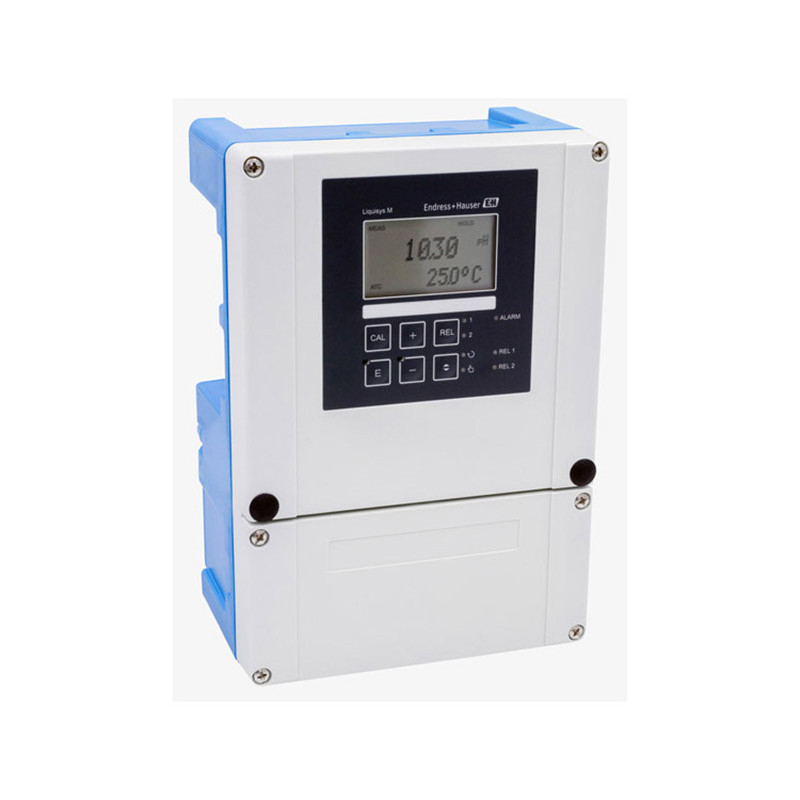
 Endress+Hauser Liquisys CPM225 pH/ORP Transmitter E+H Liquid Analysis Transmitter
 Endress+Hauser CPF82E pH/ORP Analog Sensor Industrial Liquid Measurement pH Electrode
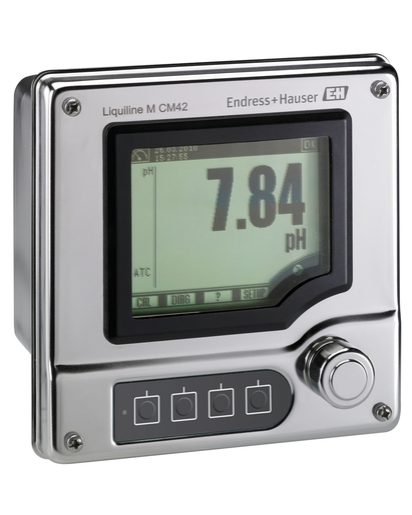
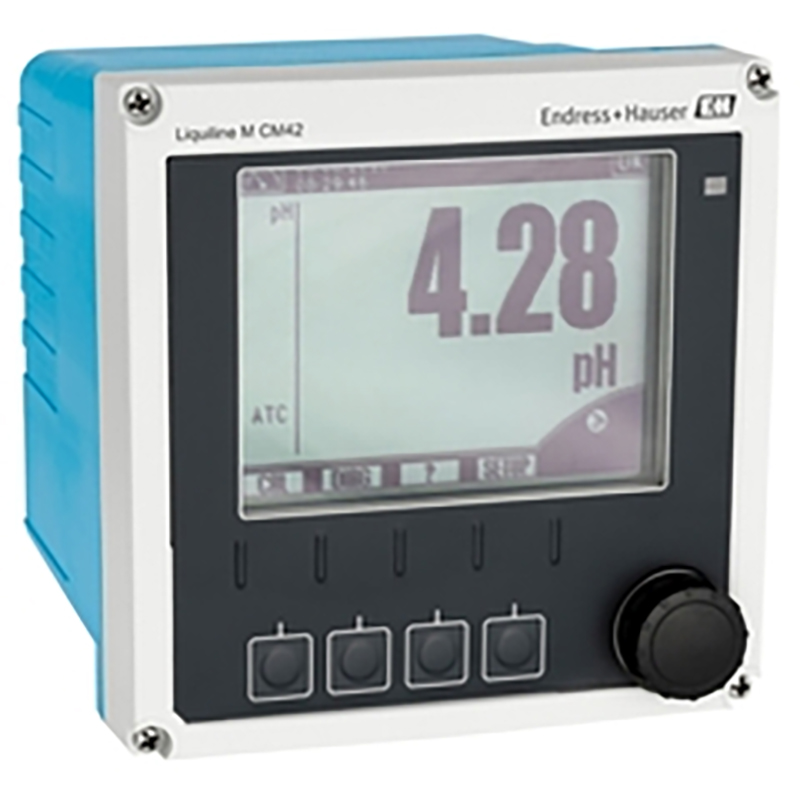
 Original Endress+Hauser CM42B Liquiline M Single Channel Liquid Analysis Transmitter
 ndress+Hauser Liquiline M CM42 Single-Channel Liquid Analysis Transmitter CM42 pH/ORP/Conductivity/Dissolved Oxygen TransmitterEndress+Hauser
 Original Endress+Hauser Deltapilot FMB51 Hydrostatic Level Transmitter 4-20mA HART Level Sensor
 Endress+Hauser Levelflex FMB53 Guided Radar Level Transmitter Hygienic Liquid Level Meter
![]() 压力系列价格查询
压力系列价格查询

Chat Online