


Products
Contact Us
Get A Quote
Recommend
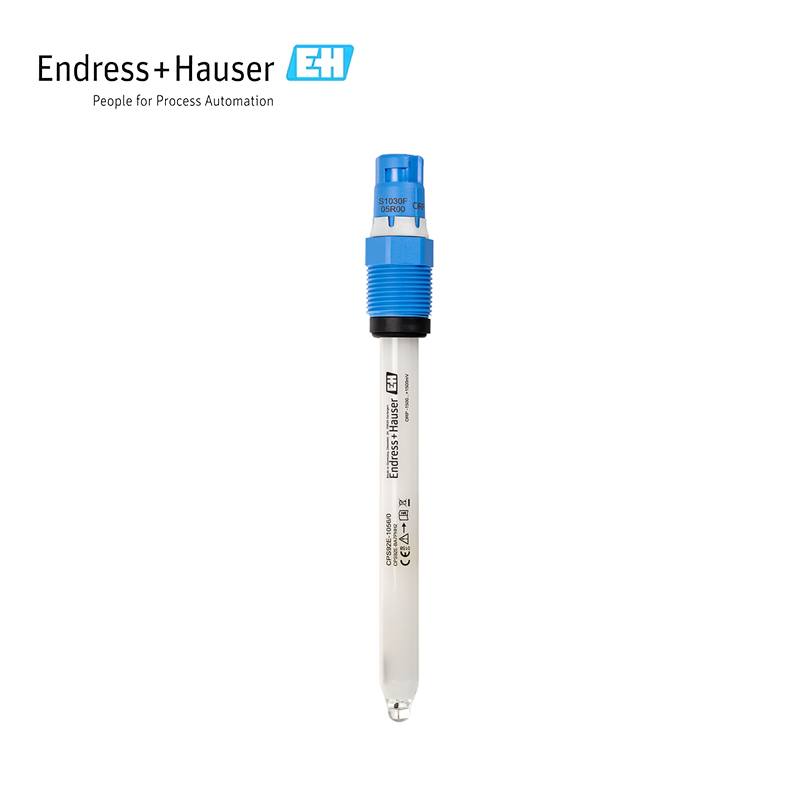
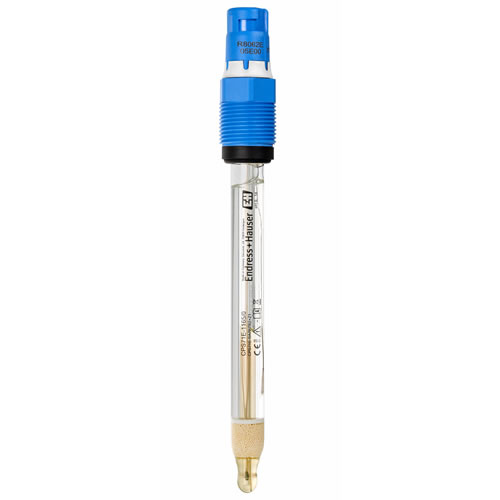
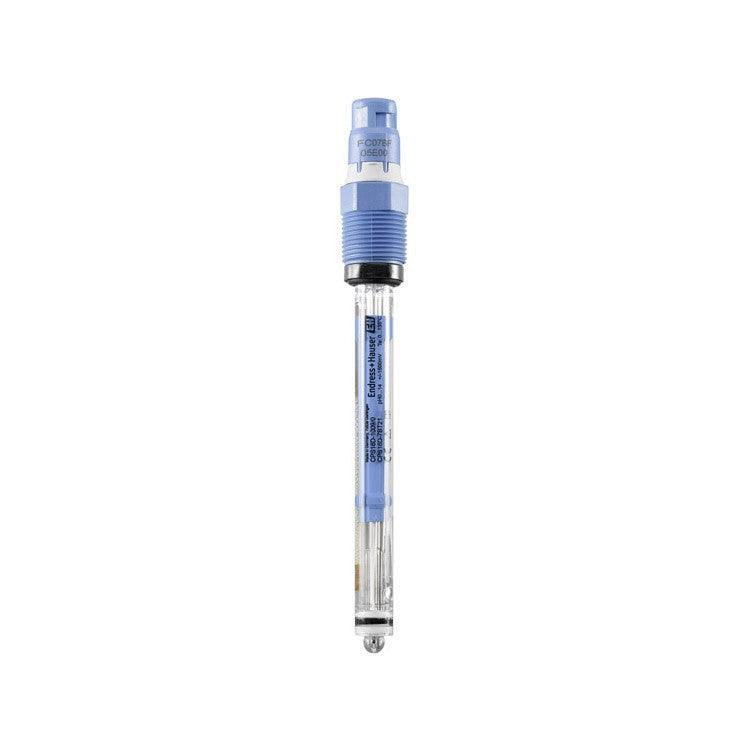
‹
›
‹
›
Product Description
Description
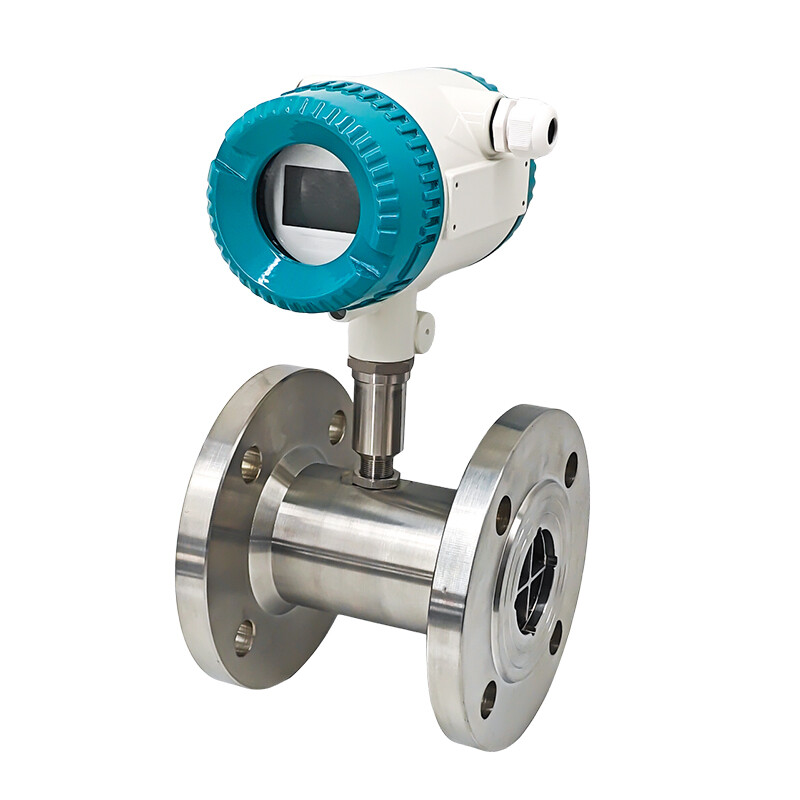
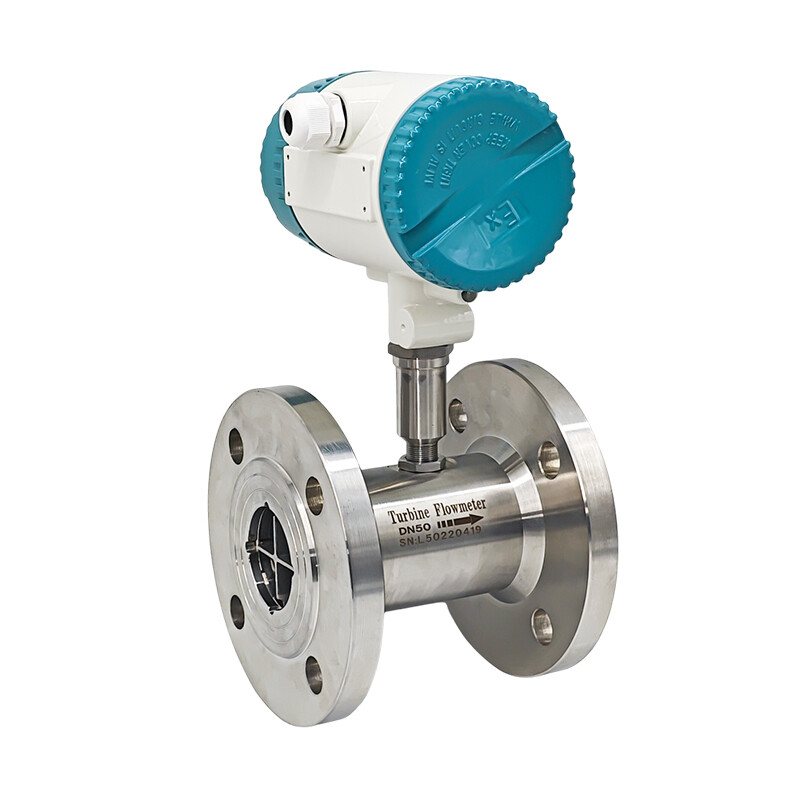
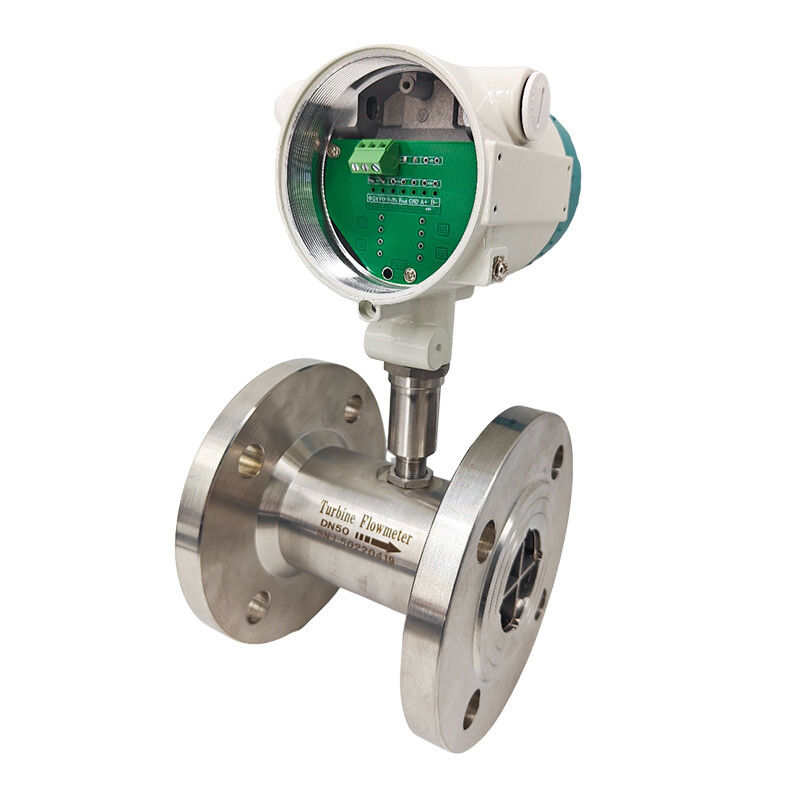
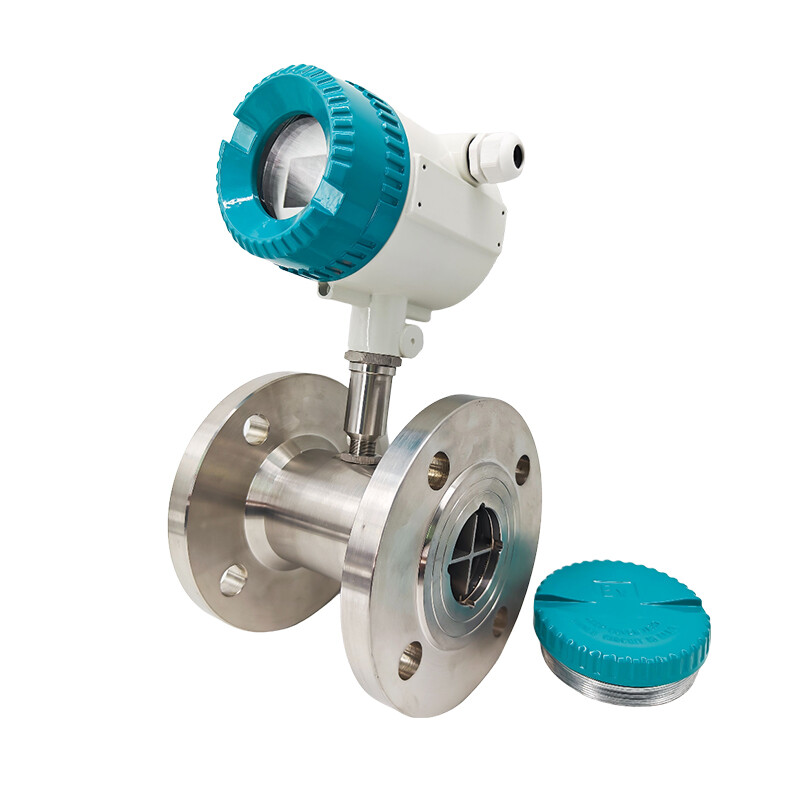
The intelligent liquid turbine flowmeter is a new type of intelligent instrument developed using advanced ultra-low power single-chip microcomputer technology, which integrates turbine flow sensors and display integration. It has obvious advantages such as compact structure, intuitive and clear readings, high reliability, no external power interference, lightning resistance, and low cost.
Working Principle
The working principle of a liquid turbine flowmeter is based on the power of the fluid driving the turbine blades to rotate, and its rotational speed is approximately proportional to the volumetric flow rate. When the fluid passes through the pipeline, it impacts the turbine blades, generating a driving torque that causes the turbine to overcome friction torque and fluid resistance torque and rotate. Within a certain flow range, the rotational angular velocity of the turbine is proportional to the fluid flow velocity, so the fluid flow through the pipeline can be calculated based on the rotational angular velocity of the turbine.
Structure and Components:
Turbine: When fluid flows, it drives the turbine to rotate, and the speed of the turbine is proportional to the flow rate.
Sensor: Used to detect the speed of the turbine, common sensors include Hall sensors and photoelectric sensors.
Display: Convert the signal output by the sensor into a readable flow value, usually displayed in digital or analog form.
Application:
Oil and natural gas: used to measure the flow rate of oil and gas, ensuring the efficiency and safety of the production process.
Chemical industry: Accurate measurement of liquid flow rate is crucial in chemical reactions and material transportation.
Water treatment: used to monitor water flow and help optimize the use of water resources.
Food and beverages: Ensure accurate proportioning of liquid components during the production process.
Characteristic:
High precision: The measurement accuracy is usually within ± 0.5%, suitable for situations that require high-precision flow measurement.
Quick response: The rotation speed and flow rate of the turbine respond quickly, making it suitable for dynamic flow measurement.
Wide applicability: It can measure various liquids, including water, oil, chemical solutions, etc.
Simple maintenance: The structure is relatively simple, and maintenance and calibration are relatively easy.
Contact

Message
Products Recommended
 Endress+Hauser CPS92E Memosens Digital pH Electrode Orbisint pH Sensor For Clean Water Process
 Original E+H CPS71E Digital pH Probe Memosens pH Electrode Industrial Liquid Analysis Sensor
 Endress+Hauser CPS16E Industrial pH/ORP Sensor Electrode for Process Measurement
 Endress+Hauser CPS11E Digital pH Sensor Electrode for Industrial Process Measurement
 Endress+Hauser Liquisys CPM225 pH/ORP Transmitter E+H Liquid Analysis Transmitter
 Endress+Hauser CPF82E pH/ORP Analog Sensor Industrial Liquid Measurement pH Electrode
 Original Endress+Hauser CM42B Liquiline M Single Channel Liquid Analysis Transmitter
 ndress+Hauser Liquiline M CM42 Single-Channel Liquid Analysis Transmitter CM42 pH/ORP/Conductivity/Dissolved Oxygen TransmitterEndress+Hauser
 Original Endress+Hauser Deltapilot FMB51 Hydrostatic Level Transmitter 4-20mA HART Level Sensor
 Endress+Hauser Levelflex FMB53 Guided Radar Level Transmitter Hygienic Liquid Level Meter
![]() 压力系列价格查询
压力系列价格查询

Chat Online