


There is a given continuous functional relationship (usually a linear function) between the output signal of the pressure transmitter and the pressure variable. In order to ensure that the transmitter you choose meets the requirements of the site, there are several points to pay attention to when selecting the model:
1. Types of pressure measurement: pressure types mainly include gauge pressure, absolute pressure, differential pressure, etc.; gauge pressure refers to the pressure that is less than or greater than atmospheric pressure based on atmospheric pressure; absolute pressure refers to the absolute pressure zero position as the reference , the pressure above the absolute pressure zero; differential pressure refers to the difference between two pressures.
2. Accuracy level: The measurement error of the transmitter is divided according to the accuracy level. In the actual use process, it is selected according to the demand for measurement error and based on the principle of applicable economy.
3. Maximum overload of the system: The maximum overload of the system should be less than the overload protection limit of the transmitter, otherwise it will affect the service life of the product or even damage the product. The overload protection of 2 times the measuring range is the standard equipment of our company's products (it can also be customized according to customer requirements).
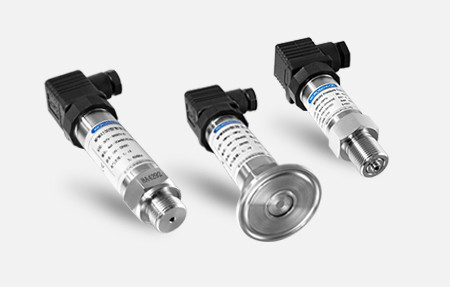
4. Measuring range: Generally, the actual measured pressure is 80% of the measuring range.
5. Working temperature range: The temperature of the measuring medium should be maintained within the temperature range where the pressure transmitter can work normally. If the temperature exceeds the applicable range, the error will become large and the service life of the instrument will be shortened accordingly; During the production process of the transmitter, the temperature effect will be measured and compensated to ensure that the measurement error of the product affected by the temperature is within the range of accuracy requirements. In places where the temperature is high, you can consider choosing a high-temperature pressure transmitter or adopting auxiliary cooling methods such as installing a condenser tube (device) and a radiator.
6. Compatibility between measuring medium and contacting material: In some application places, because the measuring medium is corrosive, it is necessary to use materials compatible with the measuring medium or perform special process treatment to ensure that the transmitter is not damaged.
7. Pressure interface method: Generally, the threaded connection (M20×1.5) is the standard interface method for products.
8. Power supply and output signal: usually 24V power supply, output signal includes 4~20mADC, 0~5VDC, 1~5VDC, 0~10VDC, etc.
The selection of pressure transmitters is mainly based on the type of measured pressure, accuracy level, and measurement range. After determining the manufacturer and model of the transmitter used, determine the range of the transmitter according to the requirements of use. When selecting the range, the principles of adjustable range up and down, highest precision, and suitable price should be considered comprehensively.
Contact:


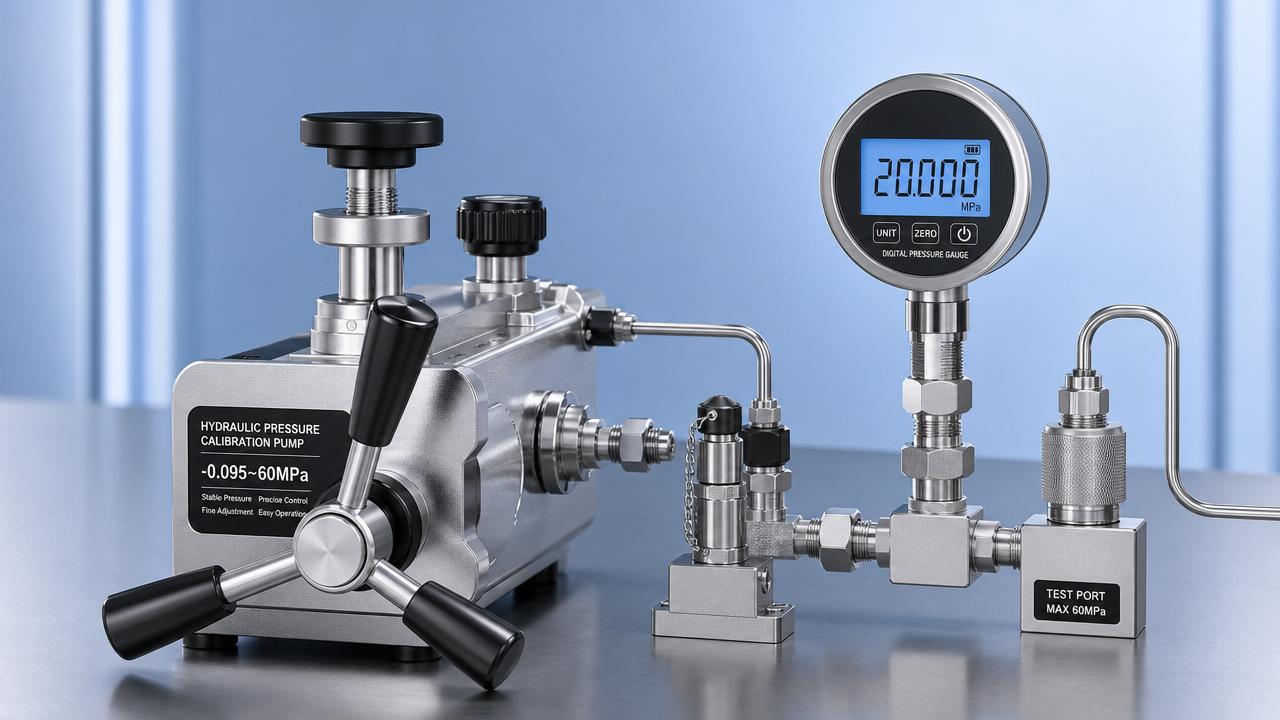
 How to Read Hydraulic Calibration Pump Specifications CorrectlyHydraulic calibration pump specifications explained clearly: learn how to assess pressure range, stability, fine control, and compatibility to choose the right pump with confidence.
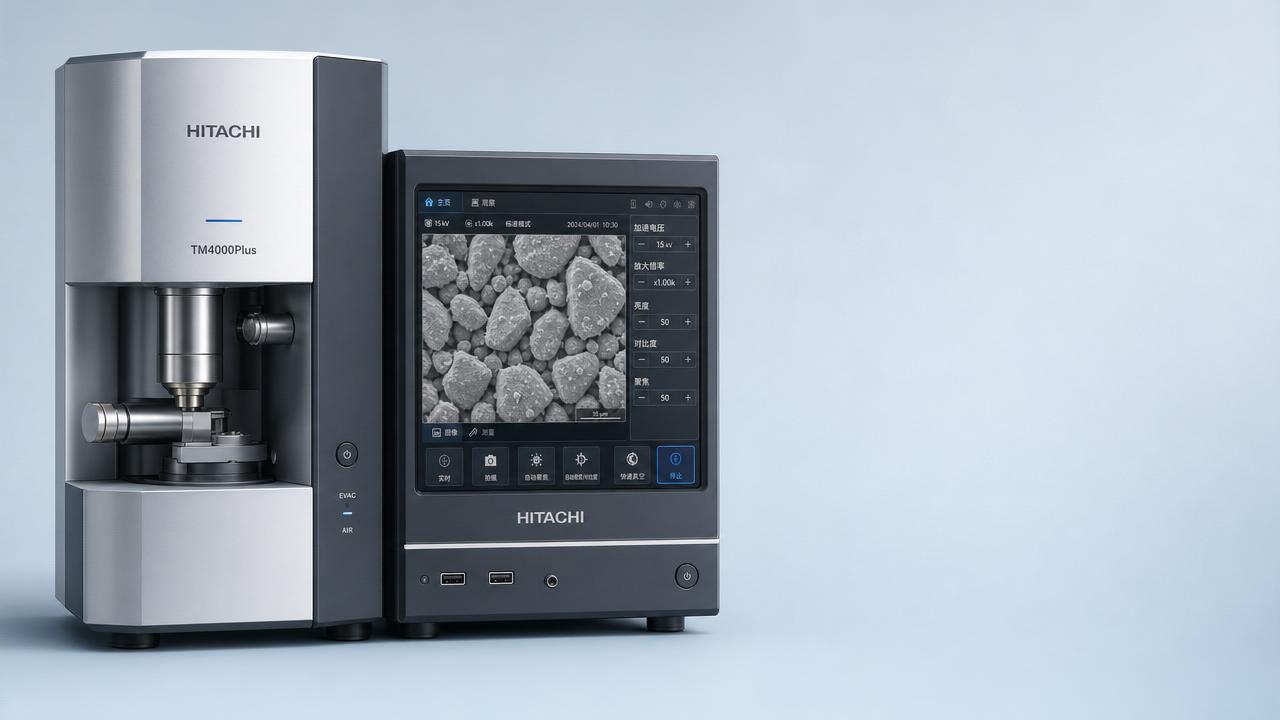
 Hitachi Benchtop SEM Sales Surpass 6,000 Units GloballyHitachi benchtop SEM sales exceed 6,000 units globally—driven by intuitive UIs, cryogen-free operation & one-click EDS. Discover why labs worldwide are choosing accessibility without compromise.
 First Domestic High-Resolution GD-MS Delivered CommerciallyGD-MS 3000: First domestic high-resolution GD-MS commercially delivered to Germany — validating trace impurity analysis for EU RoHS/REACH compliance in metals & semiconductors.
 CISILE 2026 Pre-Show Orders Exceed RMB 1.2B; Domestic Mass Spectrometers, Raman Spectrometers Gain TractionCISILE 2026 pre-show orders exceed RMB 1.2B—Chinese mass spectrometers & Raman spectrometers surge in global demand. Discover key export insights now!
![]() Laowa APS-C Fisheye Lens Launch: Industrial Imaging Export ExpansionLaowa APS-C fisheye lens launch: world’s first zoom fisheye for industrial imaging, VR capture & drone surveying — precision optics export expansion.
Laowa APS-C Fisheye Lens Launch: Industrial Imaging Export ExpansionLaowa APS-C fisheye lens launch: world’s first zoom fisheye for industrial imaging, VR capture & drone surveying — precision optics export expansion. MIIT Approves 690 New Industry Standards, Including AI Deep Synthesis Image System SpecificationMIIT's new AI Deep Synthesis Image System Specification impacts instrument manufacturers—learn how it affects smart gauges, thermal imagers & spectrometers for global markets.

Chat Online