


On May 13, 2026, Laowa will globally launch the CF 4.5–10mm F2.8 — the world’s first APS-C format zoom fisheye lens — with targeted applications in industrial vision calibration, VR content capture, and drone-based surveying. This release signals a measurable shift in China’s precision optical manufacturing capability toward high-reliability imaging instrumentation for professional export markets.
Event Overview
Laowa will officially release the CF 4.5–10mm F2.8 fisheye lens on May 13, 2026. It is the first APS-C format zoom fisheye lens available globally. The lens features an all-metal construction and rigorous thermal drift compensation design. It has passed Japan’s JIS B 7153 vibration testing standard. Its intended use cases include industrial vision system calibration, VR content acquisition, and UAV-based mapping and surveying.
Impact on Specific Industry Segments
Industrial Vision System Integrators
Why affected: The lens is explicitly validated for industrial vision calibration — a critical step in automated inspection, robotic guidance, and metrology systems. Its thermal stability and mechanical robustness directly affect system uptime and recalibration frequency.
Primary impact: Potential reduction in field validation time for fisheye-based calibration workflows; possible re-evaluation of lens selection criteria where wide-angle distortion tolerance and environmental resilience are prioritized.
VR Content Production Studios (Hardware-Integrated)
Why affected: VR acquisition pipelines increasingly rely on compact, multi-lens rigs for 360° or 180° stereoscopic capture. An APS-C zoom fisheye offers greater framing flexibility and sensor compatibility than fixed focal length alternatives.
Primary impact: May influence rig design choices for mid-tier VR production setups, especially those balancing cost, weight, and optical consistency across multiple camera units.
Drone-Based Geospatial Service Providers
Why affected: UAV mapping and photogrammetry benefit from ultra-wide lenses that maximize ground coverage per frame while maintaining geometric fidelity under dynamic flight conditions.
Primary impact: The lens’s vibration resistance and thermal compensation may support more reliable data capture in variable ambient conditions — relevant for commercial surveying contracts requiring repeatable image geometry.
Optical Component Distributors & Resellers (B2B Focus)
Why affected: This product targets professional verticals rather than consumer photography. Its distribution channel will likely emphasize technical support, integration documentation, and application-specific validation — not retail packaging or influencer marketing.
Primary impact: May require updated sales enablement materials focused on MTF performance at extreme angles, distortion mapping profiles, and compatibility with common machine vision SDKs or drone gimbal mounts.
What Relevant Enterprises or Practitioners Should Monitor and Act On
Track official technical specifications and calibration documentation post-launch
The lens’s utility in industrial vision depends on published distortion models, reprojection error metrics, and temperature-dependent performance curves. These documents — not just marketing claims — will determine real-world integration effort.
Assess compatibility with existing hardware ecosystems before procurement planning
Compatibility with specific camera models (e.g., Sony ZV-E1, Fujifilm X-H2S), gimbal interfaces (e.g., DJI RS series), and vision libraries (e.g., HALCON, OpenCV distortion correction modules) should be verified early — especially given its APS-C native design and non-standard zoom range.
Distinguish between certification compliance and field-deployed reliability
JIS B 7153 vibration testing confirms mechanical durability under controlled lab conditions. Observably, long-term operational reliability in UAV or outdoor industrial environments remains unconfirmed and requires independent validation by end users.
Monitor regional import classification and regulatory alignment
As an imaging instrument intended for industrial use — not consumer photography — customs classification, CE/UKCA marking scope, and export control considerations (e.g., dual-use potential in surveying) may differ from standard photographic lenses. Importers should verify tariff codes and conformity assessment pathways ahead of bulk orders.
Editorial Perspective / Industry Observation
Analysis shows this launch is less about expanding Laowa’s consumer lens portfolio and more about validating China’s capacity to deliver optomechanical subsystems meeting stringent industrial instrumentation requirements. It reflects a strategic pivot from component-level manufacturing toward vertically integrated, application-validated optical modules. Observably, it functions primarily as a signal — not yet a proven market shift — indicating growing technical readiness among select Chinese optical firms to serve high-assurance B2B verticals. From an industry perspective, sustained relevance hinges on third-party adoption evidence, not just product availability.
Consequently, the broader significance lies not in the lens itself, but in what its design priorities reveal: thermal compensation, vibration resilience, and metrological traceability are now being treated as baseline engineering requirements — not optional enhancements — for certain export-oriented optical products.
Concluding, this event is best understood as an inflection point in specialization: Chinese optical manufacturers are incrementally shifting from volume-driven optics supply to mission-critical imaging instrumentation development. Current interpretation should emphasize capability demonstration over immediate market disruption — with ongoing verification of real-world deployment outcomes remaining essential.
Source: Official announcement by Laowa (scheduled for May 13, 2026); referenced test standard: JIS B 7153 (2019 edition).
Note: Technical documentation, regional certification status, and third-party integration reports are pending post-launch and remain under observation.


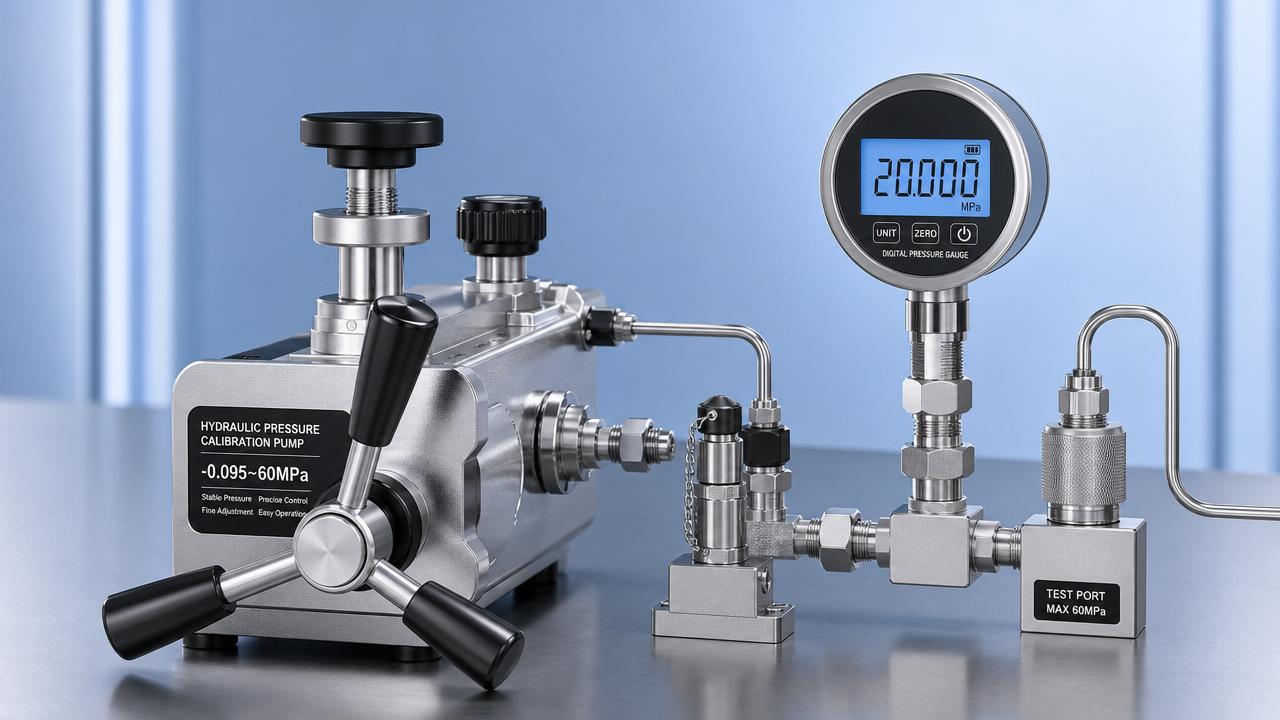
 How to Read Hydraulic Calibration Pump Specifications CorrectlyHydraulic calibration pump specifications explained clearly: learn how to assess pressure range, stability, fine control, and compatibility to choose the right pump with confidence.
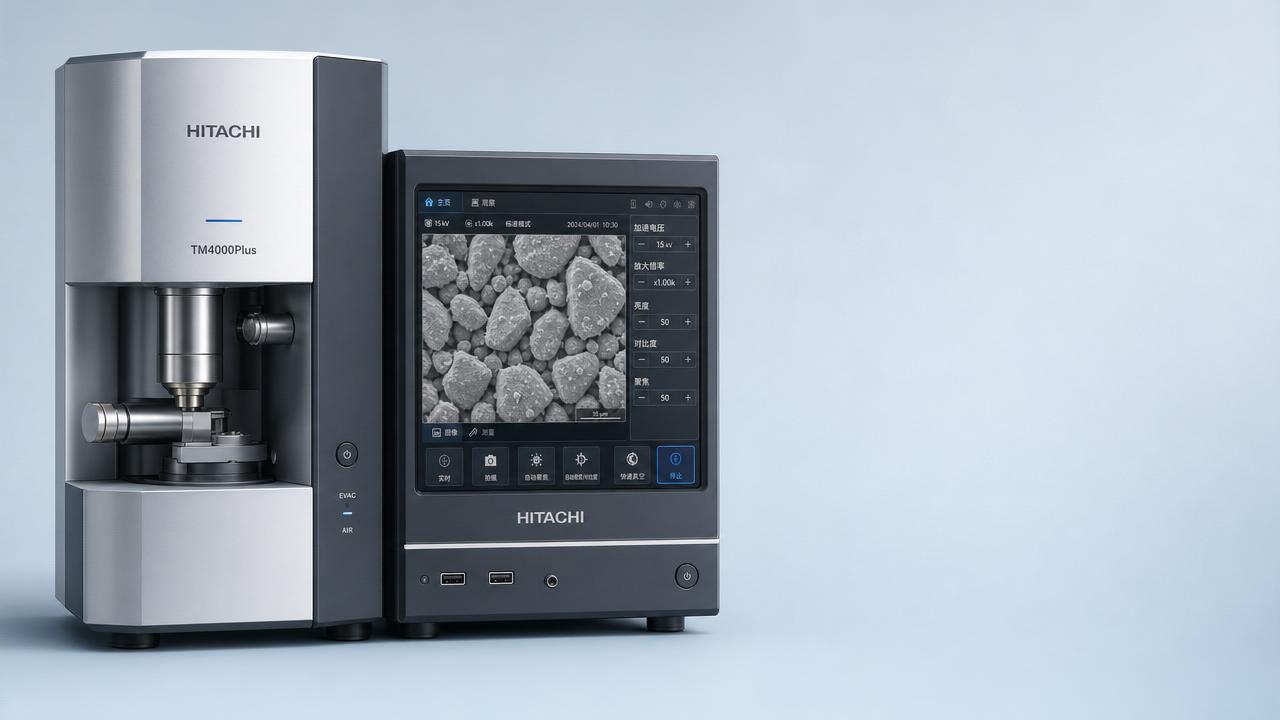
 Hitachi Benchtop SEM Sales Surpass 6,000 Units GloballyHitachi benchtop SEM sales exceed 6,000 units globally—driven by intuitive UIs, cryogen-free operation & one-click EDS. Discover why labs worldwide are choosing accessibility without compromise.
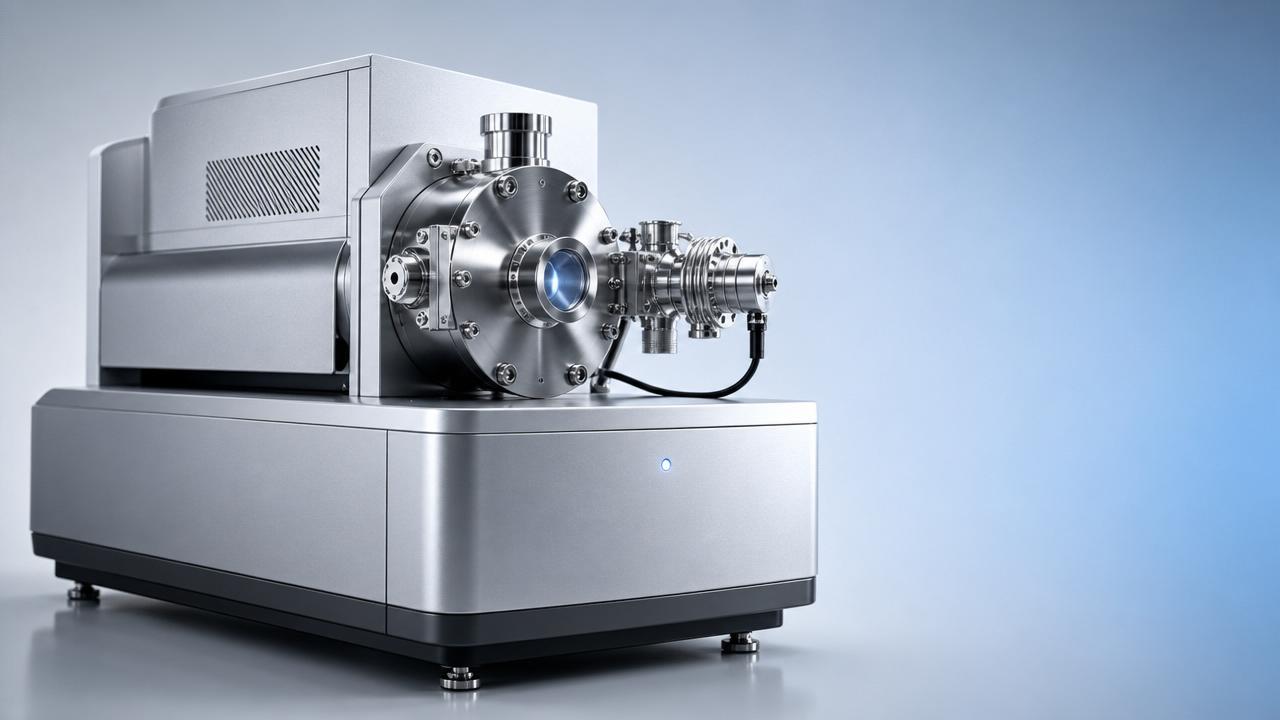
 First Domestic High-Resolution GD-MS Delivered CommerciallyGD-MS 3000: First domestic high-resolution GD-MS commercially delivered to Germany — validating trace impurity analysis for EU RoHS/REACH compliance in metals & semiconductors.
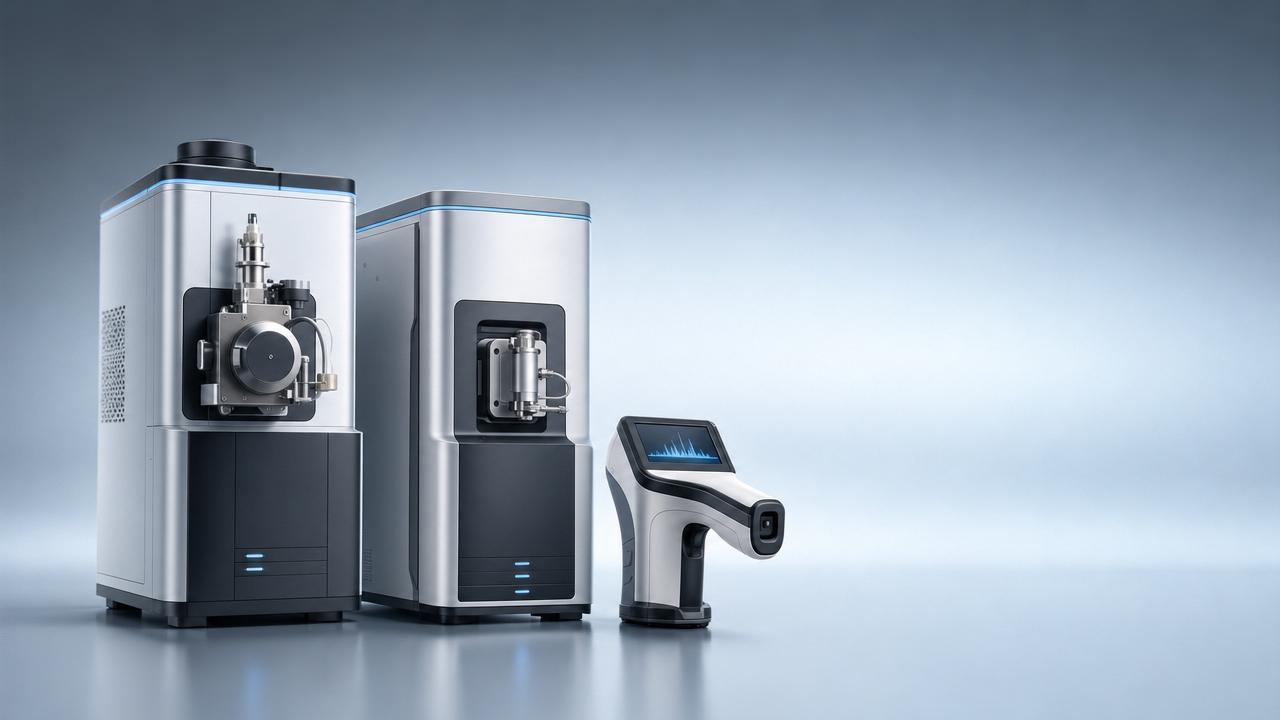
 CISILE 2026 Pre-Show Orders Exceed RMB 1.2B; Domestic Mass Spectrometers, Raman Spectrometers Gain TractionCISILE 2026 pre-show orders exceed RMB 1.2B—Chinese mass spectrometers & Raman spectrometers surge in global demand. Discover key export insights now!
![]() Laowa APS-C Fisheye Lens Launch: Industrial Imaging Export ExpansionLaowa APS-C fisheye lens launch: world’s first zoom fisheye for industrial imaging, VR capture & drone surveying — precision optics export expansion.
Laowa APS-C Fisheye Lens Launch: Industrial Imaging Export ExpansionLaowa APS-C fisheye lens launch: world’s first zoom fisheye for industrial imaging, VR capture & drone surveying — precision optics export expansion. MIIT Approves 690 New Industry Standards, Including AI Deep Synthesis Image System SpecificationMIIT's new AI Deep Synthesis Image System Specification impacts instrument manufacturers—learn how it affects smart gauges, thermal imagers & spectrometers for global markets.

Chat Online