


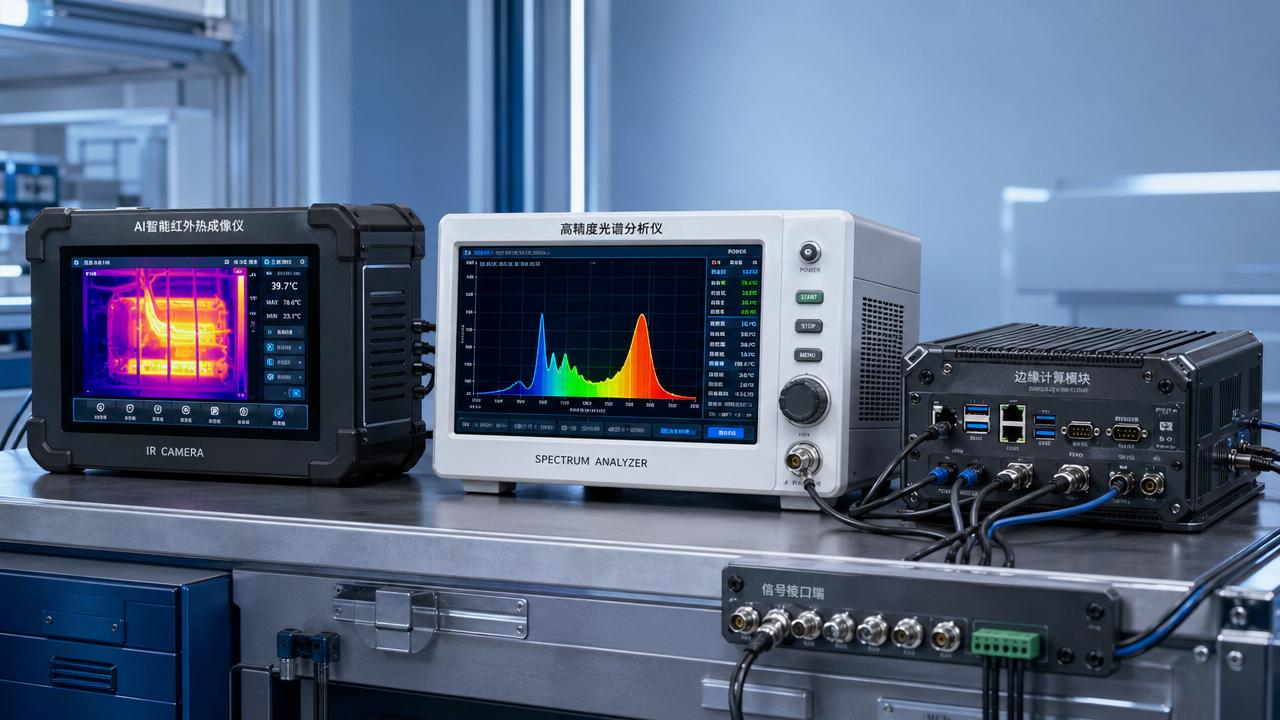
On April 29, 2026, the Ministry of Industry and Information Technology (MIIT) of China formally approved 690 new industry standards, including the Artificial Intelligence — Technical Specification for Deep Synthesis Image Systems. The standards span electronics, telecommunications, machinery, and instrumentation sectors — with direct implications for manufacturers and exporters of AI-powered industrial inspection instruments such as smart pressure gauges, infrared thermal imagers, and spectrometers.
Event Overview
On April 29, 2026, MIIT announced the approval of 690 industry standards. Among them is the Artificial Intelligence — Technical Specification for Deep Synthesis Image Systems, alongside other standards related to image recognition, edge computing, and AI-driven industrial vision detection equipment. Publicly available information confirms these standards apply to instrumentation domains and are now effective as approved technical references under China’s industrial standardization framework.
Industries Affected by This Development
Export-Oriented Instrument Manufacturers
Manufacturers producing AI-enabled smart detection instruments for overseas markets are directly affected because the new standard introduces mandatory requirements on algorithm interpretability, data localization, and security audit capabilities. These elements influence conformity assessment pathways for CE and UKCA certifications — especially where AI functionality is embedded in device firmware or cloud-connected analytics modules.
AI Software Integrators in Industrial Equipment
Companies integrating AI vision models (e.g., defect detection, thermal anomaly classification) into instrumentation hardware must verify whether their deployed algorithms meet the newly specified transparency and traceability criteria. The standard applies specifically to systems generating or modifying visual content via deep synthesis techniques — a category increasingly used in synthetic training data generation and real-time inference visualization.
Technical Compliance & Certification Service Providers
Third-party testing and certification bodies supporting export compliance need to assess whether existing CE/UKCA evaluation protocols incorporate verification of the new MIIT requirements — particularly regarding documentation of model decision logic, data handling boundaries, and audit log retention. Alignment may require updates to test reports or supplementary declarations for AI-integrated instrument submissions.
What Relevant Enterprises or Practitioners Should Focus On and How to Respond
Monitor official implementation guidance from MIIT and standardization institutes
The approved standards are currently published as formal approvals; however, detailed implementation timelines, transitional arrangements, and interpretation notes have not yet been released. Enterprises should track announcements from the Standardization Administration of China (SAC) and MIIT’s Department of Science and Technology for further operational clarity.
Review AI functionality in export-bound instrumentation against three core requirements
Specifically assess whether current or planned products involve deep synthesis image processing — and if so, whether they satisfy: (1) demonstrable algorithmic explainability for key detection outputs; (2) assurance that training/inference data remains within defined jurisdictional boundaries per Chinese law; and (3) built-in logging mechanisms for security auditing of AI subsystems.
Distinguish between regulatory signal and immediate certification impact
Analysis shows this approval functions primarily as a domestic technical benchmark at present. It does not automatically invalidate existing CE/UKCA certificates, but signals increasing alignment expectations between Chinese AI governance frameworks and international conformity regimes — especially for dual-use technologies in measurement and inspection equipment.
Prepare technical documentation packages ahead of potential market-led requests
Overseas buyers — particularly in EU and UK procurement channels — may begin requesting evidence of alignment with this specification as part of due diligence. Exporters are advised to proactively compile architecture diagrams, data flow descriptions, and audit trail specifications for AI components, even before formal regulatory enforcement begins.
Editorial Perspective / Industry Observation
Observably, this development reflects a broader institutional effort to anchor AI governance in domain-specific industrial applications — moving beyond general-purpose AI principles toward enforceable technical criteria. From an industry perspective, it is better understood as a forward-looking signal rather than an immediate compliance trigger. Its significance lies less in immediate enforcement and more in shaping long-term product design expectations, supply chain accountability, and cross-border certification coordination — particularly for instruments where AI augments metrological functions.
Conclusion
This approval marks a step toward structured technical governance of AI in industrial instrumentation. It does not constitute an export restriction or certification barrier in itself, but rather establishes a reference framework that may gradually inform both domestic quality supervision and international buyer expectations. Currently, it is more appropriately understood as a preparatory milestone — one requiring attention not for urgent remediation, but for strategic alignment in R&D planning, technical documentation, and export readiness workflows.
Information Source
Main source: Official announcement issued by the Ministry of Industry and Information Technology (MIIT) on April 29, 2026.
Note: Implementation details, enforcement schedule, and applicability scope for export certification remain subject to further official clarification and are under ongoing observation.


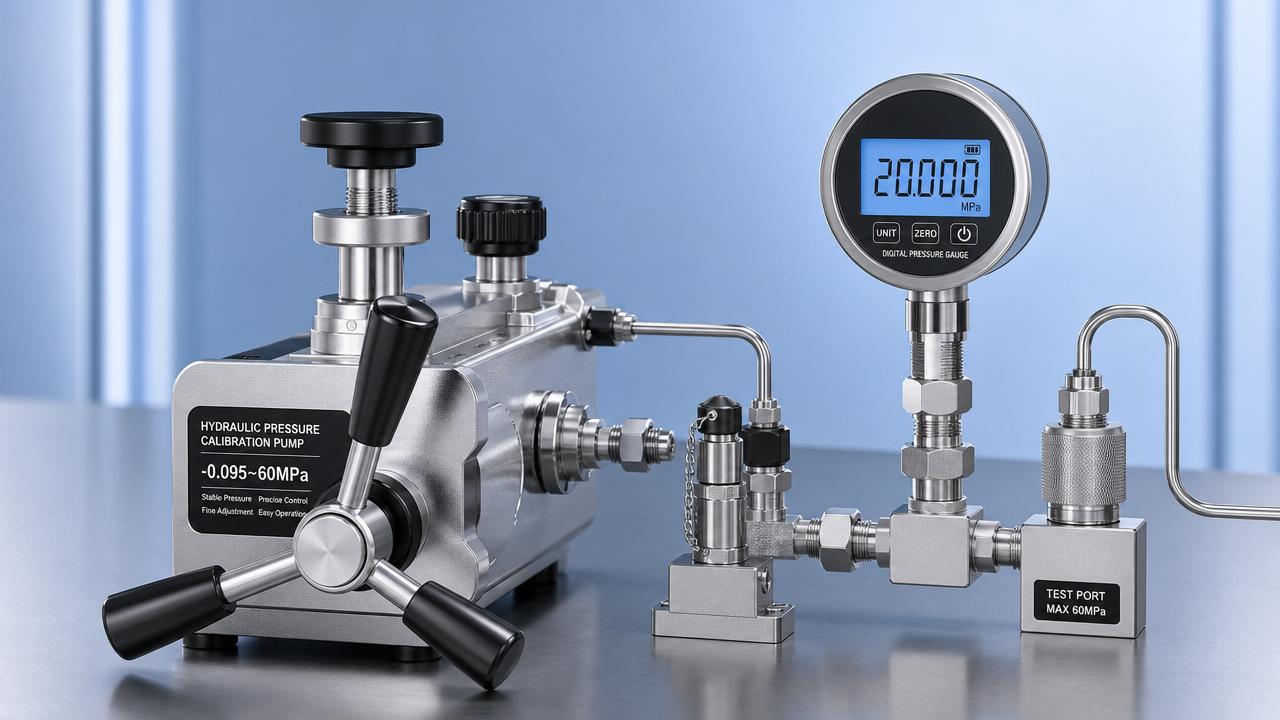
 How to Read Hydraulic Calibration Pump Specifications CorrectlyHydraulic calibration pump specifications explained clearly: learn how to assess pressure range, stability, fine control, and compatibility to choose the right pump with confidence.
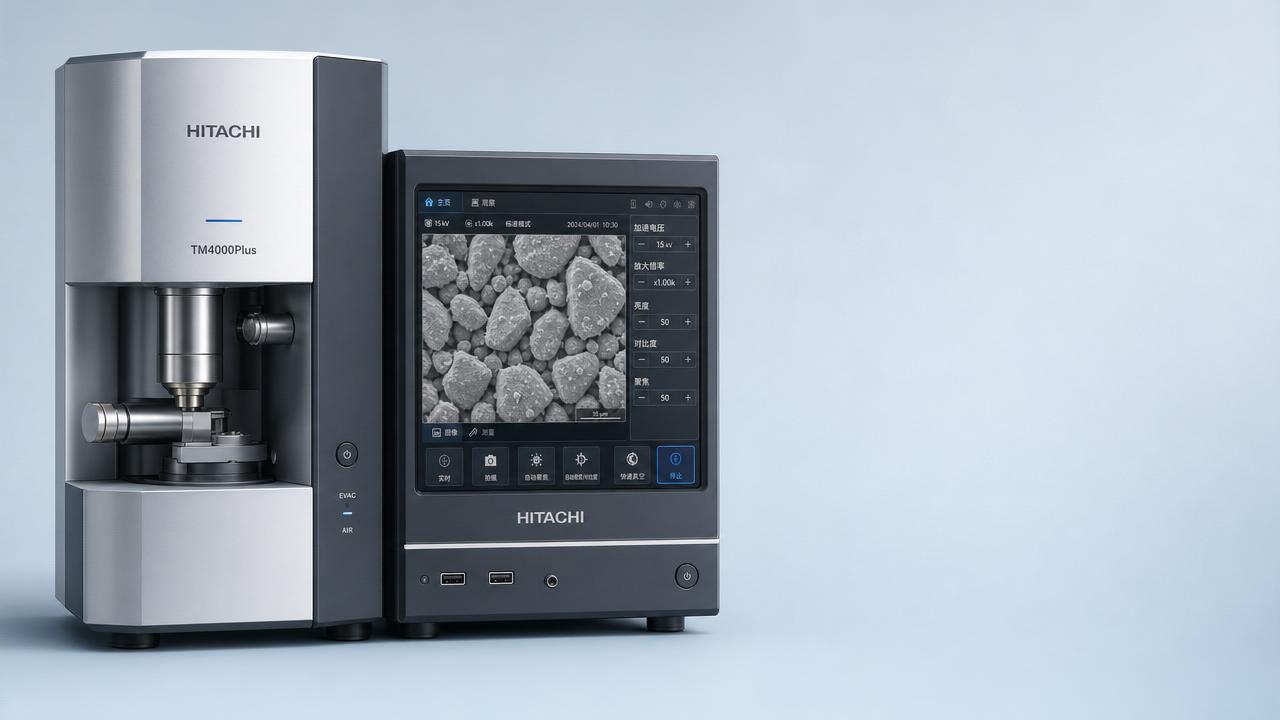
 Hitachi Benchtop SEM Sales Surpass 6,000 Units GloballyHitachi benchtop SEM sales exceed 6,000 units globally—driven by intuitive UIs, cryogen-free operation & one-click EDS. Discover why labs worldwide are choosing accessibility without compromise.
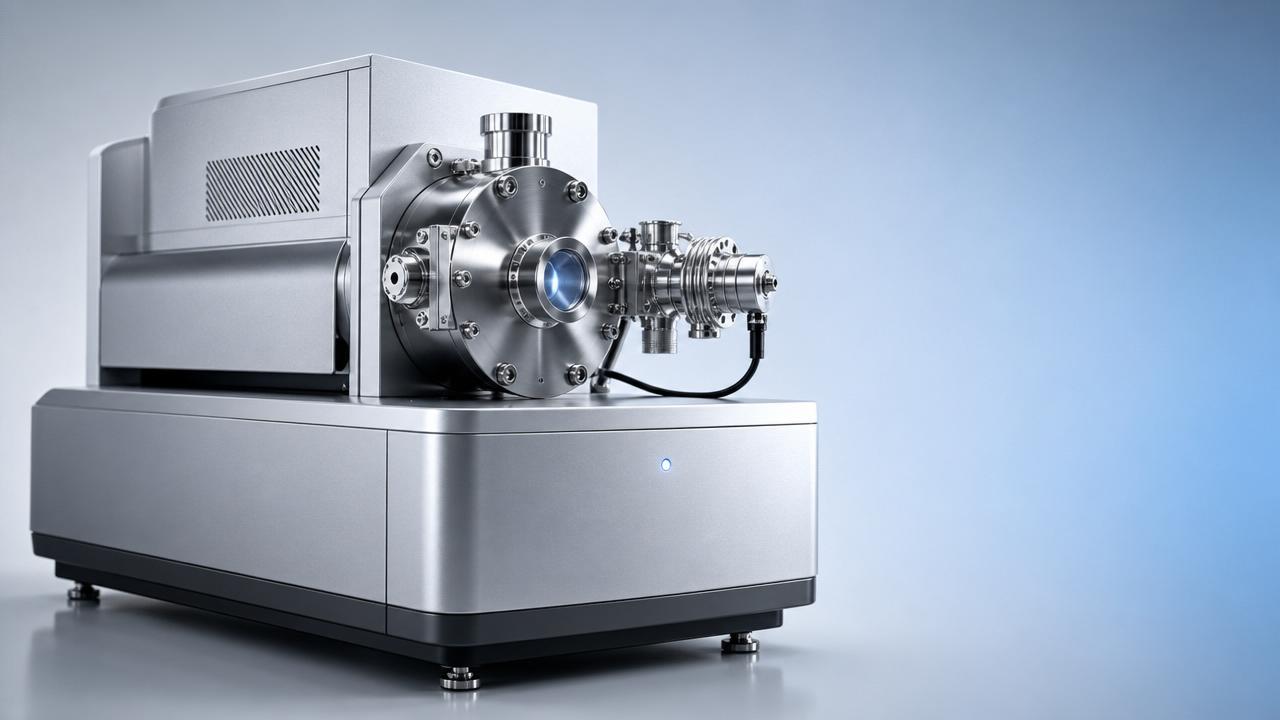
 First Domestic High-Resolution GD-MS Delivered CommerciallyGD-MS 3000: First domestic high-resolution GD-MS commercially delivered to Germany — validating trace impurity analysis for EU RoHS/REACH compliance in metals & semiconductors.
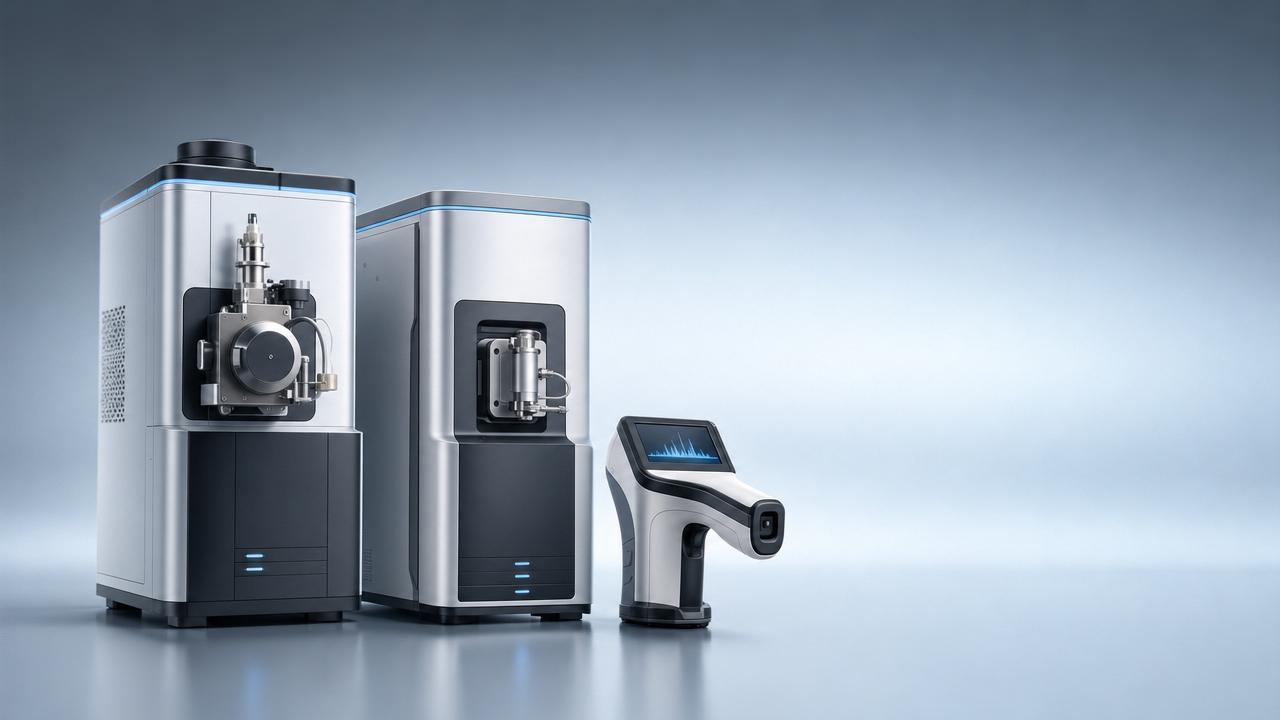
 CISILE 2026 Pre-Show Orders Exceed RMB 1.2B; Domestic Mass Spectrometers, Raman Spectrometers Gain TractionCISILE 2026 pre-show orders exceed RMB 1.2B—Chinese mass spectrometers & Raman spectrometers surge in global demand. Discover key export insights now!
![]() Laowa APS-C Fisheye Lens Launch: Industrial Imaging Export ExpansionLaowa APS-C fisheye lens launch: world’s first zoom fisheye for industrial imaging, VR capture & drone surveying — precision optics export expansion.
Laowa APS-C Fisheye Lens Launch: Industrial Imaging Export ExpansionLaowa APS-C fisheye lens launch: world’s first zoom fisheye for industrial imaging, VR capture & drone surveying — precision optics export expansion. MIIT Approves 690 New Industry Standards, Including AI Deep Synthesis Image System SpecificationMIIT's new AI Deep Synthesis Image System Specification impacts instrument manufacturers—learn how it affects smart gauges, thermal imagers & spectrometers for global markets.

Chat Online