


On May 11, 2026, Steel Research Institute NACK (NACK) completed the commercial delivery of its independently developed GD-MS 3000 high-resolution glow discharge mass spectrometer to a German materials research institute — marking the first reverse export of a Chinese-made high-end instrument for trace impurity analysis in metals and semiconductor materials. This milestone is particularly relevant for enterprises engaged in advanced materials trade, EU-regulated electronics manufacturing, and high-purity metal supply chains, as it signals evolving technical credibility and regulatory acceptance of domestic analytical instrumentation in sensitive compliance domains.
Event Overview
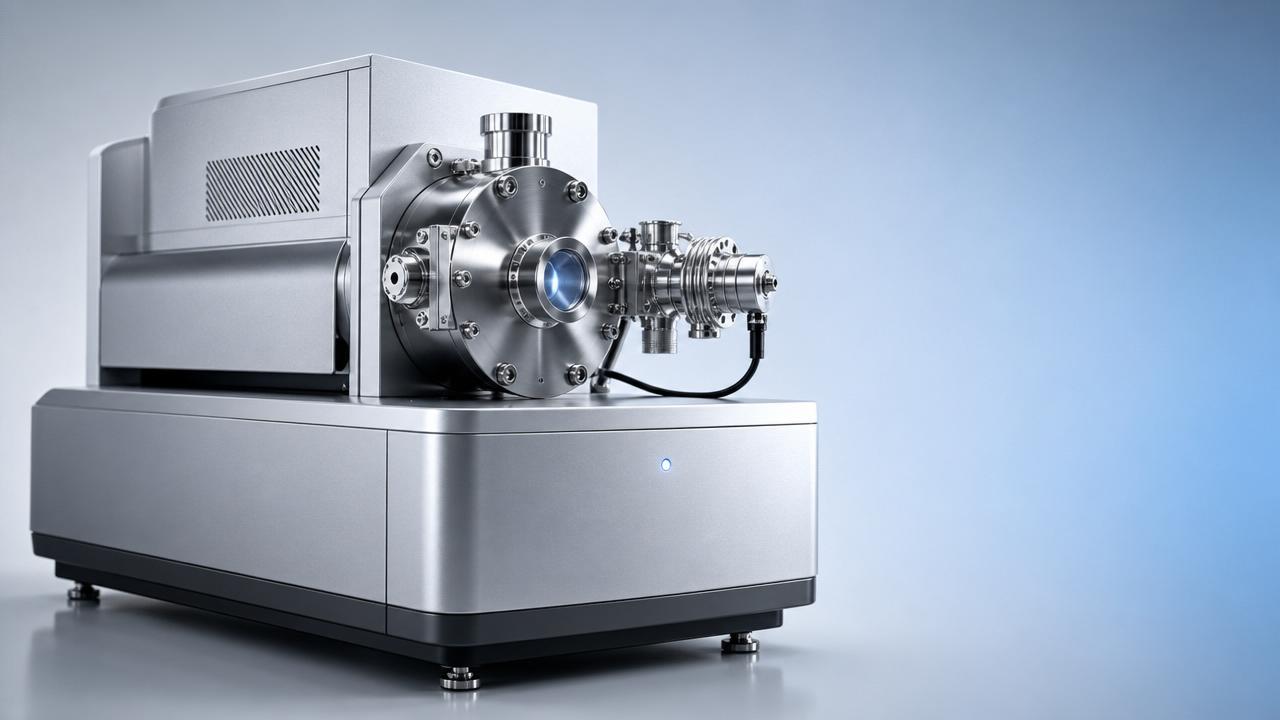
On May 11, 2026, NACK announced the commercial delivery of its GD-MS 3000 high-resolution glow discharge mass spectrometer to a German materials research institute. The instrument has been verified to meet stringent EU RoHS and REACH screening requirements across key technical parameters: ultra-high vacuum performance, RF power supply stability, and spectral data interpretation algorithms.
Impact on Specific Industry Segments
Direct Exporters and Trade Enterprises
This delivery confirms that domestically developed analytical instruments can satisfy EU regulatory gatekeeping criteria for high-risk material categories. For exporters of scientific instruments or calibration services, this sets a precedent for third-party validation pathways under EU conformity assessment frameworks — especially where measurement traceability and method validation are prerequisites for market access.
Raw Material Procurement Firms
Firms sourcing high-purity metals (e.g., nickel, titanium, silicon wafers) for EU-bound electronics or aerospace applications may face increasing downstream demand for supplier-provided GD-MS-certified impurity reports. The event underscores that EU-based R&D and certification bodies are now accepting data generated by non-Western OEM platforms — potentially reshaping documentation expectations in procurement contracts.
Advanced Manufacturing & Semiconductor Component Producers
Manufacturers subject to EU chemical compliance reporting (e.g., for lead, cadmium, or halogenated flame retardants in packaging or substrates) may begin evaluating whether domestic GD-MS systems can support internal screening workflows. While not yet certified for official conformity declarations, this delivery indicates accelerating technical parity — warranting early technical due diligence on local instrument capabilities.
Supply Chain Service Providers
Third-party testing labs, metrology service providers, and contract analytical firms operating in or serving the EU market should monitor whether notified bodies begin referencing GD-MS 3000-type performance benchmarks in technical guidance documents. Such references — if they emerge — could influence lab accreditation scopes or client audit requirements.
Key Considerations for Enterprises and Practitioners
Monitor official regulatory references and standardization developments
Current impact remains technical and symbolic; no EU regulation or harmonized standard currently cites Chinese GD-MS platforms. Enterprises should track updates from the European Commission’s Joint Research Centre (JRC), CEN/TC 352, and national notified bodies for any mention of alternative instrumentation validation protocols.
Assess applicability to internal screening — not regulatory submission — at this stage
The delivery validates performance against RoHS/REACH *screening thresholds*, not formal conformity assessment procedures. Companies considering adoption should prioritize use cases involving pre-shipment verification, R&D process control, or supplier qualification — not legally binding compliance declarations.
Distinguish between technical capability and regulatory recognition
Observably, this is a laboratory-level validation, not a notified body certification. Market entry for commercial GD-MS units into EU-regulated sectors still requires separate CE marking, ISO/IEC 17025 accreditation for specific test methods, and alignment with EN 62321-8 or related standards — none of which are confirmed as achieved at this time.
Review procurement specifications and vendor qualification criteria
Procurement teams managing high-purity material supply chains should evaluate whether current technical specifications implicitly require instrumentation from historically established Western OEMs. This event signals that such assumptions may no longer reflect actual technical feasibility — prompting timely revision of tender language and evaluation matrices.
Editorial Perspective / Industry Observation
Analysis shows this delivery functions primarily as a technical signal — not an immediate market shift. It demonstrates that domestic instrument developers have closed critical gaps in vacuum engineering, RF source control, and chemometric processing required for trace-element analysis at sub-ppt levels. However, regulatory uptake lags technical validation by several years, and institutional inertia in metrology networks remains substantial. From an industry perspective, this milestone is best understood as a threshold-crossing moment in capability demonstration — one that warrants attention not because it changes current compliance rules, but because it alters long-term assumptions about instrument sovereignty in regulated material analytics.
Conclusion: This delivery represents a validated step toward technical parity in a niche but strategically significant instrumentation category. It does not alter existing EU regulatory obligations or certification pathways. Instead, it signals growing confidence in domestic platform robustness — a development most relevant for forward-looking procurement planning, long-term R&D infrastructure investment, and risk diversification in high-precision analytical capacity. Current interpretation should emphasize capability validation over immediate commercial or regulatory impact.
Source: Official announcement by Steel Research Institute NACK, dated May 11, 2026. No additional sources or external verification are cited. Ongoing observation is recommended regarding potential references in EU technical documentation or standardization working group outputs — none confirmed as of publication.


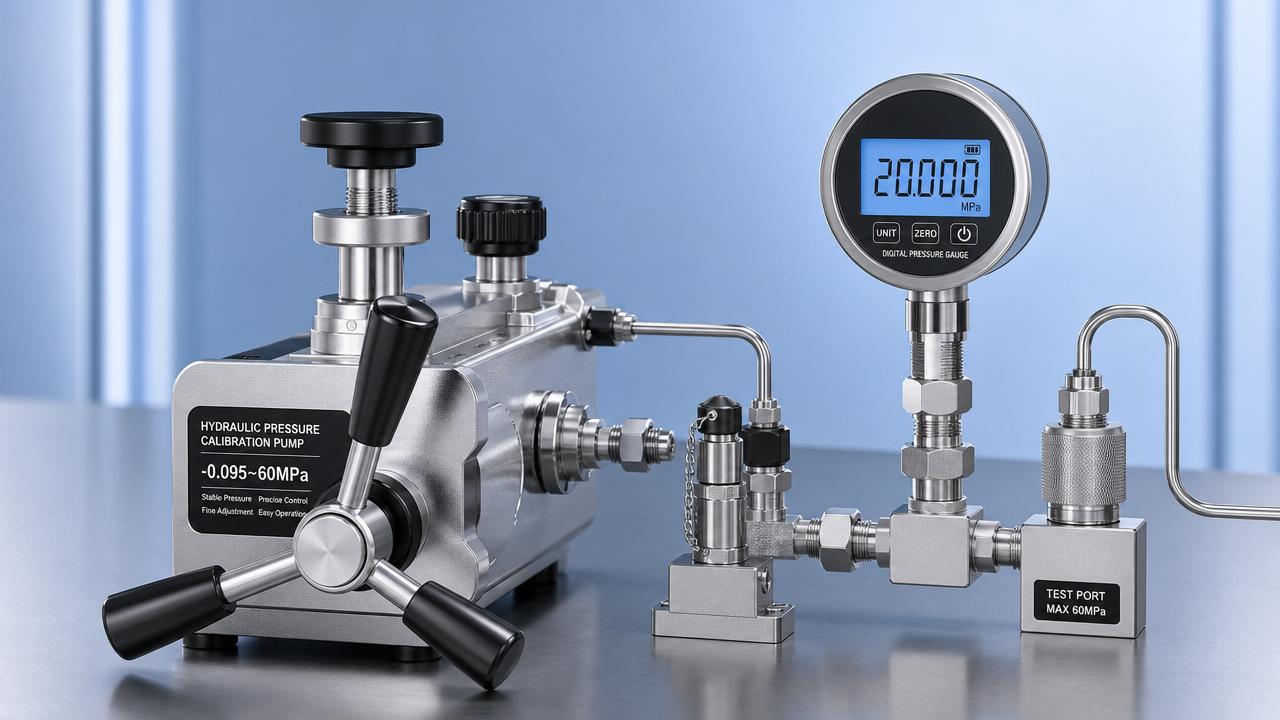
 How to Read Hydraulic Calibration Pump Specifications CorrectlyHydraulic calibration pump specifications explained clearly: learn how to assess pressure range, stability, fine control, and compatibility to choose the right pump with confidence.
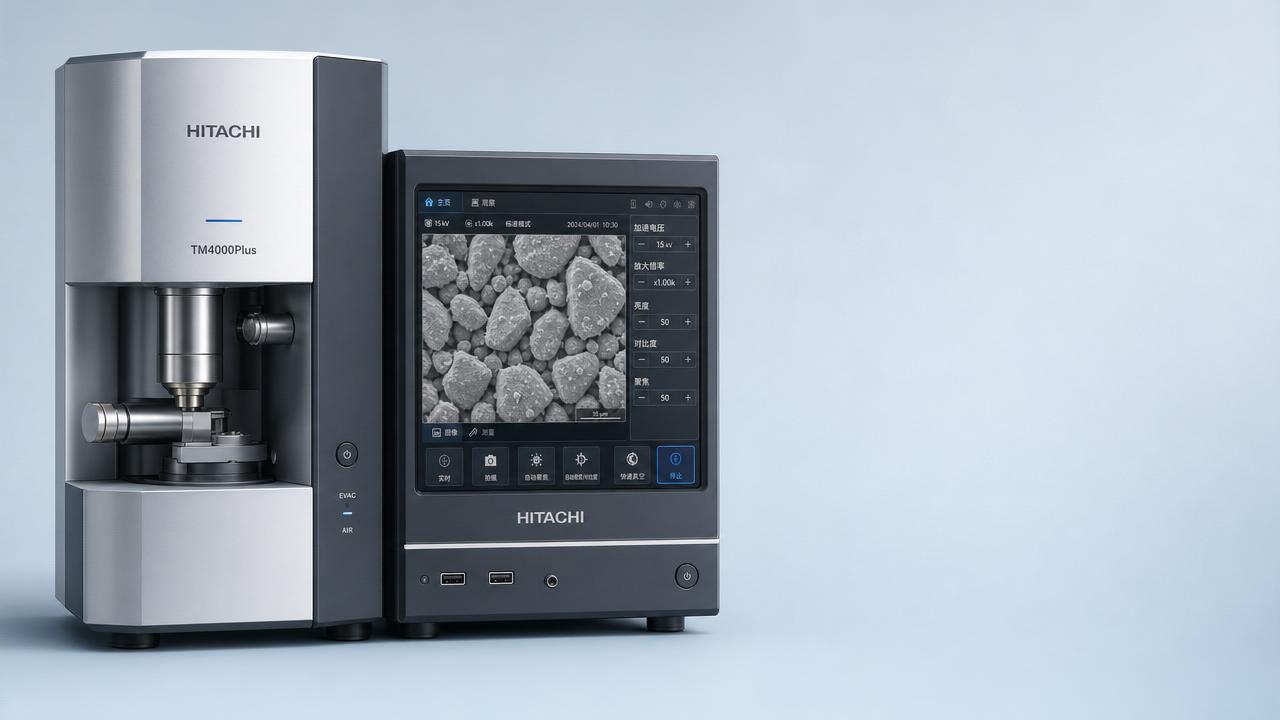
 Hitachi Benchtop SEM Sales Surpass 6,000 Units GloballyHitachi benchtop SEM sales exceed 6,000 units globally—driven by intuitive UIs, cryogen-free operation & one-click EDS. Discover why labs worldwide are choosing accessibility without compromise.
 First Domestic High-Resolution GD-MS Delivered CommerciallyGD-MS 3000: First domestic high-resolution GD-MS commercially delivered to Germany — validating trace impurity analysis for EU RoHS/REACH compliance in metals & semiconductors.
 CISILE 2026 Pre-Show Orders Exceed RMB 1.2B; Domestic Mass Spectrometers, Raman Spectrometers Gain TractionCISILE 2026 pre-show orders exceed RMB 1.2B—Chinese mass spectrometers & Raman spectrometers surge in global demand. Discover key export insights now!
![]() Laowa APS-C Fisheye Lens Launch: Industrial Imaging Export ExpansionLaowa APS-C fisheye lens launch: world’s first zoom fisheye for industrial imaging, VR capture & drone surveying — precision optics export expansion.
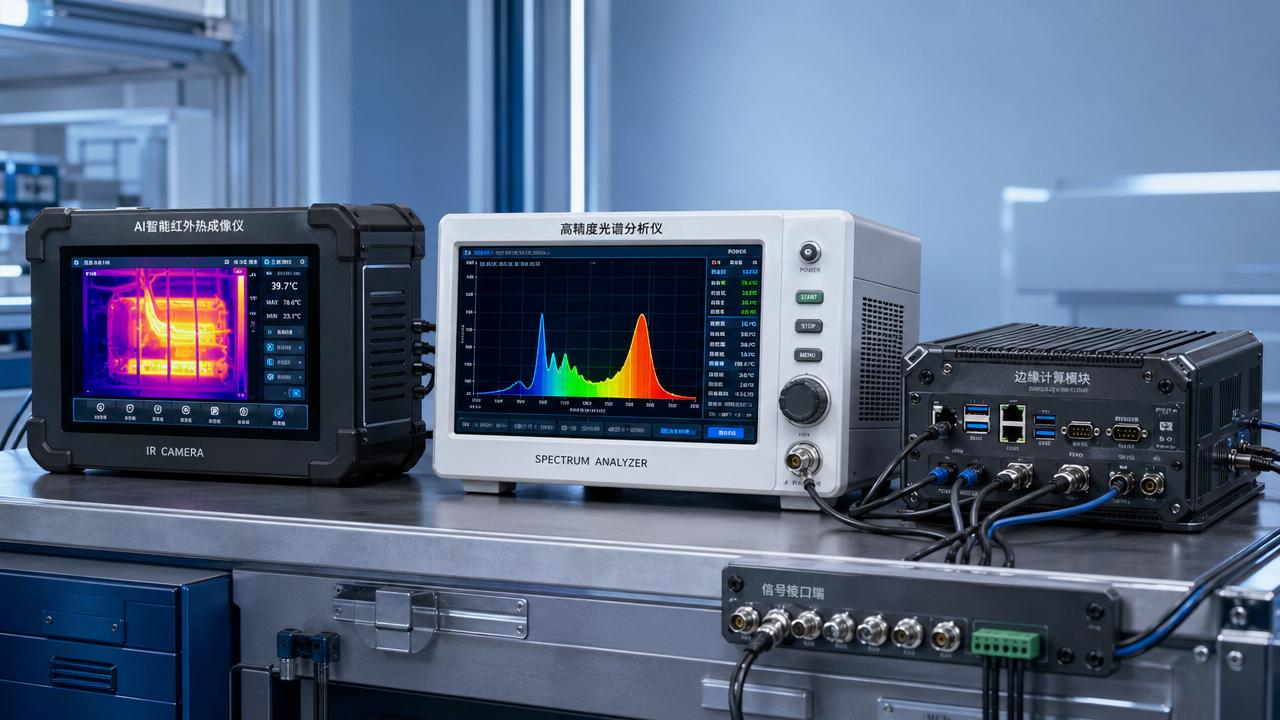
Laowa APS-C Fisheye Lens Launch: Industrial Imaging Export ExpansionLaowa APS-C fisheye lens launch: world’s first zoom fisheye for industrial imaging, VR capture & drone surveying — precision optics export expansion. MIIT Approves 690 New Industry Standards, Including AI Deep Synthesis Image System SpecificationMIIT's new AI Deep Synthesis Image System Specification impacts instrument manufacturers—learn how it affects smart gauges, thermal imagers & spectrometers for global markets.


Chat Online