


Precautions for field use
1, digital pressure gauge field use conditions should meet the requirements of the instrument technical parameters. The correct selection of the instrument range, the measured pressure can not exceed the measuring upper and lower limits of the instrument, should leave sufficient overpressure safety margin
2, the temperature of the measured medium of the pressure gauge shall not exceed the operating temperature of the instrument, and the sealing and vibration resistance of the instrument should be ensured when used in corrosion and vibration places.
3, the digital precision pressure gauge is vertically downward direct installation type, can be directly installed on the pressure interface of the pipeline to be measured, installation to avoid the formation of a "closed pressure" between the instrument connection thread and the valve in front of the table (observe the value, pay attention to the pressure response time), if the formation of the pressure, should be eliminated in time, otherwise it will cause damage to the measuring element, media leakage.
Operating Instructions
The sensor and display processing part of the digital pressure gauge adopts an integrated design structure, which is easy to use. The digital pressure gauge is directly connected to the measured mechanism using threads, and there is no requirement for the placement angle of the digital pressure gauge. The approximate pressure range of the target to be measured should be estimated to avoid mechanical damage to the sensor due to excessive pressure exceeding the measurement range. The pressure response time of the digital pressure gauge is 2S.
Troubleshooting and troubleshooting
Digital pressure gauges are mechanical and electrical products. During transportation and use, due to environmental interference and improper human operation, the instrument may not work and display normally. For simple faults, users can eliminate them by themselves, and other faults need to be returned to the manufacturer for maintenance. The list below indicates the faults and their troubleshooting methods.
Trouble shooting method of digital pressure gauge
1. There is no font on the screen to replace the battery
2. The font does not change when the pressure increases, take out the battery, wait for 30 seconds, and then reinstall it
3. If the font is non-digital, the liquid crystal is damaged and returned to the factory for repair.
4. The value is obviously inaccurate, the sensor is damaged, return to the factory for repair.
5. If the accuracy changes, return to the factory for recalibration
Performance analysis of intelligent digital pressure gauge!
1. Economic benefit analysis
After long-term operation, the intelligent digital pressure gauge shows that the failure rate is low, the maintenance cost is less, and the operating cost is reduced. Maintenance workload is small, mainly for regular check and verification. Even if there is a problem, you can easily find the problem through hand exercises to reduce unnecessary waste. The price of intelligent digital pressure gauge is relatively higher than that of ordinary pressure gauge, although it increases the cost, but its service life, accuracy grade and so on are much higher than that of traditional pressure gauges.
2. Analysis of technological advancement
The intelligent digital pressure gauge has few moving parts, small maintenance workload, high precision, reliable operation, convenient setting, correction and debugging through hand operation, with strong operability and compatibility, easy debugging, multi-parameter measurement, wide measurement range.
3. Precautions
The intelligent digital pressure gauge must be consistent with the on-site installation position during indoor verification, otherwise a large zero error will be generated.
4. Closing remarks
After long-term use by customers, intelligent digital pressure gauges have a wide range of uses in industry, petrochemical and other fields, and it is also an inevitable trend in the future development of field instruments. It is of great significance to save and reduce cost and improve economic benefit.
Contact:


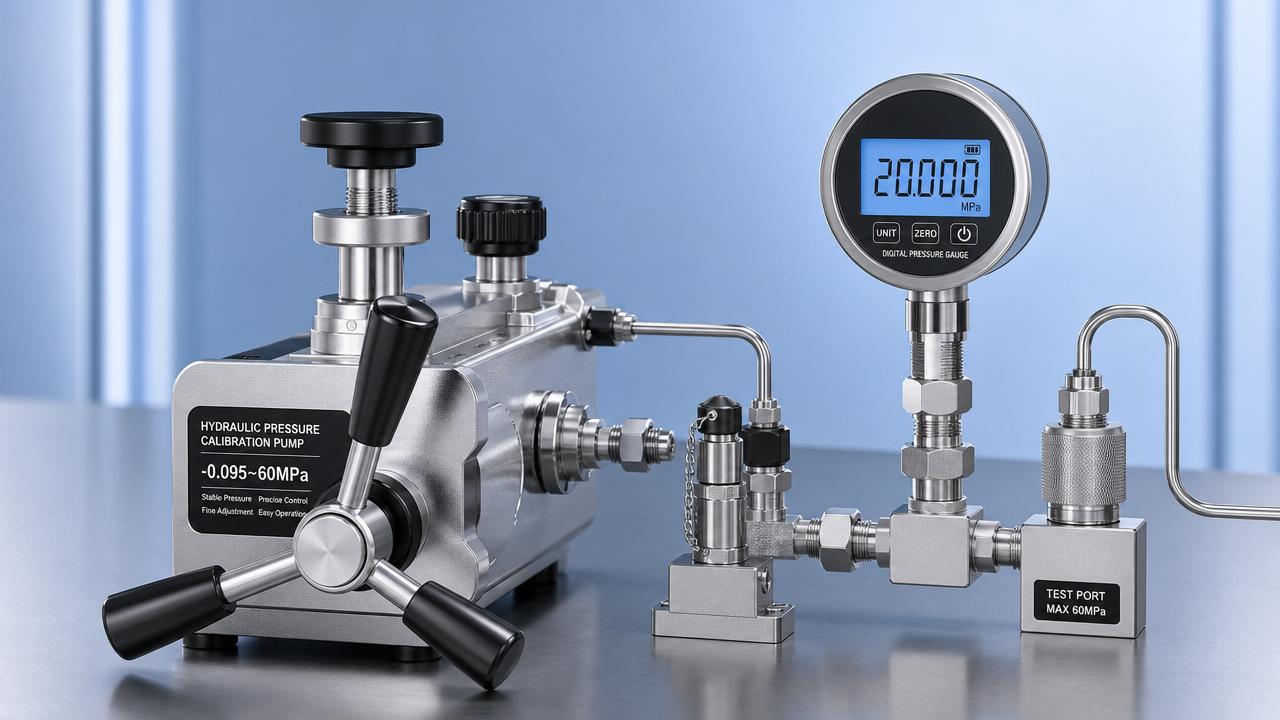
 How to Read Hydraulic Calibration Pump Specifications CorrectlyHydraulic calibration pump specifications explained clearly: learn how to assess pressure range, stability, fine control, and compatibility to choose the right pump with confidence.
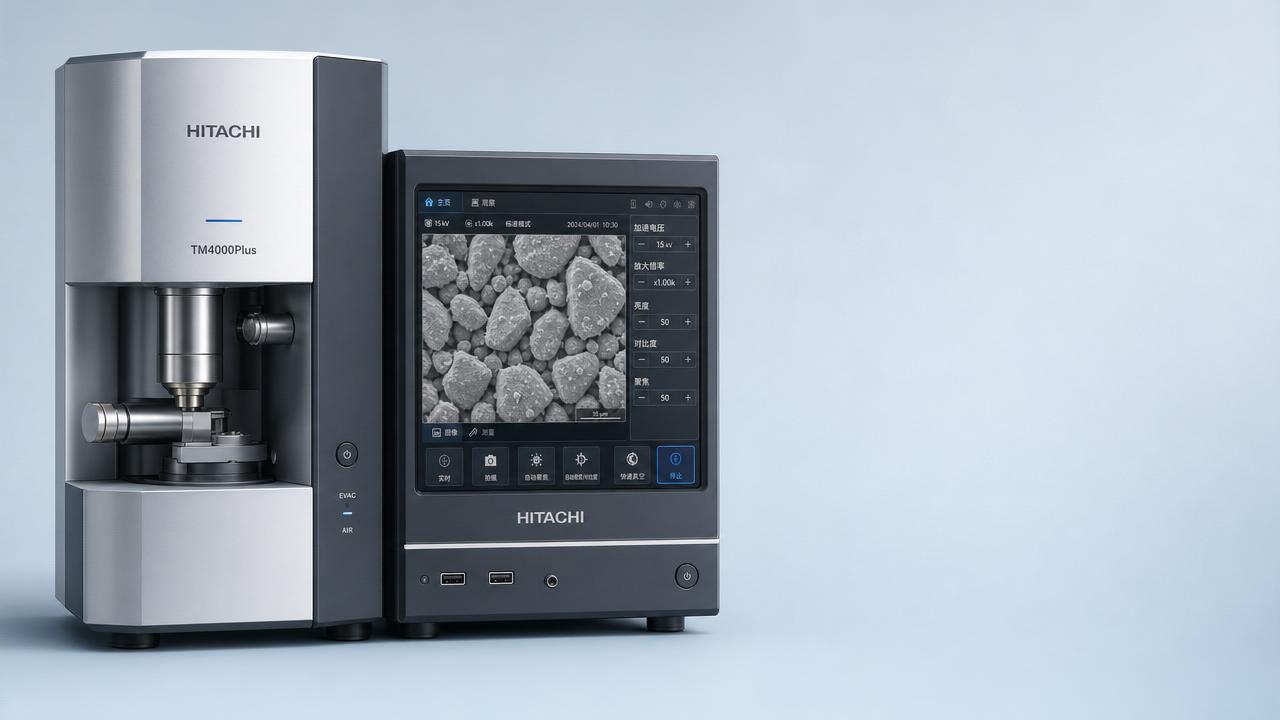
 Hitachi Benchtop SEM Sales Surpass 6,000 Units GloballyHitachi benchtop SEM sales exceed 6,000 units globally—driven by intuitive UIs, cryogen-free operation & one-click EDS. Discover why labs worldwide are choosing accessibility without compromise.
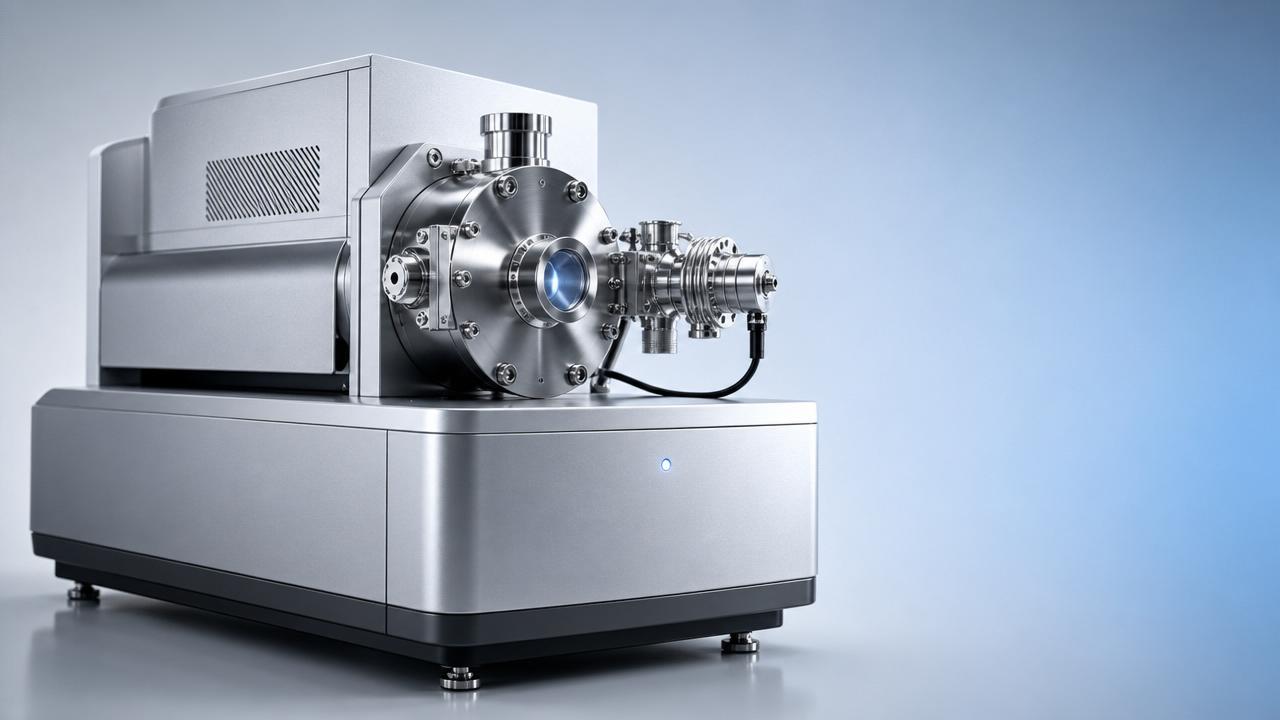
 First Domestic High-Resolution GD-MS Delivered CommerciallyGD-MS 3000: First domestic high-resolution GD-MS commercially delivered to Germany — validating trace impurity analysis for EU RoHS/REACH compliance in metals & semiconductors.
 CISILE 2026 Pre-Show Orders Exceed RMB 1.2B; Domestic Mass Spectrometers, Raman Spectrometers Gain TractionCISILE 2026 pre-show orders exceed RMB 1.2B—Chinese mass spectrometers & Raman spectrometers surge in global demand. Discover key export insights now!
![]() Laowa APS-C Fisheye Lens Launch: Industrial Imaging Export ExpansionLaowa APS-C fisheye lens launch: world’s first zoom fisheye for industrial imaging, VR capture & drone surveying — precision optics export expansion.
Laowa APS-C Fisheye Lens Launch: Industrial Imaging Export ExpansionLaowa APS-C fisheye lens launch: world’s first zoom fisheye for industrial imaging, VR capture & drone surveying — precision optics export expansion. MIIT Approves 690 New Industry Standards, Including AI Deep Synthesis Image System SpecificationMIIT's new AI Deep Synthesis Image System Specification impacts instrument manufacturers—learn how it affects smart gauges, thermal imagers & spectrometers for global markets.

Chat Online