


Flow is one of the crucial parameters measured in process industries and water treatmentplants, amongst other applications. For example, in water treatment plants where filtration equipment is cleaned periodically, a predetermined volume of water has to be pumpedthrough filters. The GPM(Gallons per minute) value is multiplied by the duration of thecleaning process to measure the amount of water used for cleaning. A similar principle isused for measuring the amount of chemicals such as acids or caustic in a ClP(Clean in placeprocess. Accurate measurements of these chemicals ensure a successful cleaning operationwithout damaging equipment.
More often than not, flowmeters use indirect measurement principles to calculate the flow offluids. In these cases, a change in a physical parameter such as temperature or pressure ismeasured. This measured change is then used in a formula for calculating the flow of theliquid or gas. Some types of flowmeters, such as rotameters, have a local analog readout butmost have a way of sending an electrical signal to a remote location in addition to a digitaldisplay.
Magnetic flowmeters can only be used to measure the flow rate of conductive liquids such aswater. As shown below, when the process liquid flows through a conduit of the flow meter, itis exposed to a magnetic field. An effect similar to Faraday's law occurs inducing a voltage inthe flow meter. The electrodes placed in the flow meter's walls measure the voltagedeveloped. This induced voltage increases with an increase in the flow. Based on the inducedvoltage and the size of the tube, the flow rate is calculated by the flow meter.


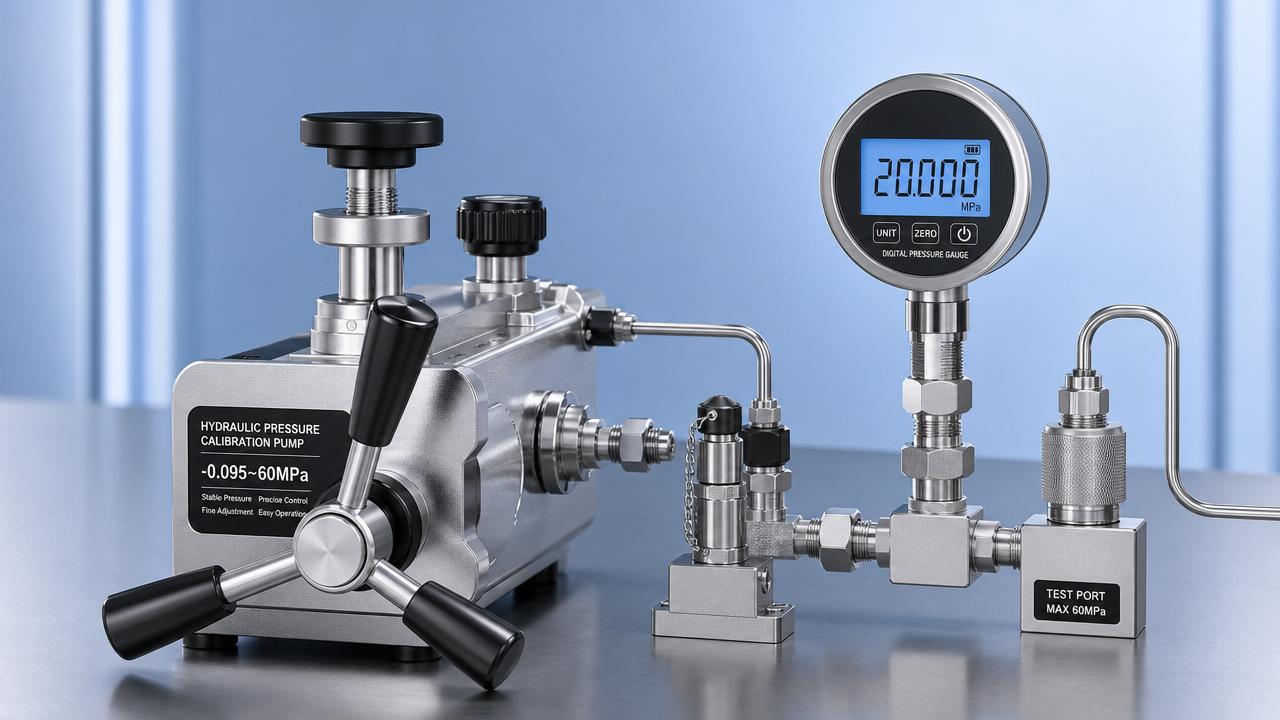
 How to Read Hydraulic Calibration Pump Specifications CorrectlyHydraulic calibration pump specifications explained clearly: learn how to assess pressure range, stability, fine control, and compatibility to choose the right pump with confidence.
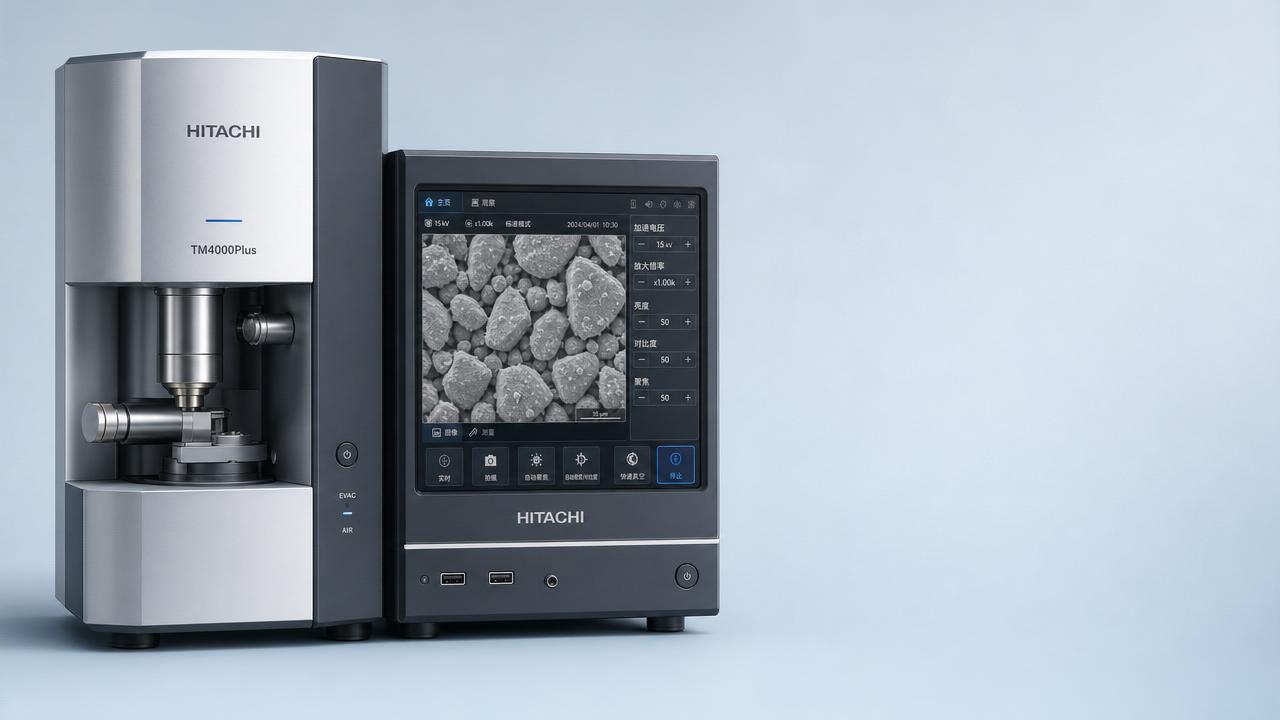
 Hitachi Benchtop SEM Sales Surpass 6,000 Units GloballyHitachi benchtop SEM sales exceed 6,000 units globally—driven by intuitive UIs, cryogen-free operation & one-click EDS. Discover why labs worldwide are choosing accessibility without compromise.
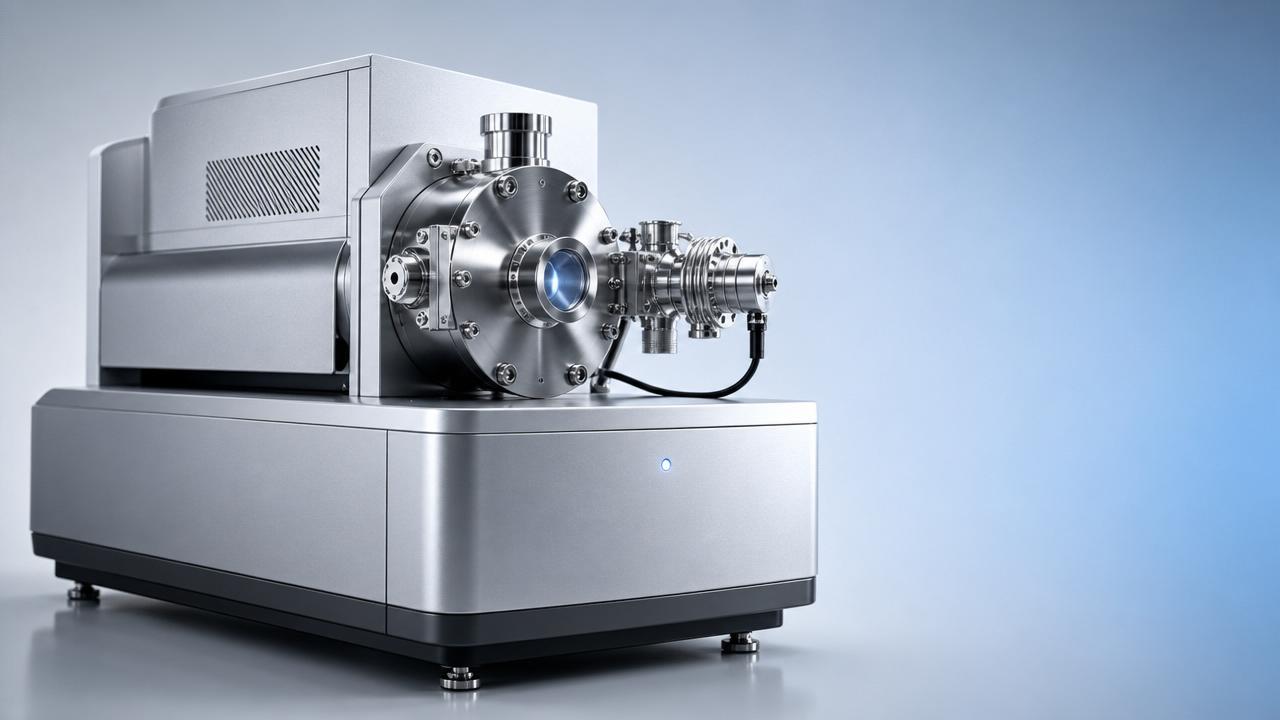
 First Domestic High-Resolution GD-MS Delivered CommerciallyGD-MS 3000: First domestic high-resolution GD-MS commercially delivered to Germany — validating trace impurity analysis for EU RoHS/REACH compliance in metals & semiconductors.
 CISILE 2026 Pre-Show Orders Exceed RMB 1.2B; Domestic Mass Spectrometers, Raman Spectrometers Gain TractionCISILE 2026 pre-show orders exceed RMB 1.2B—Chinese mass spectrometers & Raman spectrometers surge in global demand. Discover key export insights now!
![]() Laowa APS-C Fisheye Lens Launch: Industrial Imaging Export ExpansionLaowa APS-C fisheye lens launch: world’s first zoom fisheye for industrial imaging, VR capture & drone surveying — precision optics export expansion.
Laowa APS-C Fisheye Lens Launch: Industrial Imaging Export ExpansionLaowa APS-C fisheye lens launch: world’s first zoom fisheye for industrial imaging, VR capture & drone surveying — precision optics export expansion. MIIT Approves 690 New Industry Standards, Including AI Deep Synthesis Image System SpecificationMIIT's new AI Deep Synthesis Image System Specification impacts instrument manufacturers—learn how it affects smart gauges, thermal imagers & spectrometers for global markets.

Chat Online