


In today's rapidly developing technological era, liquid level monitoring, as an important part of many industries, is undergoing a change from traditional to intelligent. With its profound technical accumulation and innovative spirit, modern technology has brought a solution to the field of liquid level monitoring with a 4G wireless liquid level transmitter.
Submersible sensor, 4G signal transmission
The 4G wireless liquid level transmitter uses a submersible liquid level sensor that can be directly immersed in the liquid and accurately convert the liquid level changes into electrical signals. Through the built-in 4G communication module, these signals can be transmitted to the cloud platform or local platform in real time and stably to achieve remote monitoring and data management. This design not only improves the efficiency and accuracy of liquid level monitoring, but also reduces the cost and risk of manual inspections.
Small size, easy to install
The 4G wireless level transmitter is small in size and compact in design, making the installation process extremely easy. Whether it is a new facility or an upgrade of an existing system, the sensor can be easily deployed. At the same time, the use of stainless steel housing not only enhances the corrosion resistance and durability of the equipment, but also ensures accurate measurement of liquid media that are compatible with the contact part material.
Long-term operation, data security
The 4G wireless liquid level transmitter is powered by an external power supply, which can ensure long-term stable operation. At the same time, the built-in storage function enables the device to automatically store data even when it is offline, effectively preventing data loss. When the device reconnects to the network, the stored data will be automatically uploaded to the cloud platform or local server, achieving seamless connection and complete preservation of data.
Intuitive display, convenient configuration
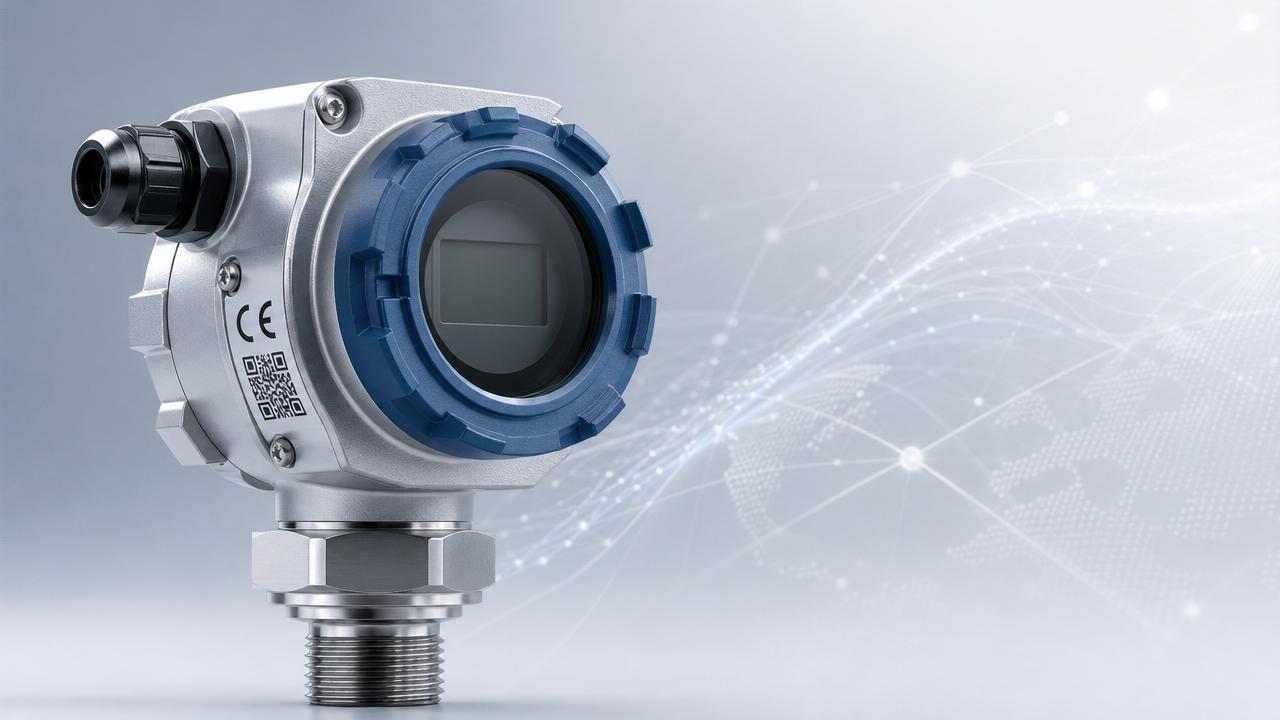
The 4G wireless liquid level transmitter has its own display screen, which can display the current liquid level data and the liquid level of the current range in real time, so that the on-site operators can understand the liquid level at any time. In addition, users can easily configure the equipment parameters through the mobile phone APP to achieve fast and efficient equipment management. This design not only improves the convenience of work, but also meets the needs of intelligent upgrading of traditional liquid level meters.
Widely used, helping the development of multiple fields
Due to its performance and usage scenarios, the 4G wireless liquid level transmitter has become a solution for liquid level monitoring in many industries. Whether it is municipal facilities such as fire trucks, water plants, and sewage treatment plants, or civil fields such as urban water supply, high-rise water pools, water wells, and water towers, or industrial scenarios such as geothermal wells, mines, and industrial water pools, it can play its advantages. At the same time, it can also provide accurate and reliable data support in liquid level monitoring in natural environments such as hydrogeology, reservoirs, rivers, and oceans.
In summary, the 4G wireless liquid level transmitter is leading the new trend of intelligent liquid level monitoring with its features and advantages such as immersion sensor, 4G signal transmission, compact size, easy installation, long-term operation, data security, intuitive display, convenient configuration and wide application. It not only improves the efficiency and accuracy of liquid level monitoring, but also brings safer, more efficient and reliable liquid level monitoring solutions to all walks of life. With the continuous advancement of technology and the continuous expansion of application scenarios, this 4G wireless liquid level transmitter will play a more important role in the future and contribute more wisdom and strength to the development of the liquid level monitoring field.


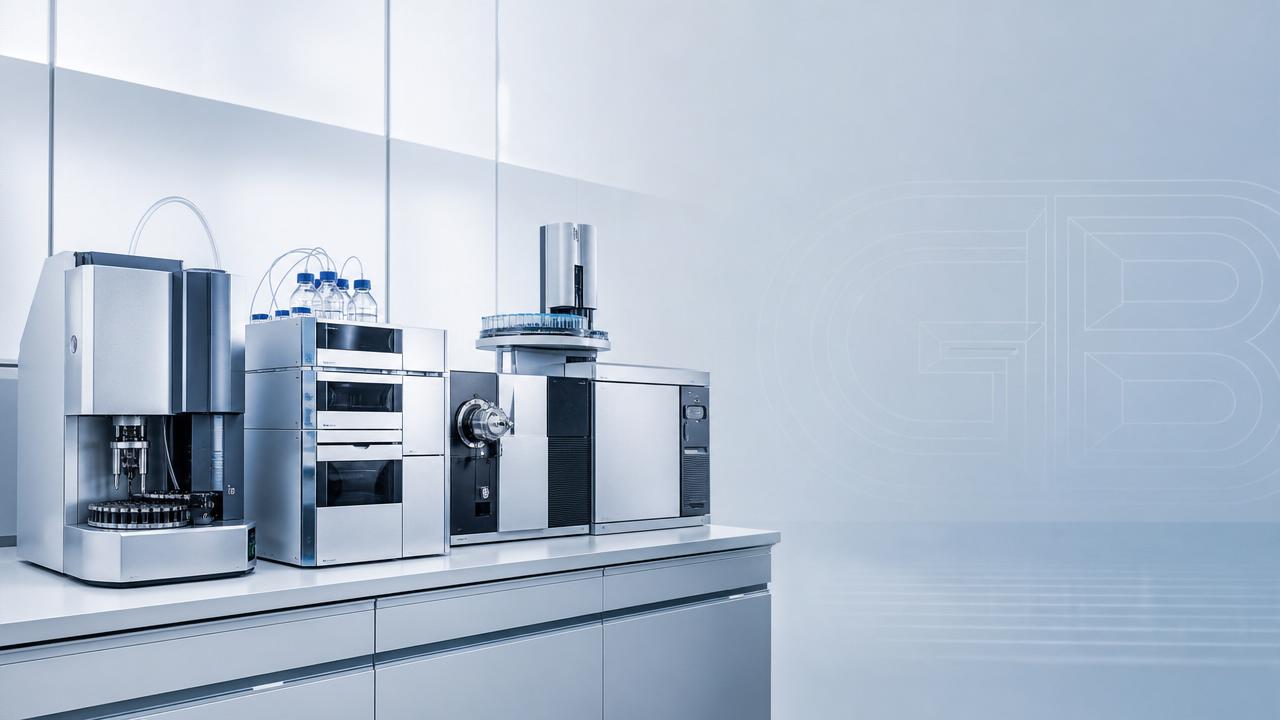
 1259 New National Standards Take Effect in May 20261259 new national standards effective May 2026 mandate GFAAS, LC-MS/MS & GC-MS for compliance—key for exporters, labs & instrument suppliers.
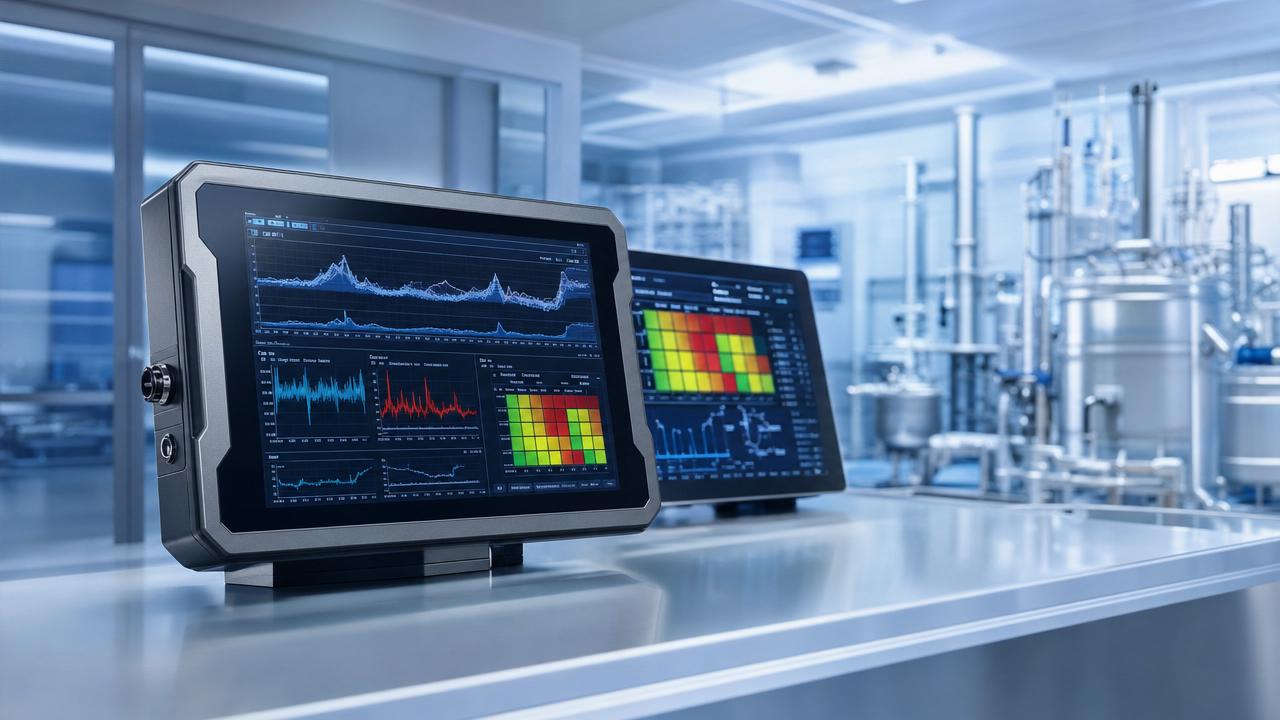
 GWM Patents AI-Driven Multi-Screen Quality Switching for Vehicle HMIsGWM's AI-driven multi-screen quality switching patent unlocks adaptive display tech for industrial HMIs, DCS stations & explosion-proof touchscreens — watch for certified deployments.
 US-China Tariffs Unified at 10% for InstrumentsUS-China tariffs on instruments unified at 10%—boosting cost efficiency for industrial process instruments, environmental monitoring equipment & energy meters. Act now.
 EN 61000-6-4:2026 Enters Force for Industrial EMC ComplianceEN 61000-6-4:2026 is now mandatory for industrial EMC compliance — stricter 1–6 GHz emissions & dynamic AI-device testing. Act now to avoid EU market delays.
 New China Export Rules for Instruments Effective May 2026New China export rules for instruments require CNAS-issued CE/UKCA reports by May 2026 — ensure compliance now to avoid EU/UK shipment delays.
 EU CE-EPD Digital Compliance Label Mandatory from May 2026EU CE-EPD digital compliance label becomes mandatory for instrumentation exports from May 2026 — discover how Chinese OEMs, suppliers & EMS providers can prepare now.
Chat Online