


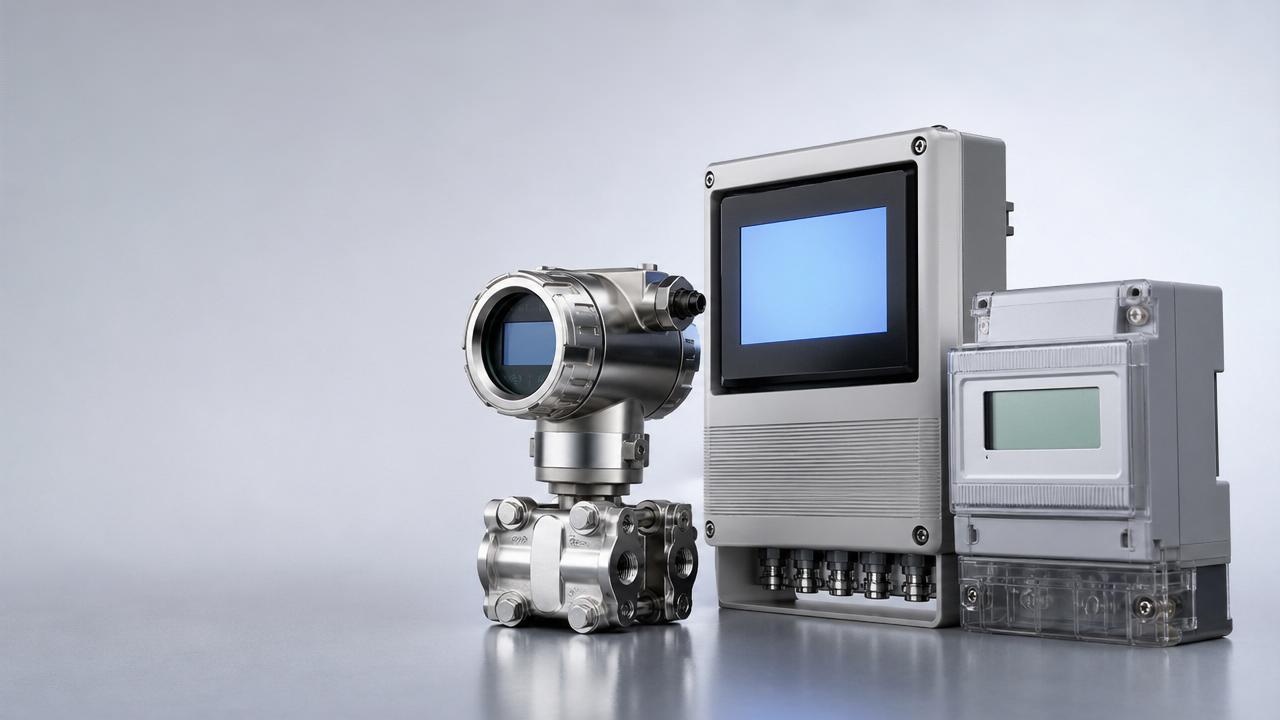
The accuracy of digital pressure gauges is affected by many factors, including design, manufacturing process, materials used, and later maintenance and calibration. Here are some details about the accuracy of digital pressure gauges:
Accuracy rating: The accuracy rating of the digital pressure gauge is usually marked on the dial and expressed as a percentage of the allowable error of the dial limit. For example, ±0.05% and ±0.1% are common accuracy levels 3 for precision digital pressure gauges.
The relationship between the measurement range and accuracy: The range of precision digital pressure gauges is usually 1.5 to 3 times the working pressure of the equipment, and the best choice is 2 times. If the range is too large, the absolute value of the allowable error will increase, affecting the reading accuracy; If the range is too small, during overvoltage operation, the pointer will exceed the maximum range and approach zero, which may lead to misjudgment.
The impact of the use environment: The use environment of the digital pressure gauge also affects its accuracy. For example, corrosive media may require the selection of elastic elements of different materials .
To sum up, the accuracy of digital pressure gauges is affected by a variety of factors, and users should consider these factors comprehensively when selecting and using to ensure accurate measurement results.



 1259 New National Standards Take Effect in May 20261259 new national standards effective May 2026 mandate GFAAS, LC-MS/MS & GC-MS for compliance—key for exporters, labs & instrument suppliers.
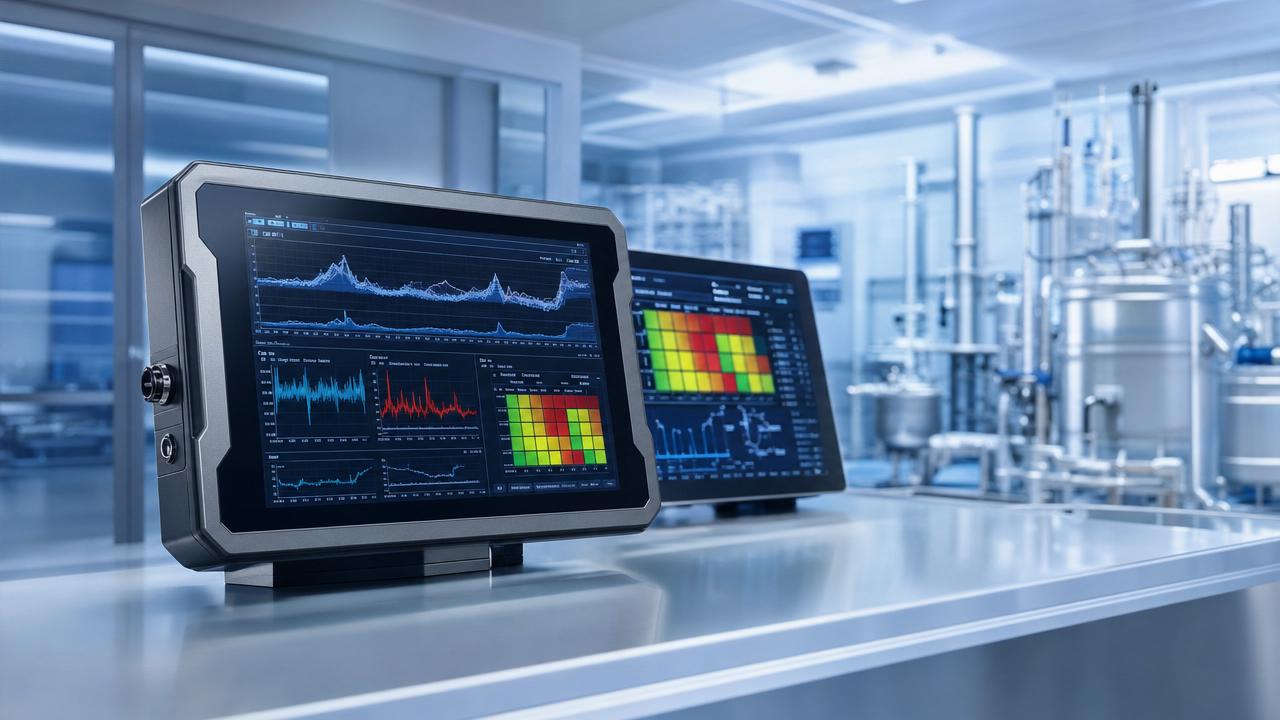
 GWM Patents AI-Driven Multi-Screen Quality Switching for Vehicle HMIsGWM's AI-driven multi-screen quality switching patent unlocks adaptive display tech for industrial HMIs, DCS stations & explosion-proof touchscreens — watch for certified deployments.
 US-China Tariffs Unified at 10% for InstrumentsUS-China tariffs on instruments unified at 10%—boosting cost efficiency for industrial process instruments, environmental monitoring equipment & energy meters. Act now.
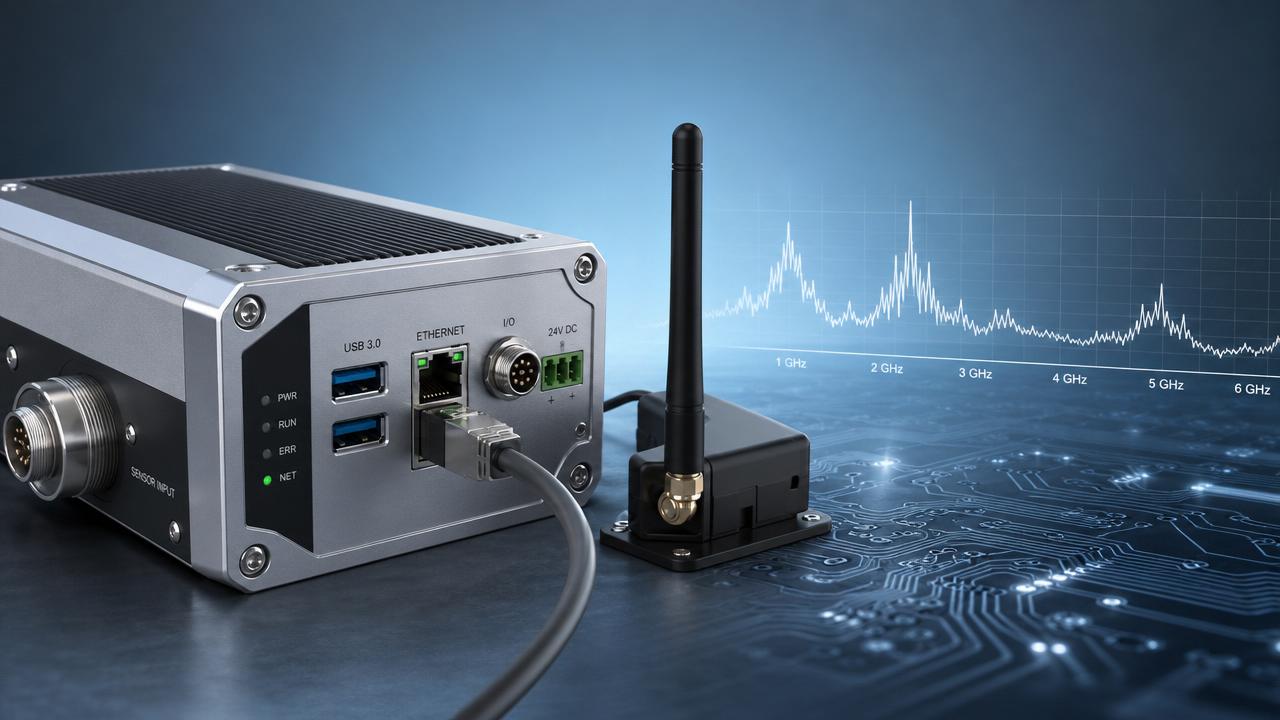
 EN 61000-6-4:2026 Enters Force for Industrial EMC ComplianceEN 61000-6-4:2026 is now mandatory for industrial EMC compliance — stricter 1–6 GHz emissions & dynamic AI-device testing. Act now to avoid EU market delays.
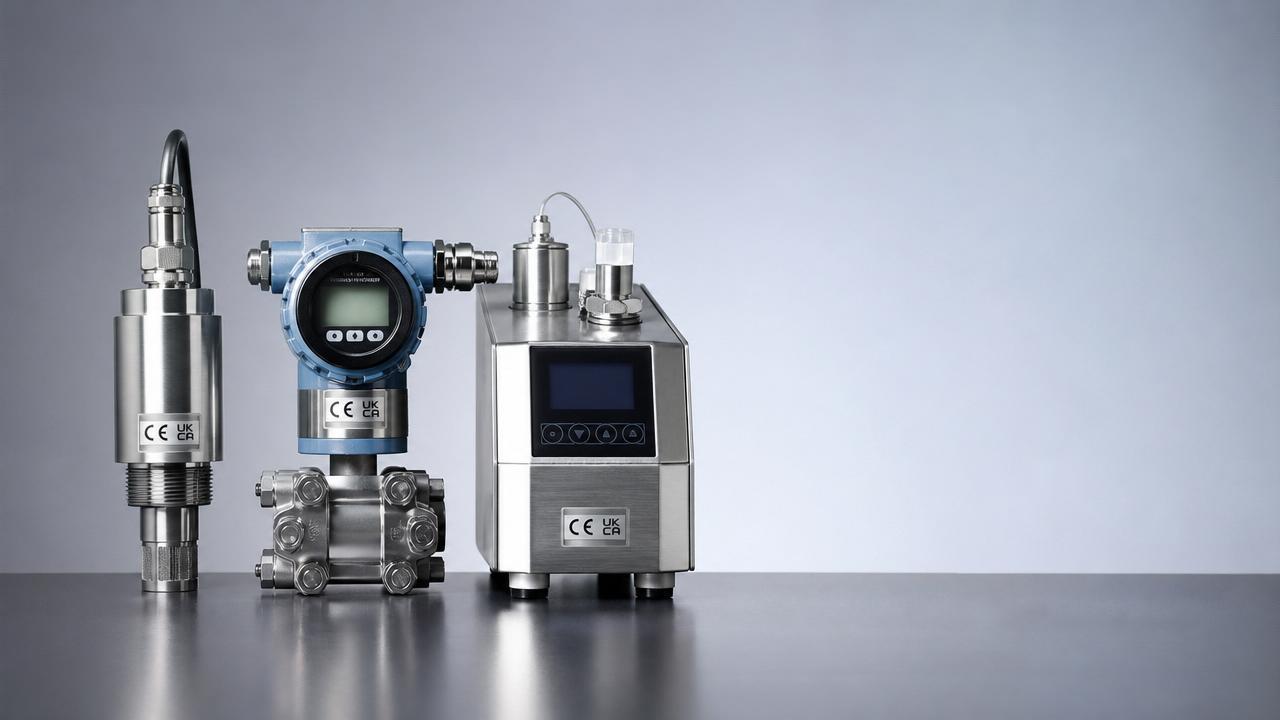
 New China Export Rules for Instruments Effective May 2026New China export rules for instruments require CNAS-issued CE/UKCA reports by May 2026 — ensure compliance now to avoid EU/UK shipment delays.
 EU CE-EPD Digital Compliance Label Mandatory from May 2026EU CE-EPD digital compliance label becomes mandatory for instrumentation exports from May 2026 — discover how Chinese OEMs, suppliers & EMS providers can prepare now.

Chat Online