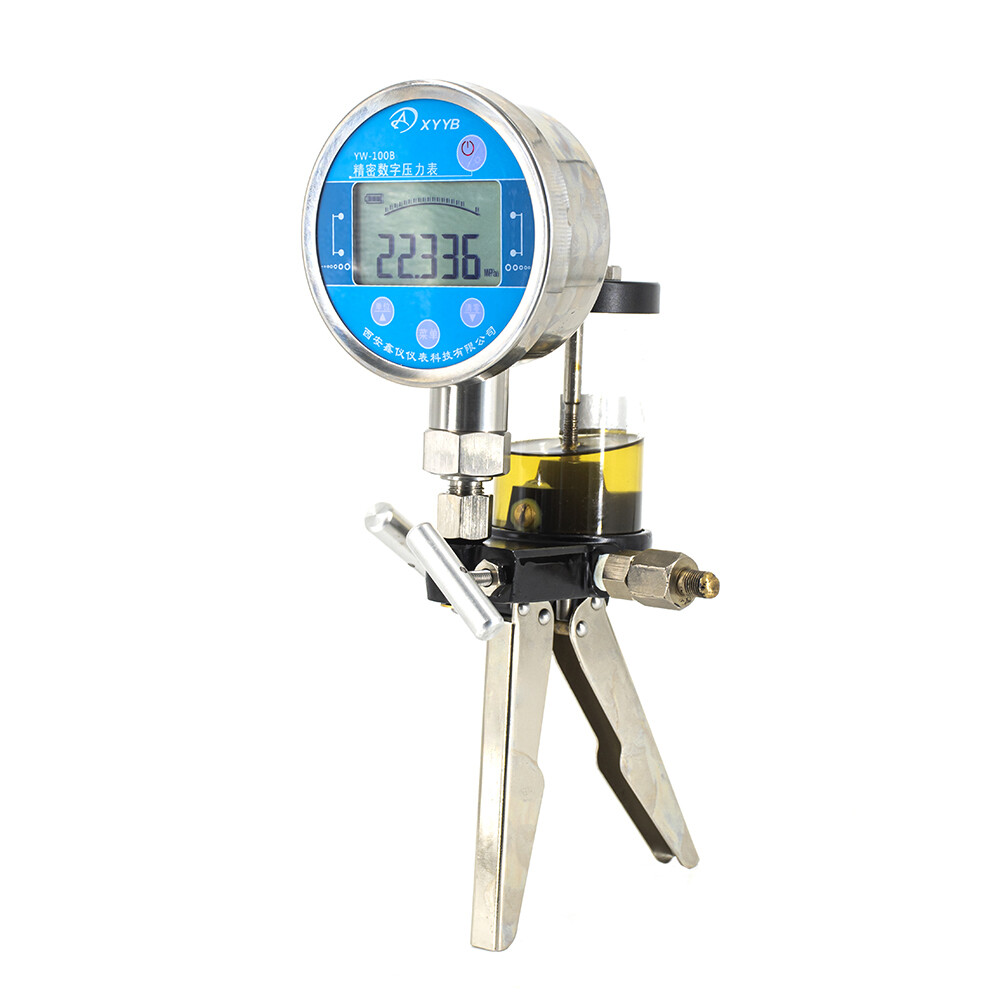
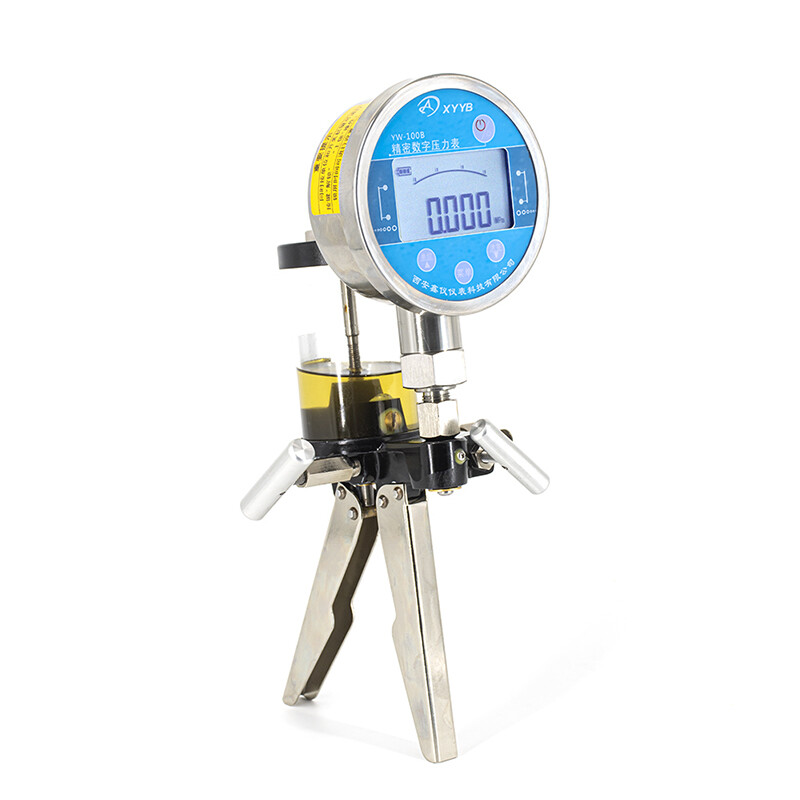
How to choose the dial size of the pressure gauge?

Choosing the Right Pressure Gauge Dial Size

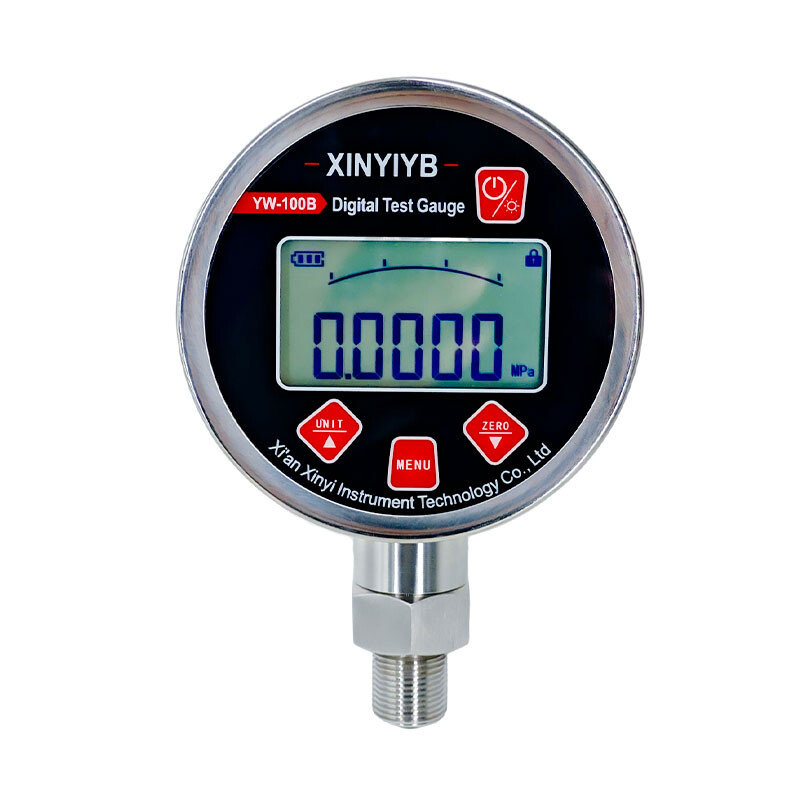
A pressure gauge is a tool for measuring water, gas, fluid, or steam intensity in a pressure-powered machine. This method helps make sure there are no pressure changes or leaks that would hinder system performance. The pressure gauge dial size often ranges from 1 ½ inches (40mm) to 16 inches (400mm).

The size is typically based on the needs of individual applications. Most commonly used gauges across industrial HVAC, marine, and oil & gas markets, range from 1 ½ inches (40mm) to 6 inches (150mm). When selecting the ideal gauge dial size, there are other factors to consider. The steps below can help.

Steps for Identifying Your Pressure Gauge

The pressure gauge dial size is from less than 1 inch to 16 inches in diameter. Generally, the required gauge accuracy, space limitation, and other factors determine the dial size. Accuracies of 0.25% or 0.5% often have a pressure gauge dial size of 4½ inches or bigger, since you need more dial graduations. Here are the elements to consider.

Case (Enclosure/Housing)

What is it made of? Gauge cases often come in stainless steel, plastic, black-painted aluminum, brass, or other materials. If the gauge is exposed to humidity or liquid, you need a hermetically sealed or waterproof gauge.

Also, think about the structural design of the case – whether it has an open or solid front. Most gauges don’t need a solid front, as you will be using them for general pressure measurement. But, if there is a higher concern for process media, like in refineries, then a solid front gauge can work.

Vibration and Pulsation Protection

Does the gauge have a throttling device, or/and is it liquid-filled? This is important since it keeps the measuring instrument safe. The throttle plug or screw mitigates the pressure changes, while the liquid fill decreases the impact of vibration.

Accuracy

Check the pressure gauge accuracy. Most gauges meet EN 837-01 or ASME B40.100 standards. The bigger the figure intervals/graduations, the greater the instrument accuracy.

Connection Size

A range of pressure connections is available on the market. Figure out the thread type you use for better installation. In the United States, the most popular standard is NPT (National Pipe Thread).

Connection Location

Consider the space restrictions of your instrument. For example, where are the mounting locations? When you need a new pressure gauge mount, think about the following mounting options:

  • Panel mount
  • Stem mount
  • U-clamp flush mount
  • Front flange flush mount
  • Wall/surface mount

Pressure Ranges

Double-check the dial pressure range. If there is pulsation, the max operating gauge pressure shouldn’t reach 50% of the full-scale range.

Pressure transmitter.png

Time : Dec 13, 2024
News Recommended

Pressure Transmitters for Industrial Pressure Measurement

Xinyi Instrument supplies pressure transmitters for process control, hydraulic systems, petrochemical plants, water treatment, HVAC, power generation and general industrial pressure monitoring. Our pressure transmitter range covers gauge pressure, absolute pressure, differential pressure, high temperature media and digital communication applications.

Choose from compact pressure transmitters, smart 3051 differential pressure transmitters, diaphragm seal models, RS485 digital pressure transmitters and high frequency dynamic pressure sensors. Standard outputs include 4-20 mA, voltage output, HART and RS485 Modbus options, with stainless steel wetted parts and custom process connections available on request.

Pressure Transmitter Parameters

Pressure Types Gauge, absolute, negative pressure, differential pressure
Measuring Range From low differential pressure to high pressure ranges up to 100 MPa, depending on model
Output Signals 4-20 mA, 0-5 V, 1-5 V, 0-10 V, RS485 Modbus, HART options
Accuracy Typical options include 0.1%, 0.2%, 0.25% and 0.5% FS
Process Connection M20 x 1.5, G1/4, G1/2, NPT and customized thread connections
Wetted Materials Stainless steel, 316L diaphragm and corrosion-resistant sealing options
Media Water, oil, gas, air, steam and compatible liquid or gas media
Applications Pipeline pressure, tank level, flow differential pressure, hydraulic pressure and automation systems

Recommended Pressure Transmitter Series

  • Xinyi YW-150 - differential pressure transmitter for stable industrial measurement.
  • Xinyi YW-3051DP - smart differential pressure transmitter for process control.
  • Xinyi YW-130 / YW-140 - compact pressure transmitters for general pressure monitoring.
  • RS485 Digital Pressure Transmitter - Modbus communication for remote monitoring systems.
  • High Temperature Pressure Transmitter - designed for hot media and demanding process conditions.
  • Siemens, Yokogawa and ABB Options - international brand transmitters available for project matching.

Pressure Transmitter FAQ

What is a pressure transmitter used for?

A pressure transmitter converts the pressure of liquid, gas or steam into a standard electrical signal for PLC, DCS, recorder or control instrument input. It is widely used for pipeline pressure, tank level, flow measurement and process safety monitoring.

How do I choose the right pressure transmitter?

Confirm the pressure range, pressure type, medium, temperature, output signal, accuracy, installation thread, electrical connection and environmental requirements. For corrosive media, high temperature or sanitary applications, diaphragm material and sealing structure are especially important.

What is the difference between gauge, absolute and differential pressure transmitters?

Gauge pressure transmitters measure pressure relative to atmospheric pressure. Absolute pressure transmitters measure pressure relative to vacuum. Differential pressure transmitters measure the pressure difference between two points and are commonly used for flow, filter and level measurement.

Can Xinyi Instrument provide customized pressure transmitters?

Yes. Xinyi Instrument can support customized pressure ranges, process connections, output signals, cable length, display options and model selection for different industrial applications.