


The 2026 NAMUR China Annual Conference opened in Shanghai on October 21 and runs through October 22, with KROHNE supporting the event as a sponsor. Its focus on autonomous factories brings together field instrumentation, process diagnostics, AI safety and operations and maintenance, digitalization of functional safety, and explosion protection compliance. From an industry perspective, these topics could inform how equipment suppliers, plant operators and engineering teams assess automation projects. The supplied information identifies an industry discussion agenda; it does not establish a new regulation, certification requirement or implementation deadline.
Safety and Compliance Feature in the Autonomous Factory Agenda
The conference takes “Facing the Future: Milestones for Building Autonomous Factories” as its central theme. The event takes place in Shanghai on October 21–22, 2026.
Its topics cover field instruments, process diagnostics, AI safety and operations and maintenance, digitalization of functional safety, and explosion protection compliance. KROHNE is sponsoring the conference and joining industry experts to explore the future development of process automation and instrumentation technologies.
Where the Agenda Could Influence Equipment and Project Decisions
Instrument specifications may face broader scrutiny
Analysis suggests that discussing instrumentation alongside diagnostics and safety could encourage buyers to examine how proposed instruments support the wider automation application. For equipment suppliers, possible implications include closer questions about diagnostic capabilities, technical documentation and suitability for the intended operating conditions. Any additional purchasing criteria would need to be confirmed in individual project specifications.
System integration may require closer coordination with safety reviews
For engineering contractors and equipment integrators, the combination of autonomous operation, functional safety digitalization and explosion protection could make coordination between technical design and compliance review more prominent. As a practical consideration, teams could assess whether proposed automation functions are consistent with the safety documentation and approval conditions applicable to each project. The conference summary does not establish a revised approval procedure.
Operations teams may seek clearer evidence for AI applications
From an operational perspective, the inclusion of AI safety and maintenance topics may prompt plant operators and service providers to examine how AI-supported functions would be assessed, maintained and supervised. Potential effects could appear in procurement questions, acceptance criteria and service arrangements. These remain possible responses to the agenda, rather than confirmed changes in operating requirements.
Documentation and Project Requirements Deserve Early Review
Check what a compliance claim actually covers
As a practical recommendation, buyers considering equipment for projects involving explosion protection could review whether the supplied compliance evidence matches the proposed configuration and intended application. Suppliers could prepare supporting documentation for customer review. No new certificate, marking requirement or certification transition is identified in the supplied information.
Clarify the evidence behind digital safety functions
Analysis suggests that companies evaluating digital approaches to functional safety could clarify what documentation supports the proposed functions and how changes would be reviewed during the project. The appropriate scope would depend on the actual application and applicable requirements; it cannot be determined from the conference agenda alone.
Translate AI discussions into specific evaluation questions
For prospective AI applications, a useful preparatory step could be to ask vendors to explain intended functions, operating limitations and maintenance responsibilities. Procurement and operations teams could then assess those answers against their project needs. Such questions would support evaluation without implying that the conference has introduced a mandatory AI approval framework.
Confirm requirements before adjusting procurement or delivery plans
Companies could monitor whether subsequent conference materials or customer tender documents introduce concrete technical expectations. Any decision to revise supplier qualification, acceptance documentation or delivery schedules should be based on verified requirements. The available summary provides no basis for assuming an immediate change to trade procedures or market access conditions.
An Industry Agenda Signal, with Implementation Still to Be Verified
As an editorial assessment, the conference is best understood as a signal of the subjects receiving industry attention as autonomous factory concepts are discussed. Placing diagnostics, AI, functional safety and explosion protection within the same agenda suggests that technical capability and compliance assurance warrant joint consideration.
Whether these discussions lead to changes in procurement practice or compliance expectations remains open. Further evidence would be needed to establish any resulting standards revisions, certification interpretations or project requirements. KROHNE’s sponsorship confirms its participation in the event; it does not by itself demonstrate a regulatory change or a new compliance status for any product.
Use the Conference Agenda to Guide Targeted Preparation
Analysis suggests that the immediate value for industry participants lies in identifying questions to address before selecting or integrating automation equipment. Reviewing diagnostic evidence, safety documentation and the boundaries of proposed AI functions could help companies prepare for more detailed project discussions. At this stage, the event is most appropriately treated as a prompt for technical and compliance review, with any operational changes tied to subsequently verified requirements.
Basis of This Report and Points for Follow-Up
This article is based solely on the news title, event dates and event summary supplied by the user. Specific official source links were not provided in the input, and further verification remains necessary.
Relevant materials for subsequent verification could include official conference announcements, published presentations, standards documents and certification guidance, where available. Follow-up observation should focus on whether these materials identify concrete requirements, whether tender documents change, and how equipment suppliers, integrators and plant operators respond. No such implementation outcome is confirmed by the supplied information.



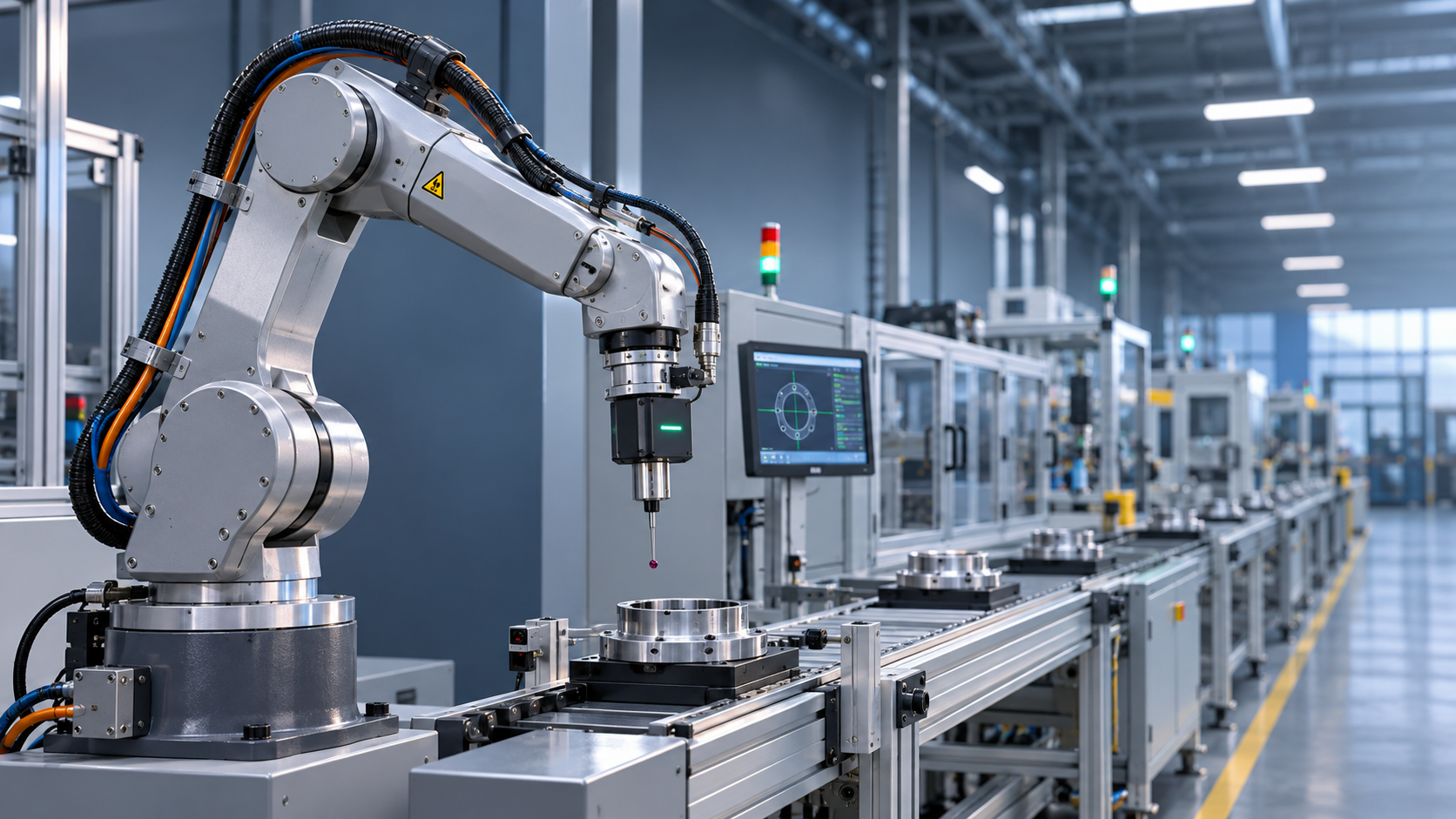
 China Blocks SoftBank's $5.4 Billion Acquisition of ABB Robotics BusinessChina blocks SoftBank's $5.4 billion ABB Robotics acquisition after a security review. Discover what the decision means for cross-border automation deals.
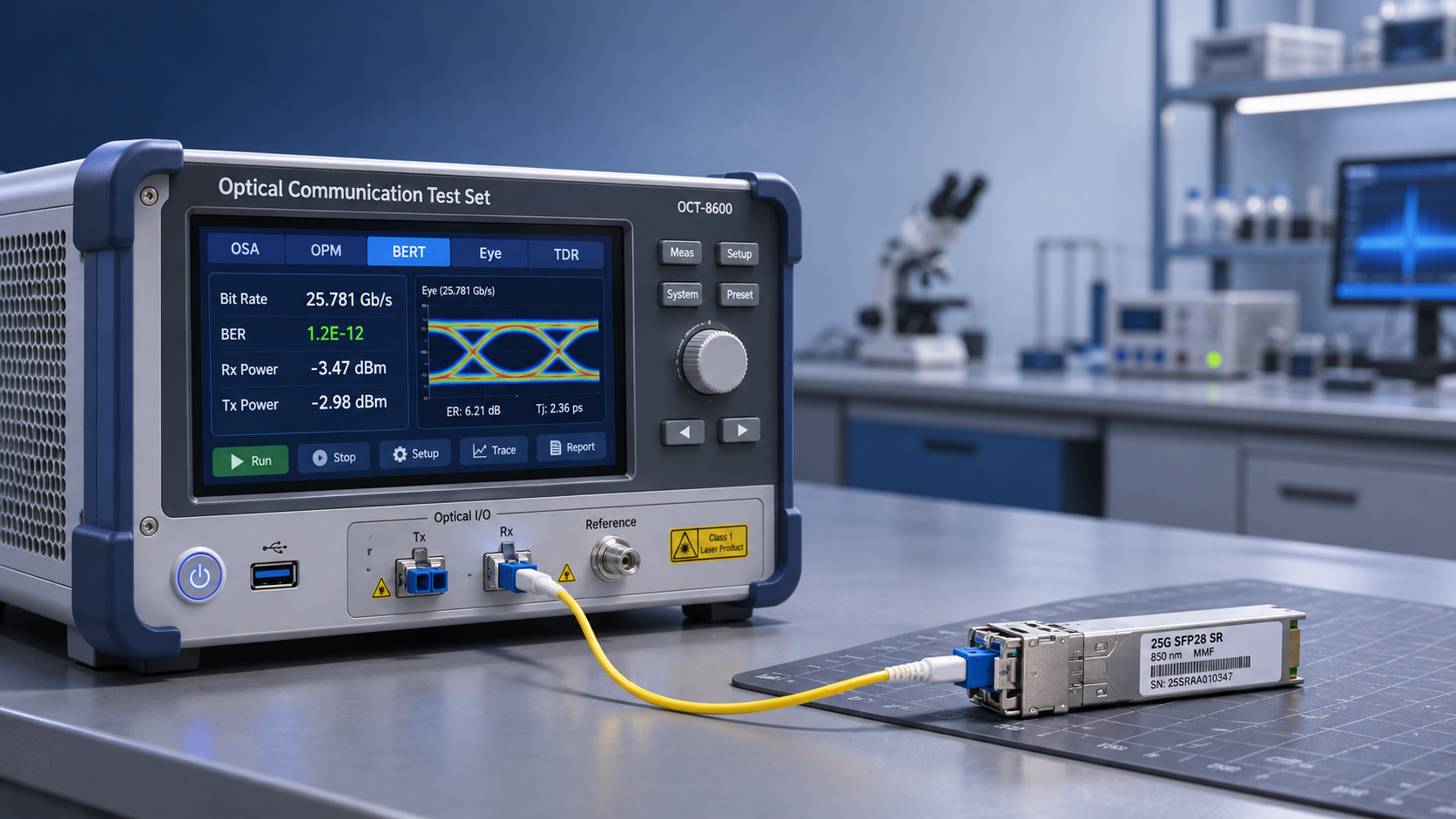
 Marvell Plans $115 Billion Lumentum Acquisition in All-Stock DealMarvell’s proposed $115 billion Lumentum acquisition could reshape optical components and testing. Explore what the all-stock deal means for suppliers.
 Second Analytical Science and Instruments Conference Held in WuhanThe Second Analytical Science and Instruments Conference in Wuhan brought together over 4,000 participants to explore AI and instrument innovation. Discover the key themes.
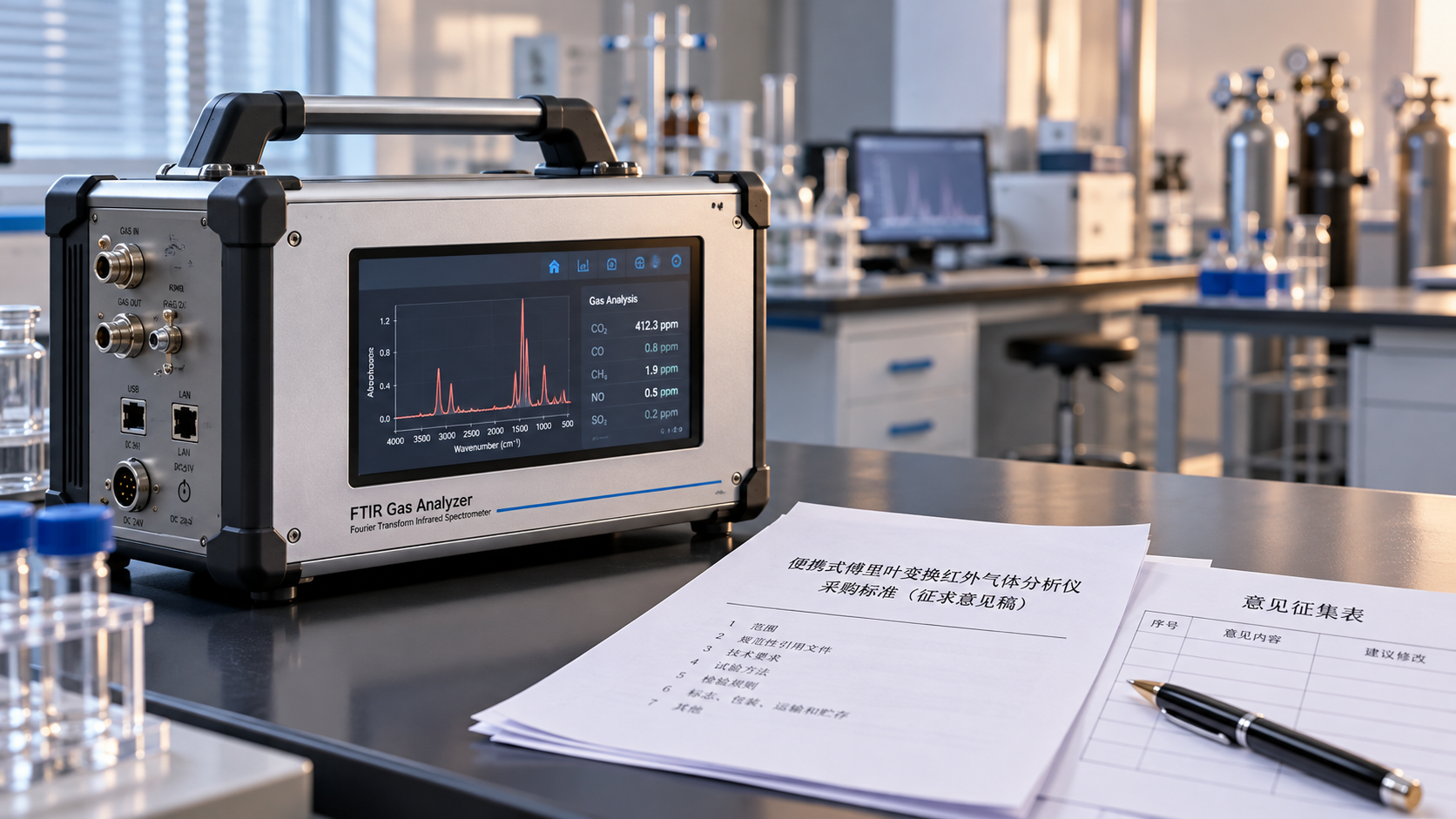
 First Domestic Product Standards for Government Procurement Open for CommentDomestic product standards for government procurement are open for comment. Explore potential implications for instrument suppliers and buyers.
 China Instrumentation Society Publishes Proposed 2026 Science and Technology AwardsChina Instrumentation Society’s proposed 2026 Science and Technology Awards are open for comment. Discover what the review could mean for instrumentation innovation.
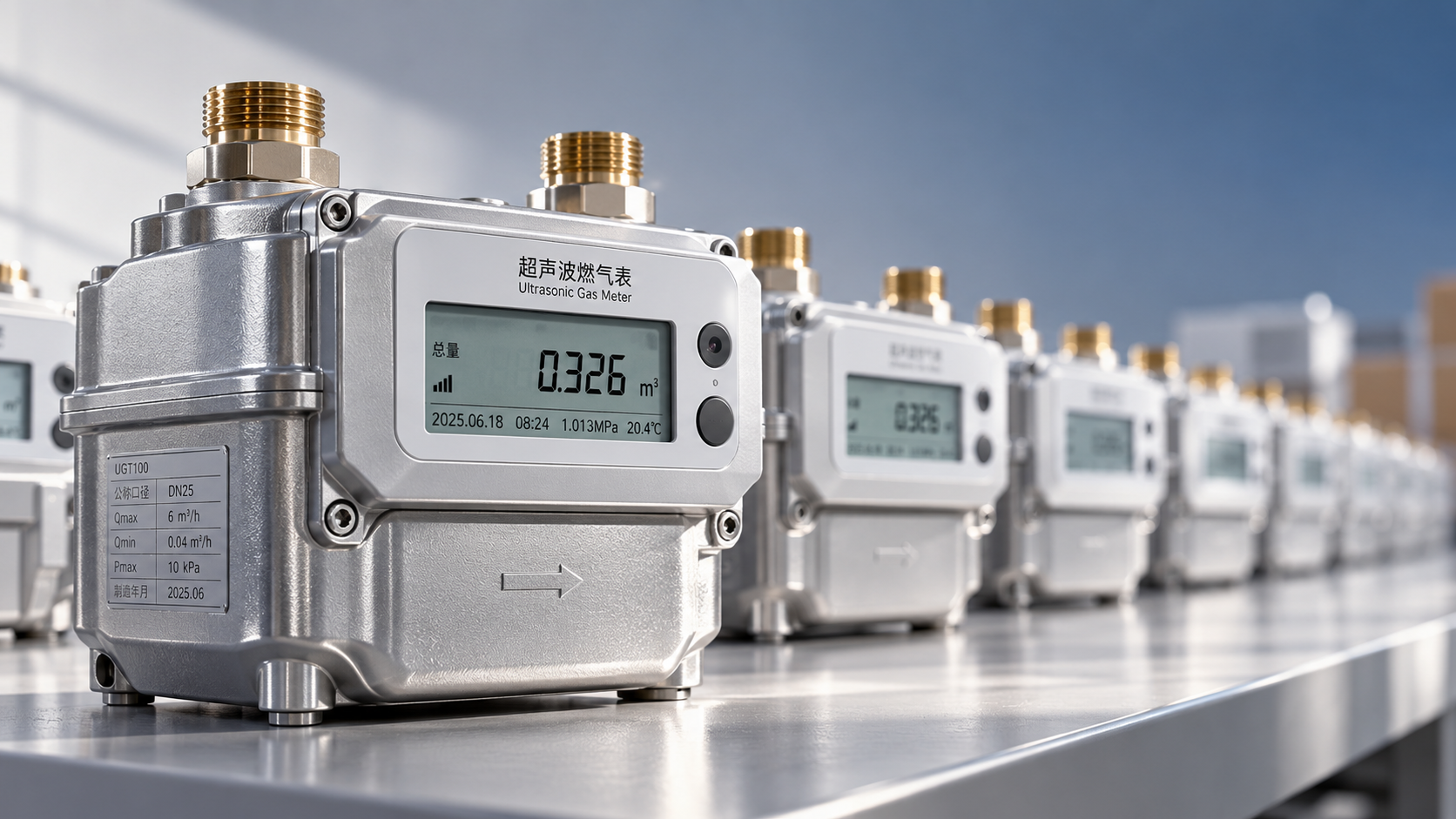
 Instrument Network: October Gas Meter Tenders Point to Large-Scale Ultrasonic ProcurementUltrasonic gas meter procurement is gaining momentum in China. Explore October tender trends and key considerations for buyers and suppliers.


Chat Online