


In an analysis published on October 29, Instrument Network reported active gas meter tendering and procurement in China's market in October 2026 and identified a move toward large-scale purchasing of ultrasonic meters. The timing of the underlying market developments was not specified beyond the month covered. No specific policy, regulation or standard change was identified in the input; the reported procurement trend nevertheless warrants attention from buyers and manufacturers assessing tender specifications, product selection and delivery plans.
What the October Market Analysis Reported
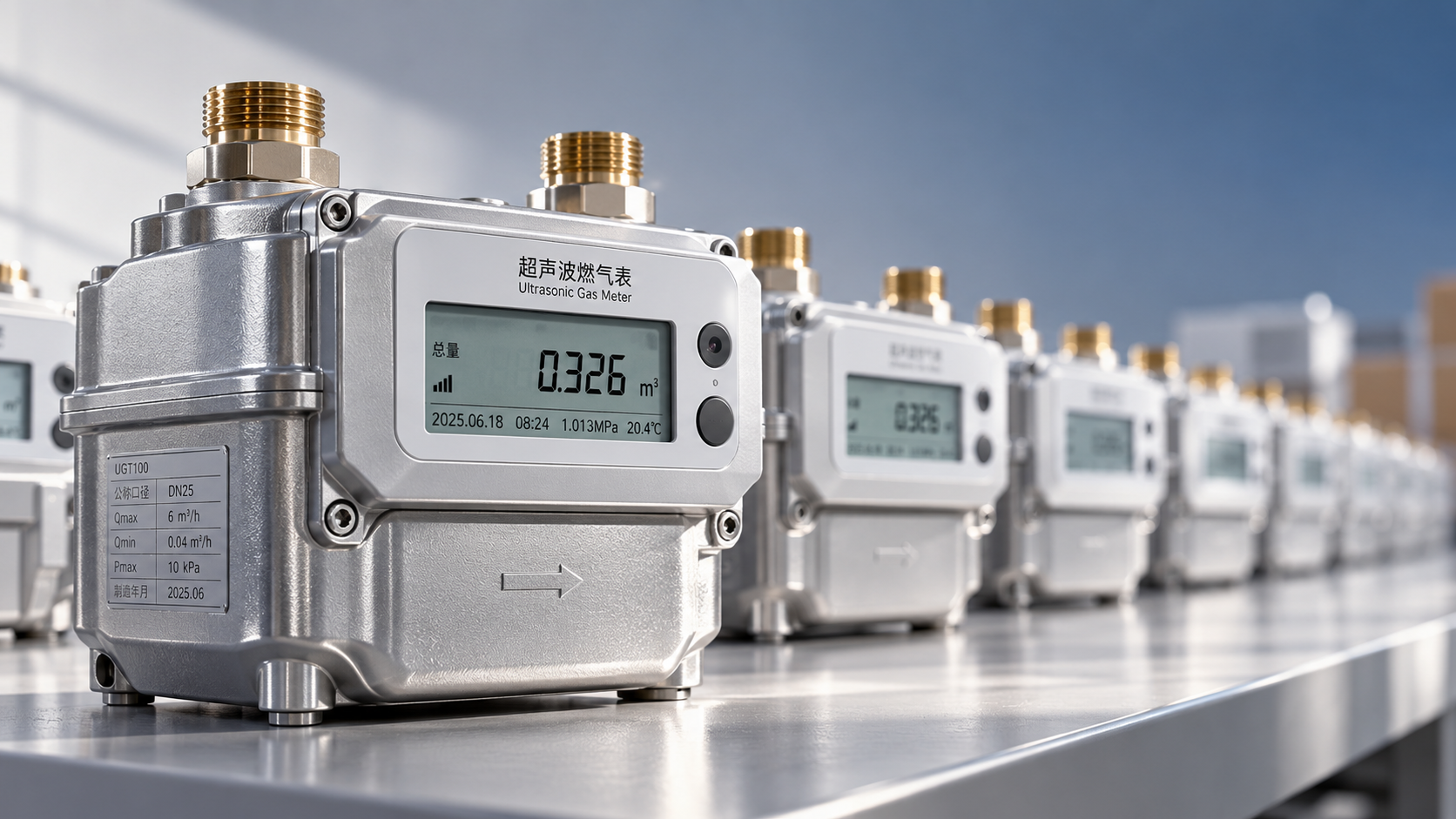
Instrument Network's analysis described the October 2026 domestic gas meter tendering and procurement market as active and said ultrasonic gas meters were entering a period of large-scale procurement. It linked the shift from traditional diaphragm meters toward ultrasonic meters to wider natural gas adoption and the modernization of aging pipeline networks. The analysis also reported increasing differentiation across the sector, with leading companies widening their advantage in technology development and market share.
Where the Procurement Shift May Be Felt
Product selection and tender preparation
From a procurement perspective, a larger role for ultrasonic meters could change how buyers compare products and prepare tender documents. Buyers may need to examine whether the specifications in individual tenders clearly distinguish the intended meter type and its suitability for the relevant installation. This is an analytical consideration, not a reported change to procurement rules.
Manufacturing and supply commitments
Analysis suggests that manufacturers supplying diaphragm and ultrasonic meters may face different product planning and bidding choices as purchasers reassess their requirements. Suppliers could consider how technical documentation, production capacity and delivery schedules align with individual tenders. The input does not establish any new certification requirement or mandatory deadline.
Installation and replacement projects
For organizations involved in pipeline modernization or meter installation, a shift in meter selection could affect compatibility checks and project coordination. The practical implications would depend on the specifications and conditions of each project; the input does not confirm changes to installation procedures or obligations.
Checks for Upcoming Bids
Review the tender specifications
Suppliers and buyers may wish to check each tender for the meter types requested, technical evaluation criteria and supporting documents. The reported market trend alone does not establish a uniform specification across purchases.
Verify product documentation
Manufacturers can review whether available technical documents and any applicable test or certification evidence match the requirements stated in a particular tender. Any relevant requirements should be verified against the actual procurement documents; none are specified in the input.
Assess supply and replacement plans
Where ultrasonic meters are being considered, buyers and suppliers could assess delivery capacity and verify product suitability for the planned replacement or installation. Comparing an ultrasonic option with a diaphragm meter may also help clarify project-specific choices, without assuming that either is required in every case.
A Procurement Signal, Not a New Rule
At this stage, it is more appropriate to understand the report as a market and procurement signal than as evidence of a rule already brought into force. The input identifies no specific policy, standard, certification change or official implementation timetable. Subsequent tender documents and industry feedback may help show whether the reported purchasing trend translates into broader changes in product requirements and supplier selection.
What the Shift Means for Market Participants
The reported move toward larger-scale ultrasonic meter procurement provides a reason for buyers and suppliers to scrutinize upcoming opportunities and technical requirements. Its practical significance remains dependent on individual tenders and project conditions, so it should be treated as an observation to verify rather than a mandatory industry-wide transition.
Basis for This Report and Further Verification
This article is based on the user-provided news title, event-time information and event summary, including the attributed Instrument Network analysis. No specific official source link was provided in the input, and further verification remains necessary. Relevant material to monitor includes subsequent tender documents, official announcements where applicable, and industry and company feedback on procurement and implementation.



 China Blocks SoftBank's $5.4 Billion Acquisition of ABB Robotics BusinessChina blocks SoftBank's $5.4 billion ABB Robotics acquisition after a security review. Discover what the decision means for cross-border automation deals.
 Marvell Plans $115 Billion Lumentum Acquisition in All-Stock DealMarvell’s proposed $115 billion Lumentum acquisition could reshape optical components and testing. Explore what the all-stock deal means for suppliers.
 Second Analytical Science and Instruments Conference Held in WuhanThe Second Analytical Science and Instruments Conference in Wuhan brought together over 4,000 participants to explore AI and instrument innovation. Discover the key themes.
 First Domestic Product Standards for Government Procurement Open for CommentDomestic product standards for government procurement are open for comment. Explore potential implications for instrument suppliers and buyers.
 China Instrumentation Society Publishes Proposed 2026 Science and Technology AwardsChina Instrumentation Society’s proposed 2026 Science and Technology Awards are open for comment. Discover what the review could mean for instrumentation innovation.
 Instrument Network: October Gas Meter Tenders Point to Large-Scale Ultrasonic ProcurementUltrasonic gas meter procurement is gaining momentum in China. Explore October tender trends and key considerations for buyers and suppliers.



Chat Online