


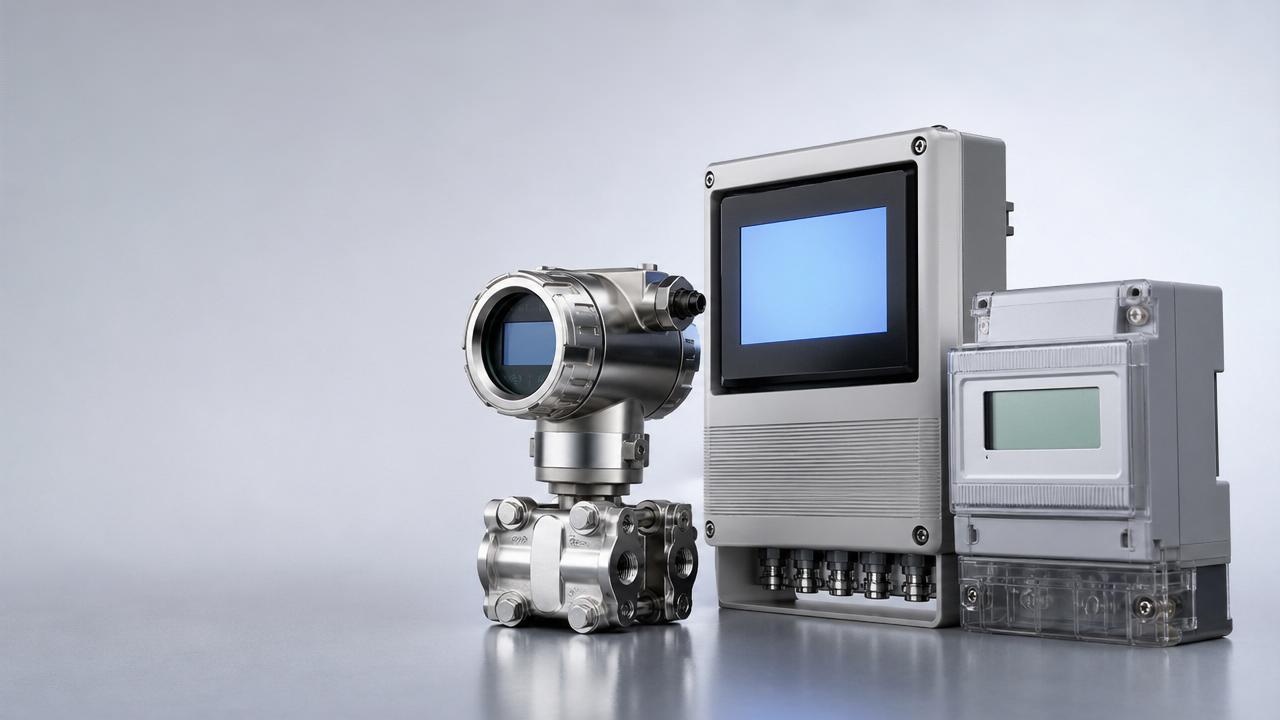
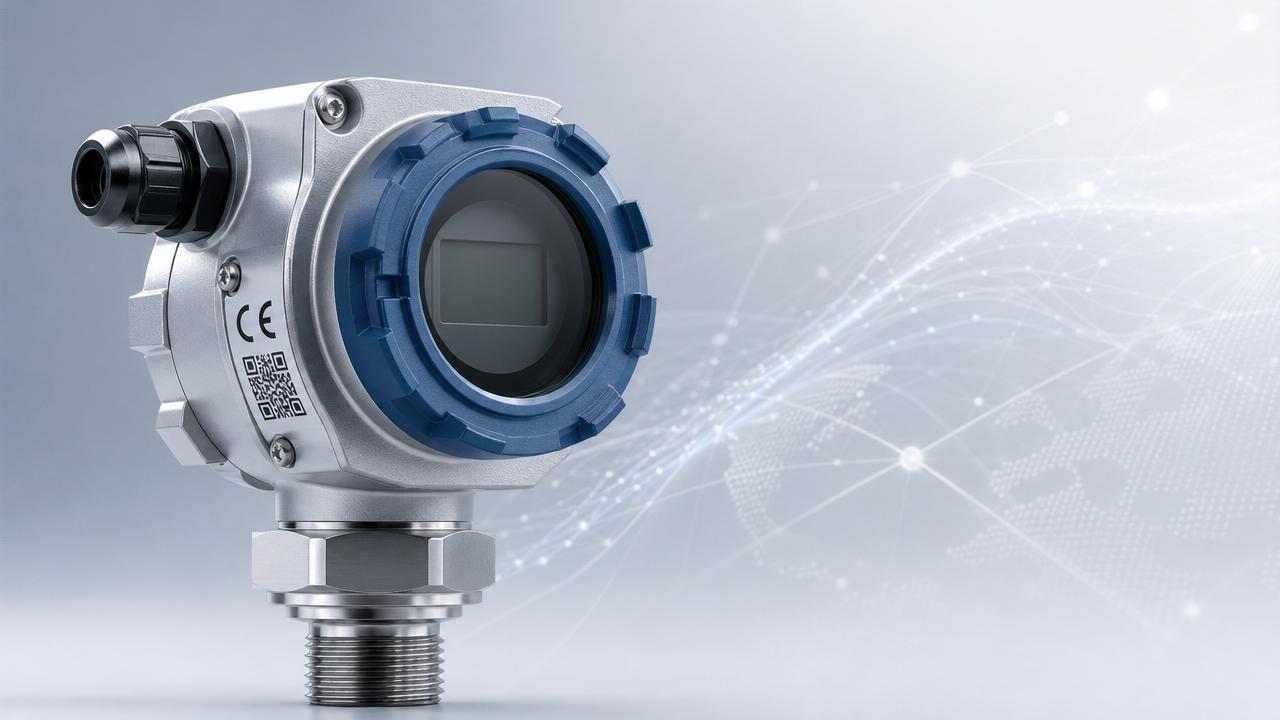
4-20mA pressure transmitter is a sensor that converts pressure signals into 4-20mA current signals and is widely used in various industrial automation control systems. Its working principle is to convert the measured pressure into an electrical signal through a sensitive element, and then process it through the internal circuit of the transmitter to output a standard current signal of 4-20mA. This design gives the pressure transmitter strong anti-interference ability, long transmission distance, and easy interface with standard instruments and control systems.
Working principle
The working principle of a 4-20mA pressure transmitter mainly includes the following steps:
1. Pressure measurement: The pressure transmitter senses the measured pressure by measuring the diaphragm, causing slight deformation of the diaphragm.
2. Signal conversion: High precision circuits convert this deformation into a voltage signal proportional to pressure.
3. Signal processing: Convert the voltage signal into a 4-20mA current signal output through the chip.
Application scenarios
4-20mA pressure transmitters are widely used in various industrial automation control environments, including:
1. Water conservancy and hydropower: used for monitoring parameters such as water level and flow rate.
2. Railway transportation: used for monitoring parameters such as track pressure and vibration.
3. Intelligent building: used to monitor parameters such as pressure and temperature inside the building.
4. Aerospace: used for monitoring parameters such as cabin pressure and engine pressure in aircraft.
5. Petrochemical, power, shipbuilding, machine tool, pipeline and other industries: used for pressure monitoring and control in various process flows
Advantage
1. Good stability: 4-20mA current signals are less affected by line resistance during transmission and have better stability.
2. Strong anti-interference ability: Current signals have low sensitivity to electromagnetic interference and are suitable for complex electromagnetic environments.
3. Long transmission distance: The attenuation of current signals during transmission is relatively small, making it suitable for long-distance transmission.
4. Easy to interface: 4-20mA, as an internationally recognized standard signal, is convenient for connecting with various instruments and control systems.
Contact


 1259 New National Standards Take Effect in May 20261259 new national standards effective May 2026 mandate GFAAS, LC-MS/MS & GC-MS for compliance—key for exporters, labs & instrument suppliers.
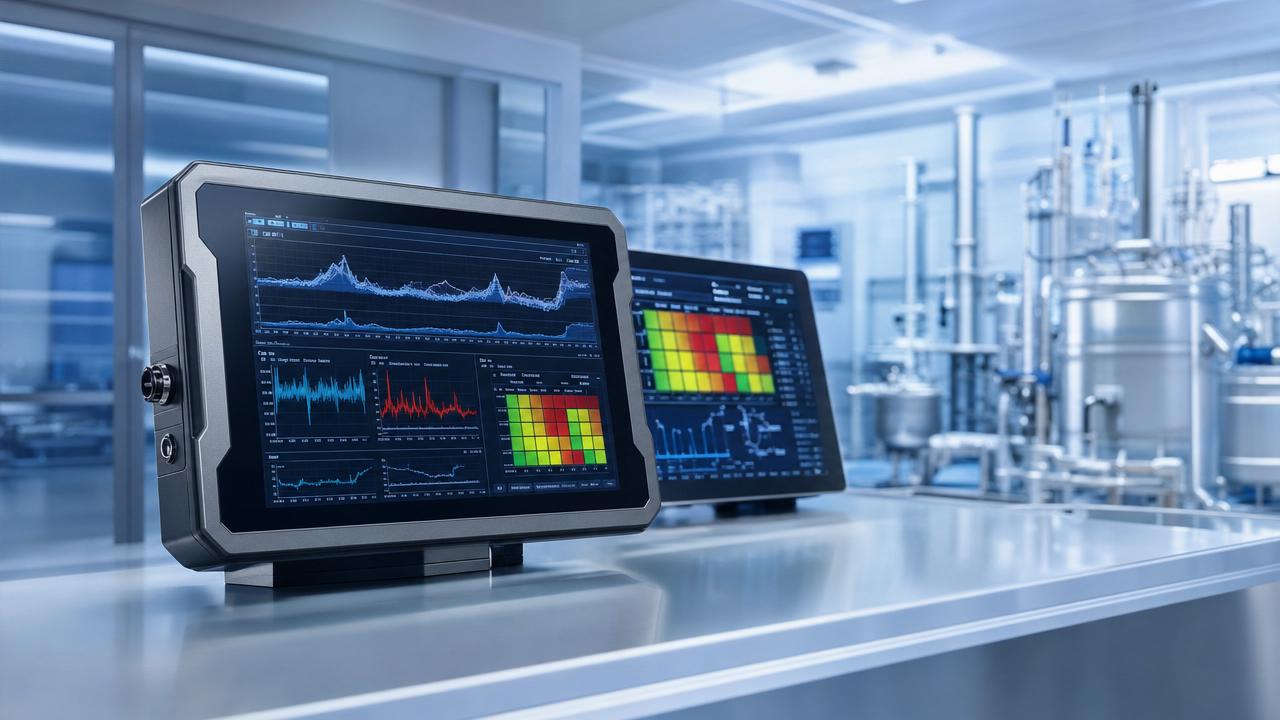
 GWM Patents AI-Driven Multi-Screen Quality Switching for Vehicle HMIsGWM's AI-driven multi-screen quality switching patent unlocks adaptive display tech for industrial HMIs, DCS stations & explosion-proof touchscreens — watch for certified deployments.
 US-China Tariffs Unified at 10% for InstrumentsUS-China tariffs on instruments unified at 10%—boosting cost efficiency for industrial process instruments, environmental monitoring equipment & energy meters. Act now.
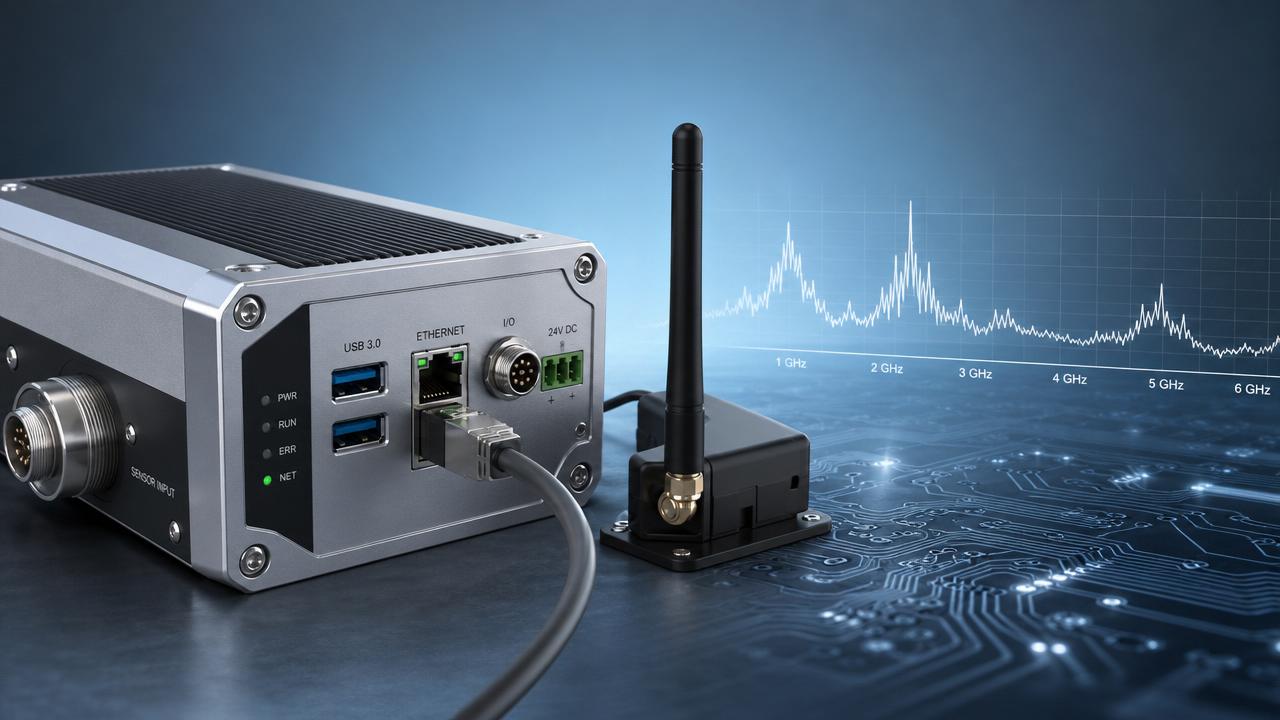
 EN 61000-6-4:2026 Enters Force for Industrial EMC ComplianceEN 61000-6-4:2026 is now mandatory for industrial EMC compliance — stricter 1–6 GHz emissions & dynamic AI-device testing. Act now to avoid EU market delays.
 New China Export Rules for Instruments Effective May 2026New China export rules for instruments require CNAS-issued CE/UKCA reports by May 2026 — ensure compliance now to avoid EU/UK shipment delays.
 EU CE-EPD Digital Compliance Label Mandatory from May 2026EU CE-EPD digital compliance label becomes mandatory for instrumentation exports from May 2026 — discover how Chinese OEMs, suppliers & EMS providers can prepare now.

Chat Online