


The 475 field communicator is a communication device primarily used to communicate with Rosemount devices, perform parameter settings, fault diagnosis, and data recording operations. It is a new generation communicator launched by Emerson Process Management, an improved and upgraded model of the Rosemount 375 handheld controller, supporting HART communication protocol and Foundation fieldbus communication protocol. It has the characteristics of universality, reliability, portability, intrinsic safety, and easy upgrade
The main functions and features of the 475 field communicator include:
-
Communication protocol support: Supports HART and Foundation fieldbus communication protocols, suitable for various industrial automation scenarios
-
Easy upgrade: users can upgrade at any time through the Internet, avoiding the delay caused by sending to the service center
-
Powerful features: supporting parameter settings, fault diagnosis, data recording, and other functions, with universality and reliability
-
Portability: Designed to be lightweight, easy to operate and maintain on site
-
Intrinsic safety design: suitable for use in hazardous environments, ensuring operational safety
The basic steps for using the 475 field communicator include:
1. Power on operation: Press the power switch, the device will automatically start and perform self check.
2. Equipment configuration: Select the necessary operations on the main interface, such as parameter settings, fault diagnosis, data recording, etc., and enter the corresponding commands or parameters according to the prompts.
Contact


 1259 New National Standards Take Effect in May 20261259 new national standards effective May 2026 mandate GFAAS, LC-MS/MS & GC-MS for compliance—key for exporters, labs & instrument suppliers.
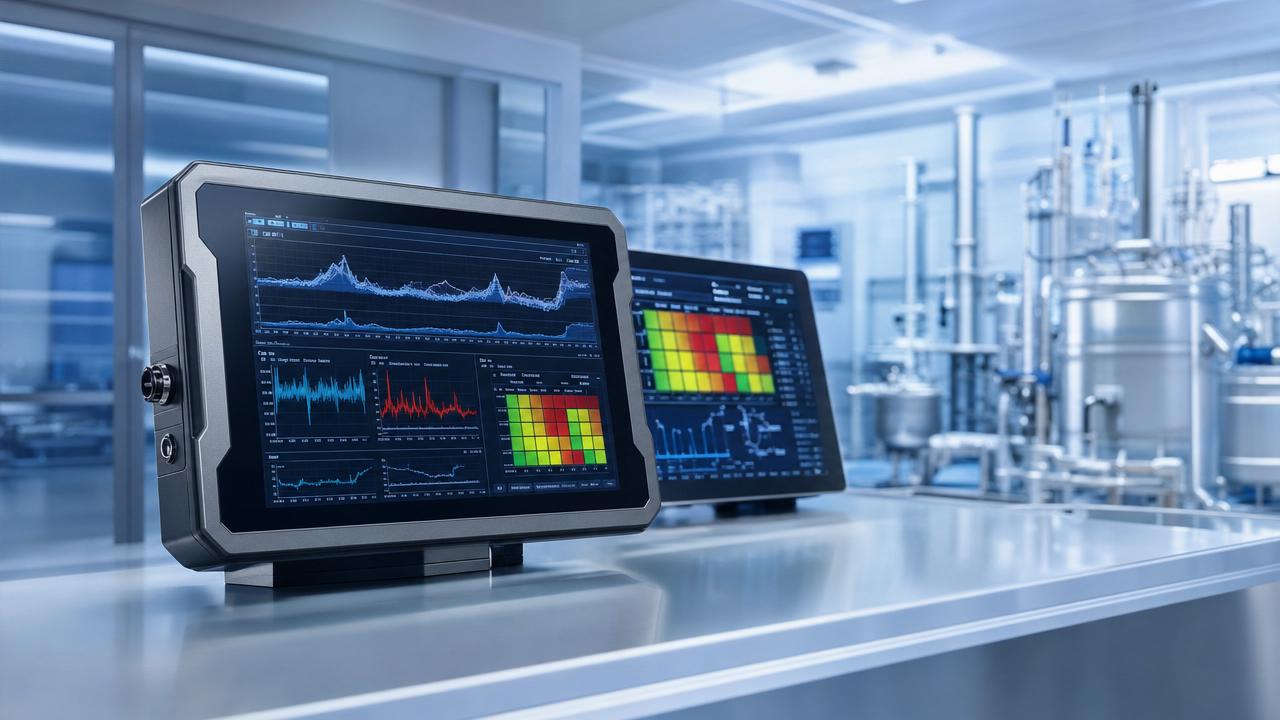
 GWM Patents AI-Driven Multi-Screen Quality Switching for Vehicle HMIsGWM's AI-driven multi-screen quality switching patent unlocks adaptive display tech for industrial HMIs, DCS stations & explosion-proof touchscreens — watch for certified deployments.
 US-China Tariffs Unified at 10% for InstrumentsUS-China tariffs on instruments unified at 10%—boosting cost efficiency for industrial process instruments, environmental monitoring equipment & energy meters. Act now.
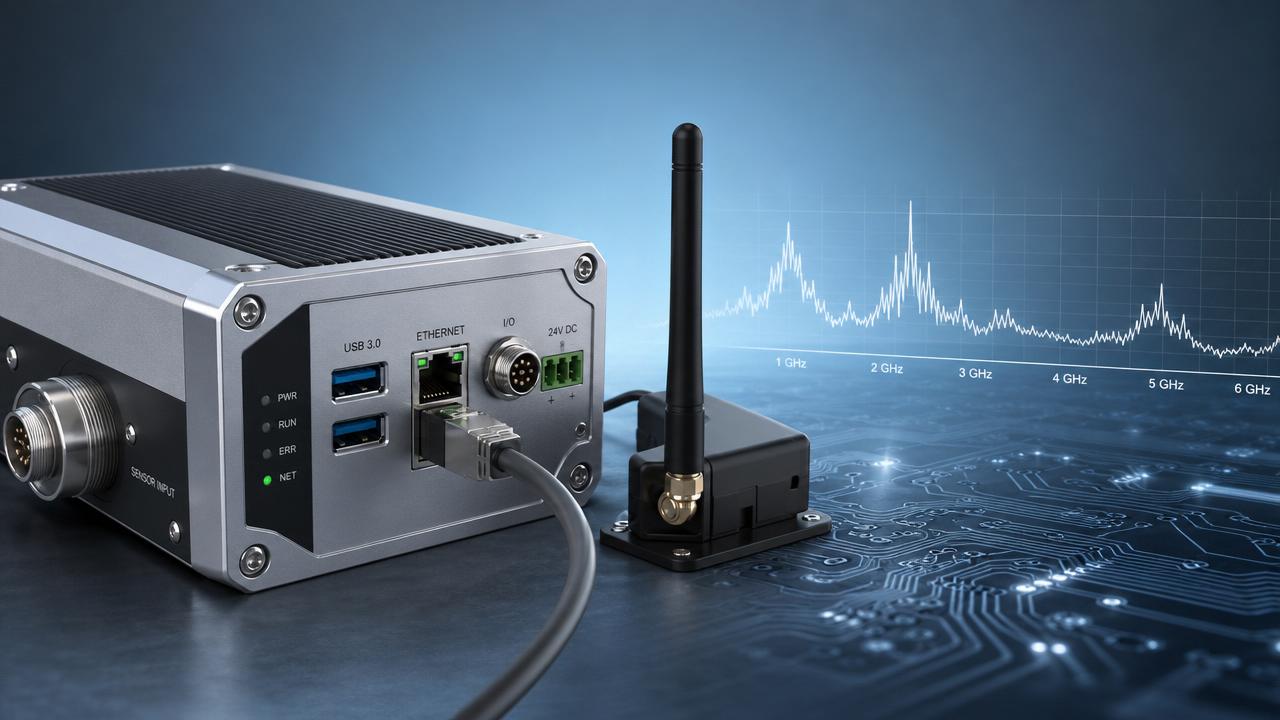
 EN 61000-6-4:2026 Enters Force for Industrial EMC ComplianceEN 61000-6-4:2026 is now mandatory for industrial EMC compliance — stricter 1–6 GHz emissions & dynamic AI-device testing. Act now to avoid EU market delays.
 New China Export Rules for Instruments Effective May 2026New China export rules for instruments require CNAS-issued CE/UKCA reports by May 2026 — ensure compliance now to avoid EU/UK shipment delays.
 EU CE-EPD Digital Compliance Label Mandatory from May 2026EU CE-EPD digital compliance label becomes mandatory for instrumentation exports from May 2026 — discover how Chinese OEMs, suppliers & EMS providers can prepare now.

Chat Online