


Improper use and operation of the valve will lead to valve damage and greatly shorten the service life of the valve; serious, irreversible production accidents may occur, endangering people or the environment.
During use, the gate valve cannot be partially opened to adjust the flow, so as to avoid damage to the sealing surface when the medium flow rate is high, it should be fully opened or fully closed;
2. When turning the handwheel on or off, it is not advisable to use other auxiliary levers;
3. The transmission parts should be lubricated regularly; when the valve is used, oil should be often injected into the rotating part, and the trapezoidal thread part of the valve stem should be oiled.
4. After being put into use, it should be regularly repaired, and the dirt in the inner cavity should be checked to check the sealing surface and the wear of the valve stem nut;
5. When the weather is cold, the water valve is closed for a long time, and the water behind the valve should be removed. After the steam valve is stopped, the condensed water should also be removed.
6. The bottom of the valve is like a plug, which can be opened to drain.
7. Some non-metallic valves are hard and brittle, and some have low strength. When operating, the opening and closing force should not be too large, especially not violent. Also pay attention to avoid object collision.
8. When the new valve is used, the packing should not be pressed too tightly, so as not to leak, so as to avoid too much pressure on the valve stem, speed up the wear and tear, and it is difficult to open and close.


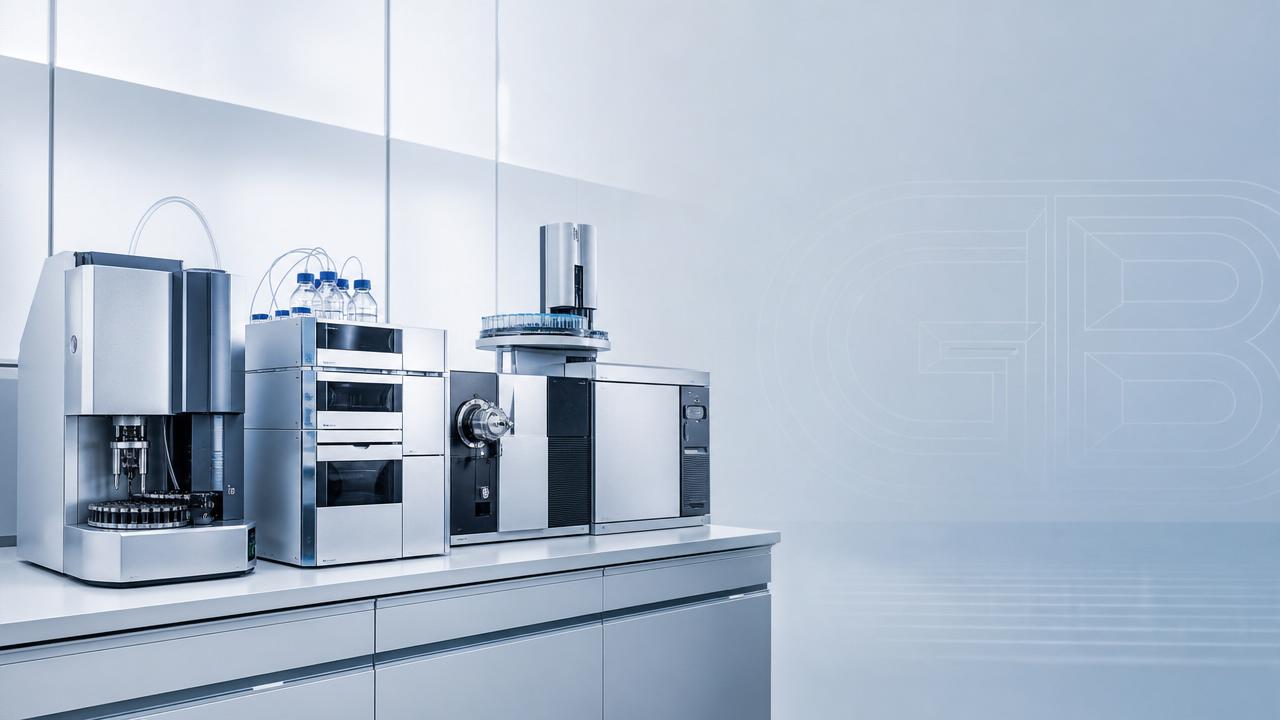
 1259 New National Standards Take Effect in May 20261259 new national standards effective May 2026 mandate GFAAS, LC-MS/MS & GC-MS for compliance—key for exporters, labs & instrument suppliers.
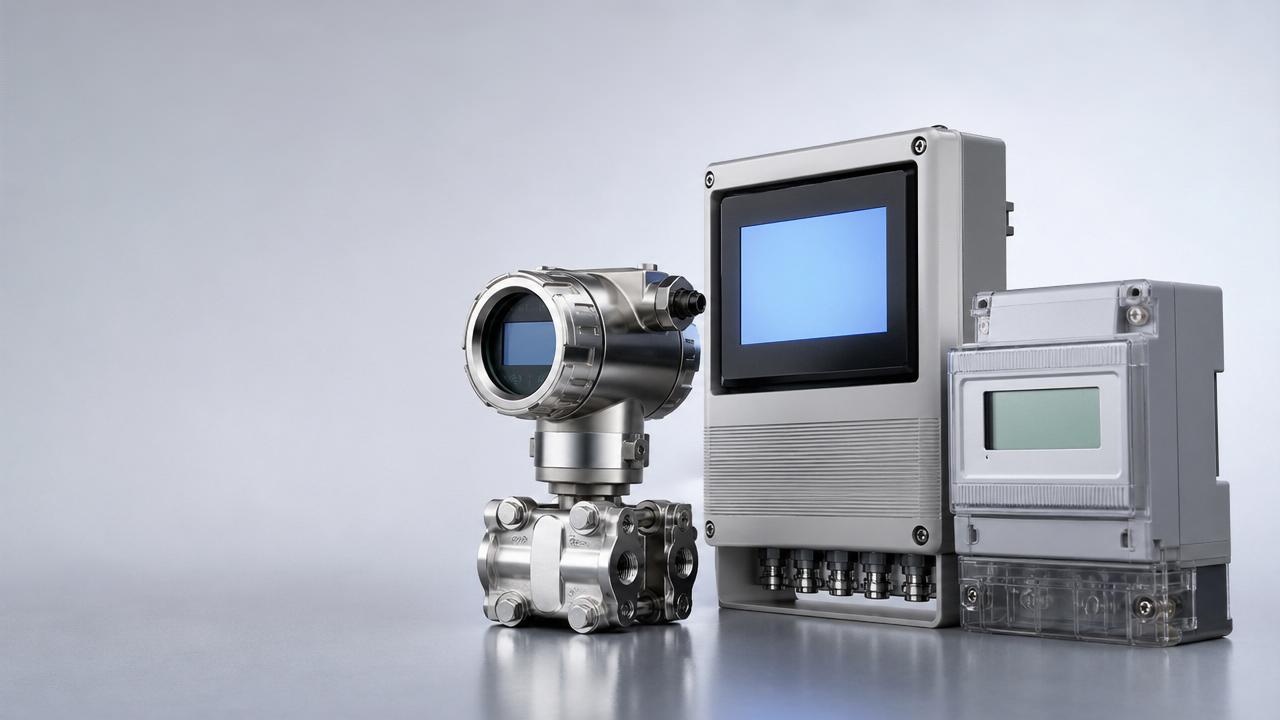
 GWM Patents AI-Driven Multi-Screen Quality Switching for Vehicle HMIsGWM's AI-driven multi-screen quality switching patent unlocks adaptive display tech for industrial HMIs, DCS stations & explosion-proof touchscreens — watch for certified deployments.
 US-China Tariffs Unified at 10% for InstrumentsUS-China tariffs on instruments unified at 10%—boosting cost efficiency for industrial process instruments, environmental monitoring equipment & energy meters. Act now.
 EN 61000-6-4:2026 Enters Force for Industrial EMC ComplianceEN 61000-6-4:2026 is now mandatory for industrial EMC compliance — stricter 1–6 GHz emissions & dynamic AI-device testing. Act now to avoid EU market delays.
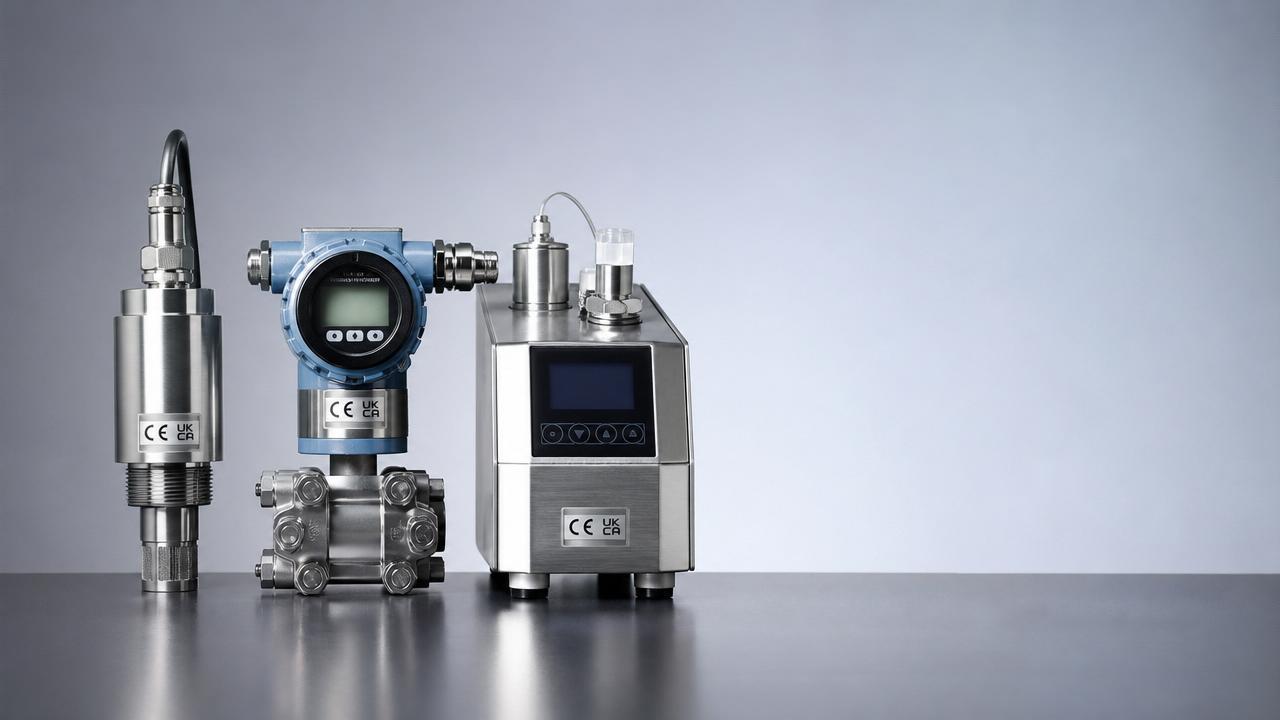
 New China Export Rules for Instruments Effective May 2026New China export rules for instruments require CNAS-issued CE/UKCA reports by May 2026 — ensure compliance now to avoid EU/UK shipment delays.
 EU CE-EPD Digital Compliance Label Mandatory from May 2026EU CE-EPD digital compliance label becomes mandatory for instrumentation exports from May 2026 — discover how Chinese OEMs, suppliers & EMS providers can prepare now.


Chat Online