


The main function of a pressure calibrator is to detect and calibrate the accuracy of various pressure measuring equipment
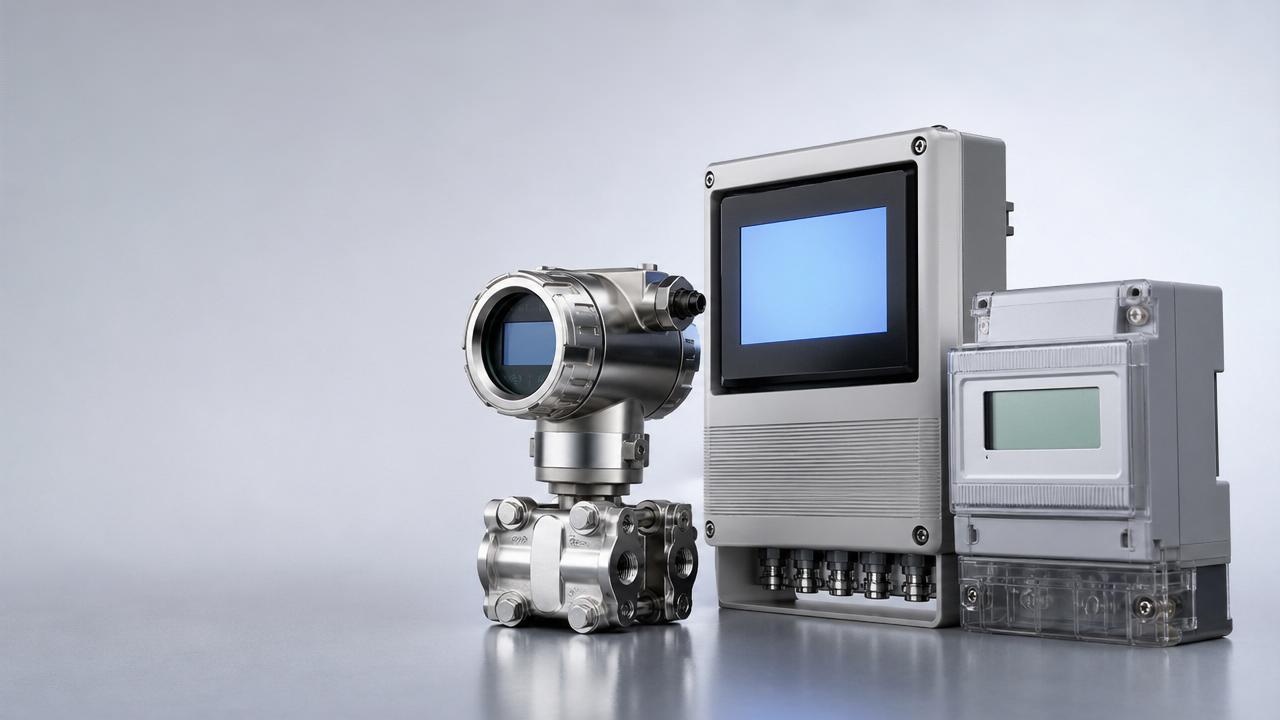
Common pressure measuring equipment includes pressure gauges, pressure sensors, differential pressure transmitters, digital pressure gauges, etc. These devices are widely used in industrial manufacturing, chemical industry, energy, environmental protection, medical and other fields, and have very high requirements for their accuracy and reliability. The pressure calibrator simulates pressure, verifies pressure measuring equipment, calculates errors, and corrects them to ensure the accuracy of various pressure measuring equipment, and improves the precision and reliability of production and testing.
Specific application scenarios and operation steps of pressure calibrators
1.Application scenarios: Pressure calibrators are widely used in industrial manufacturing, chemical industry, energy, environmental protection, medical and other fields. In these fields, the accuracy of pressure measuring equipment is crucial for its normal operation and safety. By using a pressure calibrator, the measurement results of these devices can be ensured to be accurate and error free, avoiding quality issues caused by measurement errors
2.Operation steps:
Choose the appropriate pressure calibrator: Select the appropriate pressure calibrator based on the measurement range and accuracy of the device being calibrated.
Stable placement: Ensure that the pressure calibrator is on a stable horizontal plane to avoid measurement errors caused by tilting.
Correct wiring: Ensure correct wiring to ensure the accuracy of measurement results.
Adjust pressure: Set the pressure calibrator within the measurement range of the calibrated device and make adjustments to ensure that the simulated pressure value is consistent with the reading of the calibrated device.
Record calibration results: Record calibration results, including time, location, instrument, calibrator, etc., to ensure data traceability and traceability
Through these steps, pressure calibrators can be effectively used to calibrate pressure measuring equipment, ensuring its accuracy and reliability.
Contact


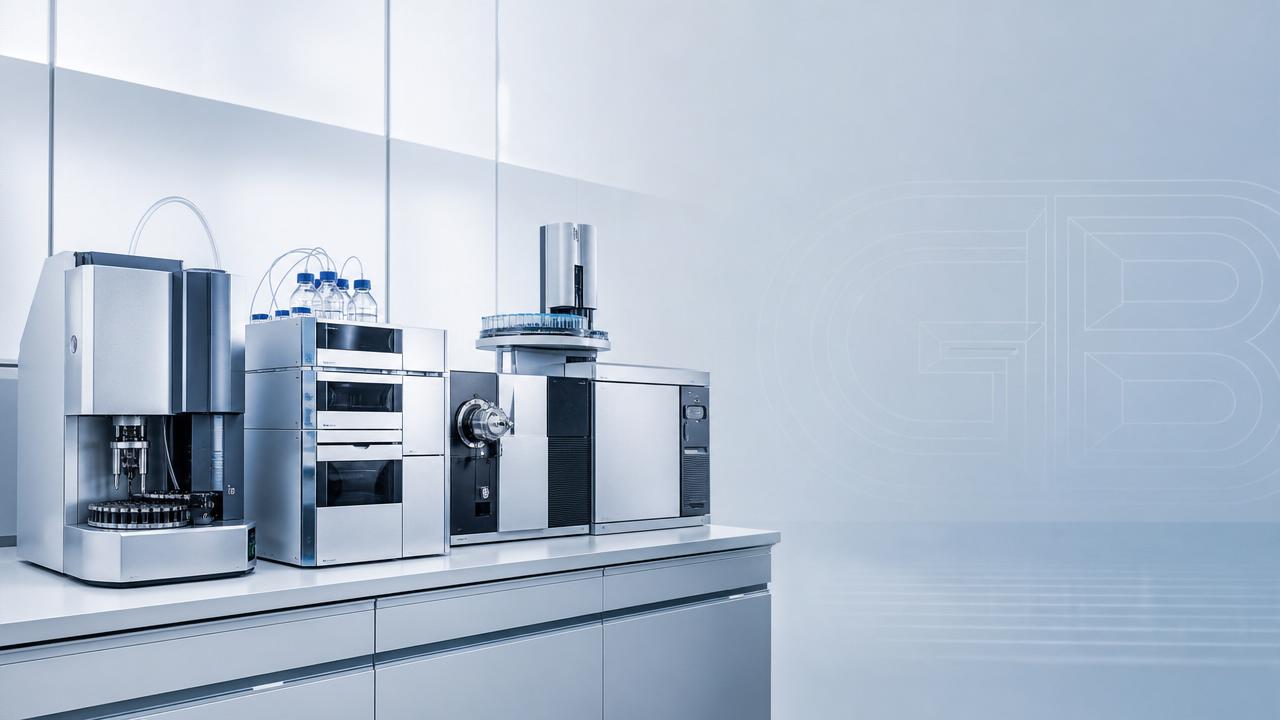
 1259 New National Standards Take Effect in May 20261259 new national standards effective May 2026 mandate GFAAS, LC-MS/MS & GC-MS for compliance—key for exporters, labs & instrument suppliers.
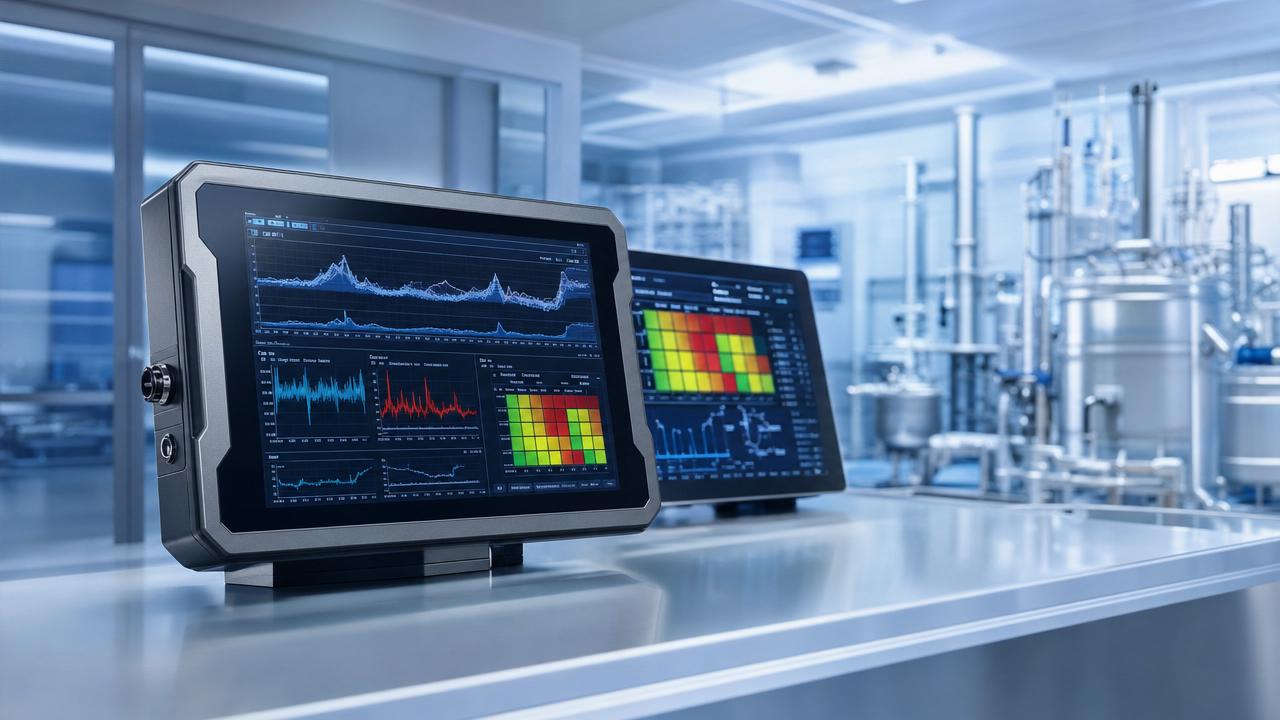
 GWM Patents AI-Driven Multi-Screen Quality Switching for Vehicle HMIsGWM's AI-driven multi-screen quality switching patent unlocks adaptive display tech for industrial HMIs, DCS stations & explosion-proof touchscreens — watch for certified deployments.
 US-China Tariffs Unified at 10% for InstrumentsUS-China tariffs on instruments unified at 10%—boosting cost efficiency for industrial process instruments, environmental monitoring equipment & energy meters. Act now.
 EN 61000-6-4:2026 Enters Force for Industrial EMC ComplianceEN 61000-6-4:2026 is now mandatory for industrial EMC compliance — stricter 1–6 GHz emissions & dynamic AI-device testing. Act now to avoid EU market delays.
 New China Export Rules for Instruments Effective May 2026New China export rules for instruments require CNAS-issued CE/UKCA reports by May 2026 — ensure compliance now to avoid EU/UK shipment delays.
 EU CE-EPD Digital Compliance Label Mandatory from May 2026EU CE-EPD digital compliance label becomes mandatory for instrumentation exports from May 2026 — discover how Chinese OEMs, suppliers & EMS providers can prepare now.
Chat Online