


Accuracy------Digital pressure gauges are far more accurate than analog gauges.
Analog gauges-The rule of thumb with analog pressure gauges is that when the operating pressure of the system is normal, the needle should be pointing straight up or in the “twelve o’clock” position. So since the accuracy of most dial pressure gauges is best in the middle third of a gauge, you have to always select a gauge with a range that is about twice your normal operating pressure.
Digital gauges – The rule of thumb with digital pressure gauges is that you match the maximum pressure that you are measuring to the pressure of the gauge. Standard accuracy for Cecomp digital pressure gauges is 0.25% of the full scale of the gauge but most ranges are available at 0.1% accuracy so you will automatically have better accuracy since the range is only what you are measuring NOT twice the normal operating pressure.
Readability
Analog gauges are often misread due to a parallax issue (the phenomenon whereby a gauge dial appears to the user to be in one position from one angle and a different position from a different angle)
Digital gauges have a digital readout so there are no parallax problems and no counting hashes when taking a reading.
Repairability-------Should a digital gauge be physically damaged (ie, punctured display or faceplate/keypad) the calibration is typically not affected and they can be repaired at a nominal cost.
Durability------Due to the solid state design, digital pressure gauges can be used in high vibration applications. The display will hold steady while an analog gauge needle may bounce around and make it difficult to take an accurate reading.
Engineering units------Analog gauge engineering units are not changeable in the field. The dial face must be reprinted and replaced to change engineering units. Cecomp digital pressure gauges are available with microprocessors that allow the user to change engineering units, set the battery on/off time, as well as digitally calibrate the gauge.
Calibration
Digital gauges will withstand considerable shock, vibration, and abuse without losing calibration. Analog gauges are most often “out of calibration” after the first time they are dropped or banged around.
Digital pressure gauges, due to the superior accuracy, are often used as “gauge standards” to test analog gauges to determine that they are in calibration and if they are operating properly. The rule of thumb for checking instruments is a 4:1 ratio. Since analog gauges are most often 2% (or worse) accuracies, a 0.25% digital gauge is more than accurate enough for this purpose.
Cost
Analog gauges are less expensive initially; however, analog gauges fail often and are unreliable when subjected to shock and normal abuse. It is often necessary to buy several gauges per year. Digital gauges, if properly maintained, will last several years.



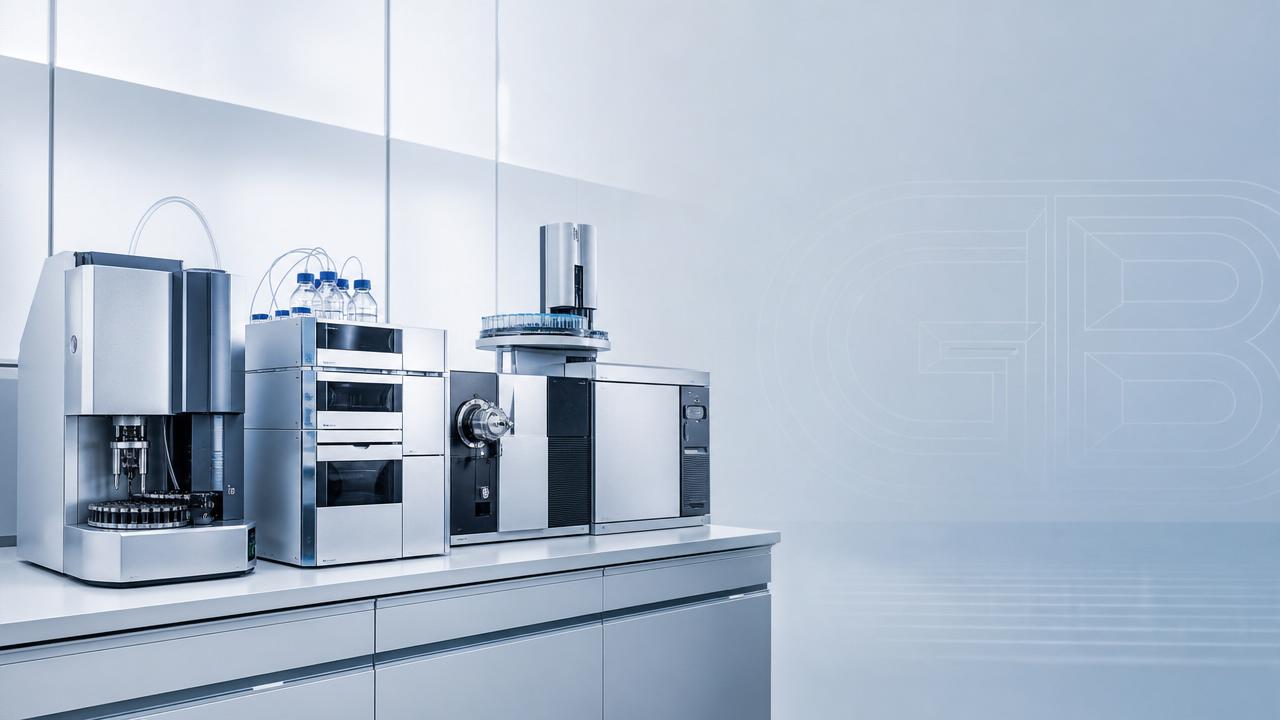
 1259 New National Standards Take Effect in May 20261259 new national standards effective May 2026 mandate GFAAS, LC-MS/MS & GC-MS for compliance—key for exporters, labs & instrument suppliers.
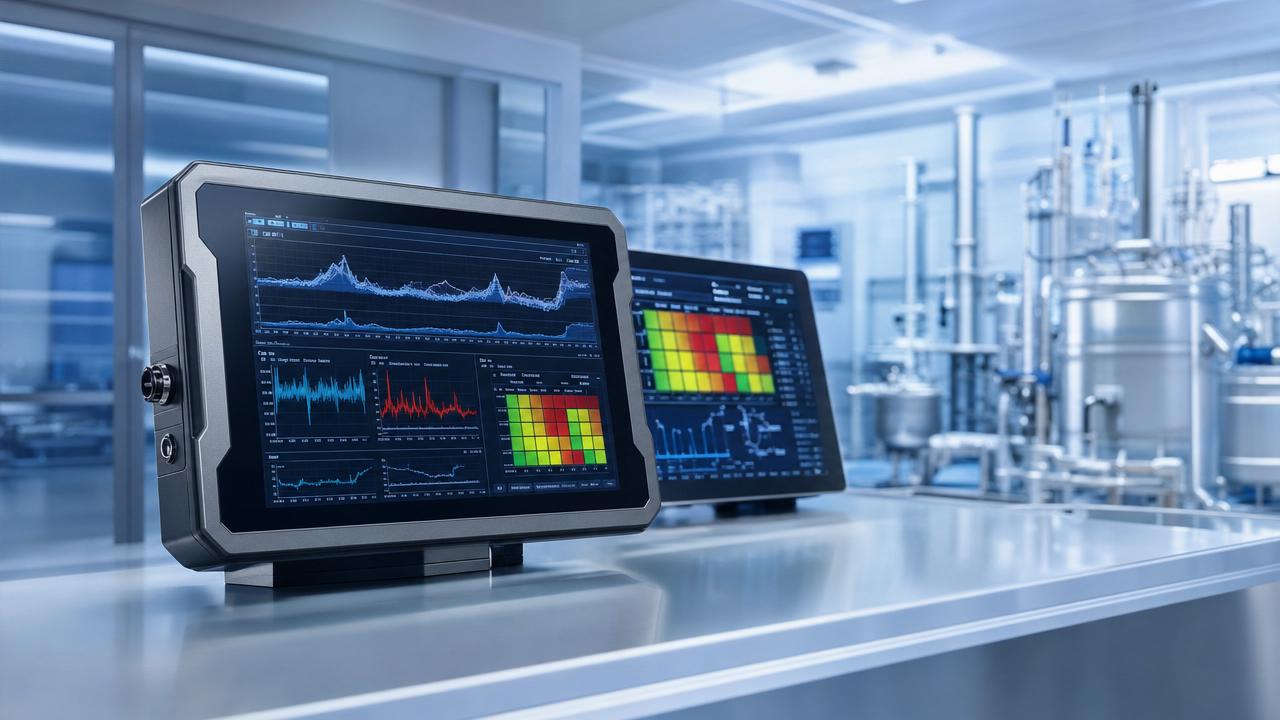
 GWM Patents AI-Driven Multi-Screen Quality Switching for Vehicle HMIsGWM's AI-driven multi-screen quality switching patent unlocks adaptive display tech for industrial HMIs, DCS stations & explosion-proof touchscreens — watch for certified deployments.
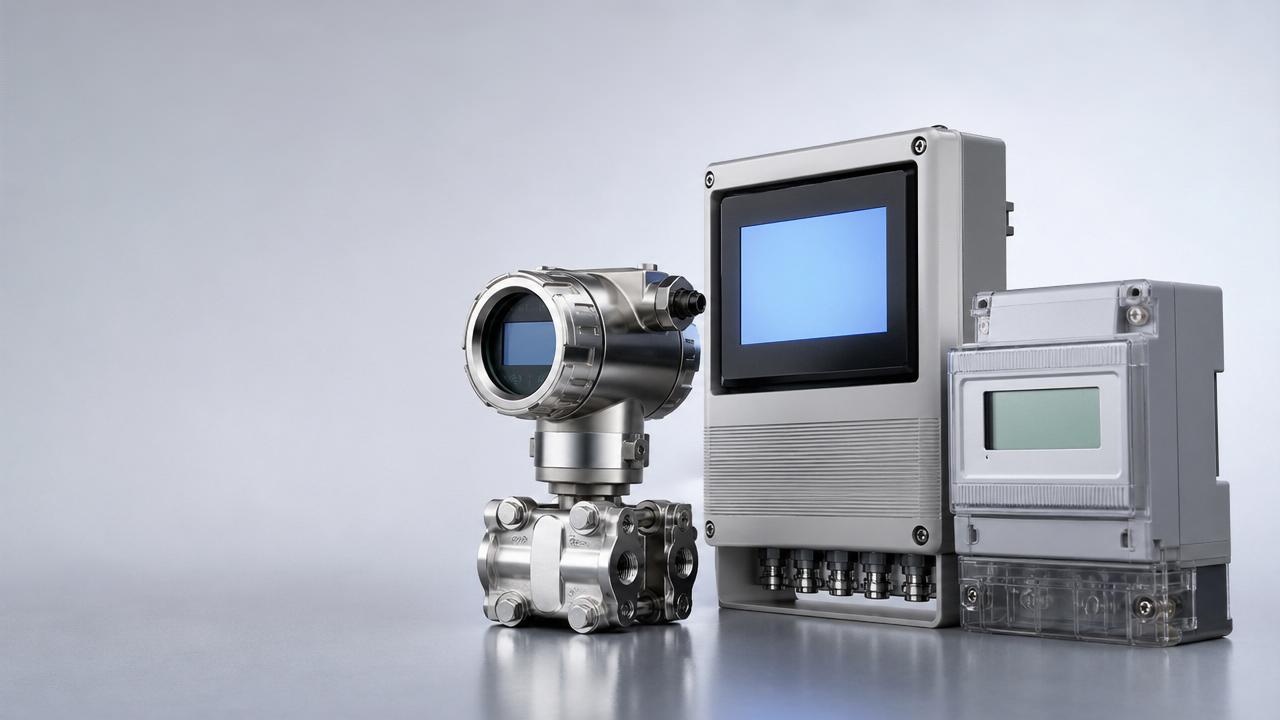
 US-China Tariffs Unified at 10% for InstrumentsUS-China tariffs on instruments unified at 10%—boosting cost efficiency for industrial process instruments, environmental monitoring equipment & energy meters. Act now.
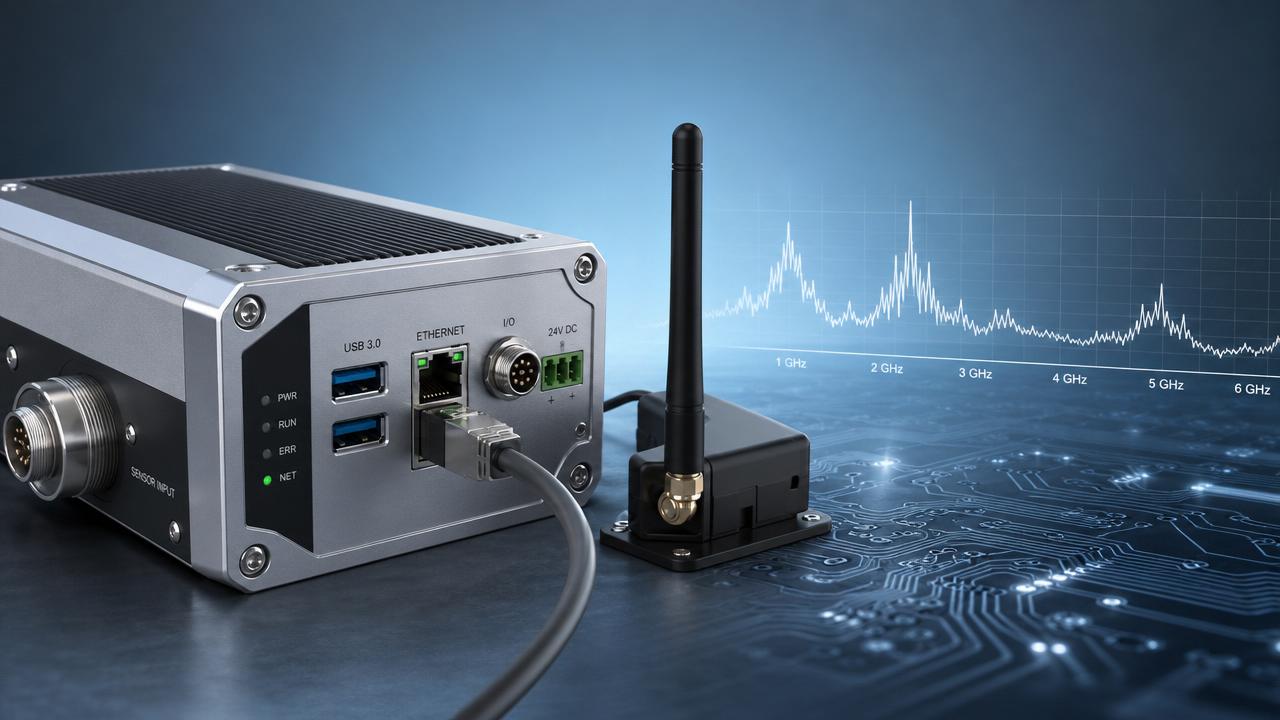
 EN 61000-6-4:2026 Enters Force for Industrial EMC ComplianceEN 61000-6-4:2026 is now mandatory for industrial EMC compliance — stricter 1–6 GHz emissions & dynamic AI-device testing. Act now to avoid EU market delays.
 New China Export Rules for Instruments Effective May 2026New China export rules for instruments require CNAS-issued CE/UKCA reports by May 2026 — ensure compliance now to avoid EU/UK shipment delays.
 EU CE-EPD Digital Compliance Label Mandatory from May 2026EU CE-EPD digital compliance label becomes mandatory for instrumentation exports from May 2026 — discover how Chinese OEMs, suppliers & EMS providers can prepare now.
Chat Online