


Starting 1 May 2026, the European Union will enforce the CE-EPD (Electronic Product Declaration) digital compliance label requirement for all imported instrumentation and measuring equipment. This regulation directly affects Chinese exporters of industrial instruments, laboratory analyzers, environmental monitoring devices, and related precision equipment — demanding immediate attention to data infrastructure, firmware design, and supply chain documentation practices.
Event Overview
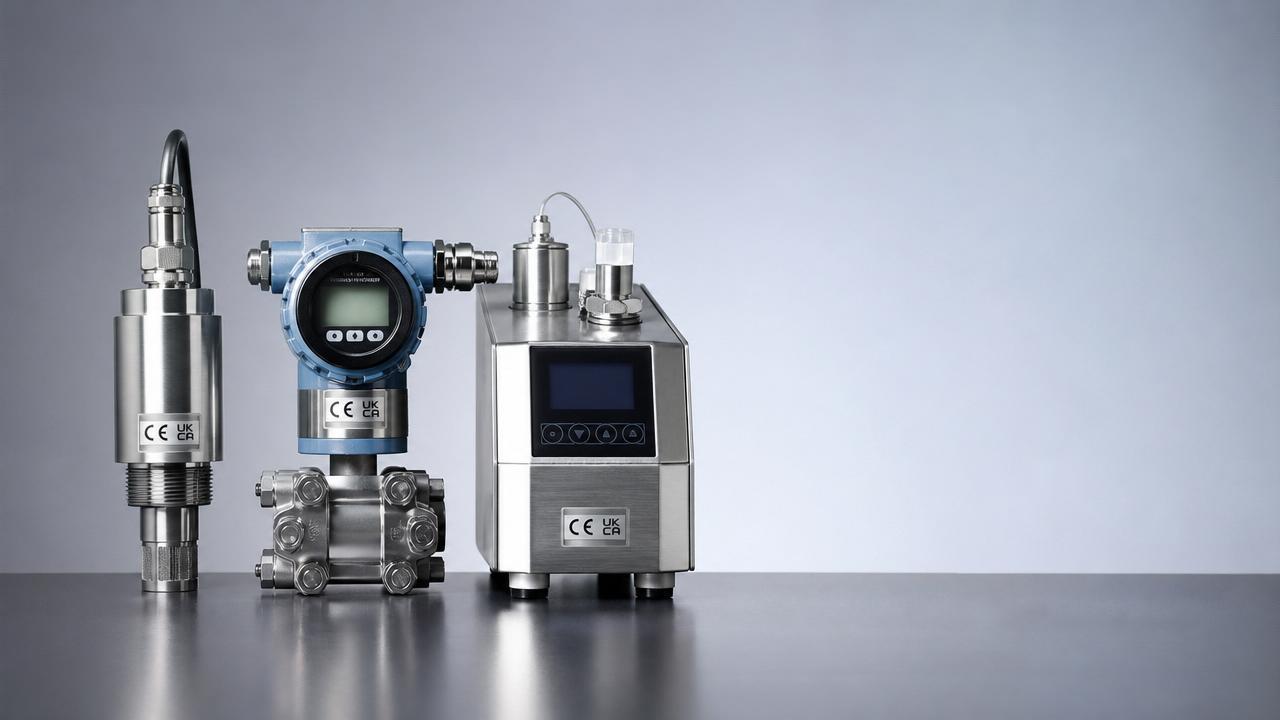
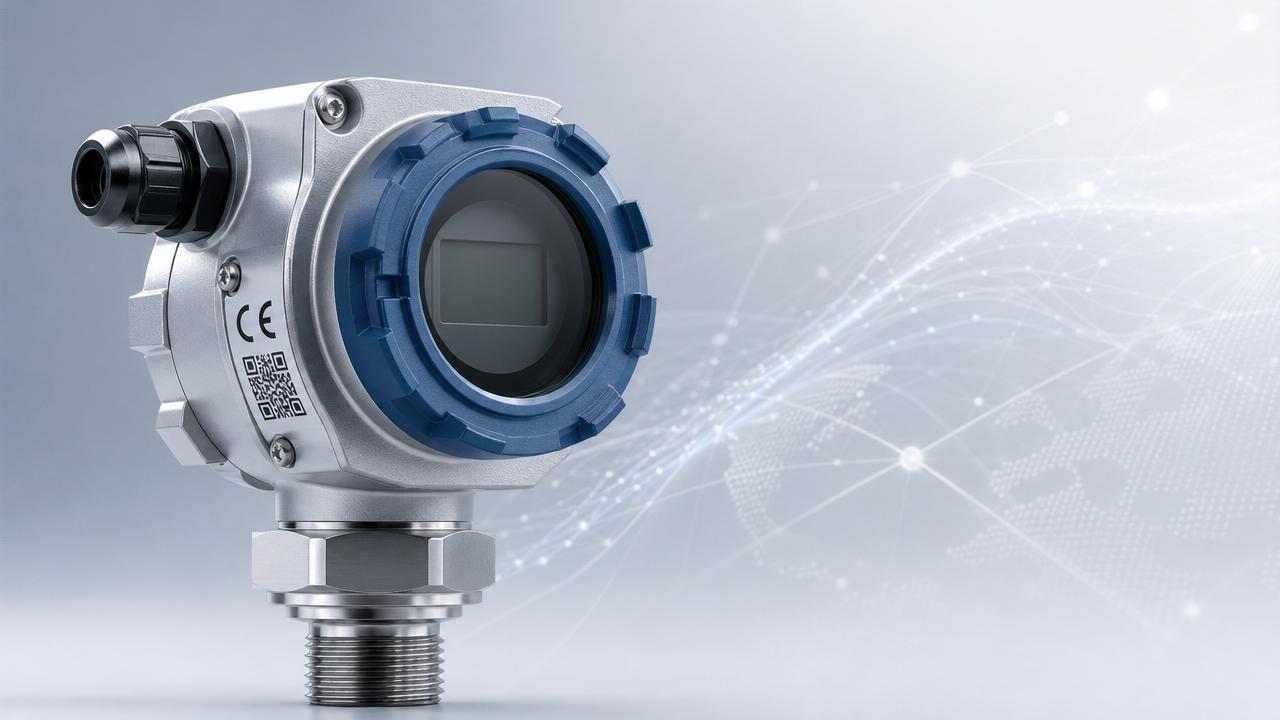
Effective 1 May 2026, the EU mandates that all instrument and metering equipment placed on the EU market must display a scannable QR code adjacent to the CE marking. This QR code must link to an electronic compliance dossier accessible in real time via the EU’s EcoPortal platform. The dossier must include calibrated test records, material composition data, product carbon footprint, and software update logs. The requirement applies to new consignments cleared at EU borders on or after this date.
Which Subsectors Are Affected
Direct Exporters (OEMs & ODMs)
Chinese manufacturers exporting instruments to the EU must reconfigure their production workflows: type-approval reports now require structured digital annexes; device firmware must support secure, standardized data export protocols; and factory-level calibration systems must generate machine-readable logs compliant with EcoPortal schema. Non-compliant units risk customs delays or return shipments.
Component & Module Suppliers
Suppliers of sensors, embedded controllers, or certified calibration modules face upstream data obligations. If their components contribute to final carbon footprint calculation or software traceability, they must provide verifiable, versioned material declarations and firmware revision histories — not just physical goods — to OEMs.
Contract Manufacturers & EMS Providers
Electronics manufacturing service providers handling final assembly or firmware flashing must integrate EPD-related data generation into their quality control checkpoints. Their test reports and flash logs must be interoperable with the OEM’s EPD publishing pipeline — meaning legacy MES or ERP systems may require configuration updates.
Distribution & Regulatory Support Firms
EU Authorized Representatives and technical documentation consultants must now verify not only conformity assessment evidence but also the functional integrity of QR-linked EPD archives — including live API responsiveness and field-level data completeness — before issuing EU declarations of conformity.
What Relevant Enterprises or Practitioners Should Focus On — And How to Respond Now
Monitor official technical specifications from the European Commission
The EcoPortal API schema, QR payload format, and acceptable data standards (e.g., for carbon footprint calculation) are expected to be published in Q4 2025. Enterprises should subscribe to updates from the EU’s Joint Research Centre (JRC) and the New Approach Notified Bodies’ coordination group.
Prioritize pilot adaptation for high-volume or high-risk product categories
Focus first on instruments subject to existing EU Ecodesign requirements (e.g., energy meters, gas analyzers) or those frequently flagged in EU market surveillance — as these are most likely to undergo early EPD verification during customs clearance.
Distinguish between regulatory signal and operational readiness
The mandate takes effect in May 2026, but pre-market validation (e.g., QR code scanning tests, EcoPortal sandbox submissions) is expected to begin as early as January 2026. Companies should treat Q1–Q2 2026 as a de facto go-live window — not merely a deadline.
Align internal data handoffs across R&D, QA, and logistics teams
Calibration logs, material declarations, and software versions often reside in siloed systems. Cross-functional mapping — e.g., linking a serial-numbered device in ERP to its firmware hash in DevOps tools and its carbon report in LCA software — is now a prerequisite for EPD generation.
Editorial Perspective / Industry Observation
Observably, the CE-EPD rule signals a structural shift from static, paper-based conformity to dynamic, system-integrated compliance. It does not introduce new safety or performance requirements — but it fundamentally redefines evidentiary sufficiency. Analysis shows this is less about ‘labeling’ and more about embedding traceability into product lifecycles. From an industry standpoint, the May 2026 date functions primarily as a hard enforcement threshold; however, the underlying data architecture demands mean preparation timelines effectively began in late 2024. Continued observation is warranted on whether transitional allowances will apply for legacy stock or firmware versions submitted before 2026.
Concluding, the CE-EPD mandate marks a procedural inflection point — not a technical overhaul — for China’s instrument export ecosystem. Its significance lies not in raising barriers per se, but in exposing gaps in end-to-end data governance. Currently, it is more accurate to understand this regulation as a catalyst for digital maturity in export-oriented manufacturing, rather than as a standalone compliance hurdle.
Source: Official announcement issued by the European Commission (date unconfirmed, referenced in EU Council Working Document SANTE/11954/2025); implementation timeline confirmed in Annex II of Regulation (EU) 2025/XXXX amending Directive 2014/30/EU. Note: Final technical specifications for EcoPortal integration remain pending publication and are under active observation.


 1259 New National Standards Take Effect in May 20261259 new national standards effective May 2026 mandate GFAAS, LC-MS/MS & GC-MS for compliance—key for exporters, labs & instrument suppliers.
 GWM Patents AI-Driven Multi-Screen Quality Switching for Vehicle HMIsGWM's AI-driven multi-screen quality switching patent unlocks adaptive display tech for industrial HMIs, DCS stations & explosion-proof touchscreens — watch for certified deployments.
 US-China Tariffs Unified at 10% for InstrumentsUS-China tariffs on instruments unified at 10%—boosting cost efficiency for industrial process instruments, environmental monitoring equipment & energy meters. Act now.
 EN 61000-6-4:2026 Enters Force for Industrial EMC ComplianceEN 61000-6-4:2026 is now mandatory for industrial EMC compliance — stricter 1–6 GHz emissions & dynamic AI-device testing. Act now to avoid EU market delays.
 New China Export Rules for Instruments Effective May 2026New China export rules for instruments require CNAS-issued CE/UKCA reports by May 2026 — ensure compliance now to avoid EU/UK shipment delays.
 EU CE-EPD Digital Compliance Label Mandatory from May 2026EU CE-EPD digital compliance label becomes mandatory for instrumentation exports from May 2026 — discover how Chinese OEMs, suppliers & EMS providers can prepare now.


Chat Online