


Effective May 1, 2026, the revised People’s Republic of China Maritime Code introduces a significant change in liability allocation for uncollected cargo at discharge ports — shifting primary responsibility from consignees to shippers. This adjustment directly affects exporters of high-value instrumentation and precision equipment, reshaping risk exposure across global supply chains, contract negotiation practices, and logistics governance frameworks.
Event Overview
As of May 1, 2026, Article 93 of the newly amended Maritime Code of the People’s Republic of China stipulates that, in cases of non-collection of goods at the port of discharge, the shipper bears primary liability — replacing the prior regime under which the consignee was principally responsible. The provision applies to all maritime shipments originating from or transiting through Chinese ports where the shipper is domiciled or registered in China.
Industries Affected
Direct Trading Enterprises
Export-oriented trading companies — especially those acting as contractual shippers for overseas buyers — now face direct financial exposure to demurrage, container detention fees, and disposal costs arising from overseas consignee non-collection or customs clearance delays. Previously, such costs were typically contested or negotiated post-facto with importers; under the new rule, liability attaches automatically upon shipment, regardless of fault attribution or contractual intent.
Raw Material Procurement Enterprises
Firms sourcing components or sub-assemblies internationally — and arranging sea freight under their own name (e.g., as ‘shipper’ on bills of lading) — may inadvertently assume liability even when fulfilling procurement-only roles. This creates unexpected risk in just-in-time or vendor-managed inventory models, where delivery timing and destination control rest largely with downstream partners.
Manufacturing Enterprises
Instrumentation and analytical equipment manufacturers exporting finished goods must now reassess their Incoterms® usage and internal logistics controls. A shift toward EXW or FCA — while reducing physical handling responsibilities — does not eliminate shipper status if they appear as shipper on transport documents. Moreover, warranty or after-sales service commitments may now trigger liability implications if field equipment remains uncollected post-shipment.
Supply Chain Service Providers
Freight forwarders, NVOCCs, and third-party logistics providers advising Chinese exporters must update compliance protocols and client disclosures. They are increasingly expected to flag liability shifts during documentation review, bill-of-lading issuance, and pre-shipment risk briefing — particularly where clients retain shipper designation despite using DDP or DAP terms. Failure to do so may expose them to claims of inadequate advisory duty.
Key Considerations and Recommended Actions
Review and Revise Incoterms® Allocation
Exporters should critically assess whether current trade terms (e.g., DDP, DAP) align with actual operational control at destination. Where feasible, transitioning to FCA or CPT — paired with explicit contractual clauses assigning collection responsibility to the buyer — helps mitigate statutory liability under the new Article 93.
Strengthen Pre-Shipment Risk Coordination
Global distributors and importers must engage earlier in shipment planning: verifying import eligibility, confirming customs broker readiness, and validating warehouse availability prior to vessel arrival. Joint checklists and shared digital visibility tools (e.g., EDI-based port arrival notifications) are becoming essential coordination mechanisms.
Evaluate Supplier Logistics Risk Governance
Overseas buyers — particularly in regulated sectors like healthcare or environmental monitoring — should audit Chinese suppliers’ documented processes for managing post-discharge contingencies. Robustness of contingency plans (e.g., authorized re-export, local auction protocols, or insurance coverage for detention) now serves as a de facto indicator of supply chain maturity.
Editorial Perspective / Industry Observation
Observably, this amendment reflects a broader regulatory trend in China toward strengthening accountability at the point of export initiation — paralleling recent updates in export control enforcement and cross-border data flow requirements. Analysis shows the change is less about penalizing exporters and more about incentivizing upstream risk anticipation. From an industry perspective, it is better understood not as a burden shift but as a formalization of commercial reality: the party initiating carriage retains residual control over documentation, routing, and counterparty selection — and thus bears proportionate responsibility for downstream execution failures. Current more nuanced interpretation suggests the rule will accelerate adoption of digital trade platforms that embed real-time customs status tracking and automated liability triggers.
Conclusion
The revision marks a structural recalibration in maritime risk allocation — one that elevates contractual clarity, cross-border coordination, and proactive compliance above traditional assumptions of consignee-led resolution. For instrumentation exporters and their global partners, the change is not merely legalistic; it signals an inflection point in how reliability, responsiveness, and resilience are defined — and priced — in high-value equipment logistics.
Source Attribution
Official text published by the Standing Committee of the National People’s Congress (2026); Implementation guidelines issued by the Ministry of Transport of the PRC (forthcoming, Q2 2026). Note: Judicial interpretations and administrative enforcement precedents remain pending; market practice and court rulings in early cases will be closely monitored.


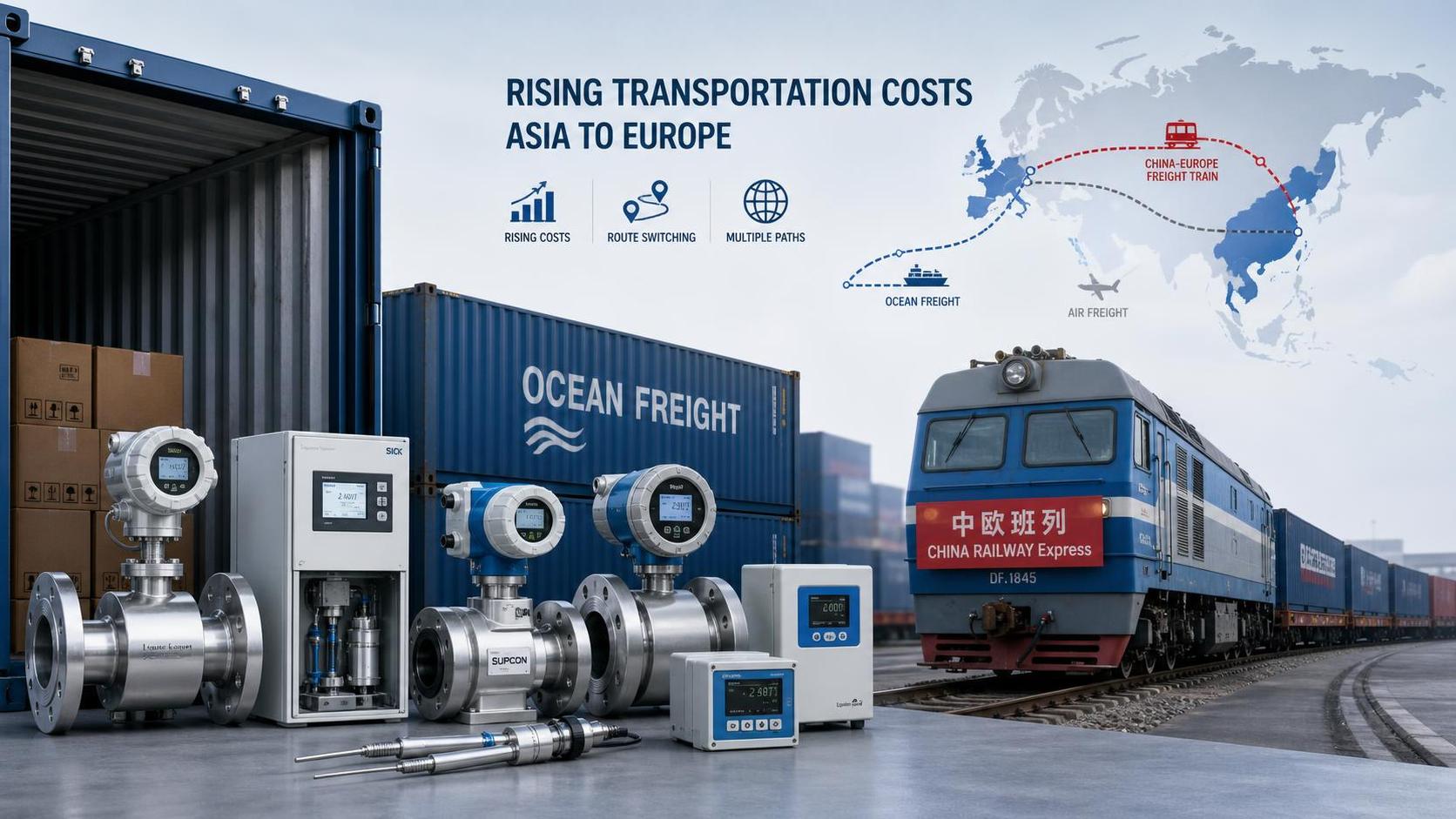
 Asia-Europe Freight Surcharges Lift Costs for Instrument ExportsAsia-Europe Freight Surcharges are raising instrument export costs fast. See how HS 9026/9027 cargo, booking quotas, rail alternatives, and trade risk shifts could impact your supply chain.
 EU Opens Anti-Dumping Probe Into Chinese Welded Steel MeshEU anti-dumping probe into Chinese welded steel mesh could reshape instrumentation export costs, sourcing risk, and EU supply chain planning. Read the key impacts now.
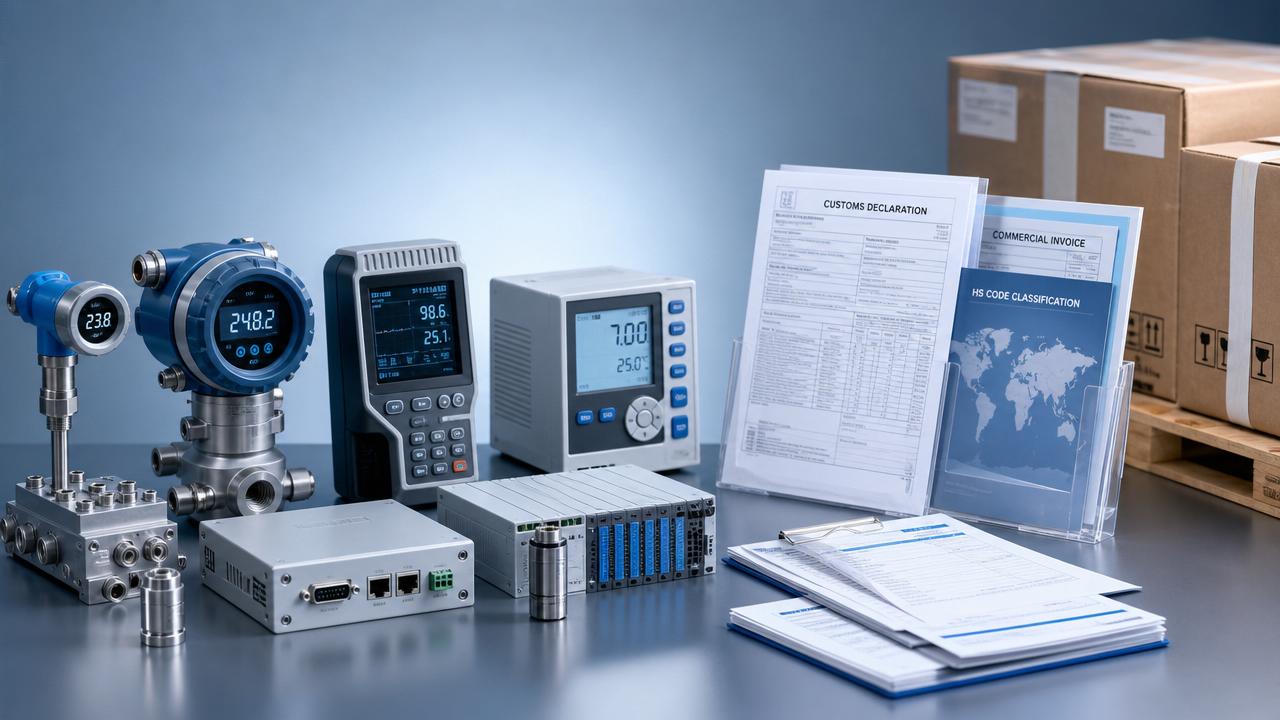
 China Customs Rolls Out AI HS Tool for Instrument ExportsChina Customs rolls out an AI HS tool for instrument exports under HS Chapter 90. Learn how it improves classification accuracy, speeds clearance, and impacts export compliance.
 China Customs Launches Smart HS Tool for Instrument ExportsChina Customs Launches Smart HS Tool for Instrument Exports, boosting HS code accuracy to 98.2%. Learn how it improves compliance, reduces clearance risk, and supports smoother global instrument shipments.
 China Customs Launches Smart HS Tool for Instrument ExportsChina Customs launches a smart HS tool for instrument exports, helping manufacturers and exporters improve HS code accuracy, reduce compliance risks, and speed up customs clearance.
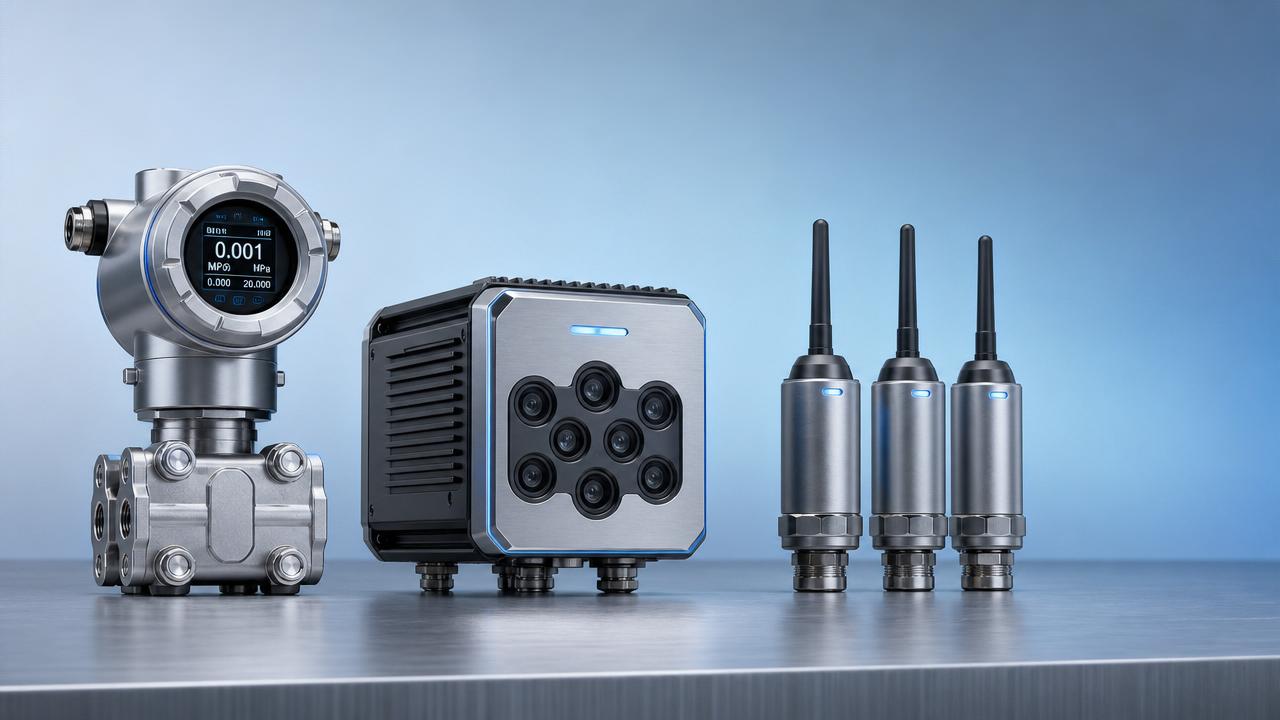
") China's Instruments Rise: 7 Firms in Global Top 25 (2026)China's Instruments Rise: 7 firms enter 2026 Global Top 25 — Hikvision #4, United Imaging & SUPCON debut. Key insights for procurement, compliance & AI-integrated instrumentation.
China's Instruments Rise: 7 Firms in Global Top 25 (2026)China's Instruments Rise: 7 firms enter 2026 Global Top 25 — Hikvision #4, United Imaging & SUPCON debut. Key insights for procurement, compliance & AI-integrated instrumentation.



Chat Online