


On May 17, 2026, Inovance Technology—a leading Chinese industrial automation supplier—submitted its application for H-share listing on the Hong Kong Stock Exchange, seeking approximately USD 1.37 billion in proceeds. The move signals intensified strategic focus on global deployment of industrial AI instrumentation and edge control systems, particularly in regulated markets such as the EU, U.S., and Southeast Asia. Companies operating in industrial instrumentation, edge computing integration, and cross-border automation system deployment should monitor this development closely—as it reflects shifting capital priorities, certification-driven market access requirements, and early-stage validation of AI-native field devices in real production environments.
Event Overview
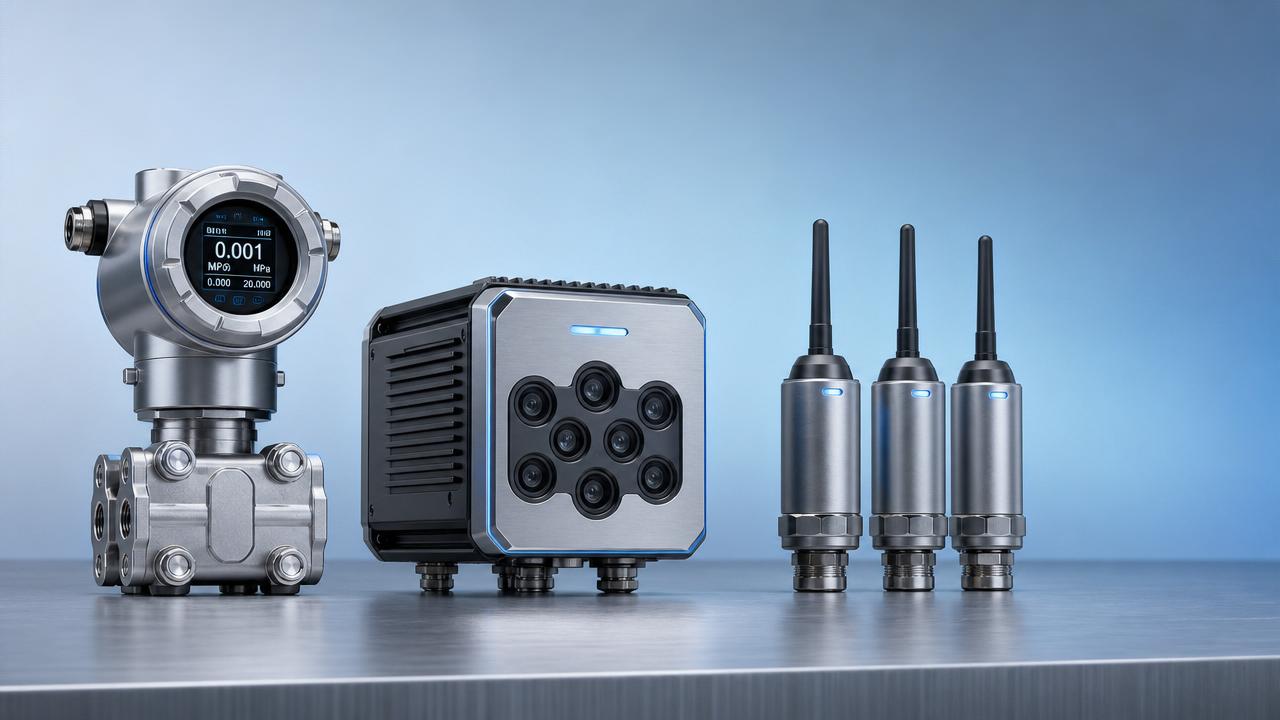
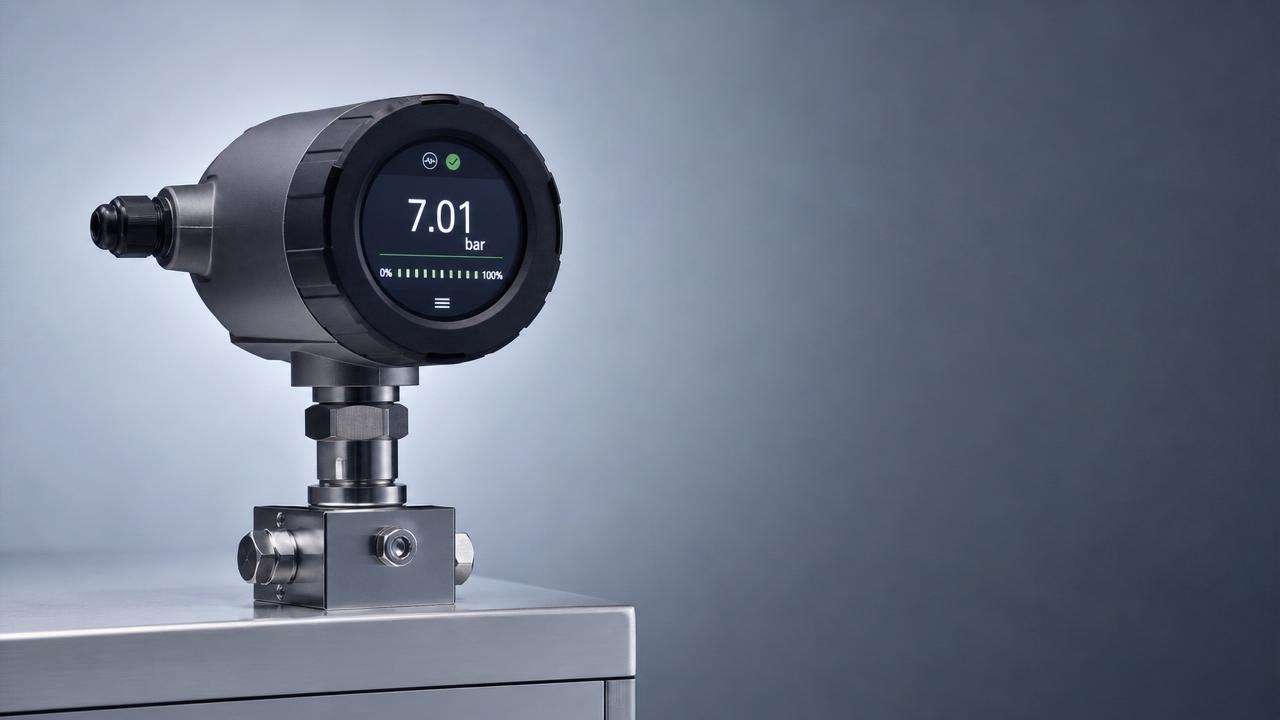
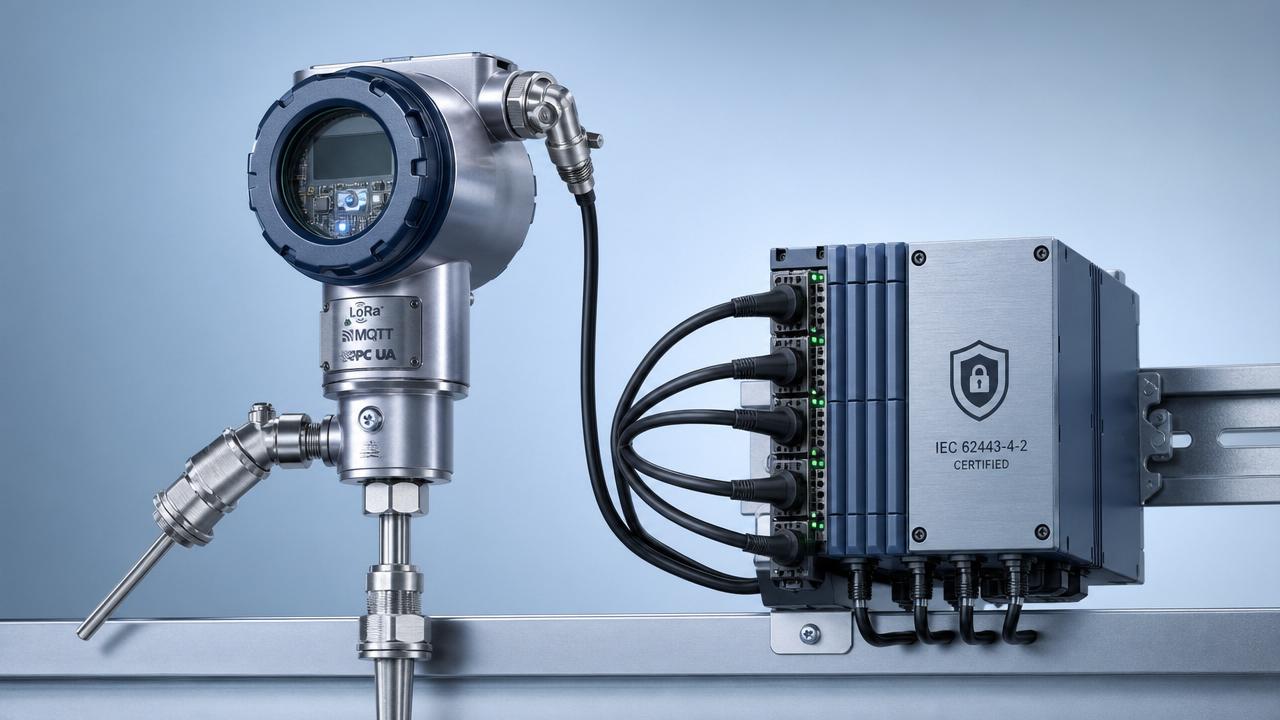
On May 17, 2026, Inovance Technology formally filed an application with the Hong Kong Exchanges and Clearing Limited (HKEX) for listing of its H-shares. Publicly disclosed plans indicate a targeted fundraising amount of approximately RMB 10 billion (USD 1.37 billion). Of the proceeds, 42% is earmarked for the development of an ‘Industrial AI Instrument Platform’ and the establishment of overseas localization adaptation centers. These centers aim to support compliance with EU CE-MD, U.S. FDA 21 CFR Part 11, and IEC 62443-4-2 cybersecurity standards. Separately, Inovance’s next-generation AI-enabled temperature and pressure transmitters have completed a six-month on-site validation at VinFast’s battery manufacturing facility in Vietnam, demonstrating native support for LoRa, MQTT, and OPC UA protocols for direct cloud platform connectivity.
Impact on Specific Industry Segments
Industrial Instrumentation Manufacturers
These companies face growing competitive pressure as AI-native, protocol-agnostic field devices enter validation and early commercialization phases. Inovance’s emphasis on multi-protocol interoperability (LoRa + MQTT + OPC UA) and regulatory alignment suggests that legacy instrumentation vendors may need to reassess product roadmaps—particularly regarding embedded AI inference, secure firmware update capabilities, and modular certification strategies across jurisdictions.
Edge Controller Integrators & System Builders
Integrators deploying edge-to-cloud architectures in regulated industries (e.g., pharma, battery manufacturing) are likely to encounter increased demand for controllers certified to IEC 62443-4-2 and capable of seamless data ingestion from AI-enhanced sensors. Inovance’s stated investment in localization adaptation centers implies shorter time-to-market for region-specific controller configurations—potentially compressing integration lead times but also raising expectations for pre-certified hardware-software stacks.
Automation Exporters Serving ASEAN and EU Markets
Firms exporting industrial automation solutions to Vietnam, the EU, or the U.S. must now account for accelerated adoption of AI-integrated field devices requiring dual compliance: functional safety (e.g., CE-MD) and cybersecurity (IEC 62443-4-2). Inovance’s Vietnam validation milestone—and explicit targeting of FDA 21 CFR Part 11—suggests that regulatory readiness for AI-augmented instrumentation is becoming a prerequisite, not just a differentiator, in high-value manufacturing segments.
What Relevant Enterprises or Practitioners Should Monitor and Act On
Track official HKEX filing updates and use-of-proceeds disclosures
Subsequent filings—including prospectus drafts and supplementary documents—will clarify whether the 42% allocation remains fixed, how localization centers will be structured (e.g., joint ventures vs. wholly owned entities), and which geographies receive priority. Such details directly affect partner selection and channel strategy for non-Chinese integrators.
Monitor certification timelines for AI instrument platforms in target markets
CE-MD, FDA 21 CFR Part 11, and IEC 62443-4-2 certifications involve distinct testing regimes and documentation requirements. Observably, Inovance’s stated focus on these three frameworks suggests a coordinated approach to regulatory convergence—but actual certification milestones (not just center openings) will determine near-term market entry feasibility for third-party solution providers.
Distinguish between field device validation and full system certification
The six-month validation at VinFast’s battery plant confirms operational reliability under real-world conditions—but does not equate to full system-level regulatory approval. Practitioners should avoid conflating device-level performance with end-to-end compliance, especially when designing audit-ready architectures for FDA- or EU-regulated facilities.
Assess supply chain dependencies for AI-capable sensor components
AI-enabled instrumentation requires specialized silicon (e.g., low-power AI accelerators), secure boot modules, and calibrated sensing elements. Current more relevant than broad procurement planning is mapping exposure to specific component suppliers named—or implied—in Inovance’s technical disclosures, particularly where dual-sourcing options remain limited.
Editorial Perspective / Industry Observation
Analysis shows this filing is less a near-term revenue catalyst and more a structural signal: industrial automation’s value chain is shifting upstream toward AI-native field intelligence and downstream toward localized regulatory execution. The USD 1.37 billion target—and precise allocation to certification infrastructure—indicates that Inovance treats regulatory alignment not as a cost center but as a scalable capability. Observably, this mirrors trends seen in medical device and automotive software-defined systems, where certification velocity increasingly determines market share. However, it remains unconfirmed whether other Tier-1 industrial players will follow suit with similar capital raises; thus, this move is best understood as an early indicator—not yet an industry-wide inflection point.
Consequently, the current significance lies not in immediate competitive displacement, but in the recalibration of engineering priorities: from pure accuracy and durability toward verifiable AI behavior, traceable cybersecurity posture, and modular compliance architecture. That shift affects R&D planning, talent acquisition, and partner engagement across multiple tiers of the industrial automation ecosystem.
Concluding, this filing represents a deliberate, capital-backed acceleration of industrial AI deployment—but one tightly coupled to regulatory gateways rather than standalone technological advancement. It is better interpreted as a marker of maturing market readiness for AI at the field level, rather than evidence of widespread commercial adoption. Stakeholders should treat it as a forward-looking calibration point—not a trigger for reactive strategy shifts.
Source: Official H-share application filing by Inovance Technology with HKEX, dated May 17, 2026; publicly disclosed use-of-proceeds breakdown and validation status reported in associated press materials. Note: Certification completion dates, final prospectus terms, and geographic rollout sequence for localization centers remain pending disclosure and require ongoing monitoring.


") China's Instruments Rise: 7 Firms in Global Top 25 (2026)China's Instruments Rise: 7 firms enter 2026 Global Top 25 — Hikvision #4, United Imaging & SUPCON debut. Key insights for procurement, compliance & AI-integrated instrumentation.
China's Instruments Rise: 7 Firms in Global Top 25 (2026)China's Instruments Rise: 7 firms enter 2026 Global Top 25 — Hikvision #4, United Imaging & SUPCON debut. Key insights for procurement, compliance & AI-integrated instrumentation. German Brand & Design Council Opens Shanghai OfficeGerman Brand & Design Council opens Shanghai office to boost HMI design, CE-EMC/RED compliance & iF Award support for industrial instrument manufacturers and EU distributors.
 US Launches Third Sunset Review on Chinese Steel Grating AD/CVDUS third sunset review on Chinese steel grating AD/CVD impacts instrumentation exporters, metal fabricators & automation suppliers—act now to mitigate tariff risks.
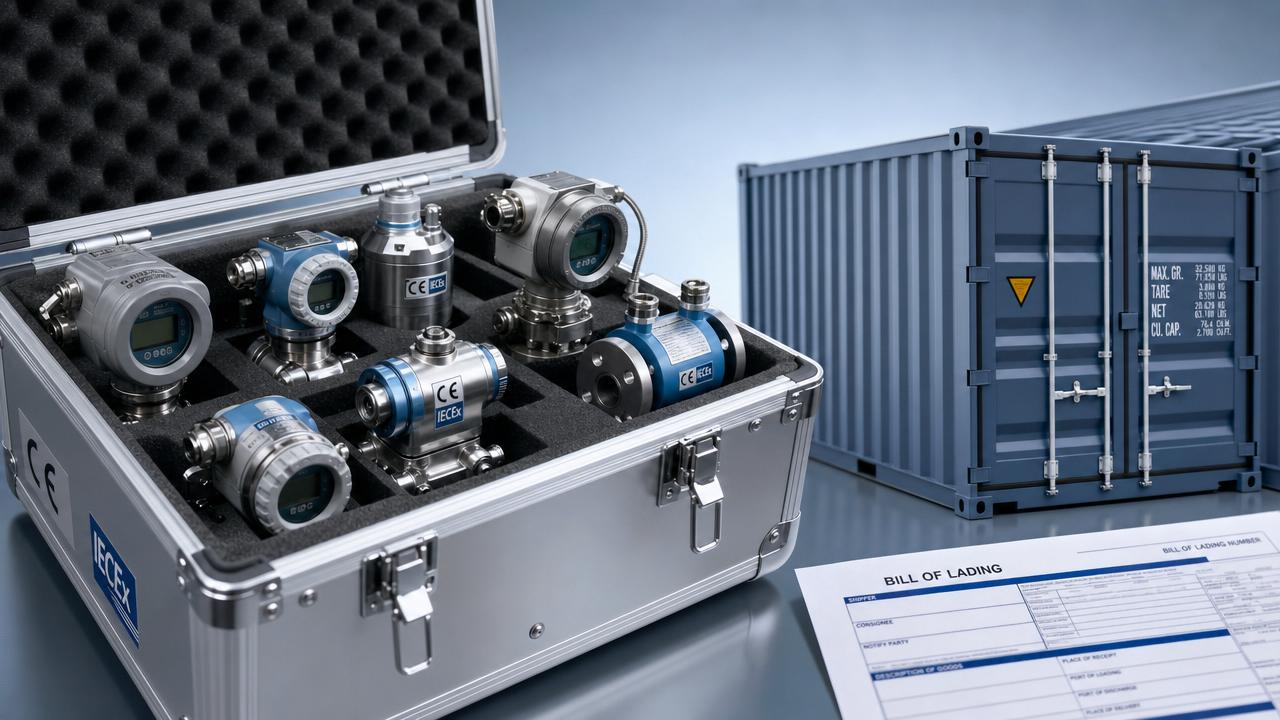
 New Maritime Code Shifts No-Pickup Liability to ShippersNew Maritime Code shifts no-pickup liability to shippers—critical for instrumentation exporters. Learn how Article 93 reshapes risk, contracts & global logistics.
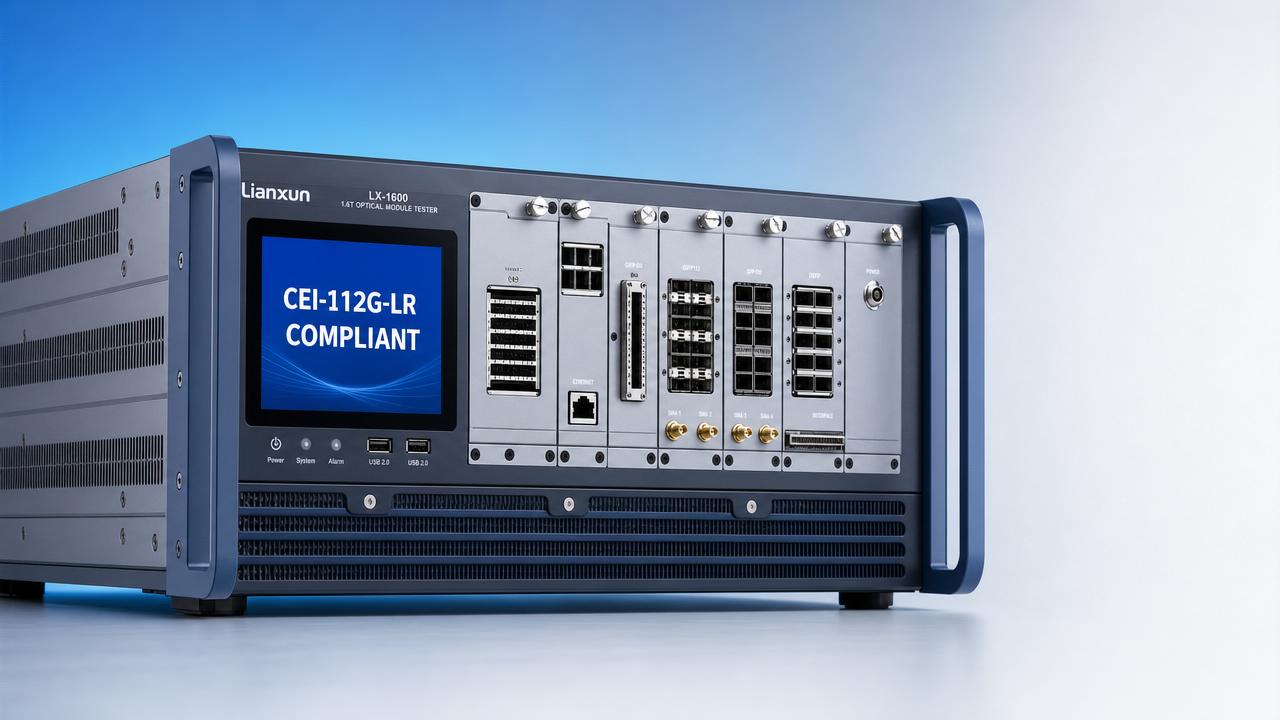
 Lianxun Instruments Q1 Net Profit Soars 515% on 1.6T Optical Module TestersLianxun Instruments' 1.6T optical module testers drive 515% Q1 net profit surge—discover how LX-1600 BERTs & eye analyzers are reshaping global AI infrastructure testing.
 Inovance Files for H-Share Listing to Raise $1.37B for Industrial AI Instruments and Edge ControllersInovance’s $1.37B H-share listing targets Industrial AI Instruments & Edge Controllers—watch for EU/US regulatory milestones, LoRa/MQTT/OPC UA field devices, and certification-driven market access.
Chat Online