


On May 7, 2026, GuoYi Quantum — a quantum measurement instrumentation company spun off from the University of Science and Technology of China (USTC) — officially received IPO acceptance notice from the Shanghai Stock Exchange’s STAR Market. This development signals growing institutional recognition of China’s capability to develop, manufacture, and globally deliver high-end scientific instruments — particularly in electron paramagnetic resonance (EPR) systems and quantum diamond microscopes. Stakeholders in analytical instrumentation, research infrastructure procurement, international lab equipment distribution, and quantum technology supply chains should monitor this milestone closely: it reflects not only capital market validation but also regulatory acknowledgment of domestic manufacturers’ progress in reliability, service responsiveness, and alignment with international certification frameworks.
Event Overview
On May 7, 2026, GuoYi Quantum’s initial public offering application was accepted by the Shanghai Stock Exchange for listing on the STAR Market. Publicly confirmed information includes: its EPR instruments and quantum diamond microscopes have achieved batch delivery to internationally recognized research institutions, including the Max Planck Society in Germany and A*STAR in Singapore. No further details regarding valuation, offering size, or timeline to listing have been disclosed at this stage.
Industries Affected by This Development
Direct Exporters & International Distributors of Lab Equipment
Why affected: GuoYi Quantum’s successful IPO acceptance may shift procurement confidence among overseas research institutions and national labs that previously hesitated to adopt Chinese-origin high-end analytical instruments. Its demonstrated delivery track record in Europe and Southeast Asia suggests growing credibility in technical compliance and after-sales support.
Impact areas: Increased competitive pressure on incumbent distributors of Western-branded EPR and advanced microscopy systems; potential re-evaluation of regional channel partnerships and warranty service models.
Suppliers of Critical Subcomponents for Precision Instruments
Why affected: As GuoYi Quantum scales production and expands product lines post-IPO, demand for certified components — such as microwave resonators, low-noise cryogenic electronics, and diamond NV-center materials — may rise.
Impact areas: Tighter qualification requirements for suppliers entering its supply chain; greater emphasis on traceability, calibration documentation, and ISO/IEC 17025-aligned testing reports.
Research Infrastructure Procurement Agencies & National Lab Support Units
Why affected: Public-sector procurement policies in multiple jurisdictions are increasingly incorporating ‘technology sovereignty’ and ‘supply chain resilience’ criteria. GuoYi Quantum’s regulatory and financial milestones may influence tender evaluation weightings for domestic instrument vendors.
Impact areas: Longer-term reassessment of ‘single-source dependency’ risk in core characterization tools; possible pilot adoption programs for domestically developed alternatives where performance parity is verified.
Quantum Technology Service Providers (Calibration, Training, Maintenance)
Why affected: Wider deployment of GuoYi Quantum’s platforms abroad implies growing need for localized technical support capacity — especially where export-controlled components or software require on-site verification.
Impact areas: Opportunities to co-develop certified training curricula; increased demand for bilingual (English + local language) service engineers familiar with both quantum sensing fundamentals and regulatory compliance protocols.
What Relevant Enterprises or Practitioners Should Focus On Now
Monitor official disclosures for certification and compliance updates
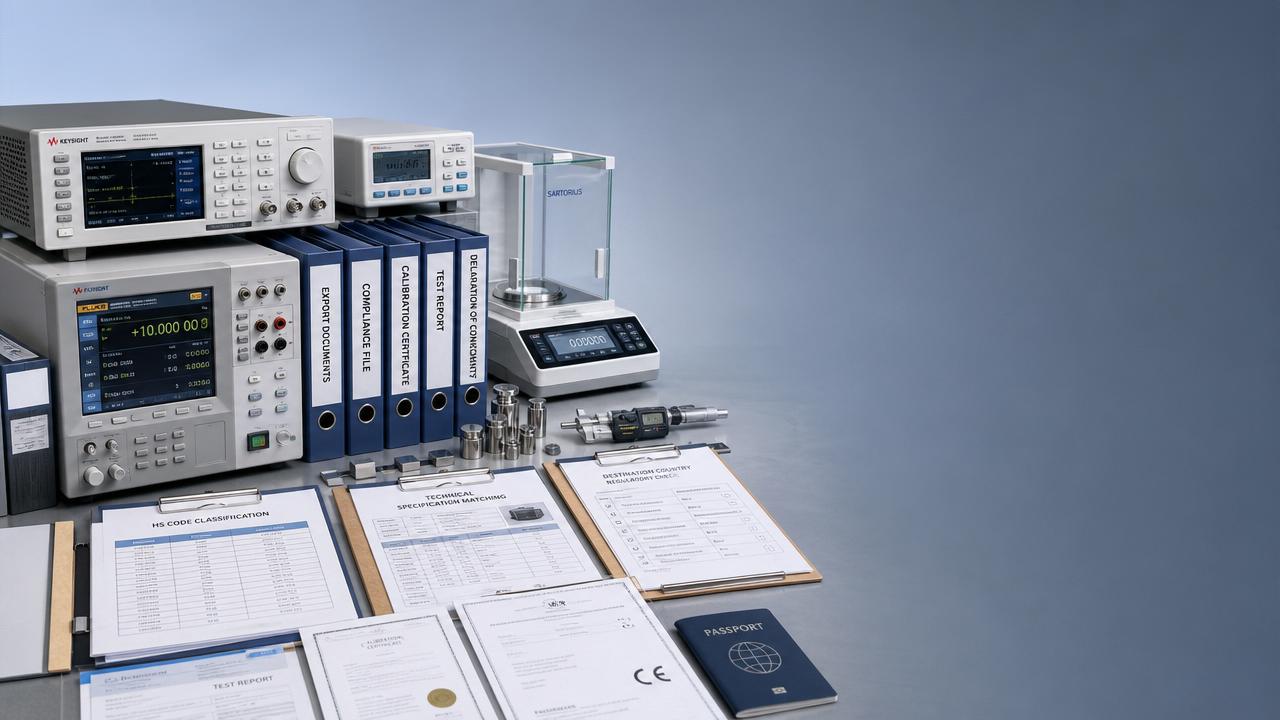
GuoYi Quantum’s IPO filing likely includes detailed descriptions of its quality management system, CE/UKCA marking status, and conformity with IEC 61000-6-3 (EMC) and IEC 61010-1 (safety). Observing these sections — once publicly released — will clarify which markets and use cases its current product portfolio is formally qualified for.
Track delivery patterns in priority regions beyond Germany and Singapore
The confirmed deployments in Germany (Max Planck Society) and Singapore (A*STAR) serve as reference cases. Practitioners should watch for follow-up announcements in other science-intensive regions — e.g., South Korea’s Institute for Basic Science (IBS), France’s CNRS, or Canada’s NRC — as early indicators of scalability and service model adaptation.
Distinguish between regulatory signal and operational readiness
IPO acceptance is a procedural milestone, not a listing confirmation. It does not imply immediate changes in export licensing, customs classification, or end-user verification processes. Companies relying on GuoYi Quantum hardware should treat this as a medium-term signal — not an immediate trigger for contract renegotiation or inventory shifts.
Assess internal technical support capacity ahead of potential platform adoption
Organizations evaluating GuoYi Quantum’s instruments should begin mapping existing expertise gaps — particularly in pulse sequence programming for EPR, NV-center optical alignment, or integration with third-party cryostats — and identify whether vendor-provided training or independent certification pathways are available.
Editorial Perspective / Industry Observation
This event is best understood as a regulatory and financial signal, not yet an operational inflection point. Analysis shows that STAR Market acceptance reflects formal acknowledgment by both capital markets and securities regulators that a domestic quantum instrumentation firm meets threshold standards for transparency, R&D intensity, and international delivery capability. Observably, it does not confirm broad market share gain or automatic substitution of legacy platforms. From an industry perspective, it highlights a structural shift: high-end scientific instrumentation is no longer evaluated solely on historical brand reputation, but increasingly on verifiable field performance, service SLAs, and audit-ready compliance documentation. The significance lies less in GuoYi Quantum alone, and more in what its progression implies for peer firms navigating similar regulatory and commercial pathways.
Conclusion
GuoYi Quantum’s IPO acceptance marks a measurable step toward institutional recognition of China’s capacity to produce mission-critical scientific instruments meeting international research standards. However, it remains a procedural milestone — one that validates process maturity rather than signaling immediate market transformation. For stakeholders, it is more appropriately interpreted as evidence of evolving evaluation criteria in global research infrastructure procurement, rather than a near-term catalyst for wholesale supply chain realignment.
Information Sources
Primary source: Shanghai Stock Exchange official IPO acceptance notice (May 7, 2026); publicly confirmed delivery records from Max Planck Society and A*STAR (as cited in GuoYi Quantum’s filing summary).
Note: Further financial terms, listing timeline, and expanded market deployment data remain pending disclosure and are subject to ongoing observation.


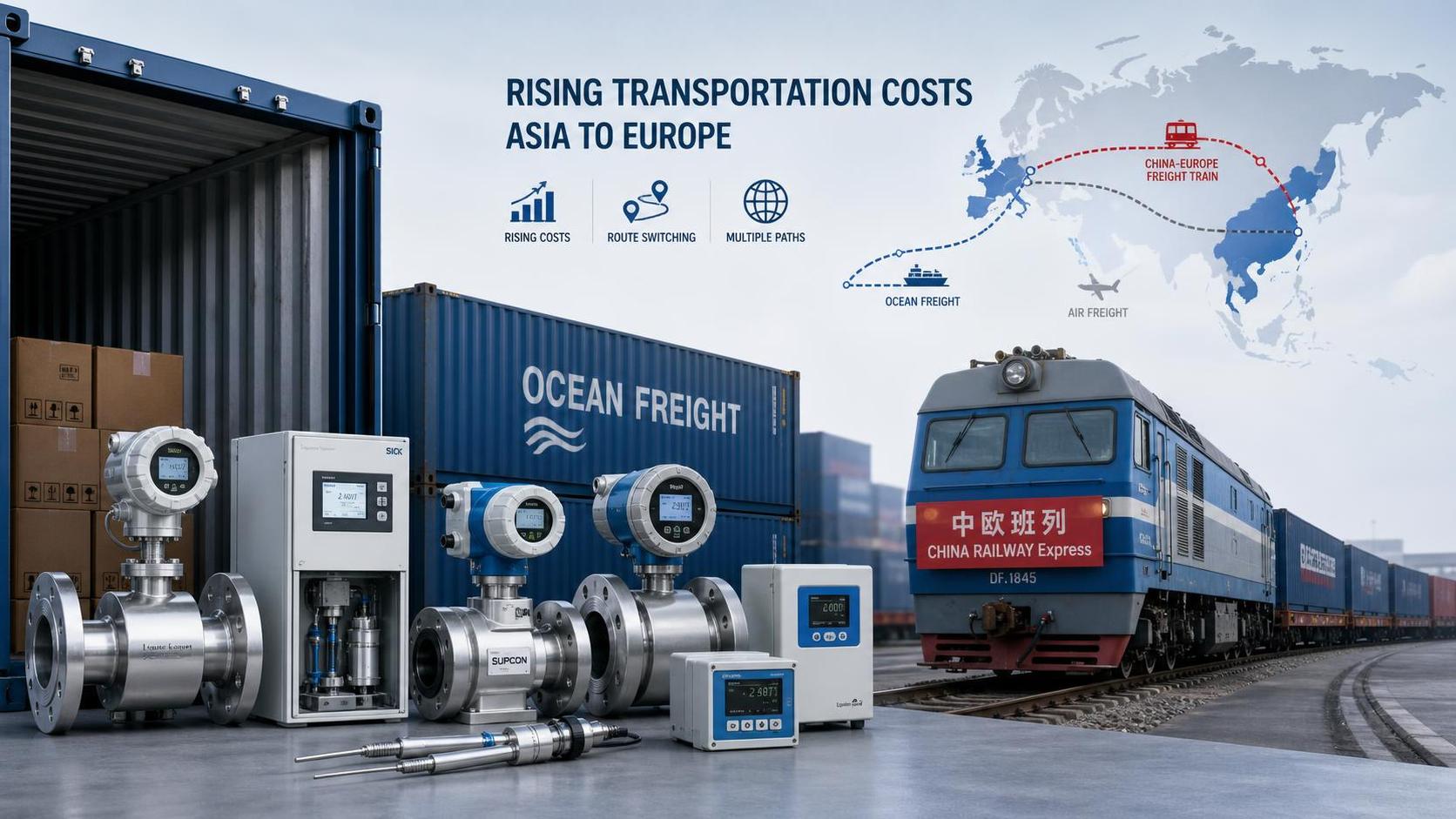
 Asia-Europe Freight Surcharges Lift Costs for Instrument ExportsAsia-Europe Freight Surcharges are raising instrument export costs fast. See how HS 9026/9027 cargo, booking quotas, rail alternatives, and trade risk shifts could impact your supply chain.
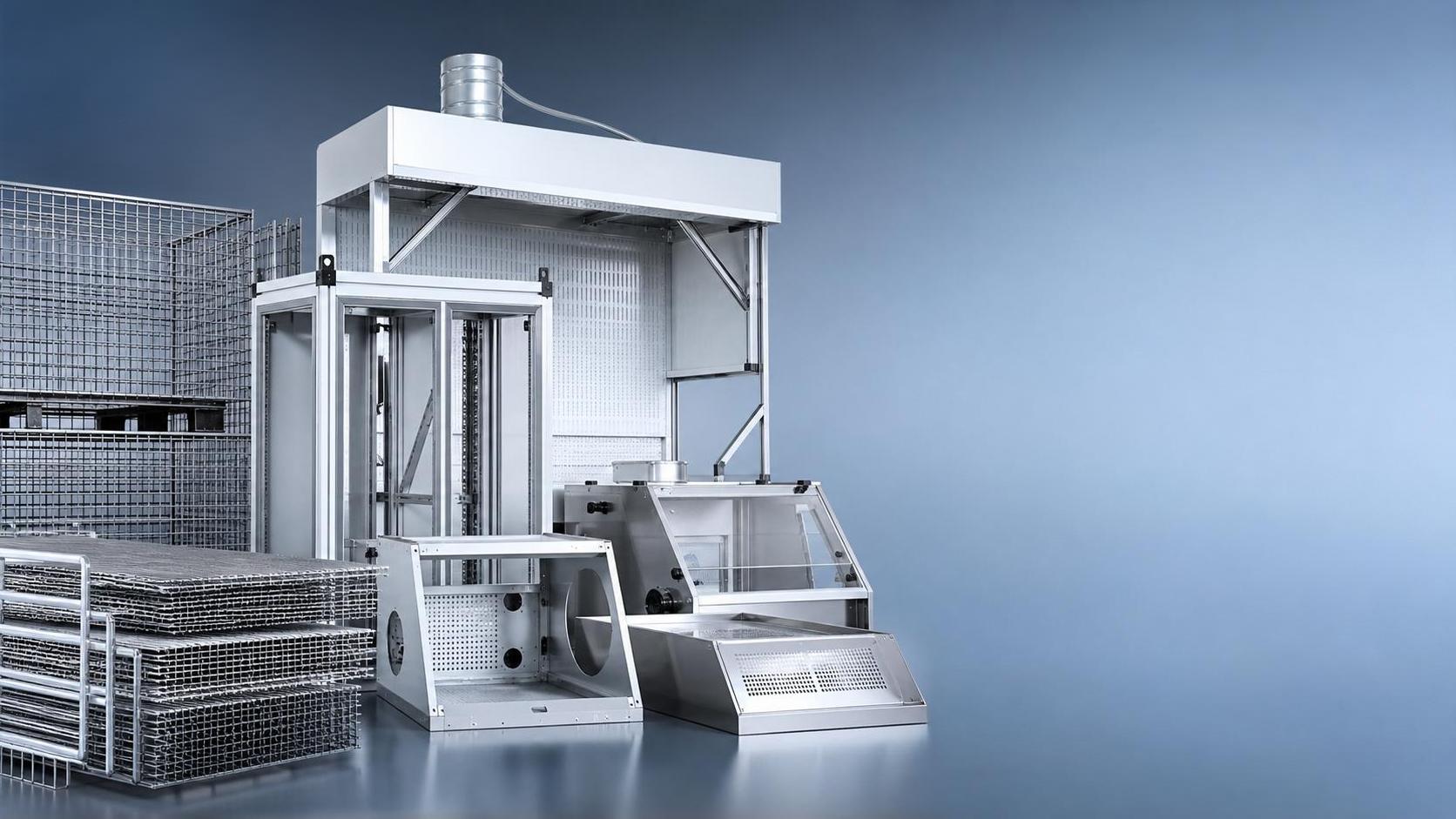
 EU Opens Anti-Dumping Probe Into Chinese Welded Steel MeshEU anti-dumping probe into Chinese welded steel mesh could reshape instrumentation export costs, sourcing risk, and EU supply chain planning. Read the key impacts now.
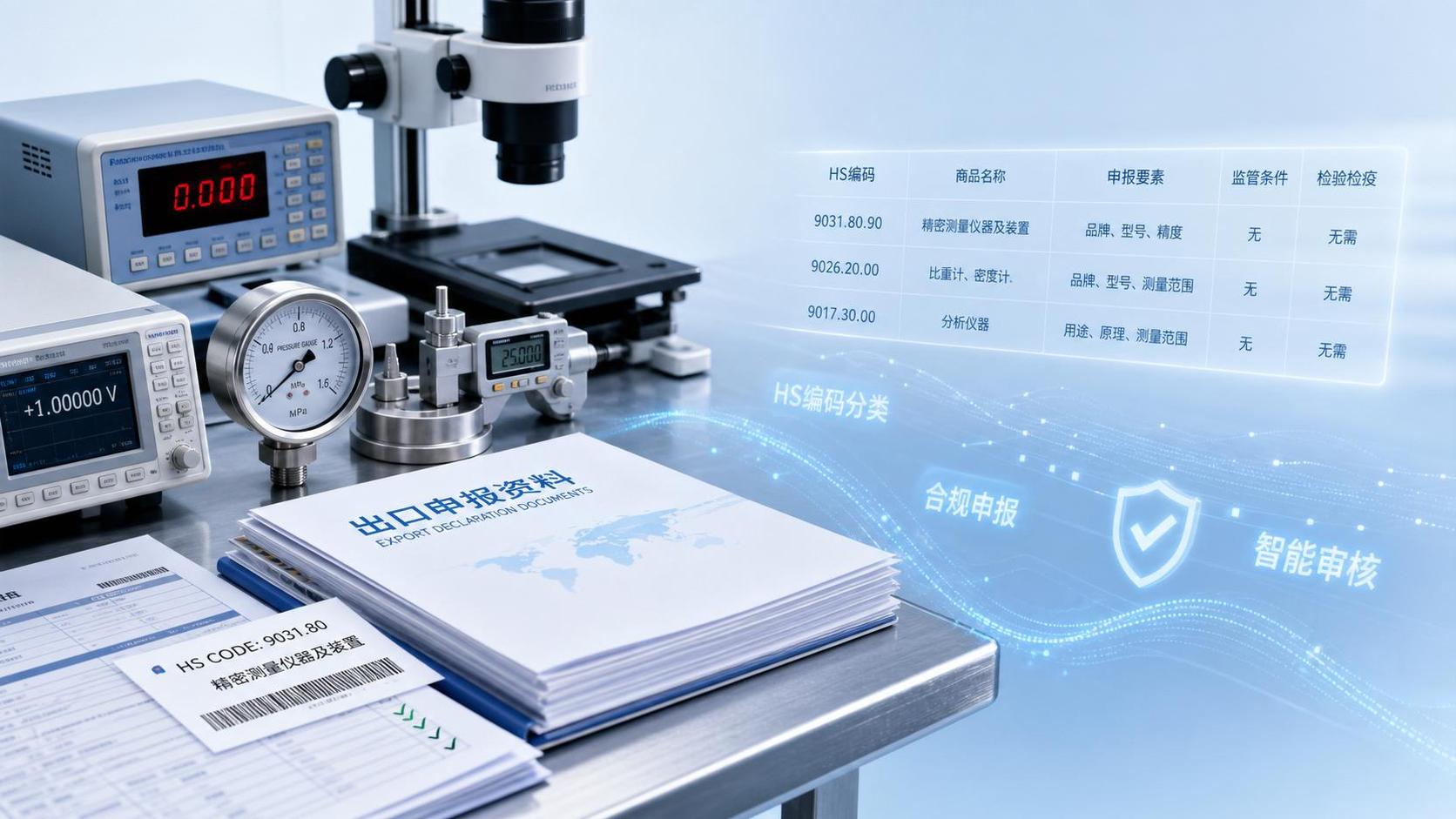
 China Customs Rolls Out AI HS Tool for Instrument ExportsChina Customs rolls out an AI HS tool for instrument exports under HS Chapter 90. Learn how it improves classification accuracy, speeds clearance, and impacts export compliance.
 China Customs Launches Smart HS Tool for Instrument ExportsChina Customs Launches Smart HS Tool for Instrument Exports, boosting HS code accuracy to 98.2%. Learn how it improves compliance, reduces clearance risk, and supports smoother global instrument shipments.
 China Customs Launches Smart HS Tool for Instrument ExportsChina Customs launches a smart HS tool for instrument exports, helping manufacturers and exporters improve HS code accuracy, reduce compliance risks, and speed up customs clearance.
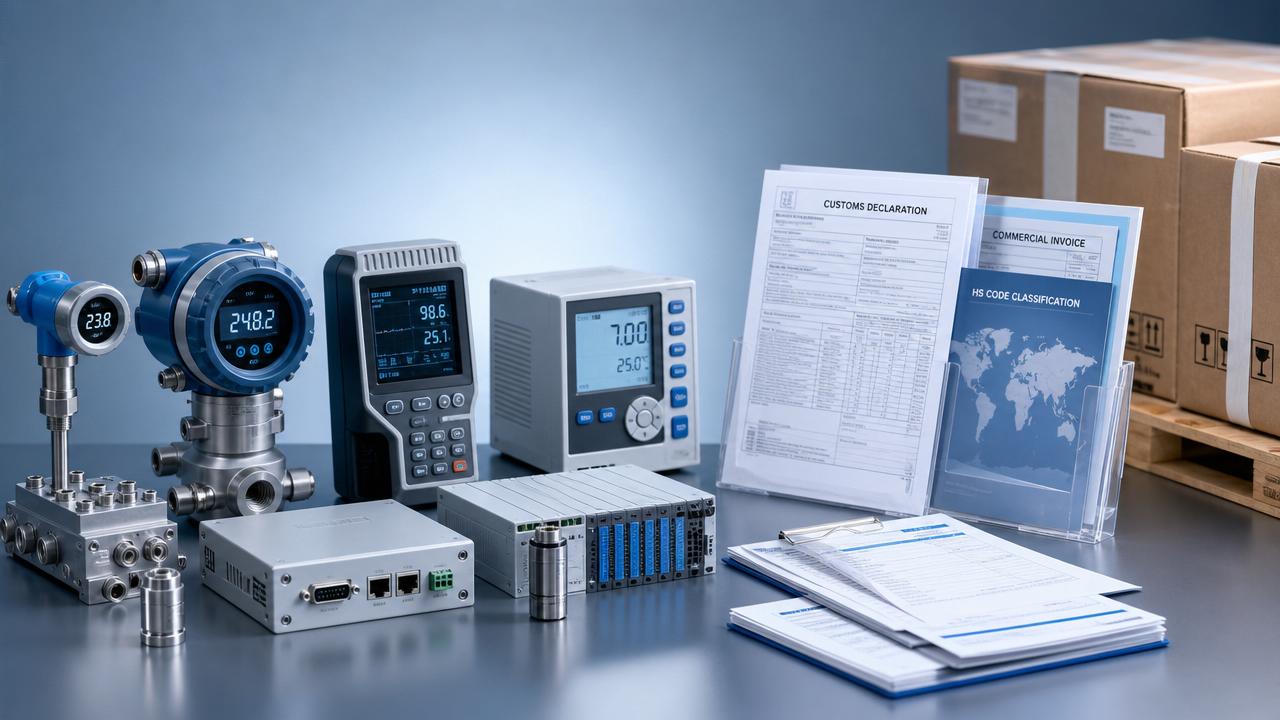
") China's Instruments Rise: 7 Firms in Global Top 25 (2026)China's Instruments Rise: 7 firms enter 2026 Global Top 25 — Hikvision #4, United Imaging & SUPCON debut. Key insights for procurement, compliance & AI-integrated instrumentation.
China's Instruments Rise: 7 Firms in Global Top 25 (2026)China's Instruments Rise: 7 firms enter 2026 Global Top 25 — Hikvision #4, United Imaging & SUPCON debut. Key insights for procurement, compliance & AI-integrated instrumentation.
Chat Online