


Saudi Arabia’s new SASO requirement for imported industrial flow meters will take effect on August 1, 2026, following a mandatory technical notice issued in May 2026. Under the published requirement, imported industrial electromagnetic, vortex, and ultrasonic flow meters must complete AI-assisted real-time calibration verification at designated laboratories in Riyadh or Dammam, and the raw data must be uploaded to the SASO-SmartCal platform. For companies involved in industrial instrumentation, cross-border equipment trade, calibration workflows, and Saudi-bound supply chains, this is a development worth close attention because products that do not meet the requirement will not be cleared through customs.
Event Overview
According to the disclosed information, the Saudi Standards, Metrology and Quality Organization (SASO) issued a mandatory technical notice in May 2026. The notice requires that, from August 1, 2026, all industrial-grade electromagnetic, vortex, and ultrasonic flow meters imported into Saudi Arabia must undergo AI-assisted real-time calibration verification at designated laboratories in Riyadh or Dammam.
The currently confirmed public information also states that the original calibration data must be uploaded to the SASO-SmartCal platform. Products that fail to meet the requirement will not be granted customs clearance. At this stage, the disclosed facts are limited to the covered product categories, the implementation date, the designated verification locations, the data-upload requirement, and the customs consequence for non-compliant products.
Which Industry Segments Will Be Affected
Direct importers and trading companies
These companies are affected most directly because the requirement applies at the import stage and links compliance to customs clearance. The practical impact is likely to center on pre-delivery planning, shipment timing, and document readiness. Analysis shows that any company shipping covered flow meters into Saudi Arabia will need to align its logistics process with local calibration verification in Riyadh or Dammam rather than treating calibration as a routine upstream step outside the Saudi market.
The main impact is operational rather than theoretical: shipment release now depends not only on product availability but also on whether the designated local verification and data submission have been completed in line with the new rule.
Industrial flow meter manufacturers exporting to Saudi Arabia
Manufacturers of electromagnetic, vortex, and ultrasonic flow meters will be affected because product acceptance in the Saudi market is now tied to a local AI-assisted calibration workflow. From an industry perspective, this changes the export process from a product-only delivery model to a product-plus-verification model for Saudi-bound orders.
The impact may be reflected in factory-to-market coordination, technical file preparation, calibration data handling, and communication with local importers or representatives. Current attention should focus on whether existing export arrangements can support the required raw-data upload and local laboratory verification without delaying delivery.
Saudi project distributors and channel partners
Distributors, local agents, and channel-side project suppliers may be affected because the rule can influence delivery schedules for imported meters used in industrial projects. Observably, if products cannot complete the required verification in time, downstream project supply may face scheduling uncertainty even when purchase demand remains unchanged.
The effect is not limited to customs clearance itself. It also extends to customer communication, contract delivery expectations, and inventory turnover for covered meter categories entering the Saudi market.
Supply chain and compliance service providers
Logistics coordinators, customs service providers, compliance consultants, and technical support partners are also likely to feel the impact because the new rule introduces a tighter link between physical shipment, local laboratory verification, and digital data submission. More appropriately understood, this is a workflow change across the import chain rather than a single testing requirement.
The main impact may appear in process coordination: arranging designated laboratory handling in Riyadh or Dammam, confirming whether submission records to SASO-SmartCal are complete, and reducing the risk that non-compliant cargo becomes stuck at the clearance stage.
What Companies and Practitioners Should Watch and How to Respond Now
Track official wording and implementation details closely
Current attention should focus on the exact official wording already published and any follow-up clarification tied to implementation on or after August 1, 2026. Companies handling Saudi-bound industrial flow meters should review whether all covered SKUs fall within electromagnetic, vortex, or ultrasonic categories and whether any internal assumptions go beyond the confirmed notice.
From an industry perspective, separating published requirements from internal interpretation is essential. Businesses should avoid relying on informal expectations when the consequence of non-compliance is failed customs clearance.
Review Saudi-bound order pipelines and shipment timing
Companies with orders scheduled around the August 1, 2026 implementation date should examine whether shipment plans, arrival timing, and handover responsibilities are compatible with local verification in designated Saudi laboratories. Analysis shows that the timing issue may be as important as the technical issue, because customs clearance depends on completing the required process in the specified market.
For practical response, teams should identify affected orders early, map where calibration verification will occur, and clarify which party is responsible for coordination and data submission before cargo reaches the clearance stage.
Prepare calibration records and raw data workflows in advance
The requirement to upload original data to the SASO-SmartCal platform means data handling is not a secondary issue. Observably, companies should review whether internal technical records, data export formats, and handoff procedures are organized well enough to support a local verification process without repeated back-and-forth between manufacturer, importer, and laboratory.
A practical response would be to set up an internal checklist for covered products, including model identification, calibration-related records, responsible contacts, and confirmation that raw data needed for platform submission can be retrieved and transferred in a usable form.
Align commercial communication with compliance reality
Current attention should focus on business communication with Saudi customers, distributors, and logistics partners. More appropriately understood, the new rule is not only a technical compliance matter; it may also affect promised lead times and delivery commitments for covered flow meters.
Companies should therefore update quotations, delivery discussions, and contract communication where necessary so that all parties understand that Saudi import clearance now depends on local AI-assisted calibration verification and platform-based data submission. This can help reduce disputes caused by mismatched expectations after shipment dispatch.
Editor’s View / Industry Observation
Observation suggests that this development is significant not simply because it introduces another import condition, but because it ties market access for specific industrial flow meters to a local, data-linked verification process inside Saudi Arabia. Analysis shows that the immediate result is procedural: exporters and importers of covered instruments can no longer treat calibration compliance as a closed step completed entirely outside the destination market.
Current attention should focus on how the rule functions as both an enforceable requirement and a policy signal. It is already a concrete compliance condition because products that do not meet the requirement will not clear customs. At the same time, from an industry perspective, it may also signal stricter integration of technical verification, local testing capacity, and digital compliance reporting in Saudi-bound industrial equipment trade.
More appropriately understood, the industry should not read this only as a short-term customs issue. It is also a reminder that market entry conditions for industrial instruments can increasingly depend on how well companies connect product delivery, local verification, and traceable data submission.
In summary, the new SASO rule matters because it directly affects how imported industrial flow meters enter the Saudi market and because it places compliance, calibration verification, and data submission into the same workflow. A neutral reading at this stage is that the measure has already moved beyond policy signaling and into enforceable import practice for the covered product categories. Current attention should focus on practical execution: identifying affected products, aligning shipment plans with designated local verification in Riyadh or Dammam, and preparing raw-data submission processes in advance.
Source Information
Main sources: the input event information provided for this article; the publicly described SASO mandatory technical notice issued in May 2026 as referenced in the provided summary.
Items requiring continued observation: any subsequent official clarification from SASO regarding implementation details, operational procedures for designated laboratories in Riyadh or Dammam, and platform-related submission requirements connected to SASO-SmartCal.


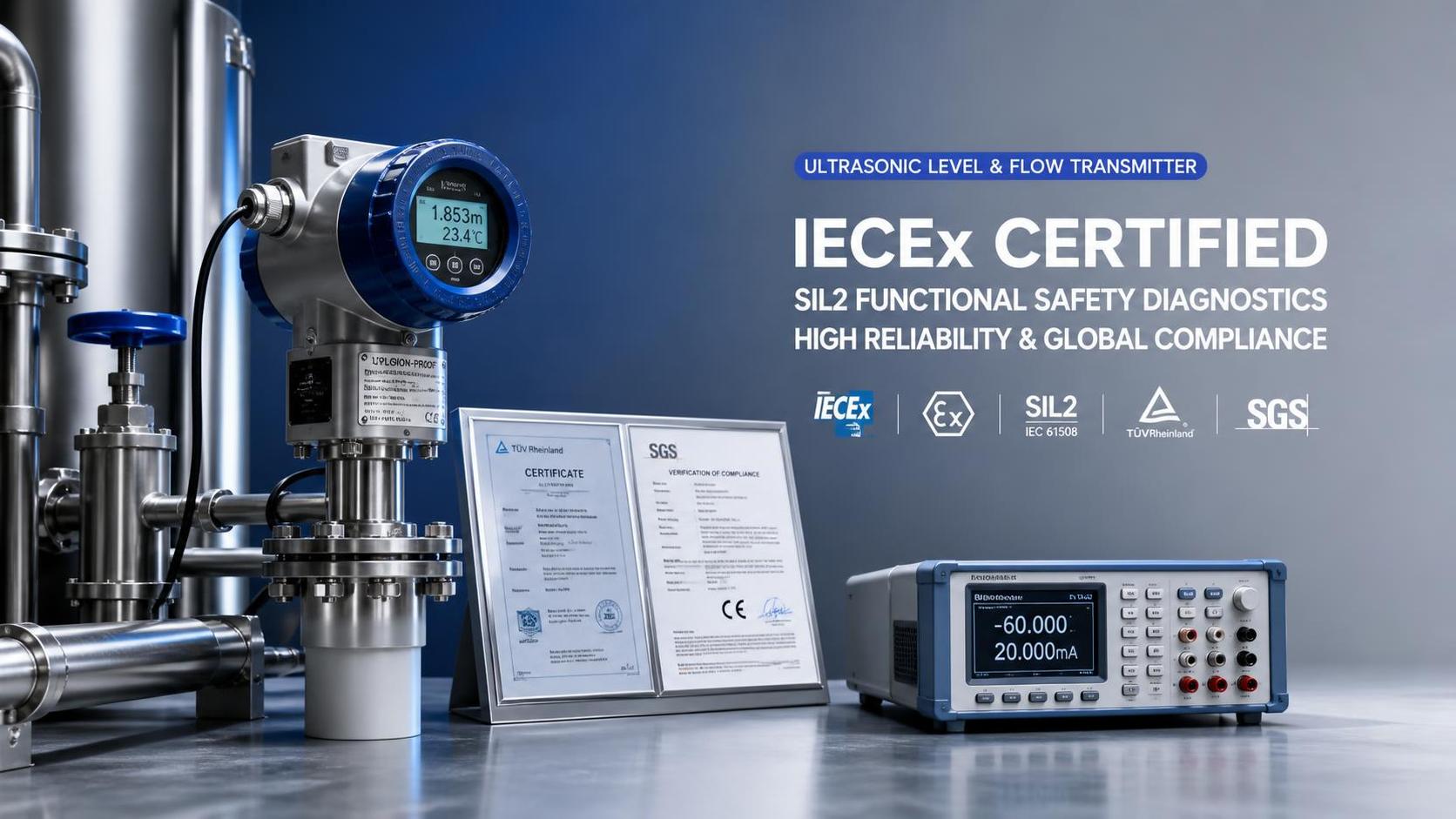
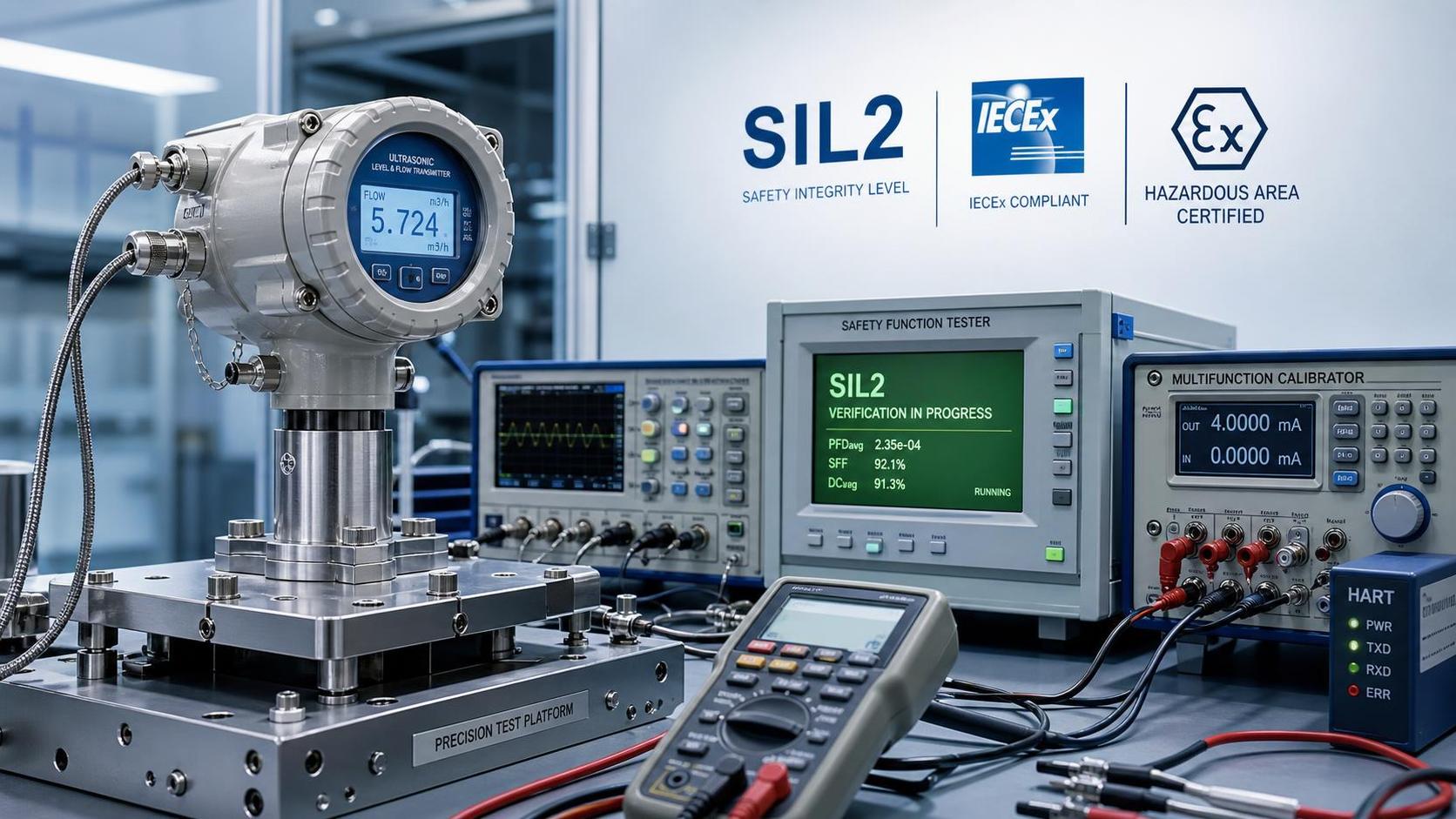
 New IECEx Rule Requires SIL2 Diagnostic Validation for Chinese Ultrasonic Transmitter ExportsIECEx rule update: SIL2 diagnostic validation is now required for Chinese ultrasonic transmitter exports. Learn how IEC 61508, 90% DC reports, and procurement risks affect bids and delivery.
 IECEx Rule Change Makes SIL2 Diagnostics Mandatory for Chinese Ultrasonic Transmitter ExportsIECEx now requires SIL2 diagnostics for Chinese ultrasonic transmitter exports, reshaping Ex d and Ex ia compliance. Learn what changes, who is affected, and how to stay ahead.
 IEC 61511-3:2026 Tightens SIL2 RulesIEC 61511-3:2026 tightens SIL2 rules for flow meters and pressure transmitters, adding HFT ≥ 1 and DC ≥ 90% requirements—see what suppliers, EPCs, and buyers must act on now.
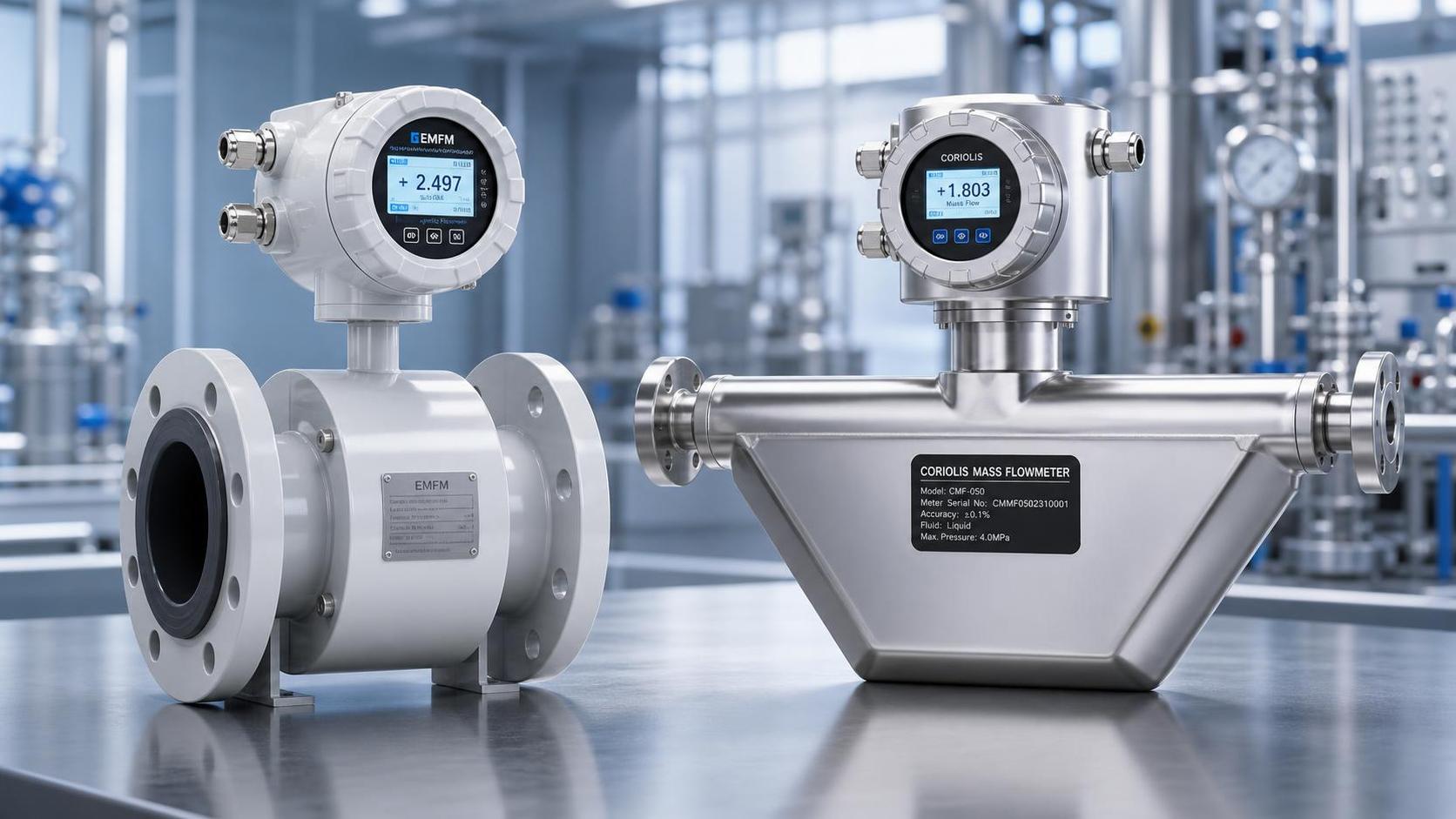
 Q2 2026 Flowmeter Export Prices Rise 9.3%Flowmeter export prices rose 9.3% in Q2 2026, driven by high-end electromagnetic and Coriolis models. See what this means for buyers, contracts, and budgets.
 Saudi SASO Tightens Pressure Instrument RulesSaudi SASO tightens pressure instrument rules from 2026-10-01. Learn how local testing and registration reshape compliance, lead times, and market access for exporters.
 Saudi SASO Ends China Type-Approval Route for Pressure InstrumentsSaudi SASO ends the China type-approval route for pressure instruments, requiring full lab testing from Oct 2026. Learn the cost, lead-time, and compliance impact now.
Chat Online