


On June 1, 2026, the Saudi Standards, Metrology and Quality Organization announced a new requirement affecting imported industrial flow meters. From August 1, 2026, vortex, Coriolis and ultrasonic flow meters imported into Saudi Arabia will need to complete local AI-driven field calibration verification in addition to the existing SASO Certificate of Conformity process. The change deserves close attention from flow meter exporters, importers, distributors, procurement teams and supply chain service providers because it may affect customs clearance timing, local service coordination and compliance costs.
Event Overview
According to Technical Circular No. SASO/TC-2026/089 released by the Saudi Standards, Metrology and Quality Organization on June 1, 2026, imported vortex, Coriolis and ultrasonic flow meters entering Saudi Arabia will be subject to an additional local verification requirement from August 1, 2026.
The circular states that, in addition to the existing SASO Certificate of Conformity requirement, the covered imported flow meters must be verified by an authorized local laboratory using SASO’s newly deployed AI calibration verification platform, SASO-CalAI v2.1.
The verification must include no fewer than three real-time comparison checks under dynamic operating conditions. The encrypted verification report must then be uploaded to the SASO electronic portal.
The currently disclosed information also indicates that this measure is expected to significantly extend customs clearance cycles and increase local service costs.
Which Industry Segments Will Be Affected
Direct Importers and Trading Companies
Direct importers of vortex, Coriolis and ultrasonic flow meters will be among the most immediately affected because the new requirement adds a local verification step before products can proceed smoothly through the Saudi import process.
The impact will mainly appear in customs clearance planning, document preparation, laboratory appointment coordination and cost estimation. From an industry perspective, importers may need to treat calibration verification as a core compliance milestone rather than a post-arrival technical formality.
Export Manufacturers Supplying the Saudi Market
Manufacturers exporting covered industrial flow meters to Saudi Arabia may face more complex delivery expectations from customers and local partners. Although the requirement is implemented locally, the additional verification process can influence shipment schedules, contract delivery terms and after-sales coordination.
Analysis shows that exporters should pay close attention to whether product documentation, calibration records and technical files are sufficient to support local laboratory verification. The circular does not replace the SASO Certificate of Conformity, but adds a further verification layer for the specified flow meter categories.
Procurement Teams and End-Use Buyers
Companies purchasing imported flow meters for use in Saudi Arabia may be affected through longer lead times and potentially higher local service expenses. This is especially relevant for buyers with project schedules that depend on timely installation, commissioning or replacement of flow measurement equipment.
Current information does not provide a detailed timeline for each verification case. Therefore, observably, procurement teams should avoid assuming that previous customs clearance cycles will remain unchanged after August 1, 2026.
Channel Distributors and Local Service Providers
Distributors and local service providers may need to coordinate more closely with authorized local laboratories and the SASO electronic portal process. Their role may become more operationally important because the verification must be performed locally and the encrypted report must be uploaded to the official portal.
From an industry perspective, the impact is likely to be reflected in service scheduling, customer communication and responsibility allocation among overseas suppliers, local distributors and importers.
Supply Chain and Customs Support Providers
Supply chain service providers supporting Saudi-bound shipments of covered flow meters may need to adjust customs clearance workflows. The added verification requirement means that shipment arrival, laboratory verification and portal submission may need to be coordinated as connected steps.
Analysis shows that customs brokers and logistics coordinators should pay attention to how verification timing interacts with clearance documentation, storage arrangements and delivery commitments.
What Companies Should Watch and How to Respond
Track Official Clarifications Before the August 2026 Start Date
Companies should closely monitor further official explanations from SASO regarding implementation details, especially the procedures for authorized local laboratories, the use of SASO-CalAI v2.1 and the electronic portal upload process.
Current information confirms the requirement, the affected product categories and the implementation date. However, operational details may still require continued observation before companies can fully standardize internal procedures.
Identify Whether Shipments Include Covered Flow Meter Types
Importers, exporters and distributors should first confirm whether their Saudi-bound products fall under vortex, Coriolis or ultrasonic flow meters. This product-level screening is essential because the disclosed requirement is tied to these specific imported industrial flow meter categories.
For shipments planned near or after August 1, 2026, companies should avoid treating all flow measurement products in the same way without checking whether they are covered by the circular.
Build Local Verification Time into Delivery Planning
Because the disclosed information states that customs clearance cycles may be significantly extended, companies should review delivery schedules, customer commitments and project milestones involving covered imported flow meters.
From an industry perspective, a practical response is to include local AI-driven calibration verification as a planned step in the import timeline rather than handling it only after customs delays occur.
Clarify Responsibility for Local Service Costs and Documentation
The new requirement may increase local service costs. Companies involved in sales, procurement and distribution should clarify in advance who is responsible for arranging laboratory verification, paying related local service expenses and providing the documentation needed for portal submission.
Analysis shows that this is particularly important for transactions involving multiple parties, such as overseas manufacturers, Saudi importers, local distributors and end-use buyers.
Editor’s View / Industry Observation
From an industry perspective, this circular is more than a routine documentation update because it introduces a local, AI-driven verification process into the import compliance pathway for specified industrial flow meters.
Analysis shows that the immediate meaning of the news is not that the original SASO Certificate of Conformity process has been removed, but that covered products will face an additional local validation requirement after the stated implementation date.
Observably, this is already a defined compliance requirement with a published start date, while some operational details still need continued attention. The industry should therefore treat it as both an upcoming implementation issue and a signal that Saudi import compliance for measurement instruments may place greater emphasis on local verification and digital reporting.
Conclusion
The June 1, 2026 SASO circular is significant for companies involved in importing, exporting, distributing or procuring vortex, Coriolis and ultrasonic flow meters for the Saudi market. Its main industry impact lies in the added local AI-driven calibration verification process, the requirement for multiple dynamic real-time comparison checks and the encrypted report submission through the SASO electronic portal.
Current information is best understood as a concrete compliance change that will take effect on August 1, 2026, while detailed operational practices should continue to be monitored. Companies should respond by reviewing covered product categories, adjusting delivery schedules, coordinating with local partners and preparing for added verification-related costs.
Information Source Statement
Main source: Saudi Standards, Metrology and Quality Organization, Technical Circular No. SASO/TC-2026/089, released on June 1, 2026.
Items requiring continued observation: further SASO implementation guidance, authorized local laboratory procedures, SASO-CalAI v2.1 operational requirements and detailed electronic portal submission practices.


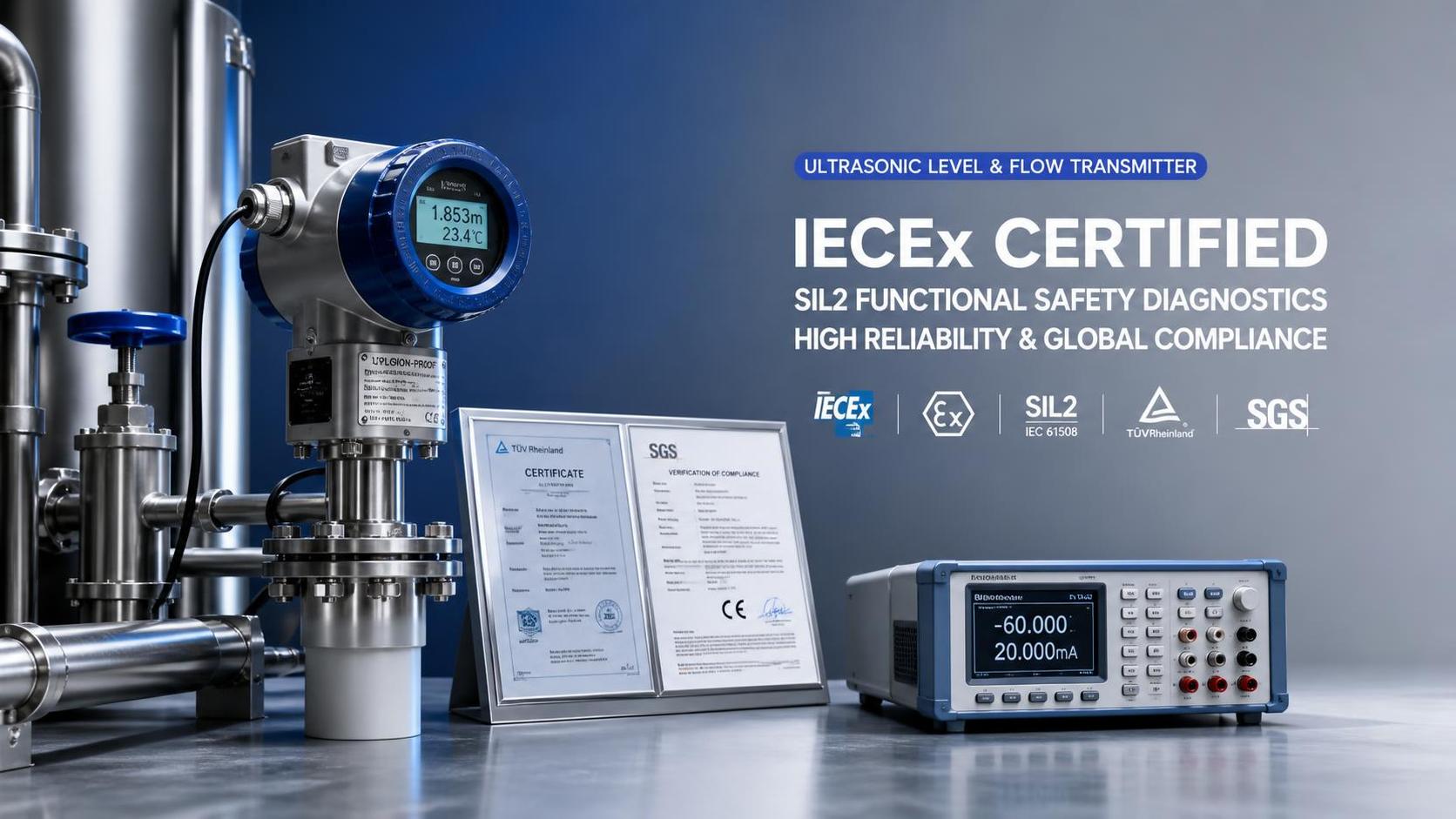
 New IECEx Rule Requires SIL2 Diagnostic Validation for Chinese Ultrasonic Transmitter ExportsIECEx rule update: SIL2 diagnostic validation is now required for Chinese ultrasonic transmitter exports. Learn how IEC 61508, 90% DC reports, and procurement risks affect bids and delivery.
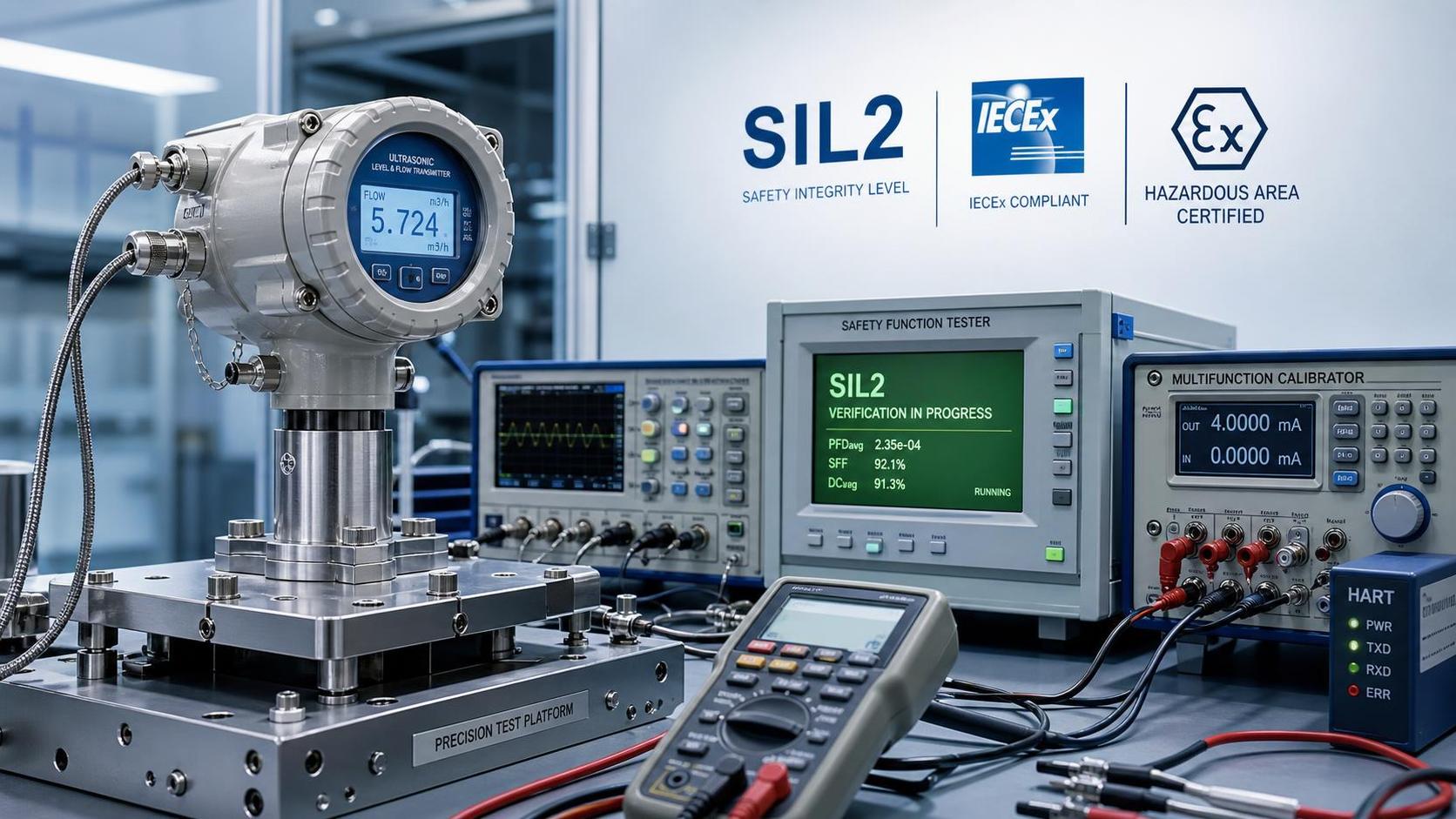
 IECEx Rule Change Makes SIL2 Diagnostics Mandatory for Chinese Ultrasonic Transmitter ExportsIECEx now requires SIL2 diagnostics for Chinese ultrasonic transmitter exports, reshaping Ex d and Ex ia compliance. Learn what changes, who is affected, and how to stay ahead.
 IEC 61511-3:2026 Tightens SIL2 RulesIEC 61511-3:2026 tightens SIL2 rules for flow meters and pressure transmitters, adding HFT ≥ 1 and DC ≥ 90% requirements—see what suppliers, EPCs, and buyers must act on now.
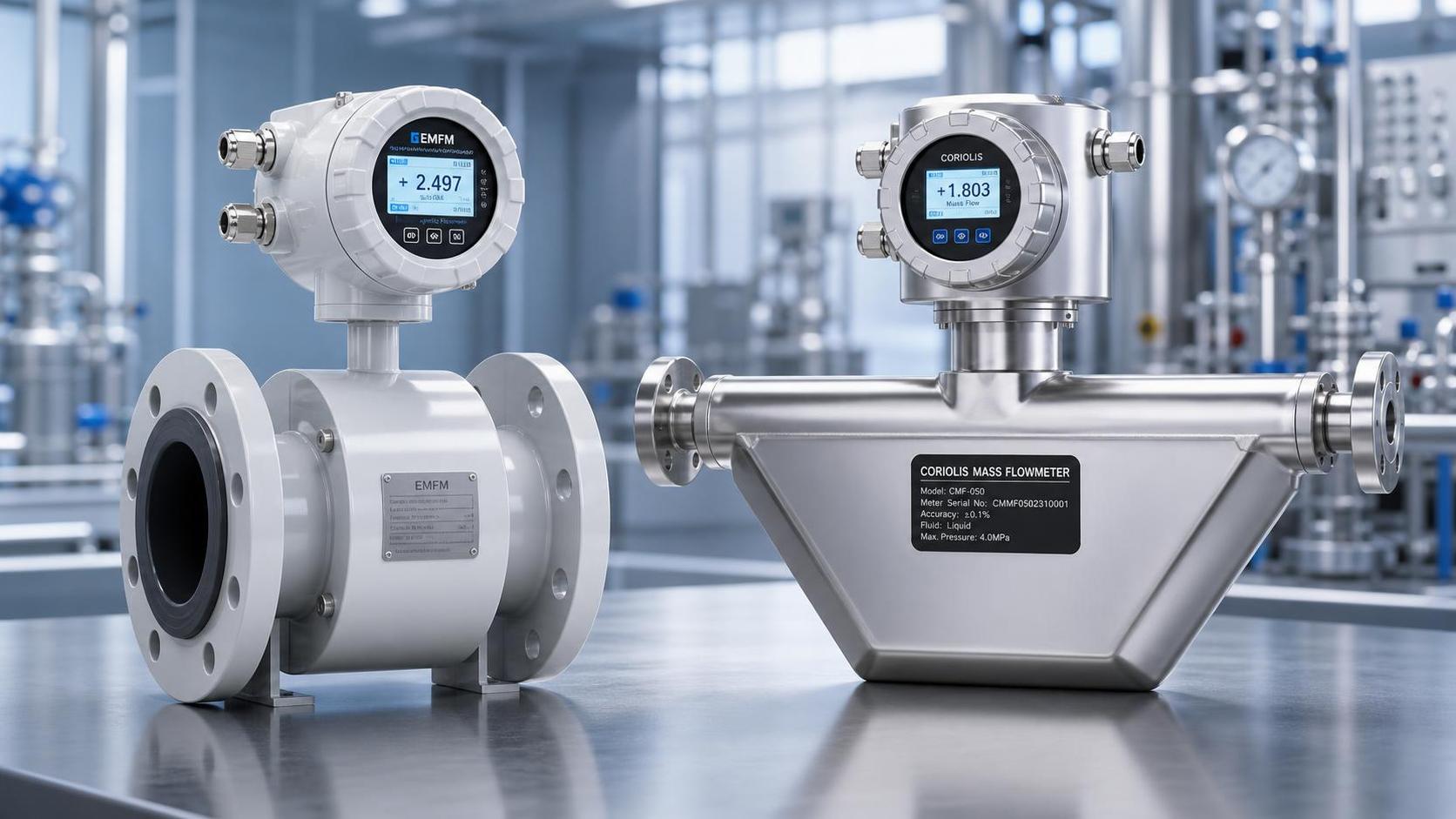
 Q2 2026 Flowmeter Export Prices Rise 9.3%Flowmeter export prices rose 9.3% in Q2 2026, driven by high-end electromagnetic and Coriolis models. See what this means for buyers, contracts, and budgets.
 Saudi SASO Tightens Pressure Instrument RulesSaudi SASO tightens pressure instrument rules from 2026-10-01. Learn how local testing and registration reshape compliance, lead times, and market access for exporters.
 Saudi SASO Ends China Type-Approval Route for Pressure InstrumentsSaudi SASO ends the China type-approval route for pressure instruments, requiring full lab testing from Oct 2026. Learn the cost, lead-time, and compliance impact now.
Chat Online