


Products
Contact Us
Get A Quote
Recommend
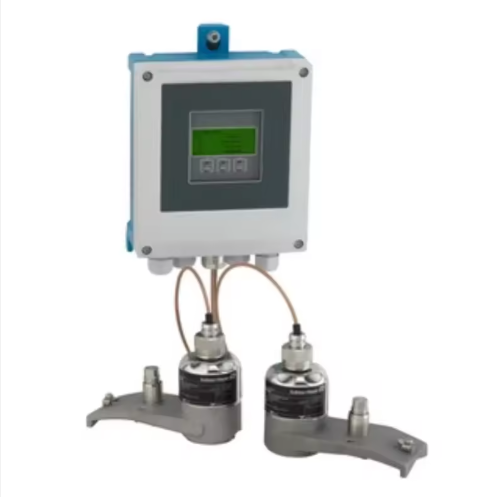
 Endress+Hauser 9W4B Prosonic Flow W400 Ultrasonic Clamp-on Flowmeter DN15–DN4000 Liquid Flow TransmitterMore
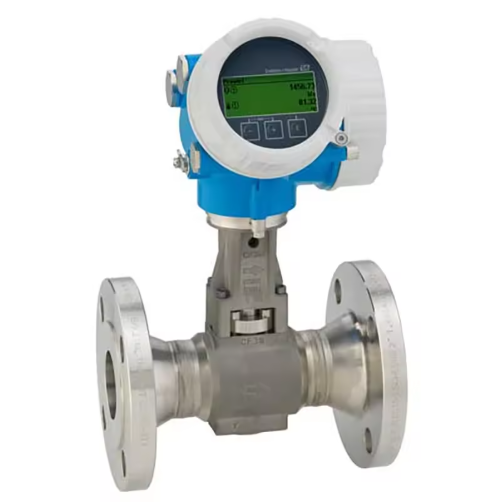
 Endress+Hauser 7R2C Proline Prowirl R 200 Vortex Flowmeter 7R2C Vortex Flowmeter High Accuracy Steam GasMore
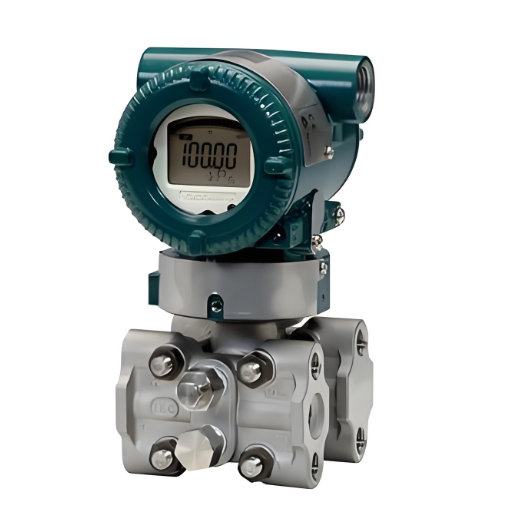
 Yokogawa EJX430A High Precision Gauge Pressure Transmitter For Oil Gas Chemical IndustryMore
‹
›
‹
›
Product Description
Product Description
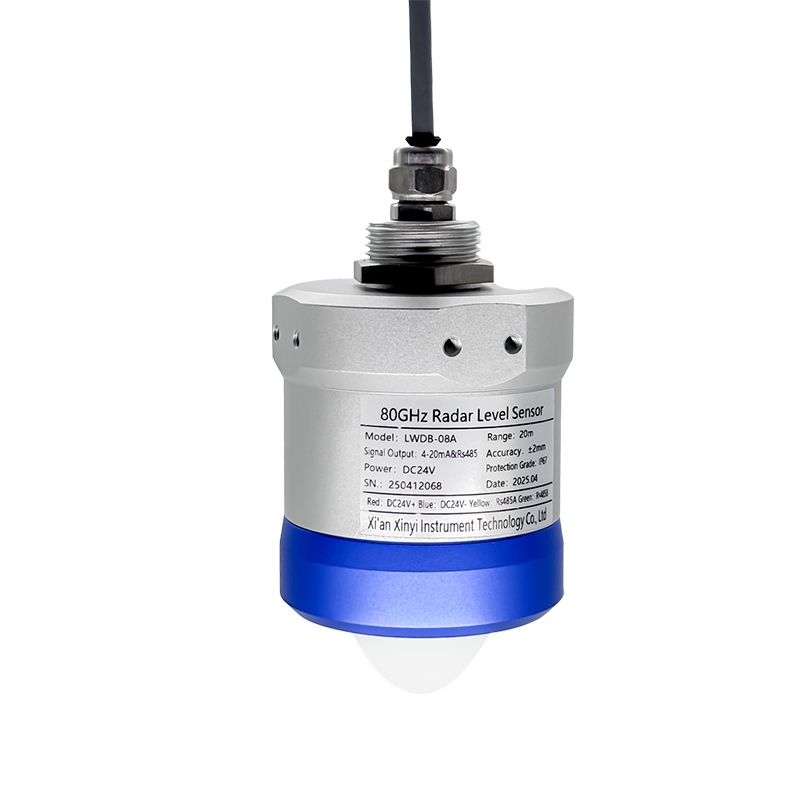
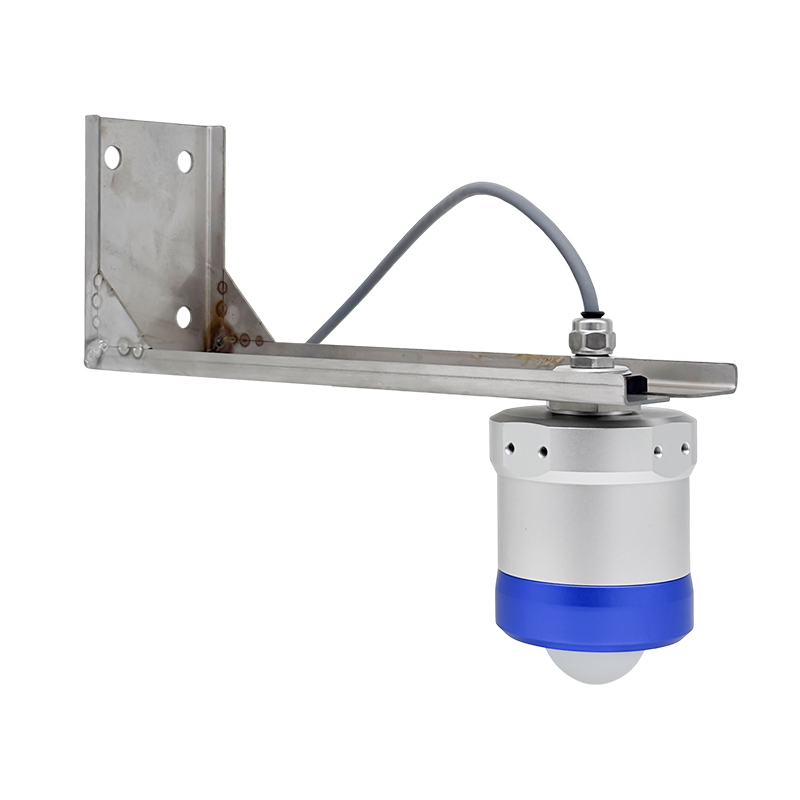
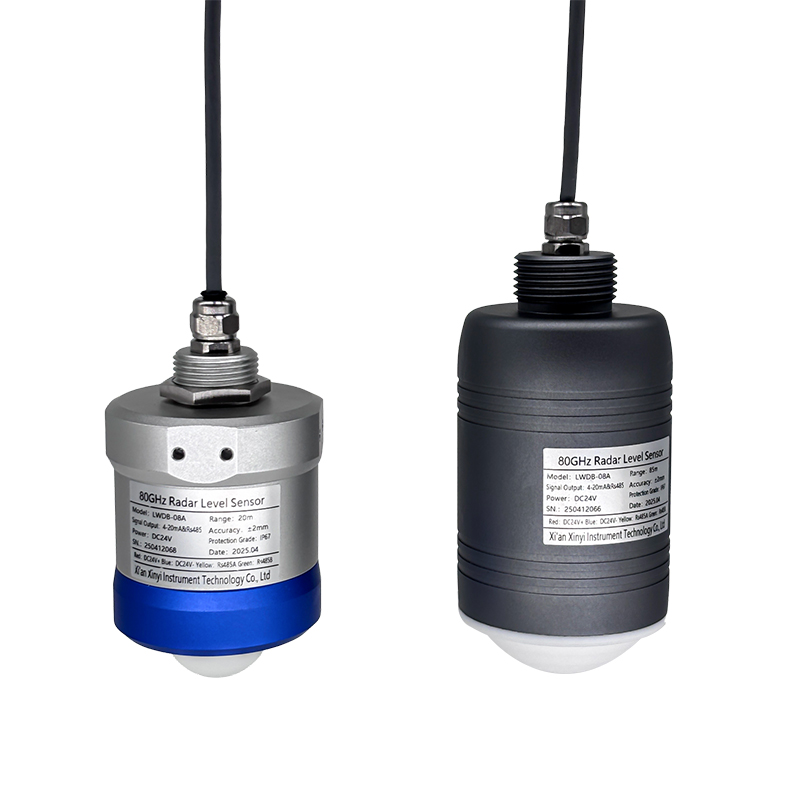
Based on frequency modulated continuous wave (FMCW) technology, the 80G radar level gauge measures the height or distance of materials by transmitting and receiving microwave signals. Its working principle is to emit a microwave signal with a frequency that varies linearly with time. When the signal encounters the surface of the measured material, it will reflect back and form a frequency difference with the emitted signal. By measuring this frequency difference and time delay, combined with the propagation speed of radar waves, the height or distance of the material can be accurately calculated.
The 80G radar level gauge achieves closed-loop control from signal transmission to liquid level output through a triple technical architecture of high-frequency signals, AI algorithms, and intelligent diagnosis, making it particularly suitable for high-precision measurement under harsh working conditions. Its schematic design takes into account both physical optical characteristics and digital signal processing technology, making it an ideal choice for Industry 4.0 intelligent tank area management.
Product Features
High frequency anti-interference technology
a. 80G wavelength 3.75mm, beam angle 3 °, strong penetration, can penetrate steam, light dust
b. Dynamic adaptive threshold, efficient elimination of transient interference
c. AI false echo learning, automatically blocking false echoes
Non contact measurement
Corrosion resistance and high temperature resistance
Intelligent diagnosis and adaptive technology
The device has real-time health status detection and code alarm
Flexible installation
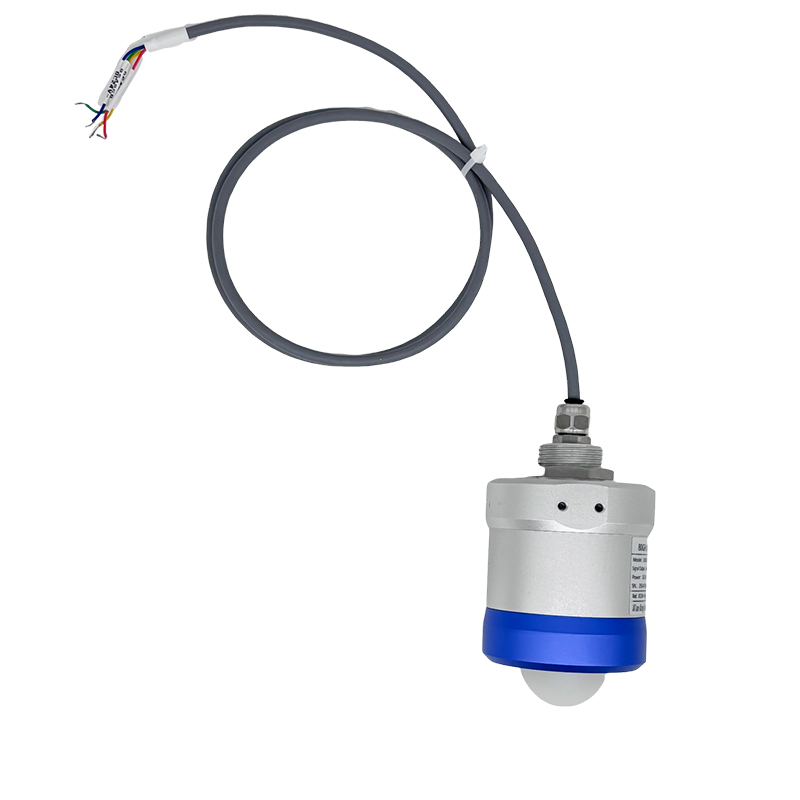
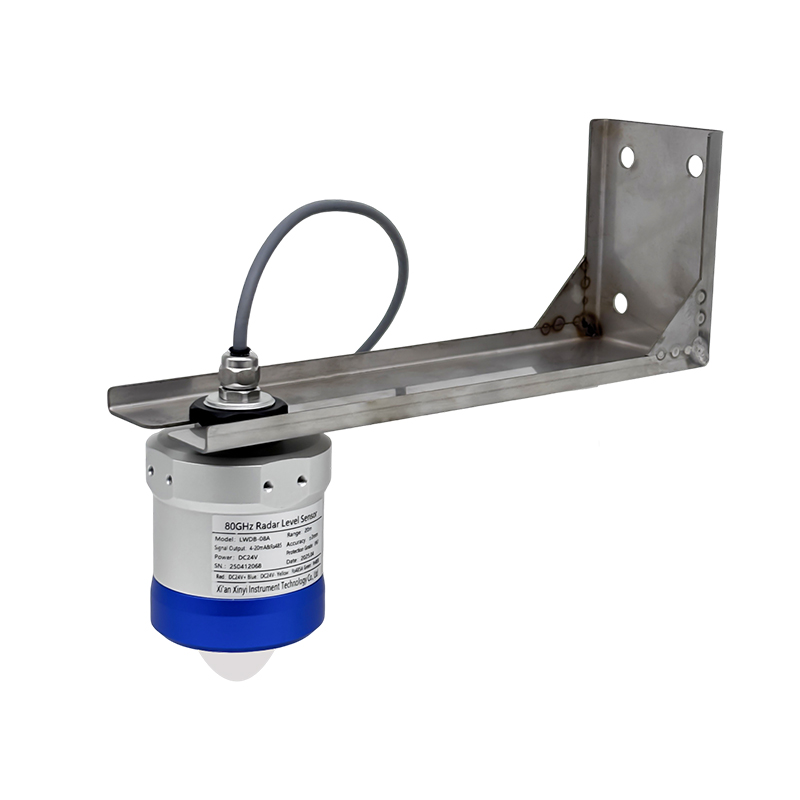
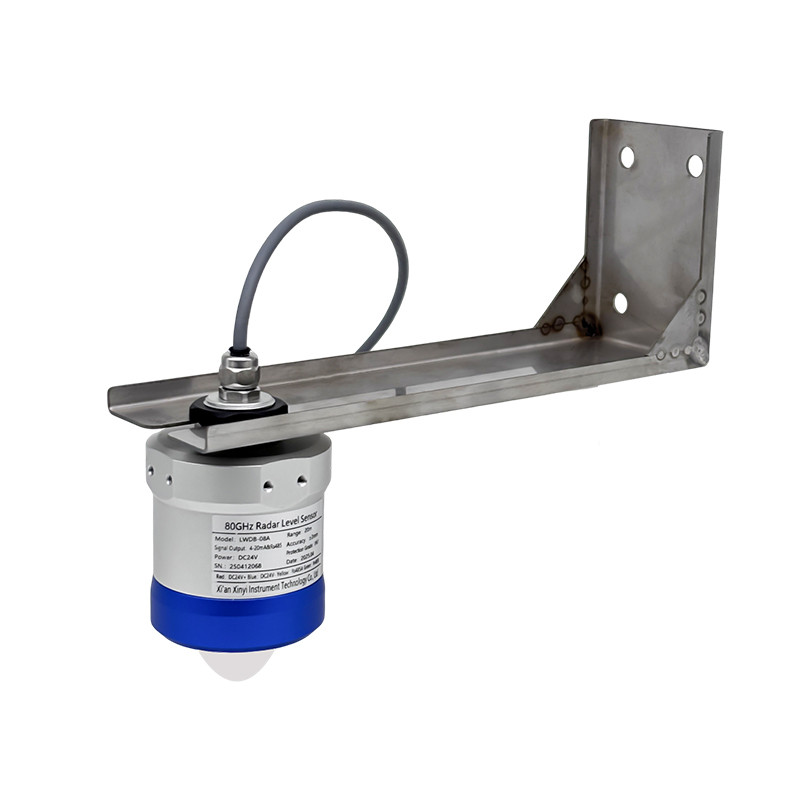
Multiple installation methods such as threads, flanges, brackets, etc., compatible with the vast majority of working conditions
Product Advantages
APP debugging
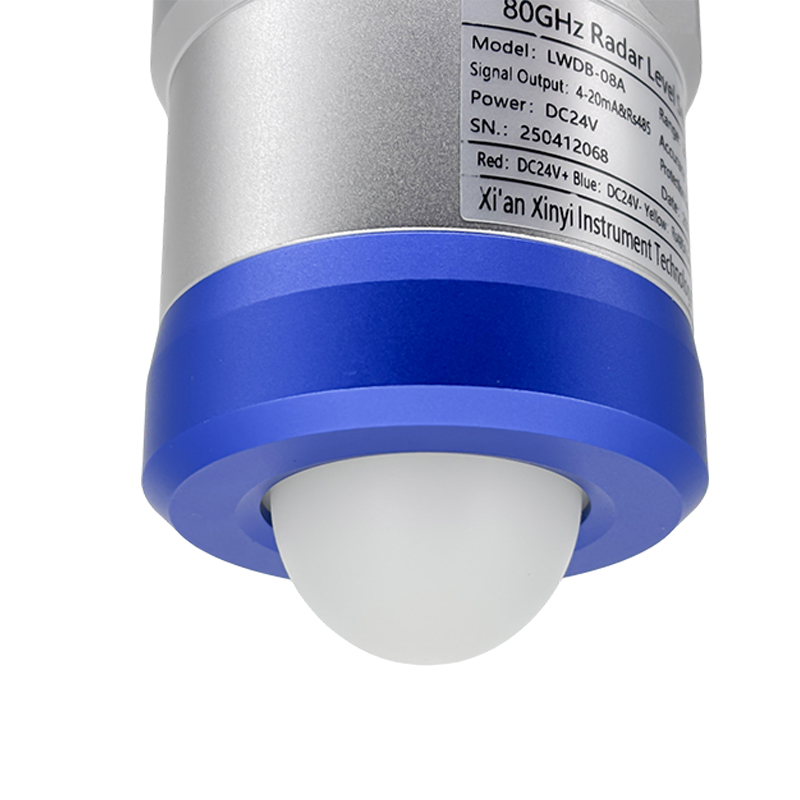
4-20mA+RS485 output;
Strong anti-interference ability
Design of low-noise anti-interference circuit;
3 ° beam angle, traditional water vapor, dust foam, suitable for narrow and complex working conditions;
Original noise suppression algorithm and false echo learning ability;
High end texture and strong performance!
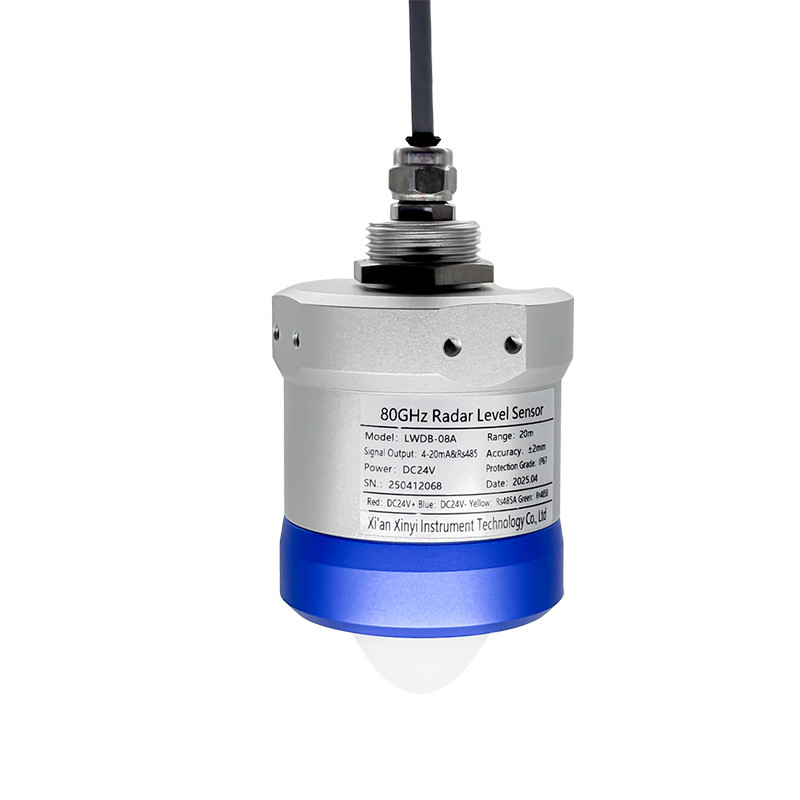
Using excellent metal materials such as aviation aluminum alloy and stainless steel for processing, high-end atmosphere and corrosion resistance, with excellent mechanical properties;
80GHZ frequency modulated continuous wave radar with an accuracy of ± 1mm and a maximum detection range of 85M;
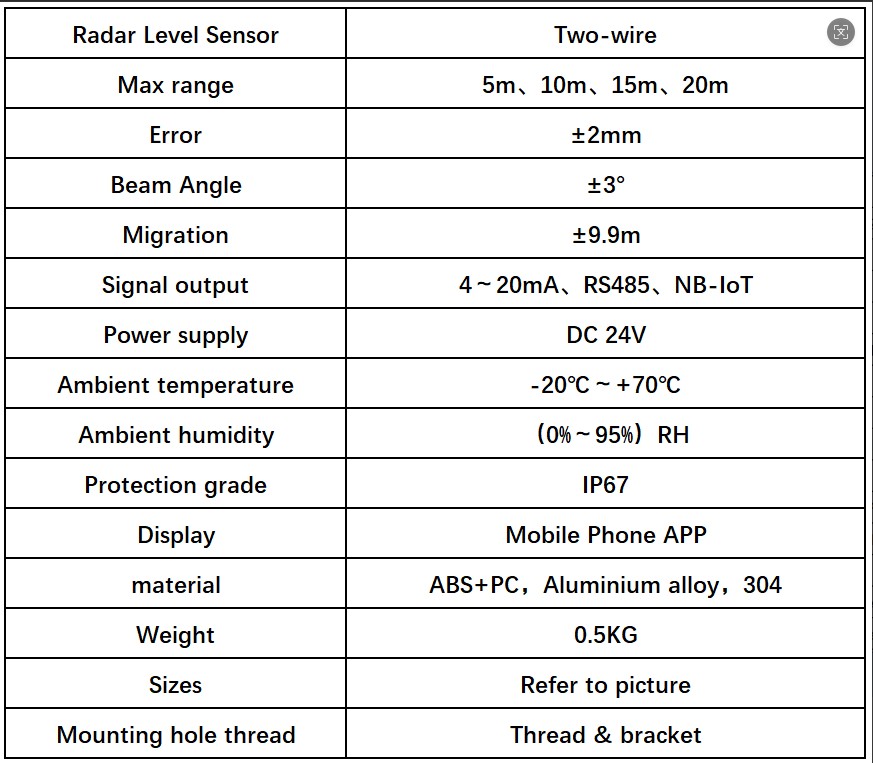
Main Technical Parameters
Message
Products Recommended
 Endress+Hauser 9W4B Prosonic Flow W400 Ultrasonic Clamp-on Flowmeter DN15–DN4000 Liquid Flow Transmitter
 Endress+Hauser 7R2C Proline Prowirl R 200 Vortex Flowmeter 7R2C Vortex Flowmeter High Accuracy Steam Gas
 Yokogawa EJX430A High Precision Gauge Pressure Transmitter For Oil Gas Chemical Industry
 Yokogawa EJX310A Absolute Pressure Transmitter With HART Protocol
 Endress+Hauser Proline t-mass F 500 6F5B Thermal Mass Flowmeter for Gas Air MeasurementEndress+Hauser
 Endress+Hauser FMB70 Hydrostatic Level Transmitter 4-20mA HART Original E+H FMB70 Liquid Level Gauge
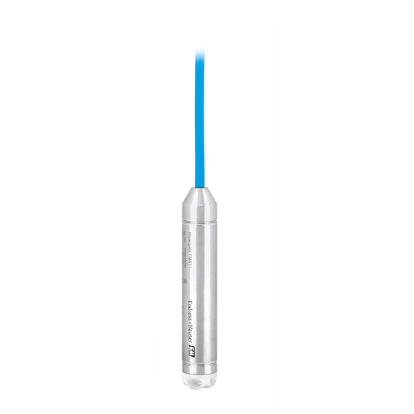
 Endress+Hauser Waterpilot FMX21 Hydrostatic Level Transmitter 4-20mA HART FMX21 High Precision Hydrostatic Level Transmitter
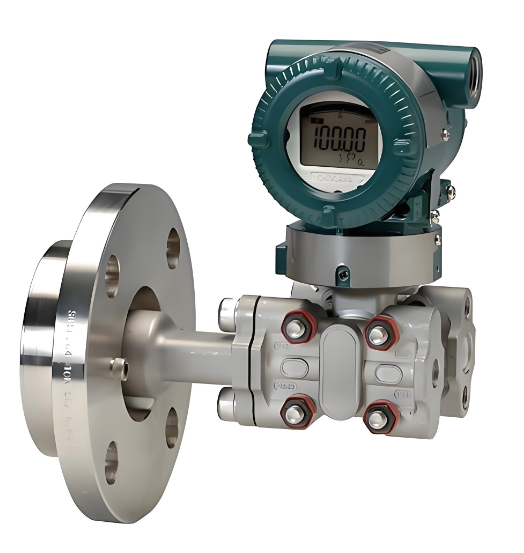
 Yokogawa EJX210A Flange Mounted Differential Pressure Transmitter
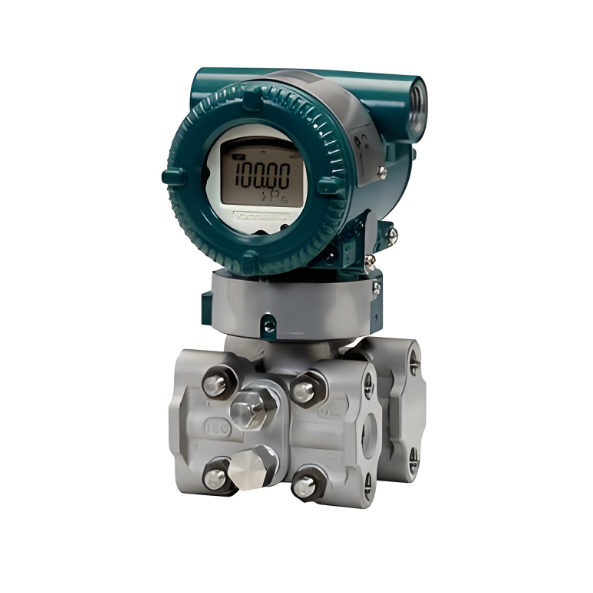
 Yokogawa EJX130A High Static Differential Pressure Transmitter With HART Communication
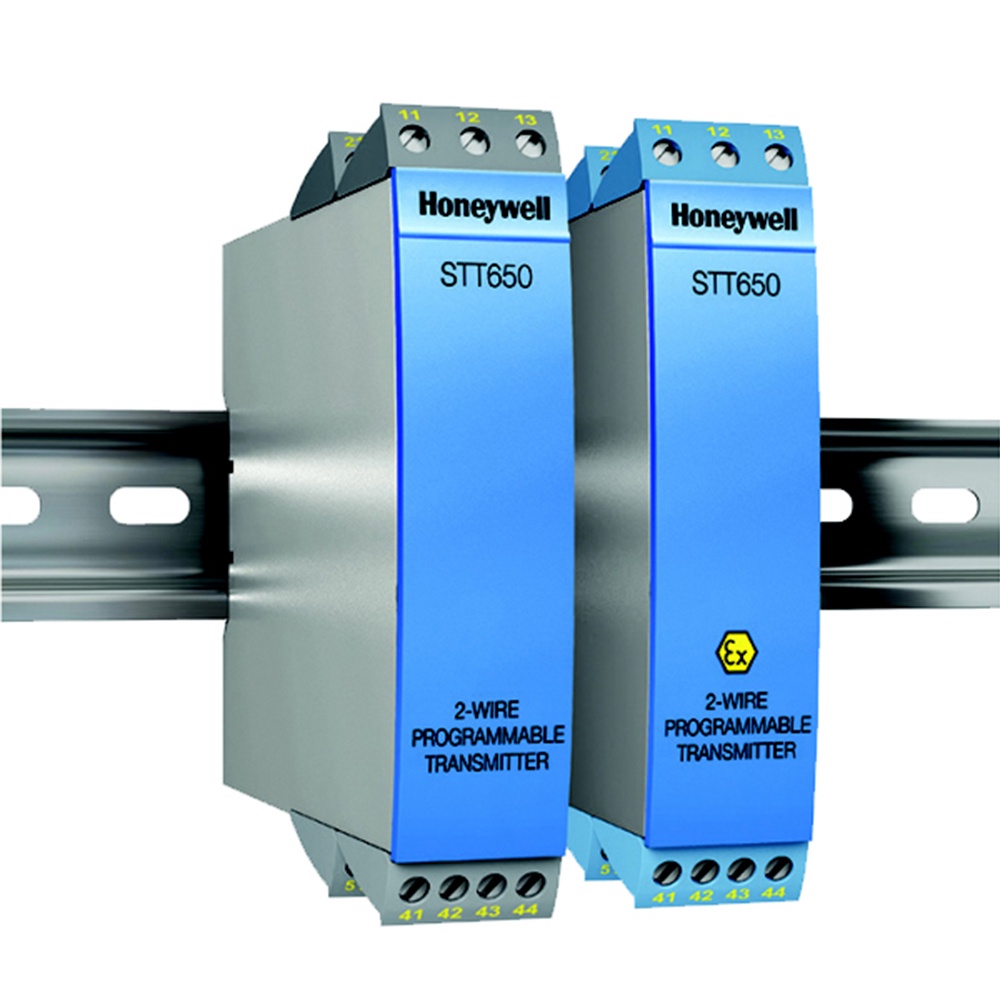
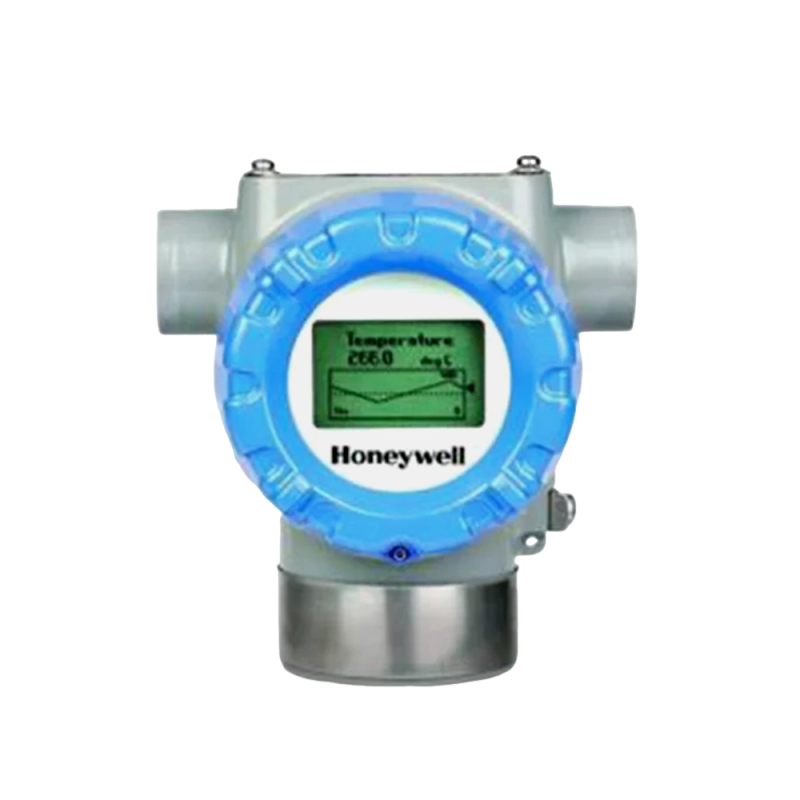
 Honeywell STT650 Smartline Temperature Transmitters
 Honeywell SmartLine STT850 temperature transmitters
Chat Online