


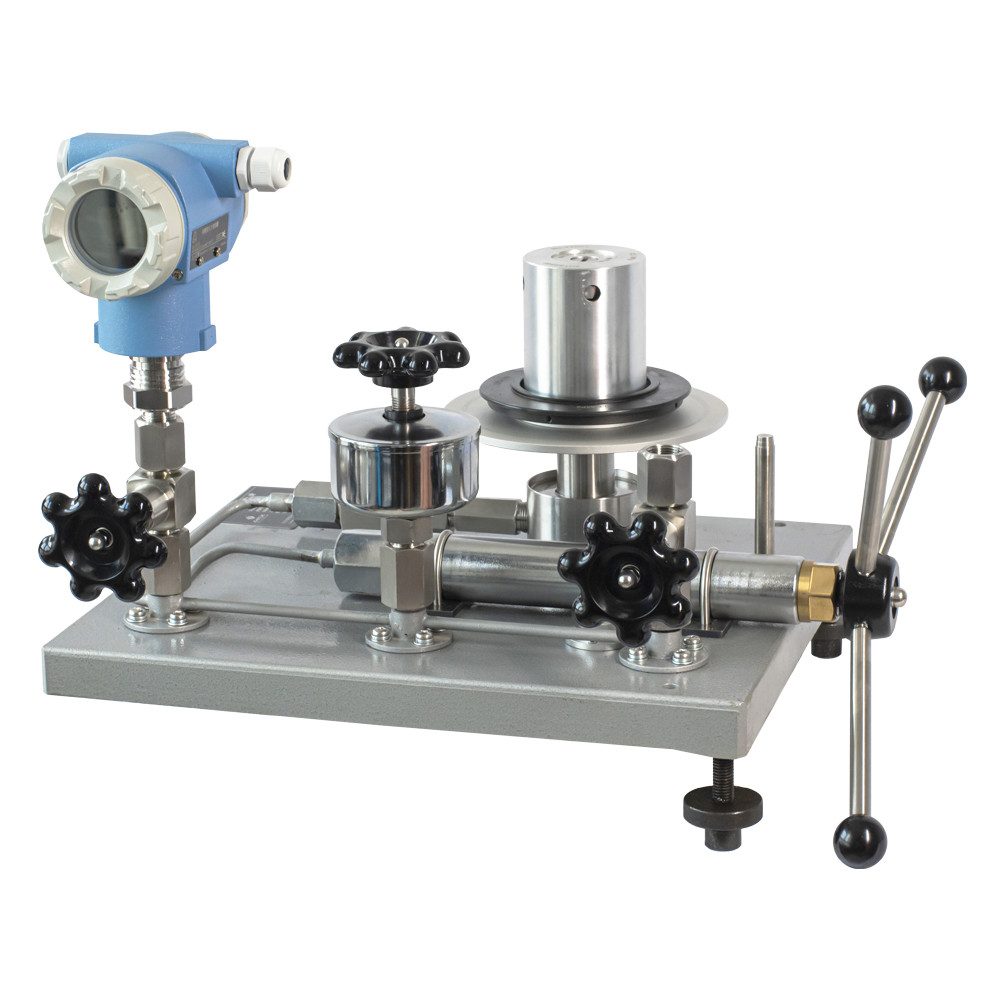
Apiston pressure gauge is a common pressure measuring device used to measure pressure in fluids or gases. It consists of a cylindrical container and a piston, and the pressure can be determined by observing the position of the piston. The working principle is based on Boyle's law, which states that there is an inverse relationship between pressure and volume. When the fluid to be tested enters the pressure gauge, a force is applied to the piston, which is proportional to the pressure of the fluid. The greater the force on the piston, the higher the pressure.
In the pressure gauge, there is a scale inside the cylindrical container that is used to read the pressure value corresponding to the piston position. The greater the distance the piston moves upwards, the higher the pressure. Usually, these scales are marked in standard units such as pascals or bars.
To use a pressure gauge, it is necessary to first connect it to the system to be tested and ensure a good seal with the measured fluid. Then, open the valve of the pressure gauge to allow fluid to enter the inside of the gauge. The pressure of the fluid acts on the piston, causing it to rise to the corresponding position. By reading the position of the piston on the scale, the pressure value can be obtained.
The piston pressure gauge has some advantages. Firstly, they are relatively simple and easy to use, without the need for complex electronic or mechanical devices. Secondly, they are usually more cost-effective than other types of pressure gauges. In addition, pressure gauges can measure under various environmental conditions, including high temperature and high pressure environments. In the industrial field, it is commonly used to measure the pressure of liquids or gases in pipelines, containers, and equipment. For example, in the petroleum and chemical industries, it can be used to monitor pressure changes in oil and gas pipelines to ensure safe operation. In the pharmaceutical and food industries, it can be used to detect process pressure during production to ensure product quality and safety.
Piston pressure gauge is a simple and practical pressure measuring device that determines the pressure level by observing the position of the piston. It is widely used in many applications, but attention needs to be paid to its sealing and maintenance to ensure accuracy and reliability.


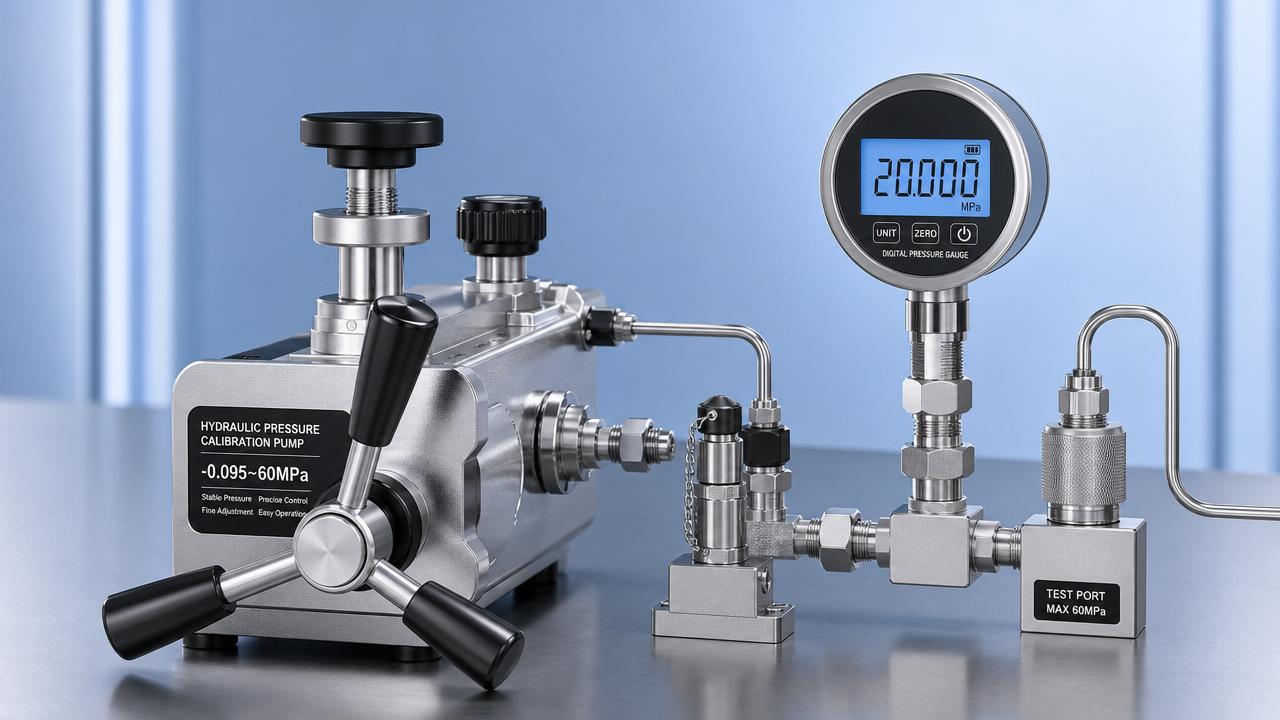
 How to Read Hydraulic Calibration Pump Specifications CorrectlyHydraulic calibration pump specifications explained clearly: learn how to assess pressure range, stability, fine control, and compatibility to choose the right pump with confidence.
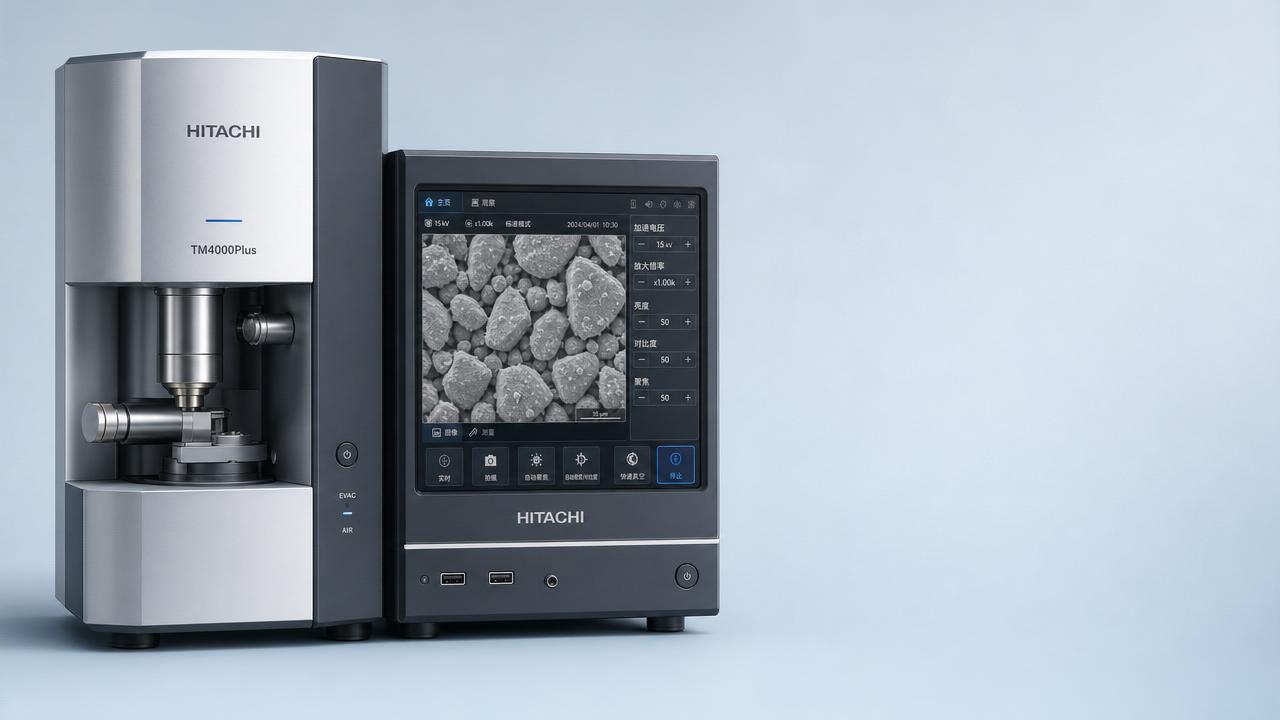
 Hitachi Benchtop SEM Sales Surpass 6,000 Units GloballyHitachi benchtop SEM sales exceed 6,000 units globally—driven by intuitive UIs, cryogen-free operation & one-click EDS. Discover why labs worldwide are choosing accessibility without compromise.
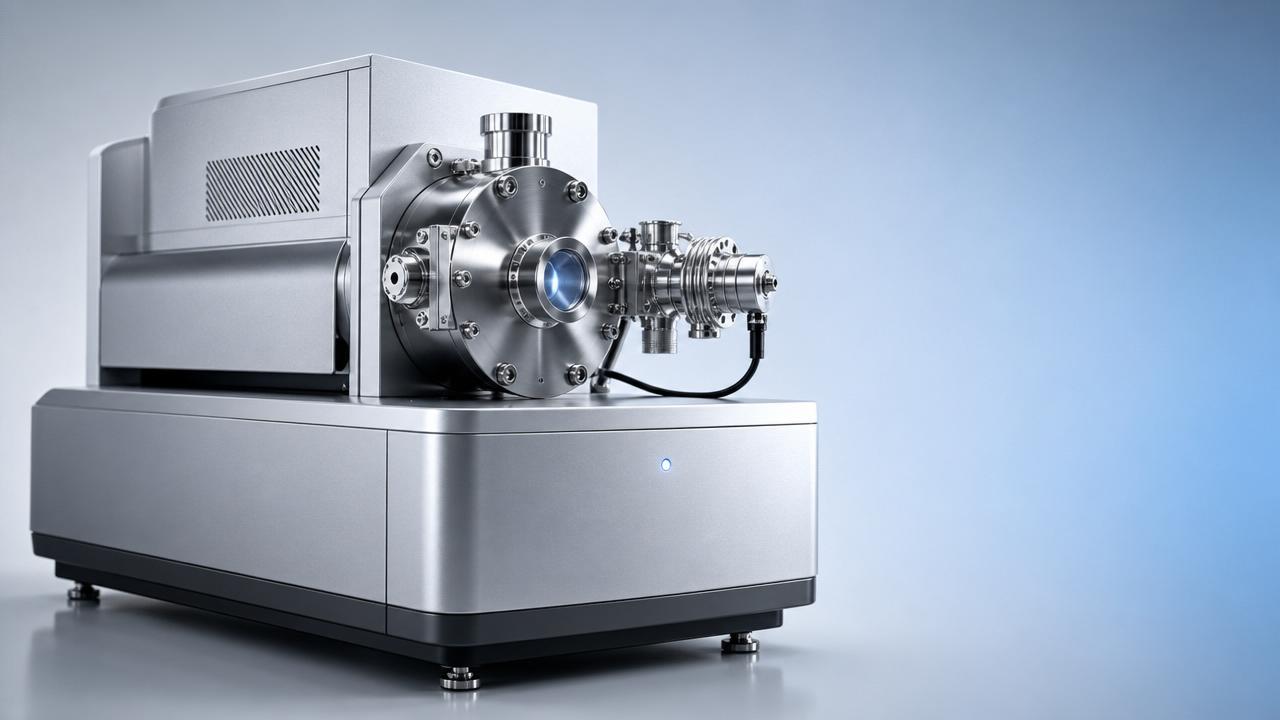
 First Domestic High-Resolution GD-MS Delivered CommerciallyGD-MS 3000: First domestic high-resolution GD-MS commercially delivered to Germany — validating trace impurity analysis for EU RoHS/REACH compliance in metals & semiconductors.
 CISILE 2026 Pre-Show Orders Exceed RMB 1.2B; Domestic Mass Spectrometers, Raman Spectrometers Gain TractionCISILE 2026 pre-show orders exceed RMB 1.2B—Chinese mass spectrometers & Raman spectrometers surge in global demand. Discover key export insights now!
![]() Laowa APS-C Fisheye Lens Launch: Industrial Imaging Export ExpansionLaowa APS-C fisheye lens launch: world’s first zoom fisheye for industrial imaging, VR capture & drone surveying — precision optics export expansion.
Laowa APS-C Fisheye Lens Launch: Industrial Imaging Export ExpansionLaowa APS-C fisheye lens launch: world’s first zoom fisheye for industrial imaging, VR capture & drone surveying — precision optics export expansion. MIIT Approves 690 New Industry Standards, Including AI Deep Synthesis Image System SpecificationMIIT's new AI Deep Synthesis Image System Specification impacts instrument manufacturers—learn how it affects smart gauges, thermal imagers & spectrometers for global markets.

Chat Online