


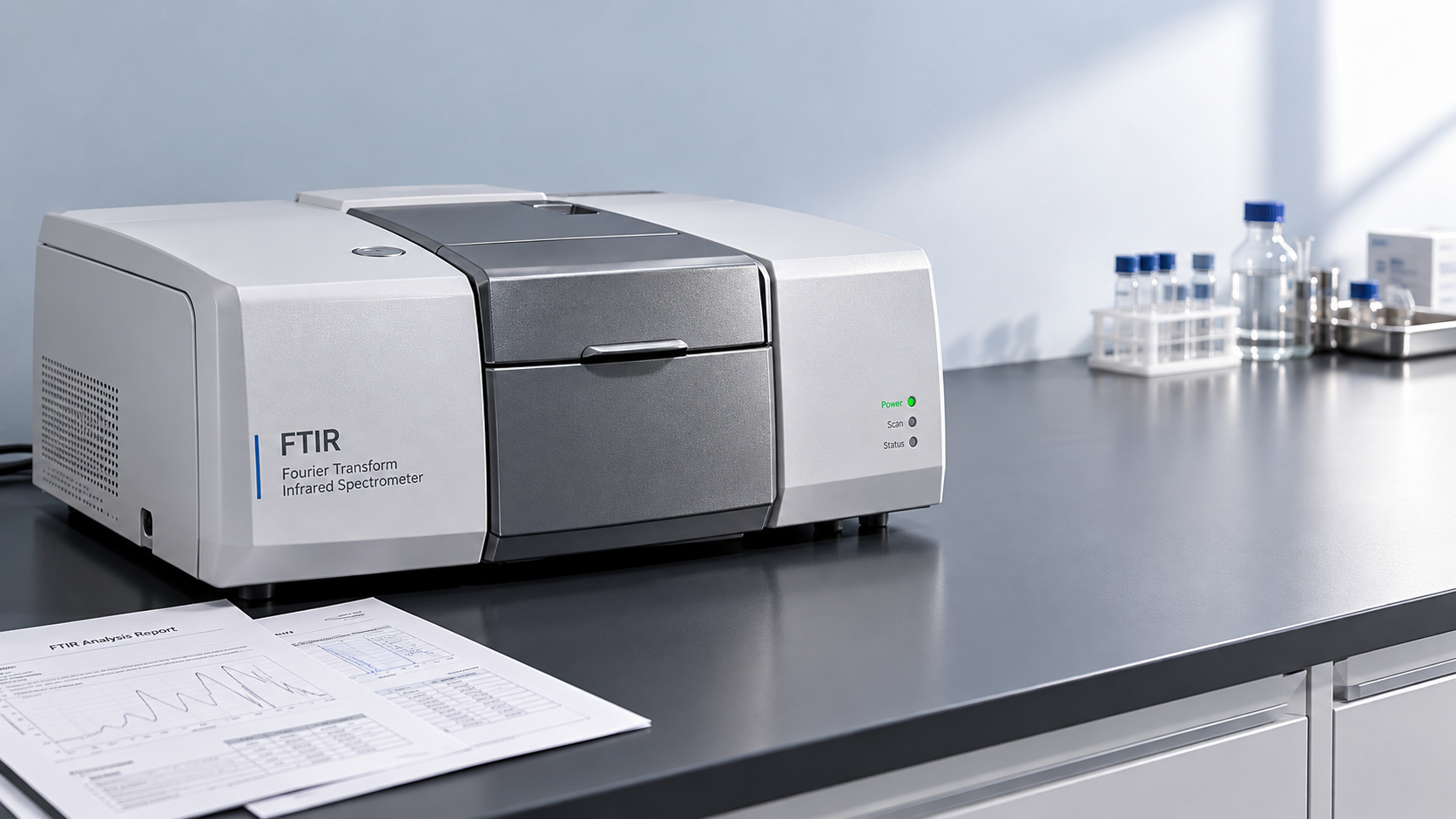
On November 1, 2026, GB/T 21186-2026 for Fourier transform infrared (FTIR) spectrometers and several other national standards for precision testing equipment take effect. The revised FTIR standard provides an updated reference for instrument development, manufacturing and testing, making its provisions relevant to suppliers, testing providers and equipment buyers.
Revised Performance and Test Provisions
GB/T 21186-2026, Fourier Transform Infrared Spectrometers, replaces an earlier version that had been in use for many years. The new edition revises and updates core content, including instrument performance indicators and test methods. It is among several national standards related to precision testing equipment that take effect on November 1, 2026.
Where the Revision May Affect Equipment Decisions
Instrument Development and Production
From an industry perspective, manufacturers may need to compare the revised performance indicators and test methods with their existing product specifications and verification procedures. The practical effect will depend on the provisions of the new standard and how closely current designs and testing practices align with them.
Testing and Technical Documentation
Testing providers may need to assess whether their procedures and report formats reflect the updated methods. Manufacturers and their customers may also find it useful to identify which edition of the standard was used when reviewing test results or technical documentation. The supplied information does not establish specific reporting or certification requirements.
Procurement and Delivery
For buyers and equipment suppliers, analysis suggests that references to the standard in specifications, bids and supply agreements may become a point for review. Clarifying the applicable edition and the evidence requested for a purchase could help both sides assess testing and delivery arrangements. Any changes to those arrangements would depend on the relevant documents and agreements.
Questions to Address in Technical Reviews
Compare the Two Editions
Manufacturers and testing teams can review the new and previous editions to identify changes relevant to their instruments, performance claims and test procedures. The supplied summary does not specify individual limits or methods, so their practical implications require verification against the standard itself.
Check Specifications and Reports
Buyers and suppliers may consider checking technical specifications, test reports and bid documents for references to the applicable standard edition. Where documents differ, the parties can clarify expectations before relying on them for procurement or acceptance decisions.
Assess Testing and Delivery Plans
Where revised testing is relevant to a transaction, suppliers and buyers can evaluate whether it affects available documentation or the proposed delivery schedule. The input does not establish a transition period, acceptance procedure or mandatory certification process; these details should be verified where applicable.
Implementation Beyond the Effective Date
In editorial assessment, the effective date makes this a change to the applicable standard, while its practical effect on individual products and transactions remains a matter for verification. Particular points to watch include the detailed provisions of the standard, subsequent implementation guidance, references in procurement documents and feedback from manufacturers and testing providers.
An Updated Reference for FTIR Decisions
The revision gives the FTIR sector a new reference for performance and testing. It is best treated as an effective standards update that warrants a document-level review, rather than as evidence of a specific certification obligation or an already established market outcome.
Basis and Further Verification
This article is based on the user-provided news title, event date and summary. No specific official source link was provided in the input, and the standard and any relevant implementation details require continued verification. Further review may include the standard text, official announcements, procurement documents and feedback on how organizations apply the revised provisions.


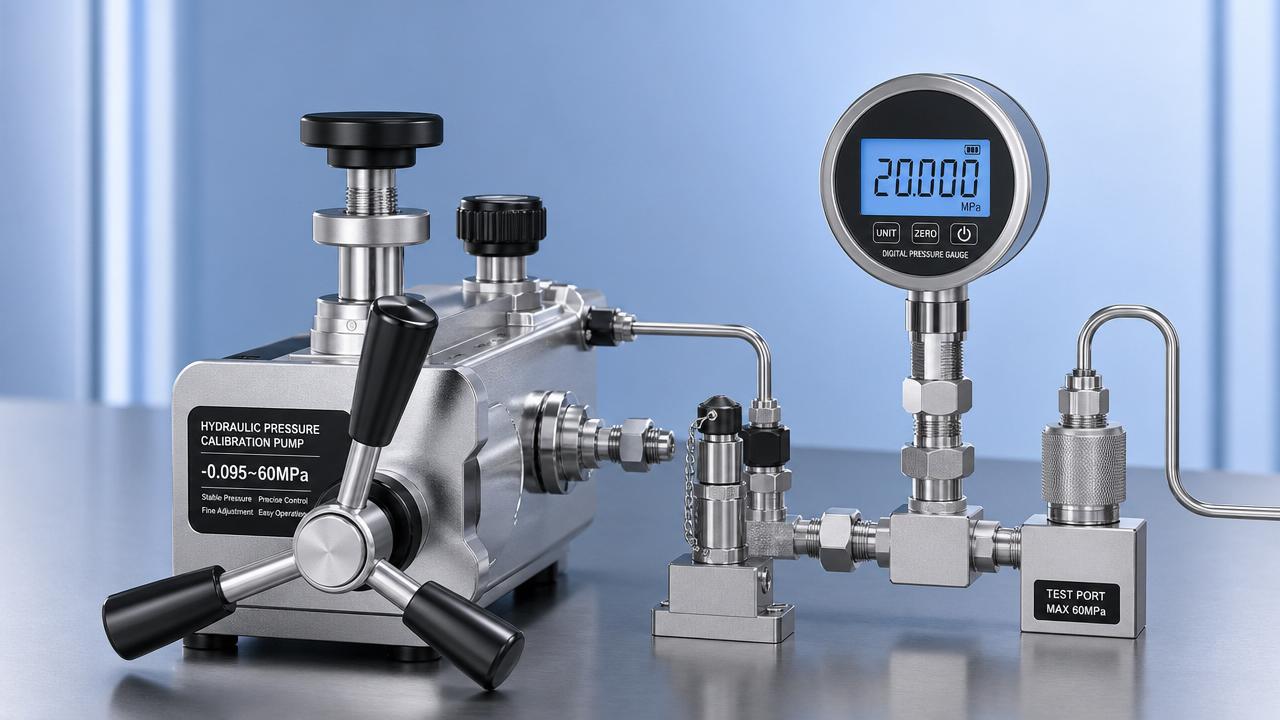
 How to Read Hydraulic Calibration Pump Specifications CorrectlyHydraulic calibration pump specifications explained clearly: learn how to assess pressure range, stability, fine control, and compatibility to choose the right pump with confidence.
 New FTIR Spectrometer Standard Takes Effect on November 1The new FTIR spectrometer standard, GB/T 21186-2026, takes effect November 1, 2026. Explore its potential impact on testing, specifications and procurement.
 Chinese Society of Instrumentation Publishes Proposed 2026 Science and Technology AwardsChinese Society of Instrumentation proposes its 2026 Science and Technology Awards. Explore the review timeline and what the list means for industry buyers and suppliers.
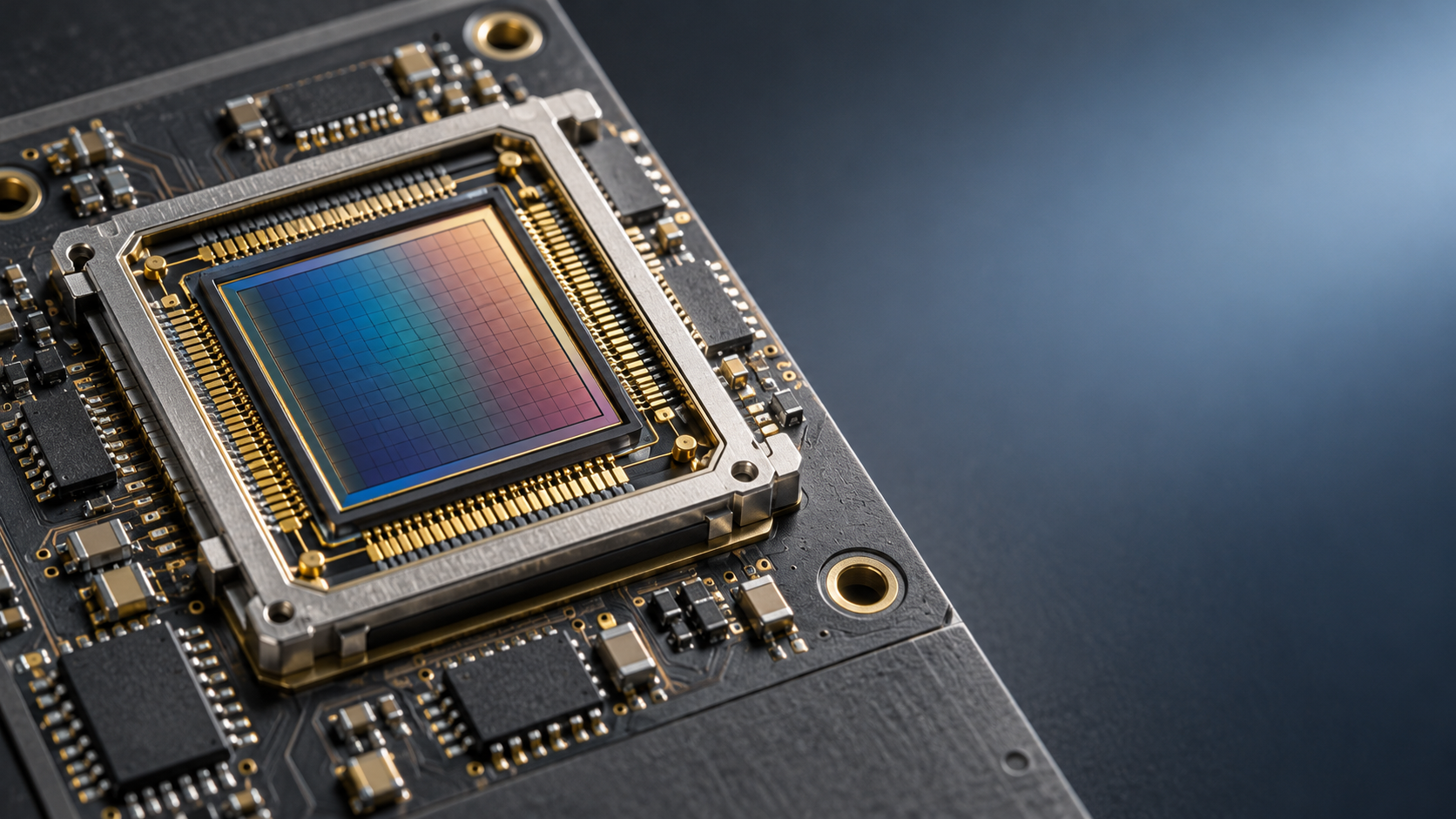
 HUST Team Develops Neuromorphic SWIR Chip for Dynamic and Static ImagingHUST’s neuromorphic SWIR chip combines event and radiometric imaging for dynamic and static scenes. Explore its potential for infrared sensing and key considerations for system integration.
 China’s Guoyi Quantum Releases Domestic 200 kV Field-Emission TEM with Mass-Production CapabilityExplore Guoyi Quantum’s TEM-F200, a 200 kV field-emission TEM with reported mass-production capability. See what its specifications mean for materials research and semiconductor procurement.
 Verisurf Software Joins DMSC to Advance QIF and Open Digital Metrology StandardsVerisurf Software joins DMSC to advance QIF and open digital metrology standards. Explore what this could mean for data interoperability and automated inspection.


Chat Online