


一、What should be paid attention to when using temperature transmitters?
Connect instruments of different models according to the instructions. For explosion-proof instruments with safety spark circuits, it is necessary to carefully check for any short circuits or incorrect connections.
The input of the thermal resistance temperature transmitter is a three wire system, and the resistance of the three wires should be equal and within the same ambient temperature.
This instrument cannot be installed in hazardous areas (thermocouples and thermal resistors can be installed in hazardous areas.
The wiring of the safety spark circuit (input signal line) must have insulating sleeves or shielded wires, and be isolated from the wiring of the non safety spark circuit (power supply and output signal line) to avoid mixed contact with each other. The wiring for safety spark circuits is routed from above, while the wiring for non safety spark circuits is routed from below.
二、What issues should be noted when maintaining temperature transmitters?
In principle, it is not allowed to disassemble the components of the safety spark circuit and replace the wiring of the explosion-proof instrument. If necessary, the following points should be noted:
1.During regular inspections, the zero and range potentiometers should be adjusted as much as possible, without accidentally dropping the safety spark wiring. When conducting routine checks on other items, the input line should be disconnected.
2.To ensure safe spark characteristics, replaced components cannot be reused and should be replaced with components of the same specification.
3.When the instrument malfunctions, the power fuse should be immediately removed, and then the input line should be opened to check the insulation between the terminals. If the insulation is good, the fault should be checked again to avoid causing a short circuit.
The instrument should undergo maintenance once every six months of operation, and the instruments in operation should be kept clean and dry.
For more technical questions, please contact the staff for communication.



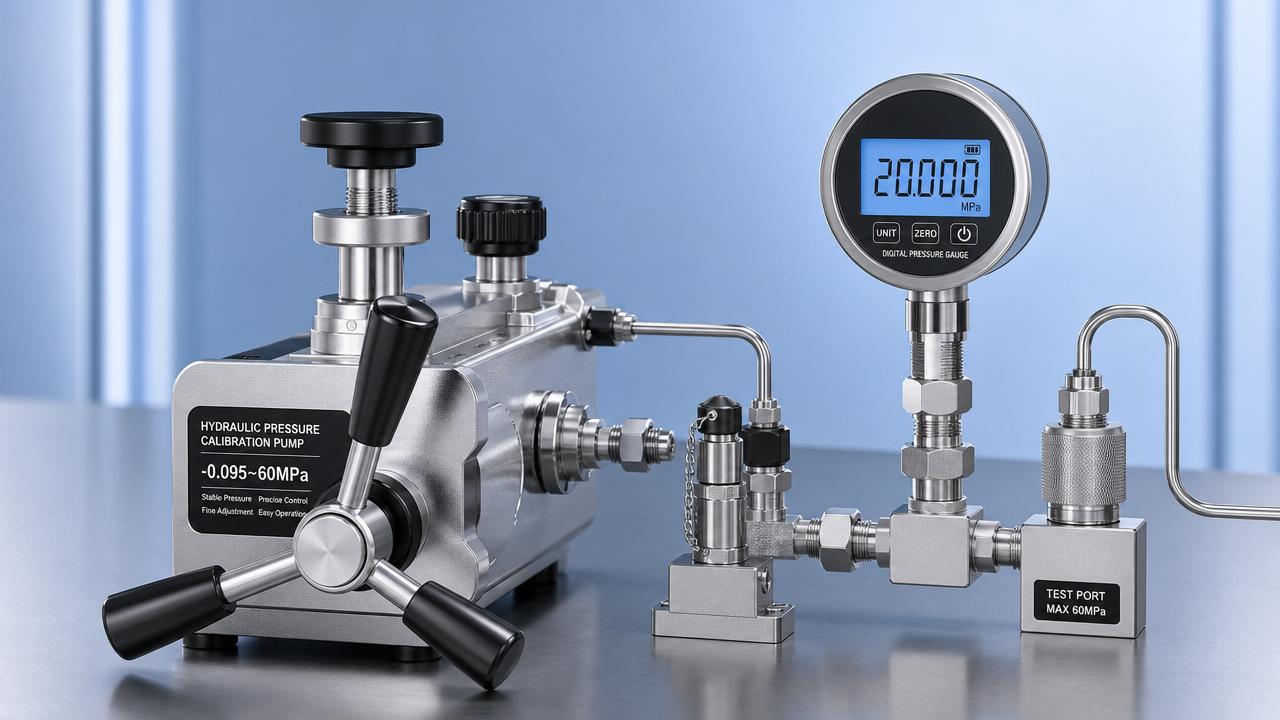
 How to Read Hydraulic Calibration Pump Specifications CorrectlyHydraulic calibration pump specifications explained clearly: learn how to assess pressure range, stability, fine control, and compatibility to choose the right pump with confidence.
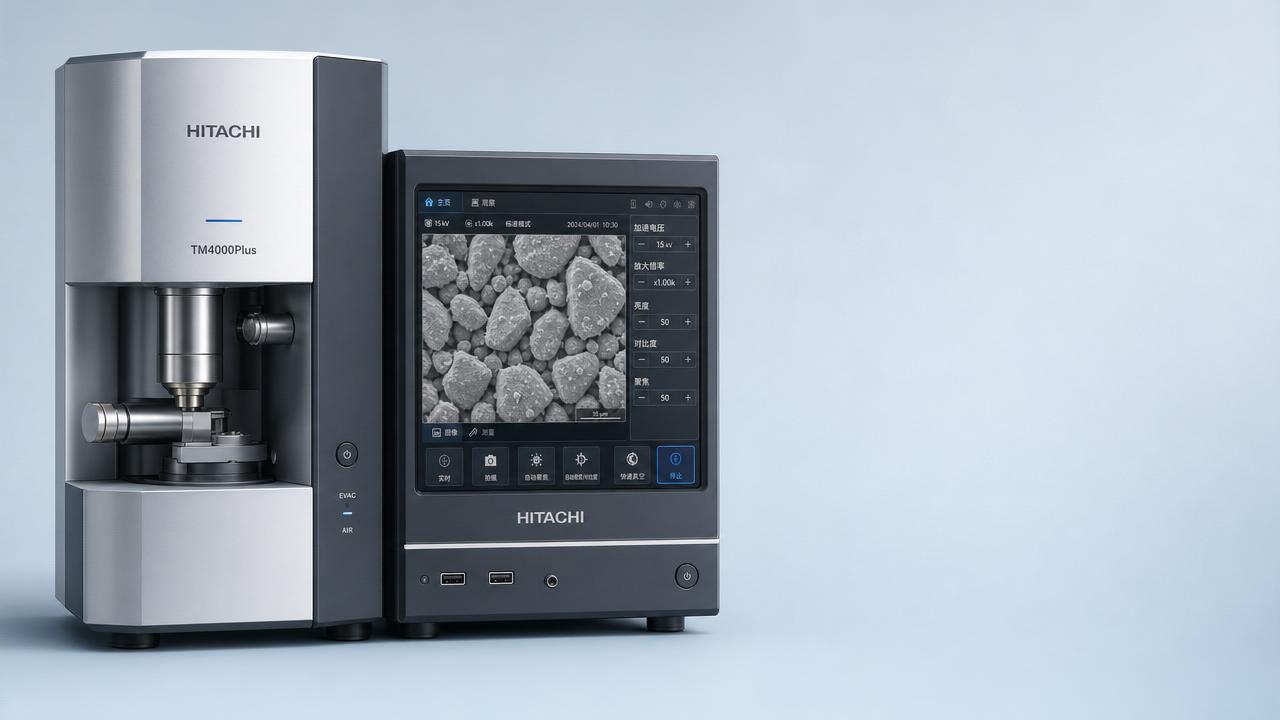
 Hitachi Benchtop SEM Sales Surpass 6,000 Units GloballyHitachi benchtop SEM sales exceed 6,000 units globally—driven by intuitive UIs, cryogen-free operation & one-click EDS. Discover why labs worldwide are choosing accessibility without compromise.
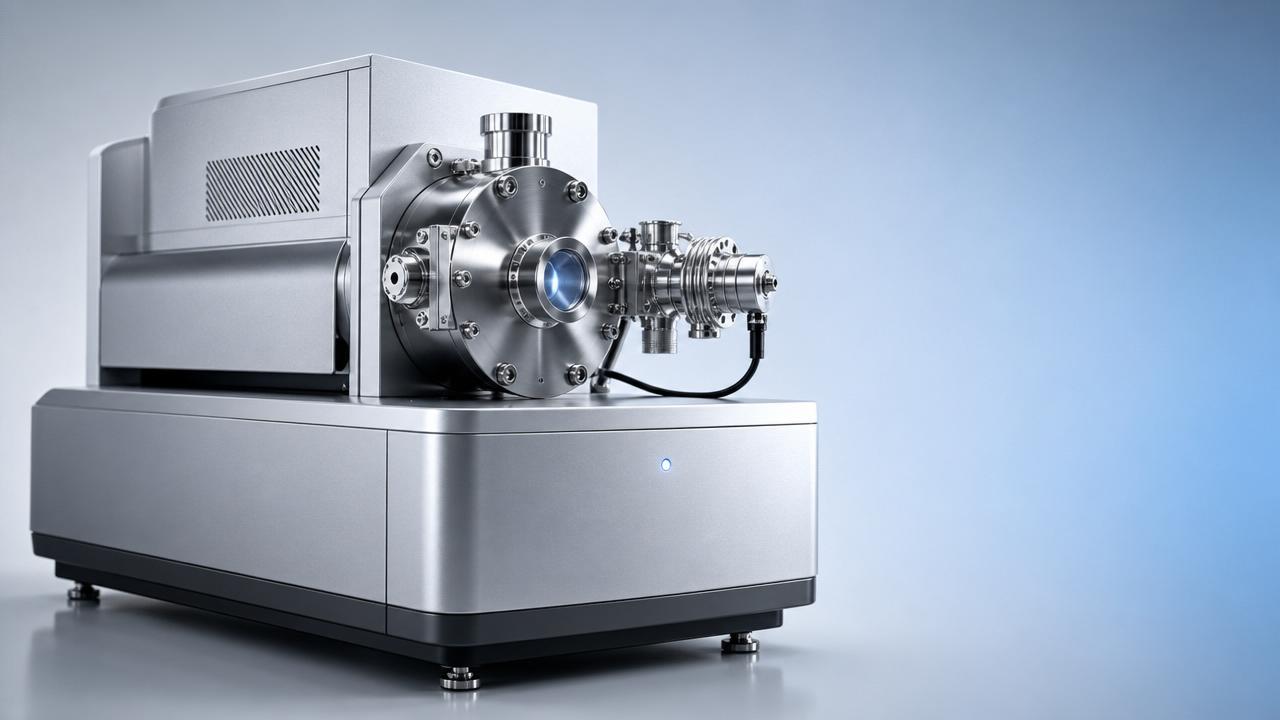
 First Domestic High-Resolution GD-MS Delivered CommerciallyGD-MS 3000: First domestic high-resolution GD-MS commercially delivered to Germany — validating trace impurity analysis for EU RoHS/REACH compliance in metals & semiconductors.
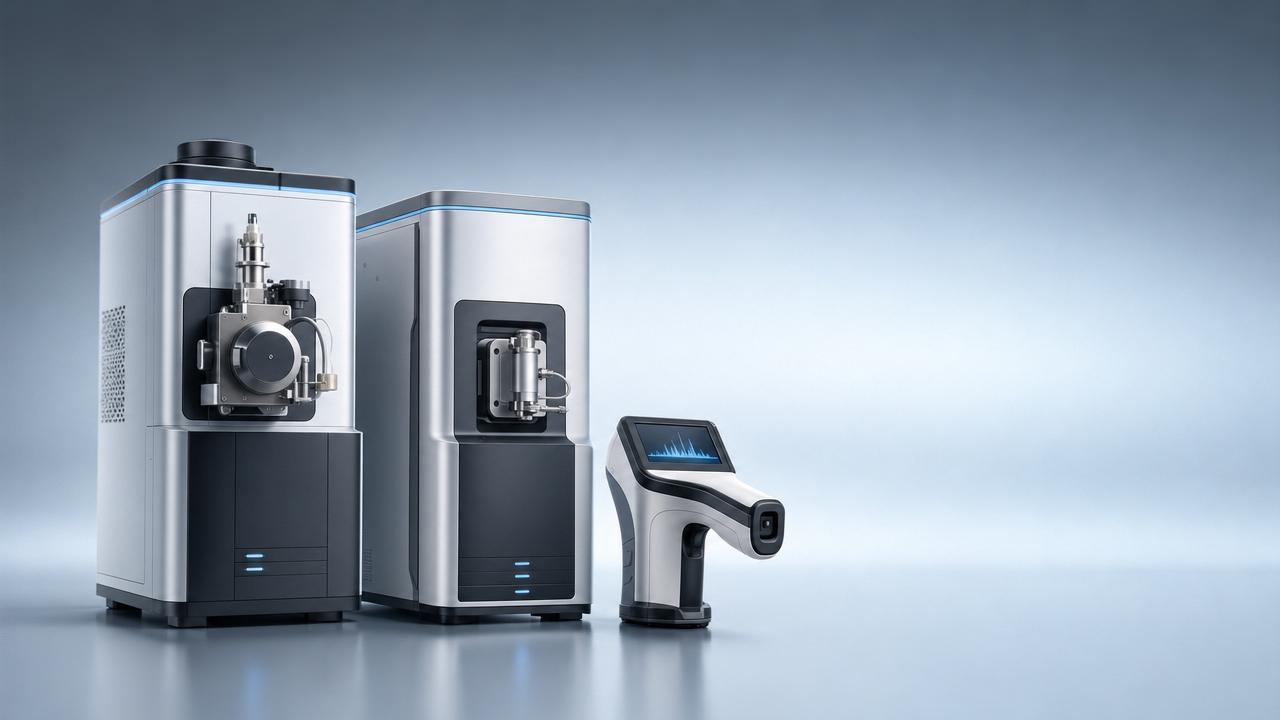
 CISILE 2026 Pre-Show Orders Exceed RMB 1.2B; Domestic Mass Spectrometers, Raman Spectrometers Gain TractionCISILE 2026 pre-show orders exceed RMB 1.2B—Chinese mass spectrometers & Raman spectrometers surge in global demand. Discover key export insights now!
![]() Laowa APS-C Fisheye Lens Launch: Industrial Imaging Export ExpansionLaowa APS-C fisheye lens launch: world’s first zoom fisheye for industrial imaging, VR capture & drone surveying — precision optics export expansion.
Laowa APS-C Fisheye Lens Launch: Industrial Imaging Export ExpansionLaowa APS-C fisheye lens launch: world’s first zoom fisheye for industrial imaging, VR capture & drone surveying — precision optics export expansion. MIIT Approves 690 New Industry Standards, Including AI Deep Synthesis Image System SpecificationMIIT's new AI Deep Synthesis Image System Specification impacts instrument manufacturers—learn how it affects smart gauges, thermal imagers & spectrometers for global markets.

Chat Online