


Stainless steel shock resistant pressure gauge is a pressure gauge that can operate normally in vibration environments and pulsating media. The shell is filled with damping fluid to alleviate external environmental vibration. Damper screws are installed at the interface, and the pulsating medium is filtered through the damping screws before entering the elastic sensitive element, to avoid damage to the elastic element, ensure the normal operation of the seismic pressure gauge, and extend its service life!
Installation precautions for stainless steel shock resistant pressure gauges:
1. The ambient temperature for instrument use is -40~70 ℃, and the relative humidity is not more than 80%. If it deviates from the normal operating temperature by 205 ℃, additional temperature errors must be included.
2. The instrument must be installed vertically, striving to maintain the same level as the measurement point. If the difference is too high, it should be included in the additional error caused by the liquid column, and it may not be necessary to consider when measuring gas. When installing, block the explosion-proof port at the back of the watch case to avoid affecting its explosion-proof performance.
3. The measurement range for normal use of the instrument: should not exceed 3/4 of the upper measurement limit under static pressure, and should not exceed 2/3 of the upper measurement limit under fluctuation. Under the above two pressure conditions, the low measurement of the large pressure gauge should not be lower than 1/3 of the lower limit. When measuring vacuum, all vacuum parts should be used.
4.When encountering malfunctions such as malfunctioning instrument pointers, loose internal components, or inability to function properly during use, maintenance should be carried out or the manufacturer should be contacted for repair.
5. Instruments should avoid vibration and collision to avoid damage.
Stainless steel shock resistant pressure gauges are suitable for situations where the pressure of the tested medium undergoes strong pulse changes or pressure shocks, frequently sudden unloading in production processes, and places with high environmental vibrations. The instrument can measure the average value of gas and liquid pulsation pressure to overcome the damage caused by strong medium pulses and environmental vibrations, and ensure the accuracy of readings. The parts are made of corrosion-resistant stainless steel and corrosion-resistant alloy materials, which give the instrument good corrosion resistance and can be widely used in the petroleum, chemical, mining, machinery, power, and food industries. Directly measure the pressure of non crystalline, corrosive gases and liquids.



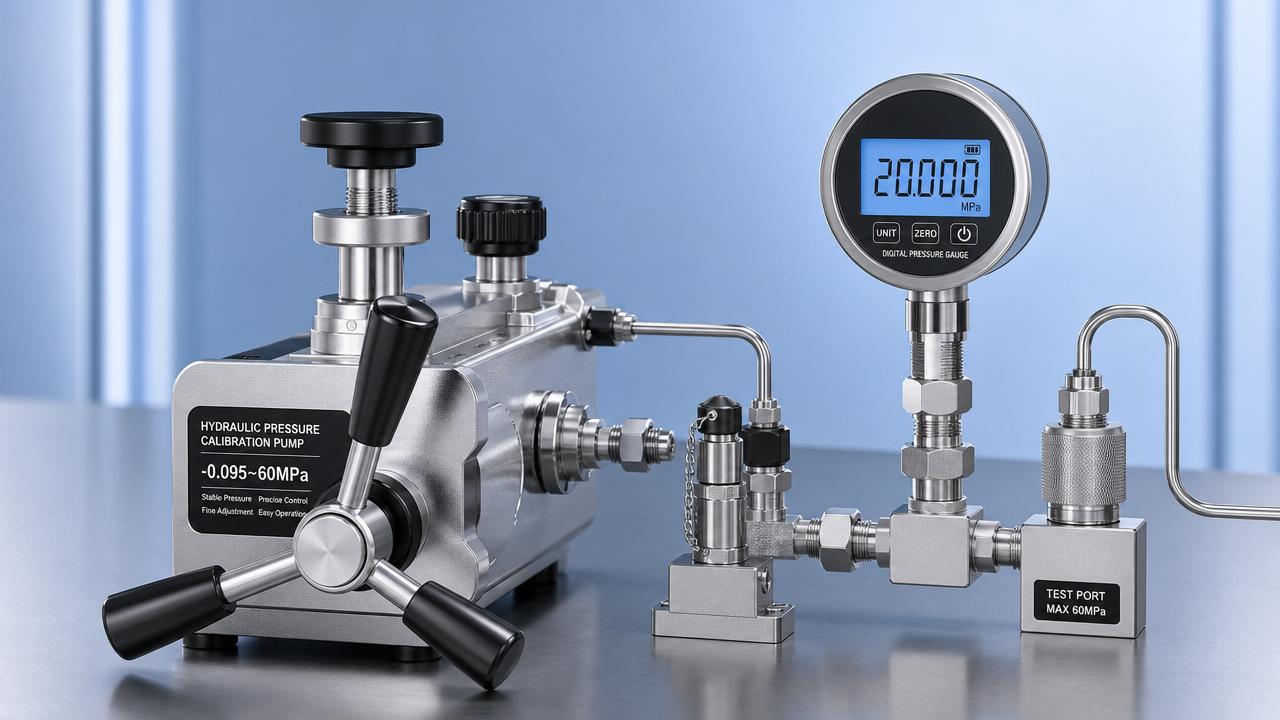
 How to Read Hydraulic Calibration Pump Specifications CorrectlyHydraulic calibration pump specifications explained clearly: learn how to assess pressure range, stability, fine control, and compatibility to choose the right pump with confidence.
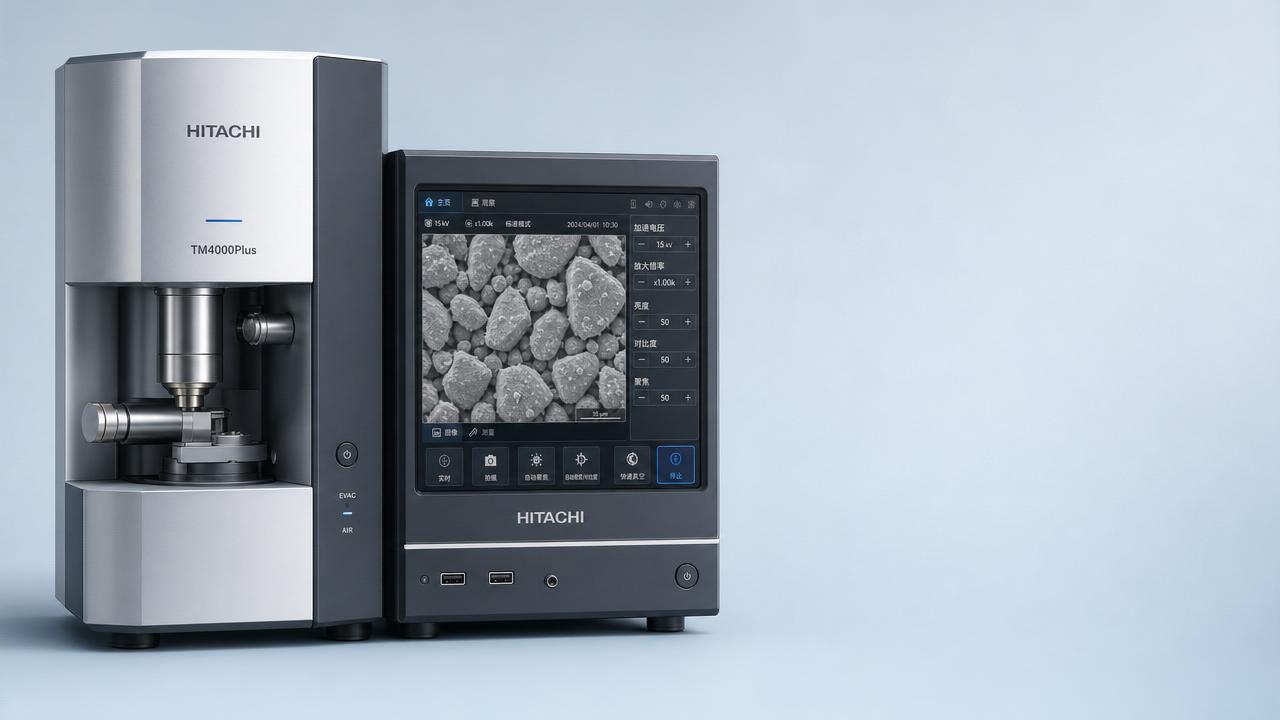
 Hitachi Benchtop SEM Sales Surpass 6,000 Units GloballyHitachi benchtop SEM sales exceed 6,000 units globally—driven by intuitive UIs, cryogen-free operation & one-click EDS. Discover why labs worldwide are choosing accessibility without compromise.
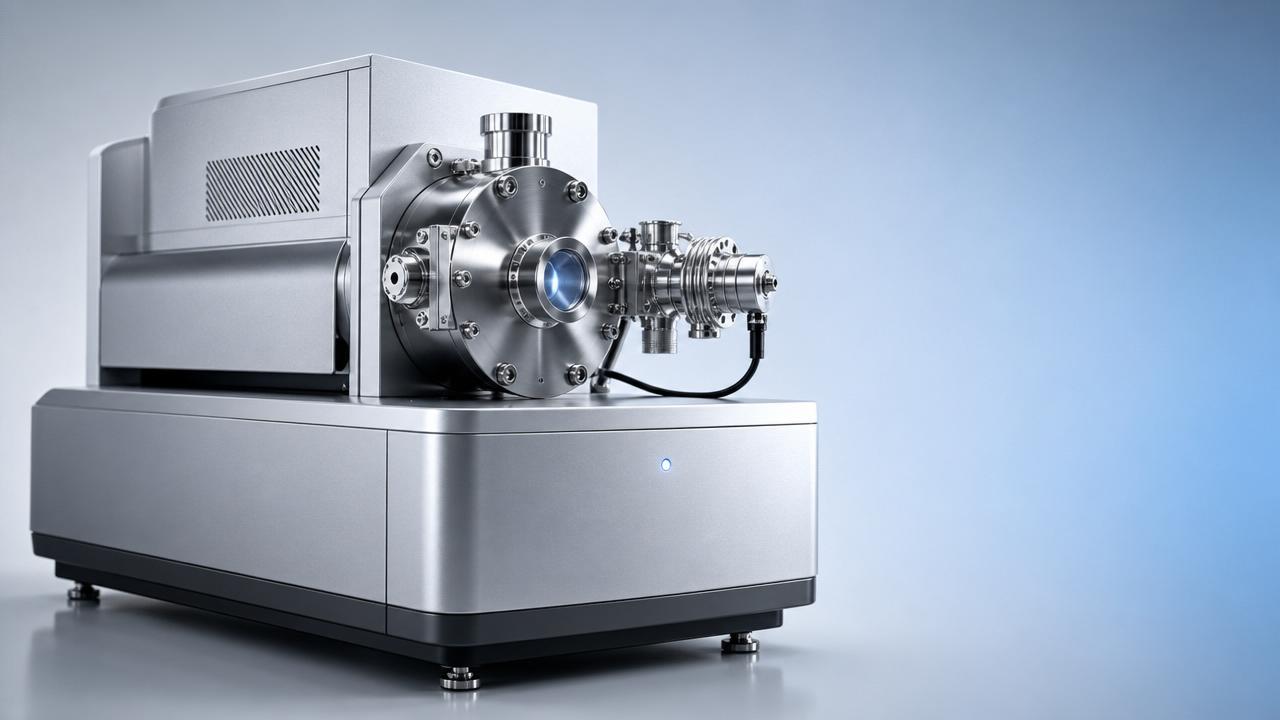
 First Domestic High-Resolution GD-MS Delivered CommerciallyGD-MS 3000: First domestic high-resolution GD-MS commercially delivered to Germany — validating trace impurity analysis for EU RoHS/REACH compliance in metals & semiconductors.
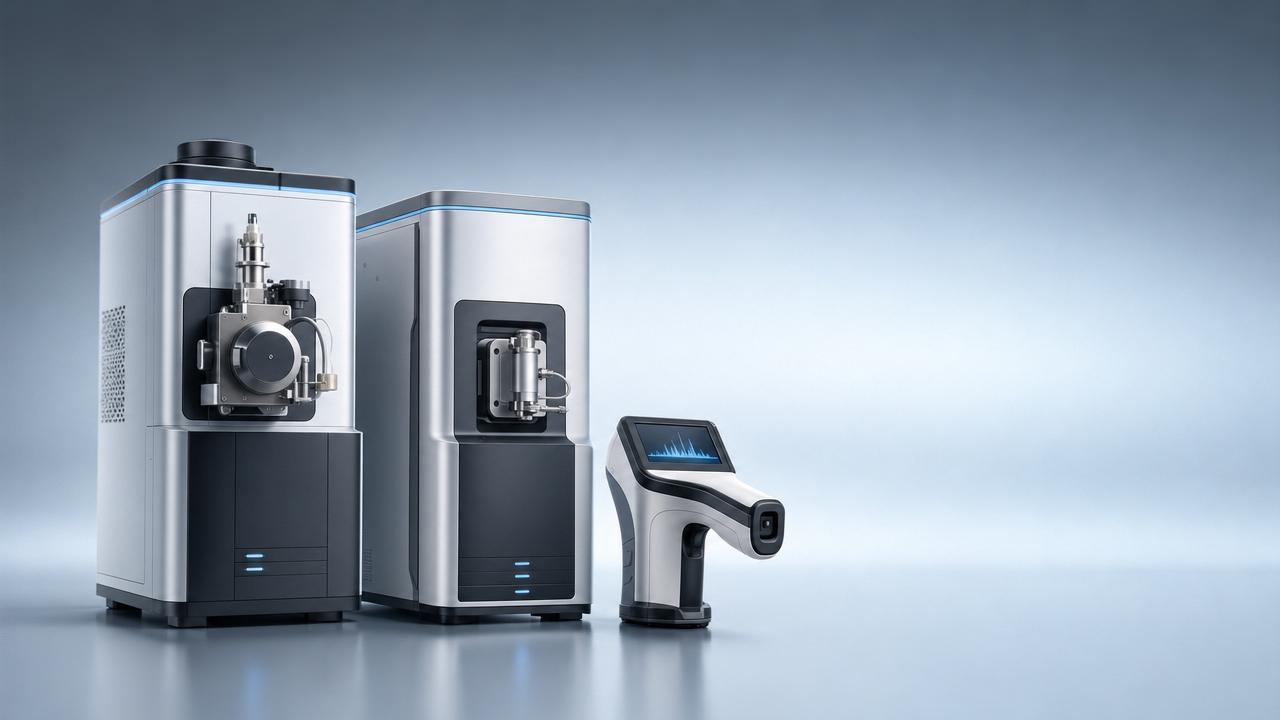
 CISILE 2026 Pre-Show Orders Exceed RMB 1.2B; Domestic Mass Spectrometers, Raman Spectrometers Gain TractionCISILE 2026 pre-show orders exceed RMB 1.2B—Chinese mass spectrometers & Raman spectrometers surge in global demand. Discover key export insights now!
![]() Laowa APS-C Fisheye Lens Launch: Industrial Imaging Export ExpansionLaowa APS-C fisheye lens launch: world’s first zoom fisheye for industrial imaging, VR capture & drone surveying — precision optics export expansion.
Laowa APS-C Fisheye Lens Launch: Industrial Imaging Export ExpansionLaowa APS-C fisheye lens launch: world’s first zoom fisheye for industrial imaging, VR capture & drone surveying — precision optics export expansion. MIIT Approves 690 New Industry Standards, Including AI Deep Synthesis Image System SpecificationMIIT's new AI Deep Synthesis Image System Specification impacts instrument manufacturers—learn how it affects smart gauges, thermal imagers & spectrometers for global markets.

Chat Online