


What can be done when precision digital pressure gauges encounter problems?
The precision digital pressure gauge adopts high-precision low-power large-scale integrated circuits as the core device, mainly composed of high-precision measurement chips, battery charging protection circuits, sensors, and signal processing circuits.
Precision digital pressure gauges use microprocessors to automatically compensate and correct instrument zero drift, nonlinearity, etc., and high-performance devices such as high stability pressure sensors are used to ensure instrument accuracy and reliability. This instrument can set various functional parameters on its own, with flexible application and various functions to choose from. It can be used as a high accuracy pressure calibration standard (meter), as well as for measurement and scientific research in laboratories and on-site industries such as working instruments, power, metallurgy, petroleum, chemical, etc.
Precision digital pressure gauges can be used as high accuracy calibration standards (gauges) for the calibration and verification of pressure transmitters. A portable instrument for both AC and DC purposes, capable of measuring pressure and current, displayed on an LCD, and equipped with a 24VDC output. However, there are usually some malfunctions encountered during use.
1. The instrument pointer will not zero after the pipeline or equipment is depressurized?
Solution: Add isolation plates to solve the problem of the instrument not returning to zero position.
2. In addition, the fan-shaped teeth of the instrument panel may experience wear after a period of operation?
Solution: Widening the detached fan-shaped teeth to solve the contact surface of the instrument and resist wear to achieve the function of extending service life.
3. Due to the instantaneous increase in pulse of the measured medium, the instrument pointer is pushed below the stop?
Solution: The movement of the instrument is the heart component of the pressure gauge, and more than 80% of instrument damage is caused by movement damage, which makes the instrument unusable. By adding limit screws to the existing movement, the problem of instrument jumping has been solved.
The above is all the sharing today about how to handle problems with precision digital pressure gauges. We hope it will be helpful for everyone to use this device in the future. For more detailed information, please refer to the contact information below.



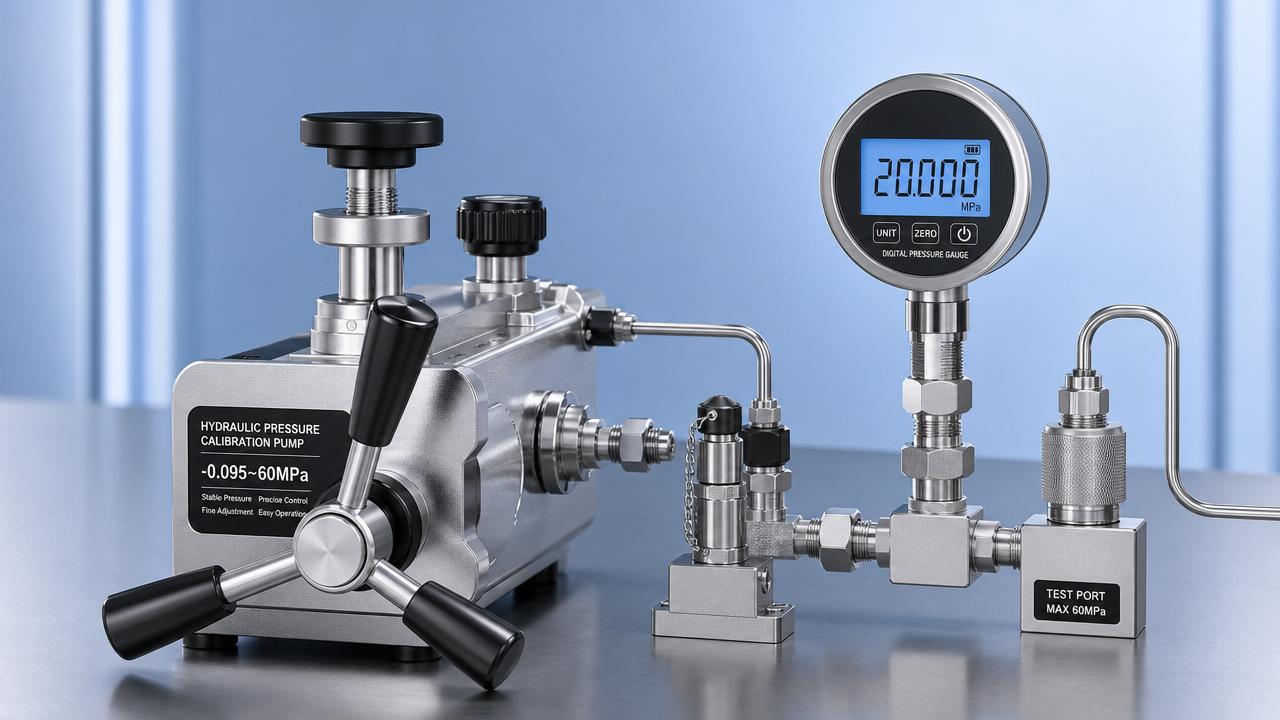
 How to Read Hydraulic Calibration Pump Specifications CorrectlyHydraulic calibration pump specifications explained clearly: learn how to assess pressure range, stability, fine control, and compatibility to choose the right pump with confidence.
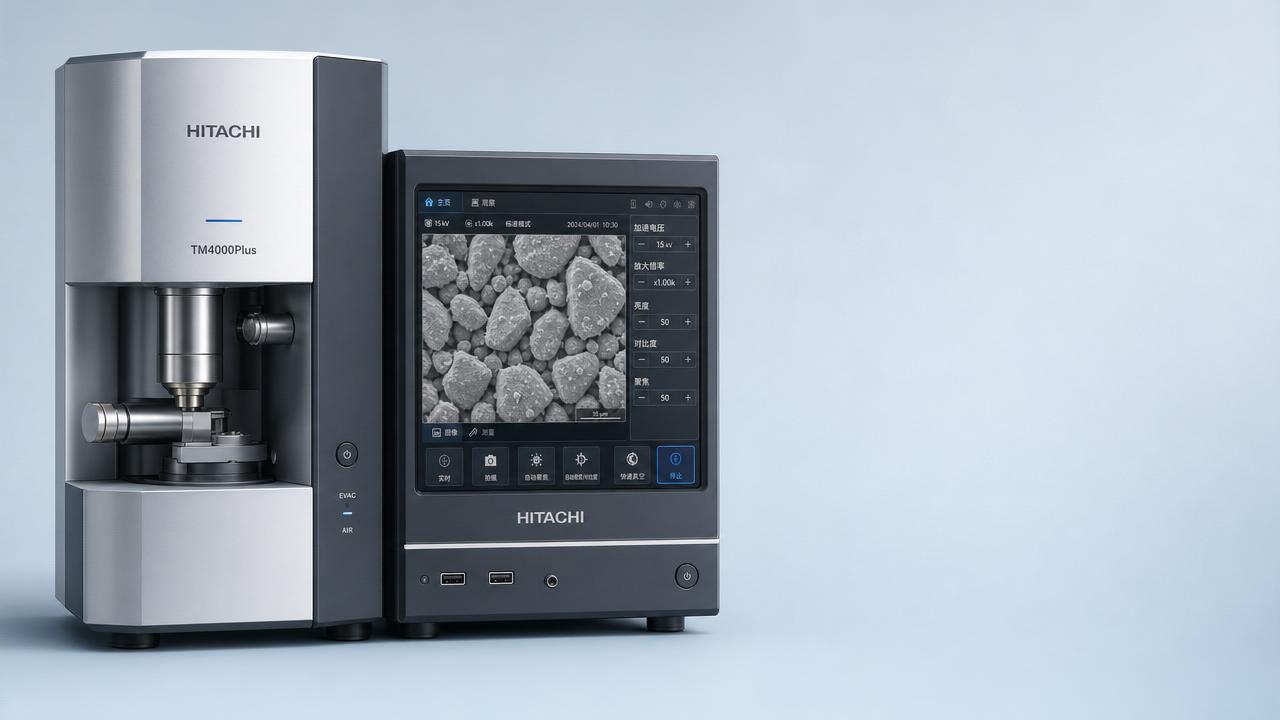
 Hitachi Benchtop SEM Sales Surpass 6,000 Units GloballyHitachi benchtop SEM sales exceed 6,000 units globally—driven by intuitive UIs, cryogen-free operation & one-click EDS. Discover why labs worldwide are choosing accessibility without compromise.
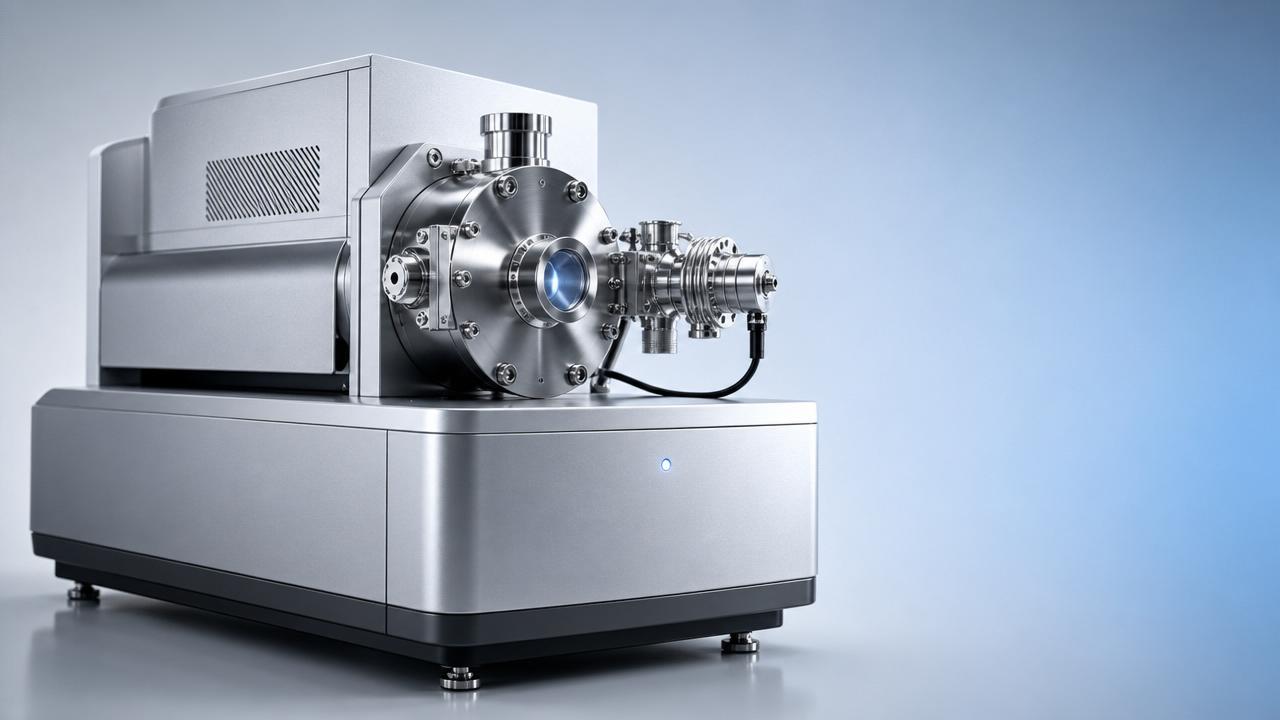
 First Domestic High-Resolution GD-MS Delivered CommerciallyGD-MS 3000: First domestic high-resolution GD-MS commercially delivered to Germany — validating trace impurity analysis for EU RoHS/REACH compliance in metals & semiconductors.
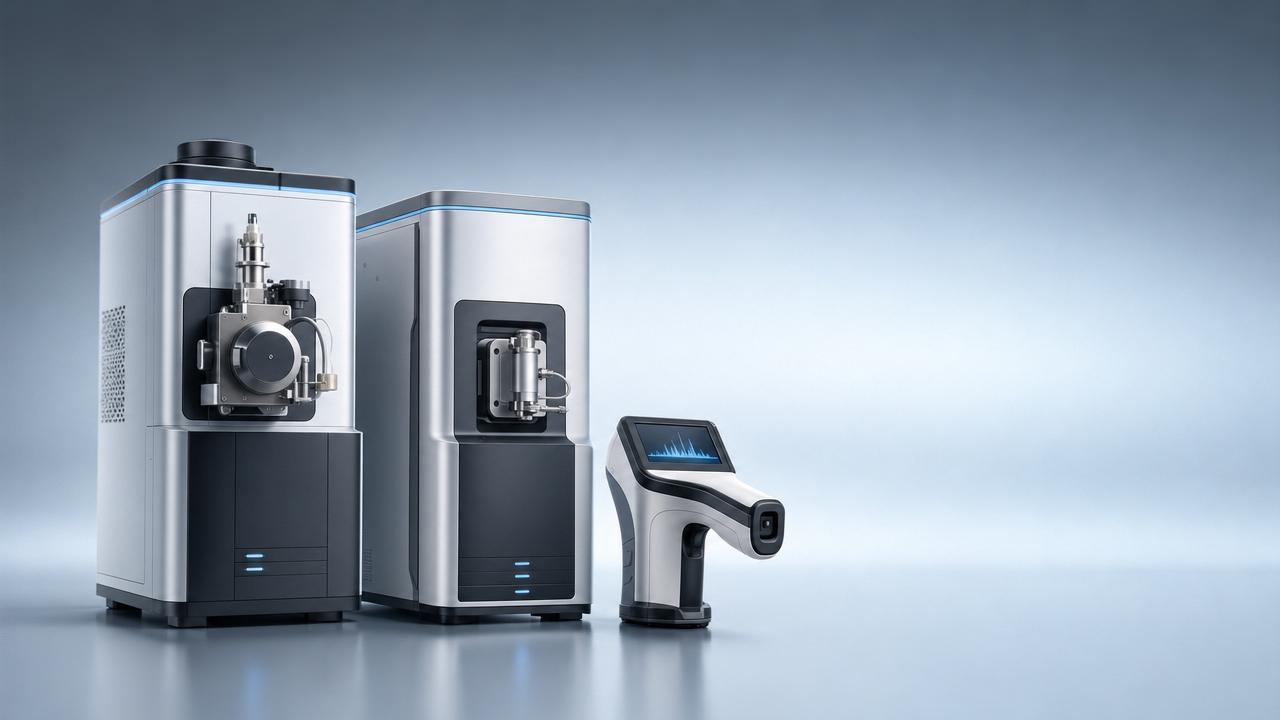
 CISILE 2026 Pre-Show Orders Exceed RMB 1.2B; Domestic Mass Spectrometers, Raman Spectrometers Gain TractionCISILE 2026 pre-show orders exceed RMB 1.2B—Chinese mass spectrometers & Raman spectrometers surge in global demand. Discover key export insights now!
![]() Laowa APS-C Fisheye Lens Launch: Industrial Imaging Export ExpansionLaowa APS-C fisheye lens launch: world’s first zoom fisheye for industrial imaging, VR capture & drone surveying — precision optics export expansion.
Laowa APS-C Fisheye Lens Launch: Industrial Imaging Export ExpansionLaowa APS-C fisheye lens launch: world’s first zoom fisheye for industrial imaging, VR capture & drone surveying — precision optics export expansion. MIIT Approves 690 New Industry Standards, Including AI Deep Synthesis Image System SpecificationMIIT's new AI Deep Synthesis Image System Specification impacts instrument manufacturers—learn how it affects smart gauges, thermal imagers & spectrometers for global markets.

Chat Online