


Many industries are gradually using electronic pressure gauges, which is what we usually call pressure transmitters, but due to the working environment, media, media temperature and so on, we must consider these issues when choosing pressure transmitters. Now I will talk about the purchase of pressure transmitters.
1, liquid material
We have to consider the pressure transducer measured by the medium, the general pressure transmitter contact medium part of the material used is 316 stainless steel, if your medium is not corrosive to 316 stainless steel, then basically all the pressure transmitters are suitable for your measurement of medium pressure. If your medium is corrosive to 316 stainless steel, then we must use a chemical seal, so that not only can measure the pressure of the medium, but also can effectively prevent the contact between the medium and the liquid part of the pressure transmitter, so as to protect the pressure transmitter and extend the life of the pressure transmitter.
2, accuracy level
Each kind of electronic measuring meter will have accuracy errors, but because the accuracy level of each country is not the same, for example, the accuracy of China and the United States and other countries is the best part of the linearity of the sensor, that is, the accuracy of the measurement range we usually say between 10% and 90%; The accuracy of the European target is the worst part of linearity, that is, we usually say that the accuracy of the measurement is between 0 and 10% and 90% to 100%. If the accuracy of the European target is 1%, the accuracy of the target in China is 0.5%, and the accuracy level of the pressure transmitter developed by Shanghai Yongwei Automatic Control Complete Equipment Co., Ltd. is 0.2.
3. Range range
Generally, the maximum range measured by the sensor is 70% of the full scale of the sensor is the best, that is, to measure the pressure of 70bar, we choose the range of the pressure transmitter should choose 100bar.
4, output signal
At present, due to the needs of various collection, there are many kinds of output signals of pressure transmitters on the market, mainly 4~20mA,0~20mA,0~10V,0~5V, etc., but the more commonly used are 4~20mA and 0~10V two, in these output signals I mentioned above, only 4~20mA is a two-wire system (we say the output is several The wire system does not include ground or shielded wires), and the others are three-wire systems.
5, medium temperature
Because the signal of the pressure transmitter is partially converted through the electronic circuit, under normal circumstances, the temperature of the measuring medium of the pressure transmitter is -30 to +100 degrees, if the temperature is too high, we generally use the condensation bend to cool the medium, so that the cost of the manufacturer specially for you to produce a high temperature pressure transmitter will be reduced a lot.
6. Measure the medium
Generally, we measure a relatively clean fluid, we directly use a standard pressure transmitter on it, if the medium you are measuring is easy to crystallize or sticky, we generally use an external diaphragm or chemical seal together, which will effectively prevent the medium from blocking the pressure measurement hole.
7. Others
After determining the above five parameters, also confirm the process connection interface of your pressure transmitter and the supply voltage of the pressure transmitter; If it is used in special occasions, explosion protection and protection level should be considered.
Contact:


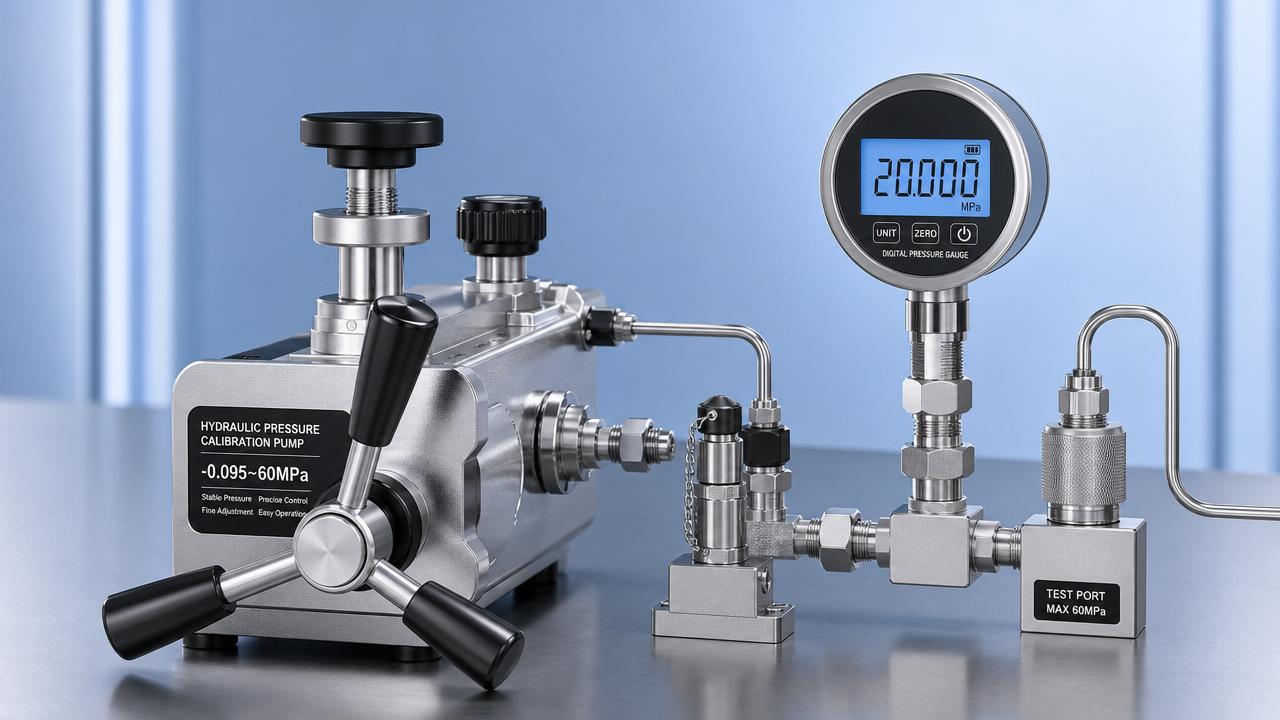
 How to Read Hydraulic Calibration Pump Specifications CorrectlyHydraulic calibration pump specifications explained clearly: learn how to assess pressure range, stability, fine control, and compatibility to choose the right pump with confidence.
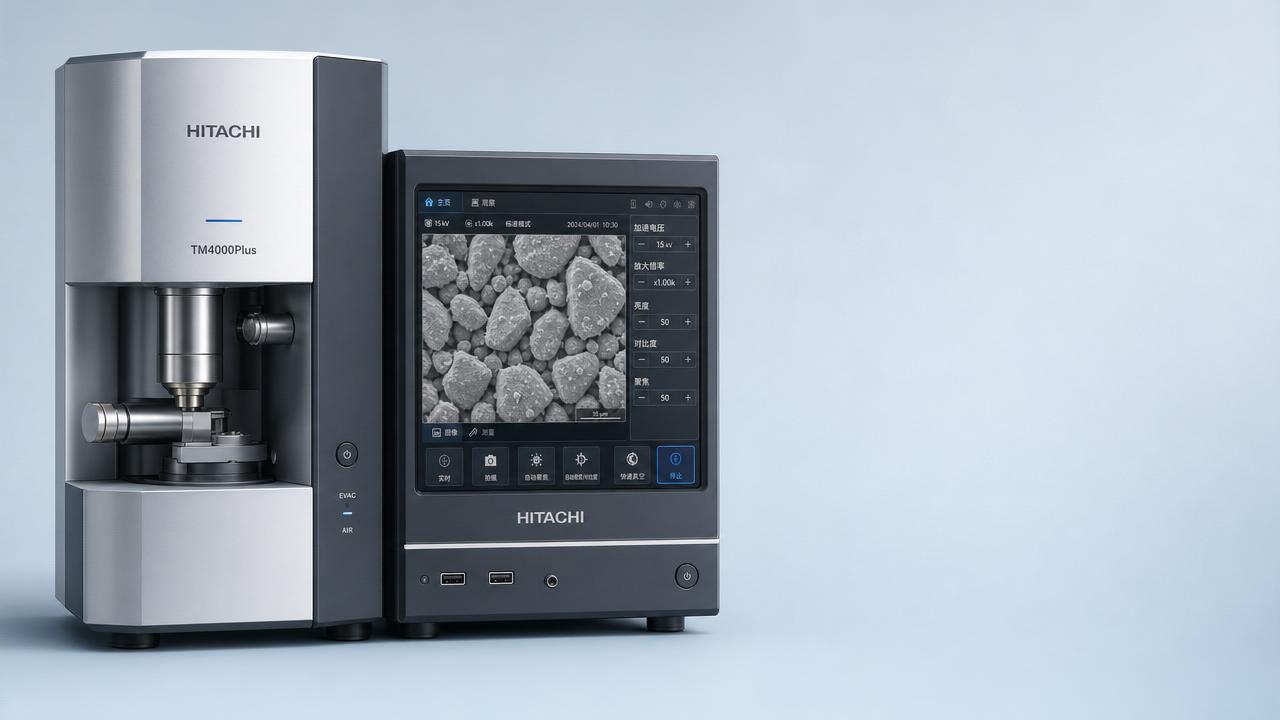
 Hitachi Benchtop SEM Sales Surpass 6,000 Units GloballyHitachi benchtop SEM sales exceed 6,000 units globally—driven by intuitive UIs, cryogen-free operation & one-click EDS. Discover why labs worldwide are choosing accessibility without compromise.
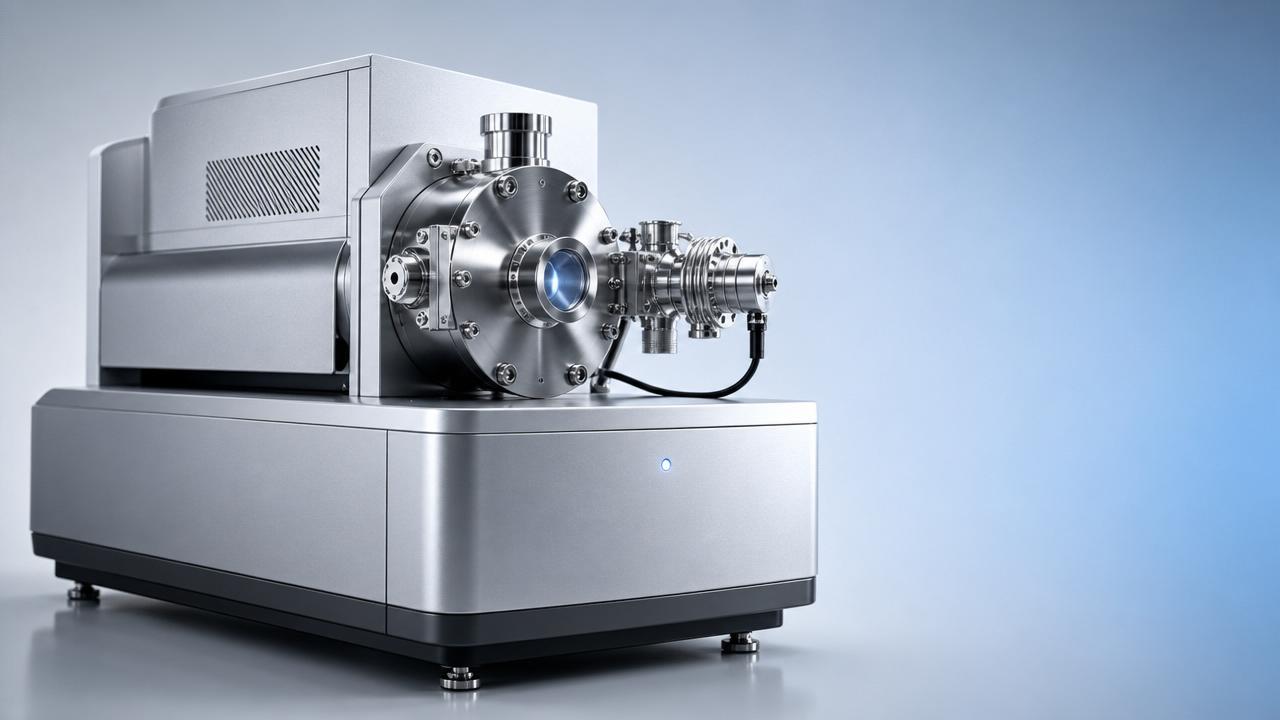
 First Domestic High-Resolution GD-MS Delivered CommerciallyGD-MS 3000: First domestic high-resolution GD-MS commercially delivered to Germany — validating trace impurity analysis for EU RoHS/REACH compliance in metals & semiconductors.
 CISILE 2026 Pre-Show Orders Exceed RMB 1.2B; Domestic Mass Spectrometers, Raman Spectrometers Gain TractionCISILE 2026 pre-show orders exceed RMB 1.2B—Chinese mass spectrometers & Raman spectrometers surge in global demand. Discover key export insights now!
![]() Laowa APS-C Fisheye Lens Launch: Industrial Imaging Export ExpansionLaowa APS-C fisheye lens launch: world’s first zoom fisheye for industrial imaging, VR capture & drone surveying — precision optics export expansion.
Laowa APS-C Fisheye Lens Launch: Industrial Imaging Export ExpansionLaowa APS-C fisheye lens launch: world’s first zoom fisheye for industrial imaging, VR capture & drone surveying — precision optics export expansion. MIIT Approves 690 New Industry Standards, Including AI Deep Synthesis Image System SpecificationMIIT's new AI Deep Synthesis Image System Specification impacts instrument manufacturers—learn how it affects smart gauges, thermal imagers & spectrometers for global markets.

Chat Online