


1. Principle of radar level meter
Radar level meter, also known as radar water level meter. As a non-contact sensor, its working principle is to detect the information of microwaves emitted by itself after being reflected by the liquid surface, and then convert it into the position of the surface.
Specifically, the antenna of the radar level meter emits electromagnetic waves, which are reflected by the liquid surface and then received by the antenna. The time from the emission to the reception of the electromagnetic wave is proportional to the distance to the liquid surface. The radar level meter records the time experienced by the electromagnetic wave, and the transmission speed of the electromagnetic wave is a constant, so the distance from the liquid surface to the antenna can be calculated, and thus the liquid level can be calculated.
2. Application of radar level meter
The main advantages of radar level meter are its non-contact continuous measurement, fast speed, and all-weather online real-time detection. Therefore, it is not affected by factors such as temperature and humidity, fog, muddy water, sludge, aquatic plants, etc., with high measurement accuracy, simple installation and easy maintenance, and broad application prospects.
At present, in addition to applications such as hydrological monitoring stations and reservoirs, radar level meters are more common in my country's urban waterlogging monitoring and early warning systems. They can monitor bridges, culverts, drainage pipes, channels, sunken roads, underground parking lots, urban rivers and lakes in real time, provide guarantees for decision-making, emergency response and early warning, and escort the safety of urban buildings and citizens under heavy rain conditions.
The radar water level meter can monitor the water level, flow rate, rainfall and temperature under the bridge in real time. At the same time, the real-time data of the monitoring station is transmitted back to the management background, reflecting the changes in the river water level and the distance between the bridge body across the river in a real and dynamic manner, and obtaining accurate data in real time in a timely, accurate and scientific manner.


 1259 New National Standards Take Effect in May 20261259 new national standards effective May 2026 mandate GFAAS, LC-MS/MS & GC-MS for compliance—key for exporters, labs & instrument suppliers.
 GWM Patents AI-Driven Multi-Screen Quality Switching for Vehicle HMIsGWM's AI-driven multi-screen quality switching patent unlocks adaptive display tech for industrial HMIs, DCS stations & explosion-proof touchscreens — watch for certified deployments.
 US-China Tariffs Unified at 10% for InstrumentsUS-China tariffs on instruments unified at 10%—boosting cost efficiency for industrial process instruments, environmental monitoring equipment & energy meters. Act now.
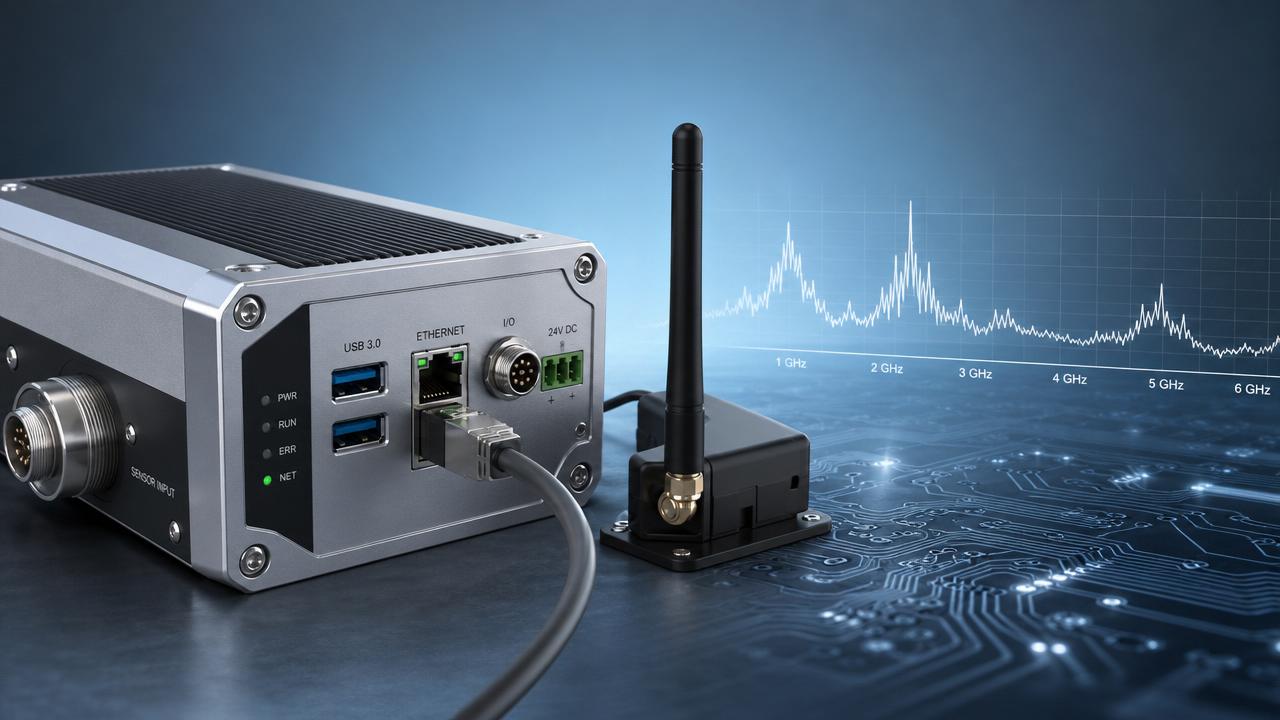
 EN 61000-6-4:2026 Enters Force for Industrial EMC ComplianceEN 61000-6-4:2026 is now mandatory for industrial EMC compliance — stricter 1–6 GHz emissions & dynamic AI-device testing. Act now to avoid EU market delays.
 New China Export Rules for Instruments Effective May 2026New China export rules for instruments require CNAS-issued CE/UKCA reports by May 2026 — ensure compliance now to avoid EU/UK shipment delays.
 EU CE-EPD Digital Compliance Label Mandatory from May 2026EU CE-EPD digital compliance label becomes mandatory for instrumentation exports from May 2026 — discover how Chinese OEMs, suppliers & EMS providers can prepare now.

Chat Online