


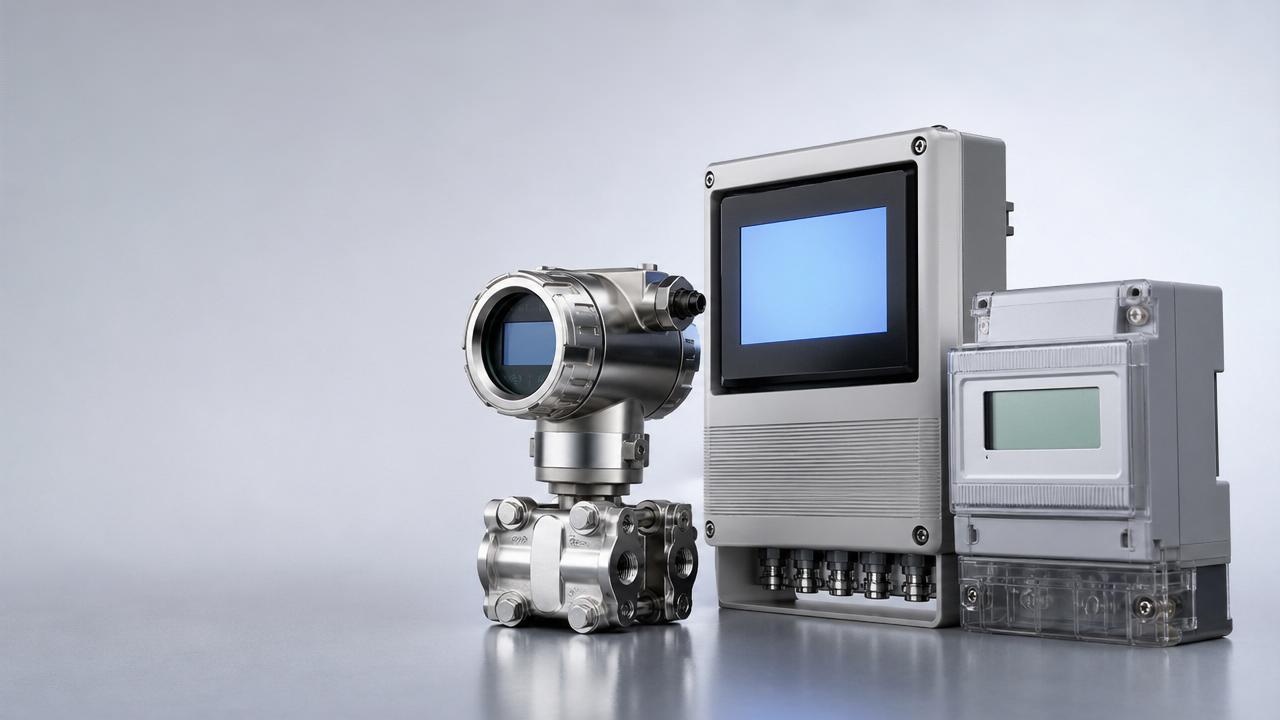
The working principle of orifice flowmeter is based on the principle of differential pressure flowmeter, which measures the flow rate by measuring the pressure difference generated when the fluid flows through the throttling element. When the fluid fills the pipeline and flows through the throttling device inside the pipeline, the flow beam will locally contract, causing an increase in flow velocity and a decrease in static pressure, resulting in a pressure drop (i.e. pressure difference) before and after the throttling element. The greater the fluid flow rate, the greater the pressure difference generated. 12
The structure of an orifice flowmeter includes a metal plate with a central circular hole (i.e., a throttling element), called an orifice plate. Install the orifice plate vertically in the pipeline and calculate the flow rate by measuring the pressure difference between the front and rear ends of the orifice plate. When the fluid flows through the orifice plate, it reaches the highest flow velocity at the constriction point, and correspondingly, the static pressure is the lowest. Therefore, the flow rate can be measured by measuring the pressure difference.
The advantages of orifice flowmeter include simple structure, stable performance, and easy maintenance. However, it also has some drawbacks, such as significant energy loss, especially in situations with high flow rates. In addition, the installation of orifice flow meters requires a stable section of straight pipe with a constant inner diameter upstream and downstream, with an upstream length of at least 10 times the pipe diameter and a downstream length of 5 times the pipe diameter.
Orifice flow meters are widely used in process control and measurement in fields such as petroleum, chemical, metallurgical, power, heating, and water supply, and have broad application prospects.


 1259 New National Standards Take Effect in May 20261259 new national standards effective May 2026 mandate GFAAS, LC-MS/MS & GC-MS for compliance—key for exporters, labs & instrument suppliers.
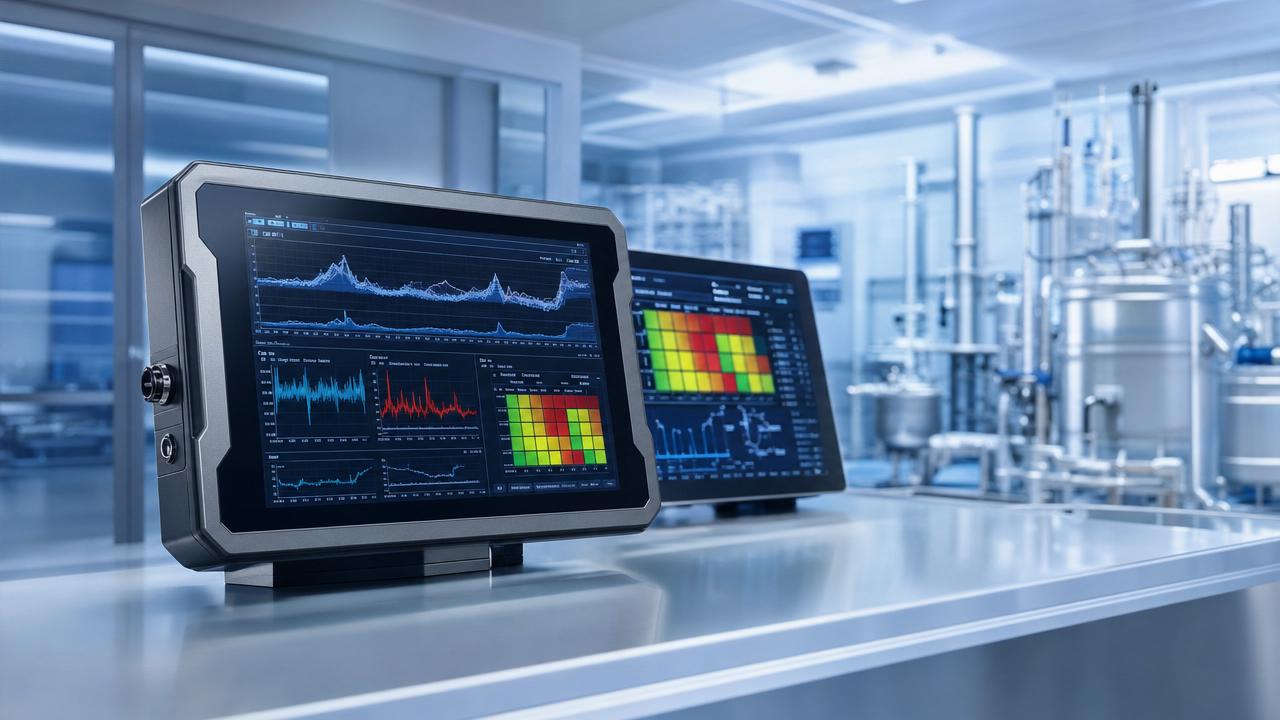
 GWM Patents AI-Driven Multi-Screen Quality Switching for Vehicle HMIsGWM's AI-driven multi-screen quality switching patent unlocks adaptive display tech for industrial HMIs, DCS stations & explosion-proof touchscreens — watch for certified deployments.
 US-China Tariffs Unified at 10% for InstrumentsUS-China tariffs on instruments unified at 10%—boosting cost efficiency for industrial process instruments, environmental monitoring equipment & energy meters. Act now.
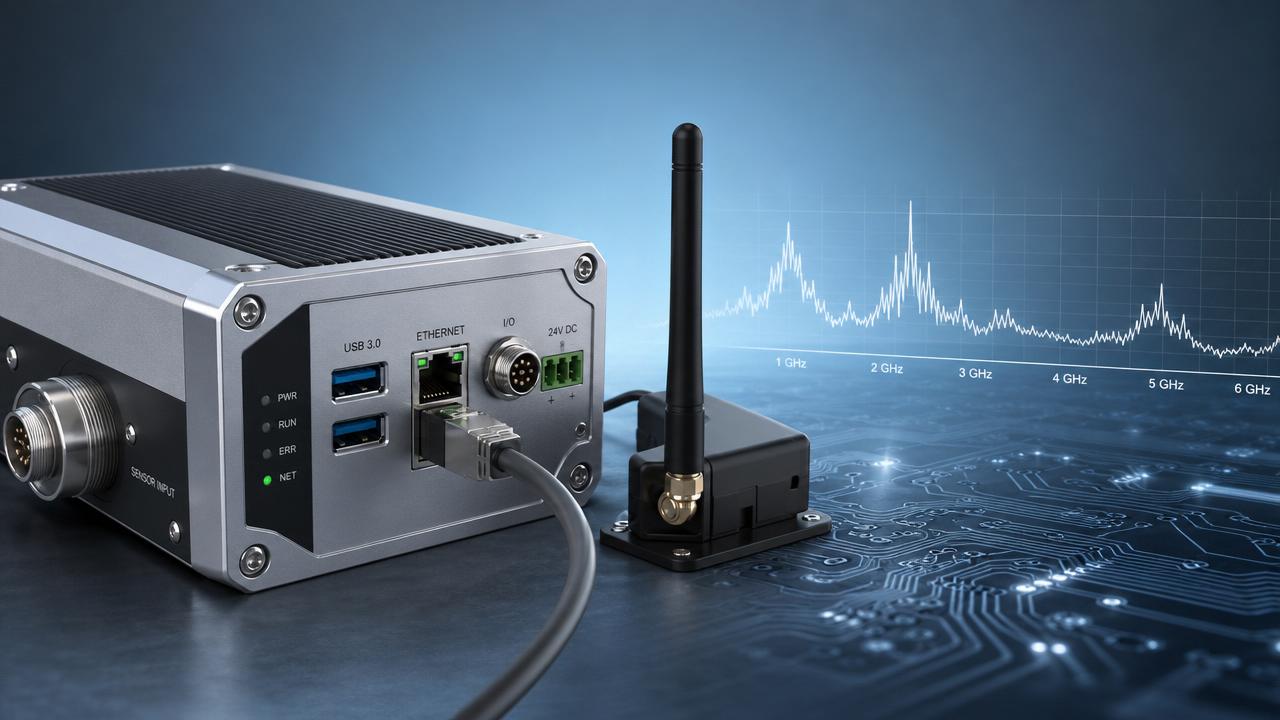
 EN 61000-6-4:2026 Enters Force for Industrial EMC ComplianceEN 61000-6-4:2026 is now mandatory for industrial EMC compliance — stricter 1–6 GHz emissions & dynamic AI-device testing. Act now to avoid EU market delays.
 New China Export Rules for Instruments Effective May 2026New China export rules for instruments require CNAS-issued CE/UKCA reports by May 2026 — ensure compliance now to avoid EU/UK shipment delays.
 EU CE-EPD Digital Compliance Label Mandatory from May 2026EU CE-EPD digital compliance label becomes mandatory for instrumentation exports from May 2026 — discover how Chinese OEMs, suppliers & EMS providers can prepare now.

Chat Online