


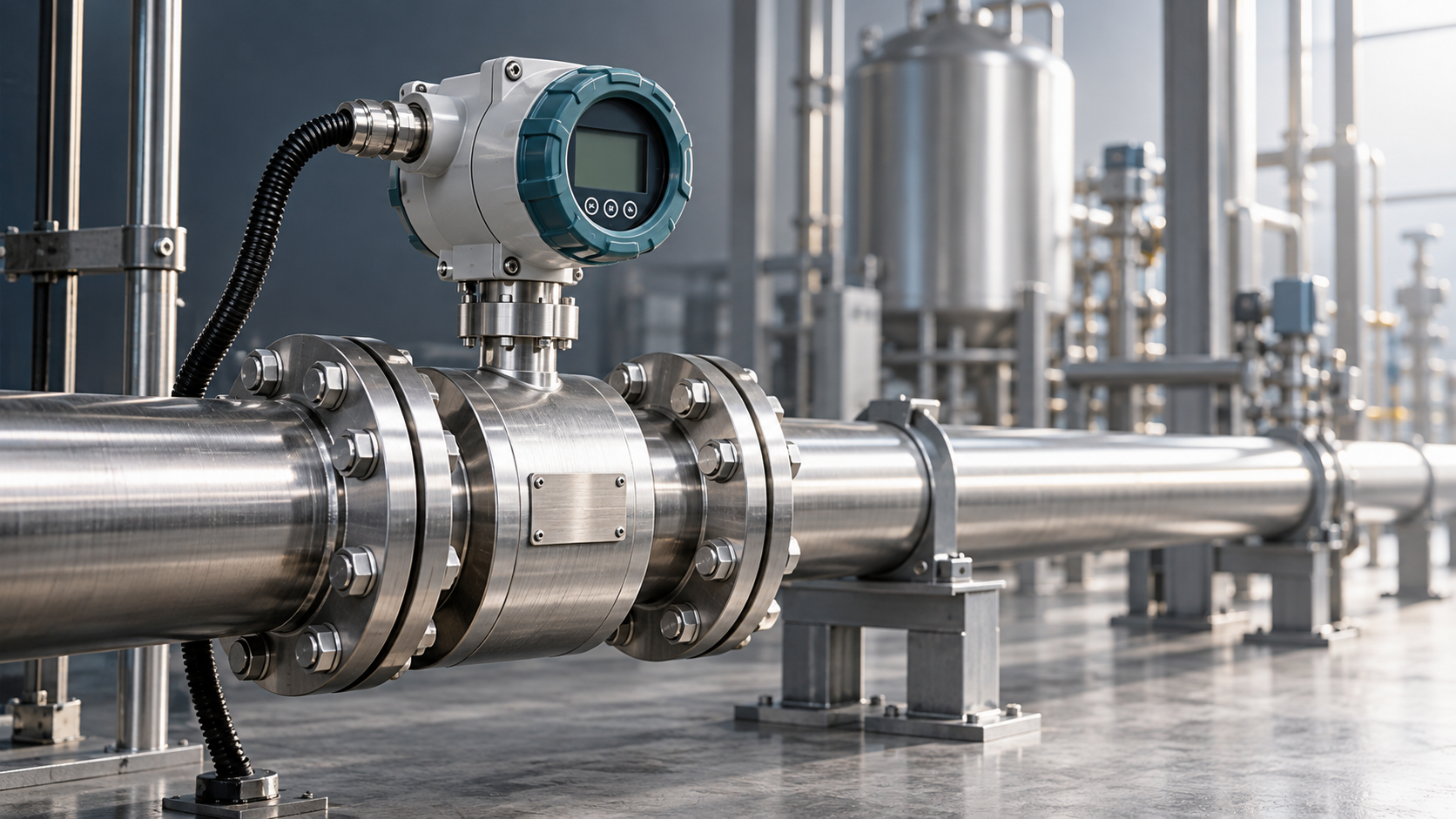
The commonly used unit in engineering is m3/h, which can be divided into instantaneous flow rate (Flow Rate) and cumulative flow rate (Total Flow). Instantaneous flow rate refers to the amount of effective cross-section that passes through a closed pipeline or open channel per unit time, and the substances flowing through can be gas, liquid, or solid; Accumulated flow refers to the cumulative amount of fluid flowing through the effective cross-section of a closed pipeline or open channel during a certain time interval (one day, one week, one month, one year). The cumulative flow can also be obtained by integrating the instantaneous flow rate with time, so the instantaneous flow meter and the cumulative flow meter can also be converted into each other.


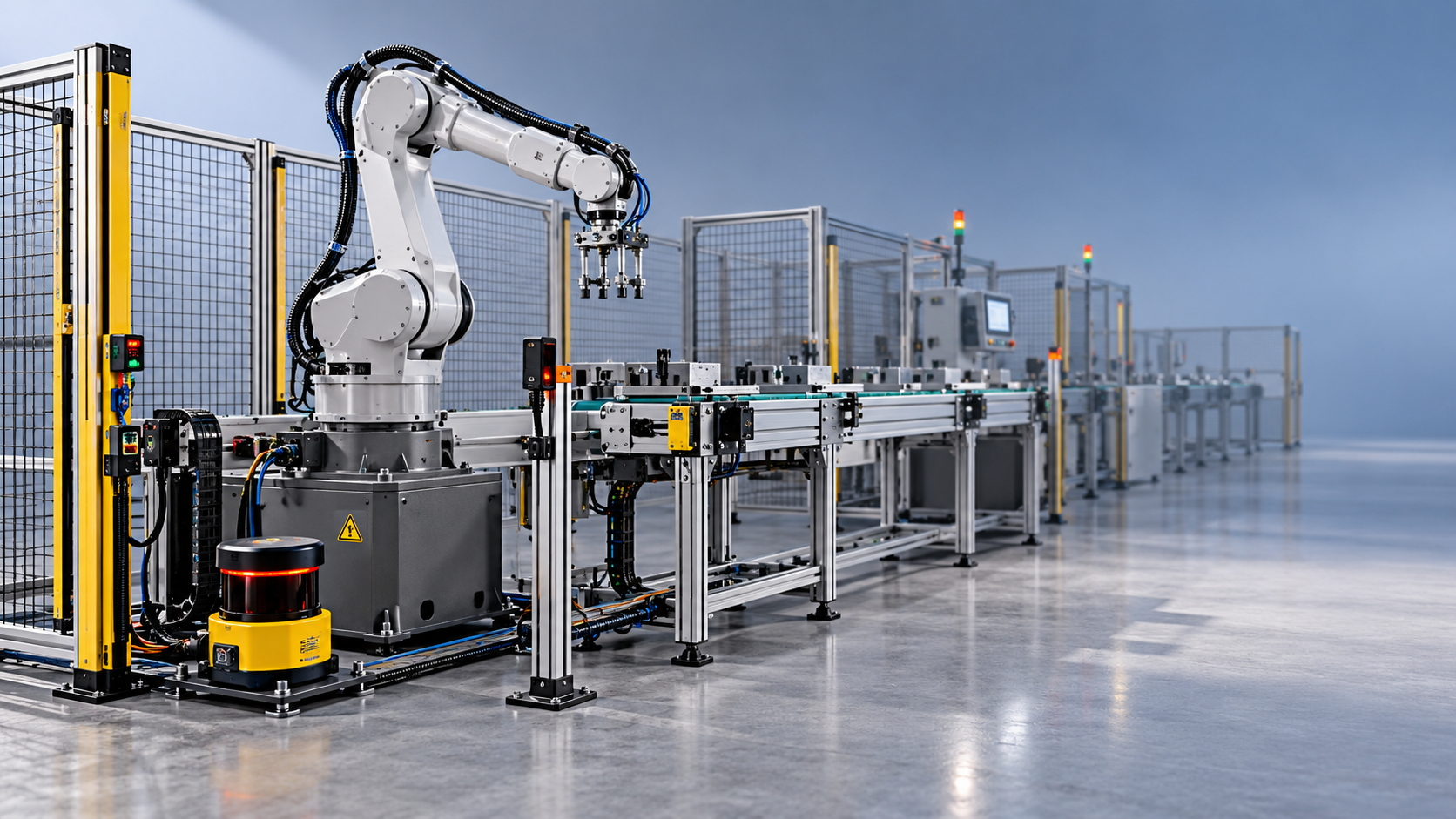
 KROHNE Supports NAMUR China 2026 on Milestones Toward Autonomous FactoriesKROHNE supports NAMUR China 2026 as experts explore autonomous factories. Discover insights on process instrumentation, AI safety and compliance to guide smarter automation decisions.
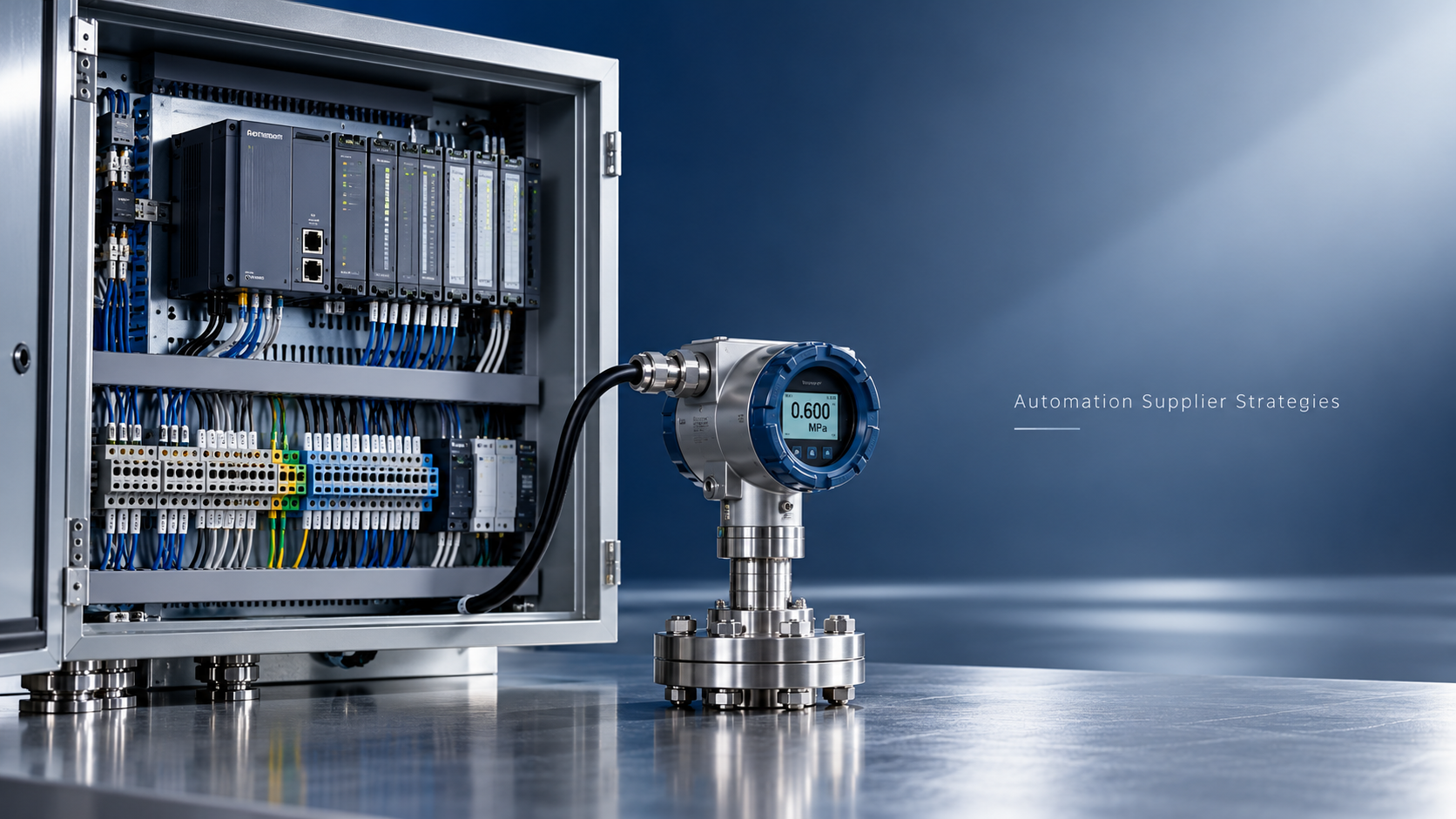
 ARC Report Examines Trends Reshaping the 2026 Global Top 50 Automation SuppliersARC's 2026 Global Top 50 Automation Suppliers report explores tariffs, supply risks, AI and digital twins. Discover key trends to guide smarter sourcing and procurement decisions.
 TÜV SÜD and Accenture Showcase Physical AI Safety Certification ConceptExplore TÜV SÜD and Accenture’s Physical AI Safety Suite concept: how NVIDIA simulation could support safety certification and faster commissioning in factories and warehouses.
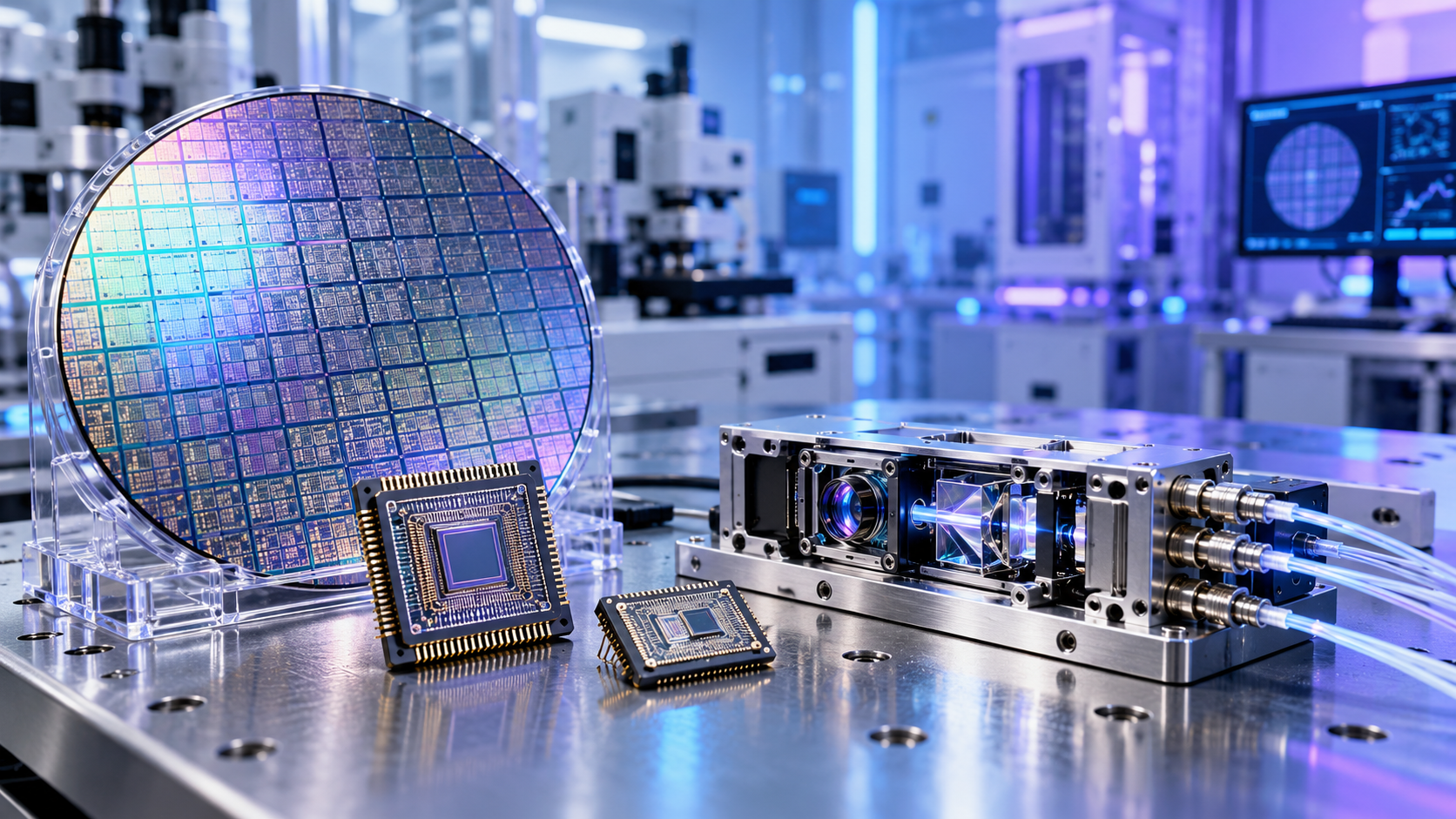
 Seventh MEMS Manufacturing Conference Opens in Suzhou, Highlighting Smart Sensing and Optical InterconnectsExplore Suzhou’s seventh MEMS Manufacturing Conference for insights on smart sensing, optical interconnects and standardization trends shaping supplier readiness and procurement decisions.
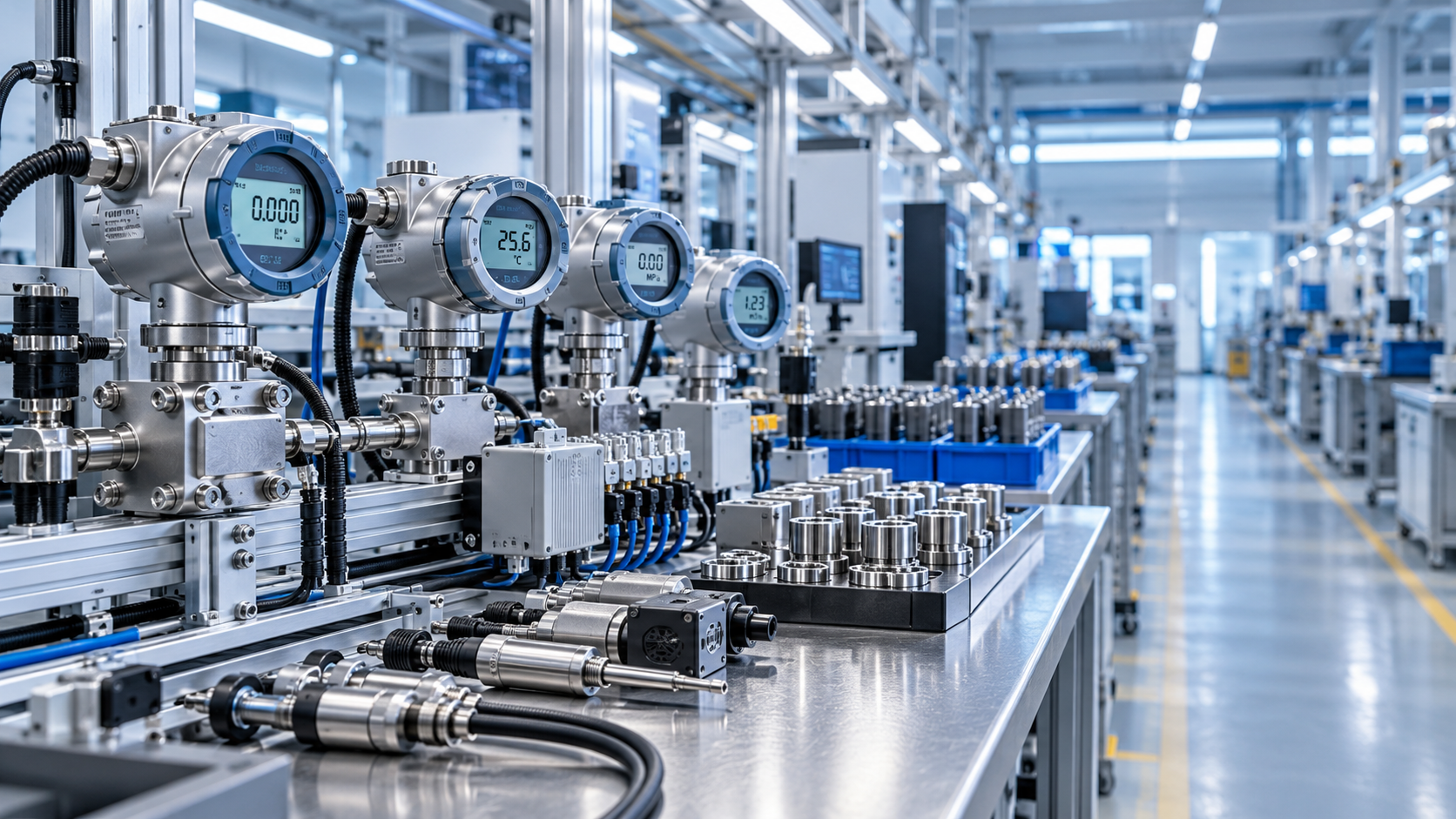
 China’s Instrumentation Industry Maintains High Growth in Q3 2026China’s instrumentation industry maintained high growth in Q3 2026. Explore manufacturing trends, potential supply chain impacts, and key signals for equipment makers and suppliers.
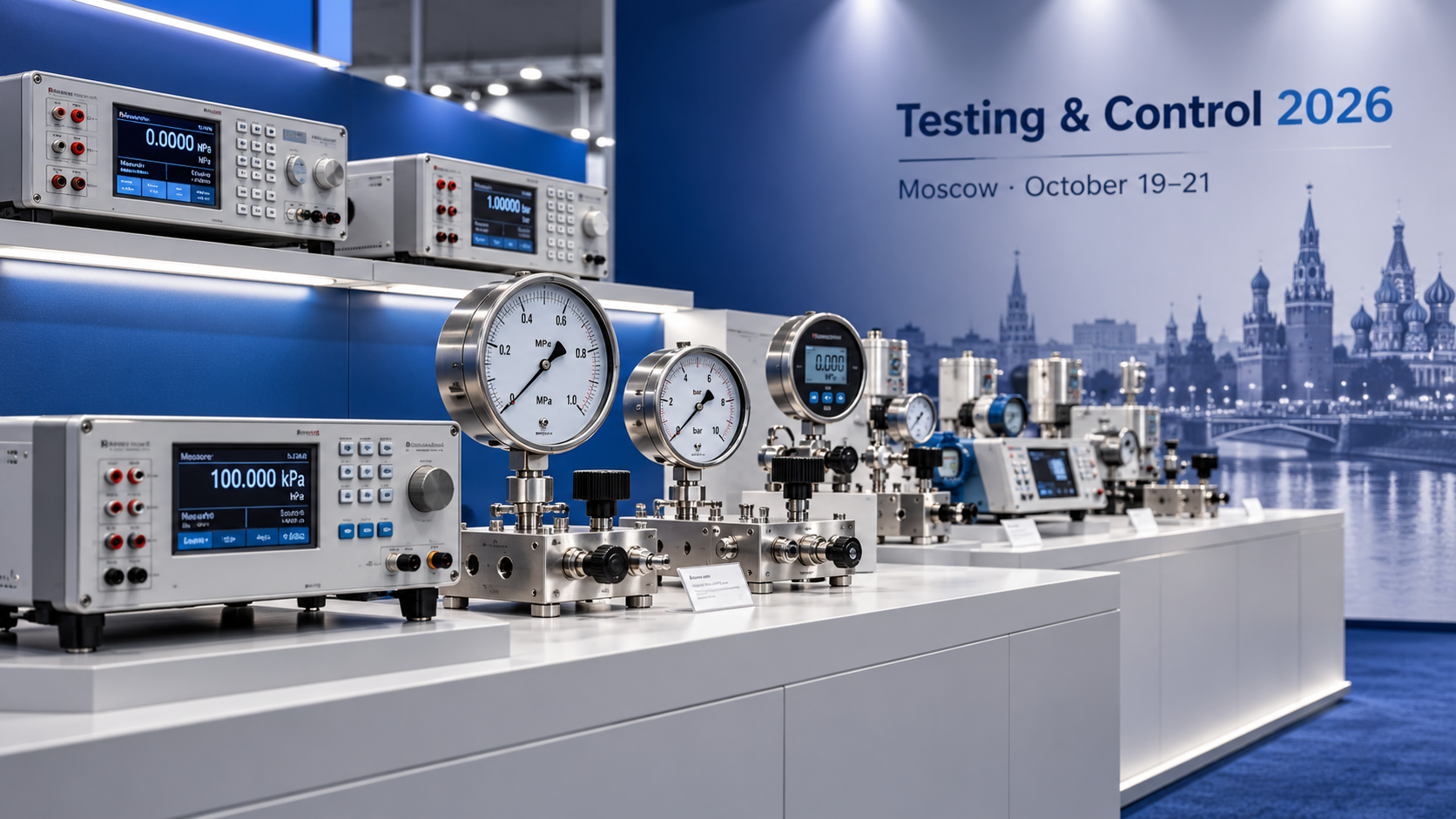
 Testing&Control 2026 Test, Measurement and Control Exhibition Opens Today in MoscowTesting&Control 2026 runs October 19–21 in Moscow. Explore test, measurement and control solutions, connect with suppliers, and clarify procurement and certification questions.
Chat Online