


To determine if the digital pressure gauge is working properly, the following steps can be taken for testing and verification:
1. Use a calibrator for testing: Use a specialized device called a calibrator to measure the accuracy of the pressure gauge. The calibrator will generate a certain pressure. By comparing the data displayed by the calibrator with the value displayed on the pressure gauge, if the two match, it indicates that the pressure gauge is working properly.
2.Perform visual inspection: Check the appearance of the pressure gauge for any damage, such as cracks or scratches on the glass casing. At the same time, check whether the display screen is clear and visible, without blurring or wear. In addition, ensure that the pointer can move freely without getting stuck or swaying.
3.Test reading accuracy: Connect the pressure gauge to the object being tested and record the value displayed on the pressure gauge. Then use a testing instrument to measure the pressure at the same point and record the value displayed by the instrument. If there is not much difference between the two, it indicates that the pressure gauge is working properly.
4.Check the connection port: Ensure that the connection port between the pressure gauge and the measured object is not loose or leaking. For digital pressure gauges, it is also necessary to ensure that their display screen has no faults or display errors
5.Check the accuracy of the testing instrument: Use a calibrator or other verification tool to calibrate the testing instrument to ensure its accuracy. If inaccurate instruments are used to test pressure gauges, it may result in incorrect results.
Contact


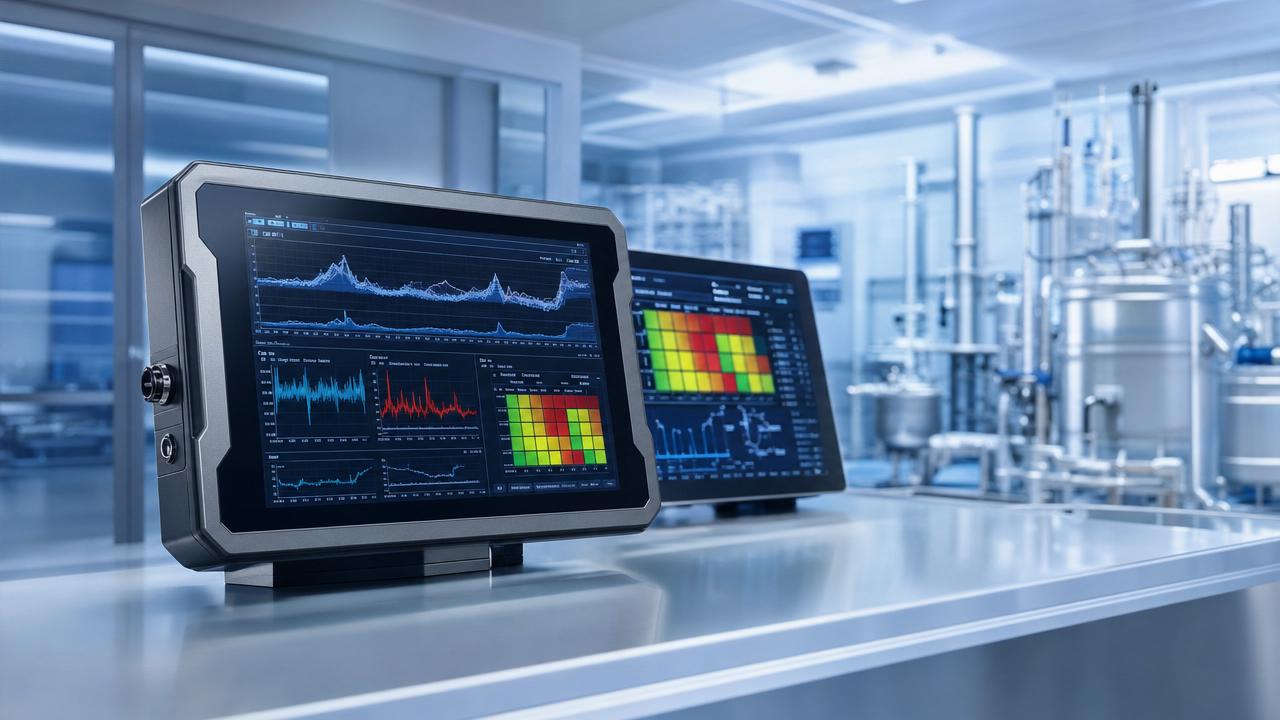
 GWM Patents AI-Driven Multi-Screen Quality Switching for Vehicle HMIsGWM's AI-driven multi-screen quality switching patent unlocks adaptive display tech for industrial HMIs, DCS stations & explosion-proof touchscreens — watch for certified deployments.
 US-China Tariffs Unified at 10% for InstrumentsUS-China tariffs on instruments unified at 10%—boosting cost efficiency for industrial process instruments, environmental monitoring equipment & energy meters. Act now.
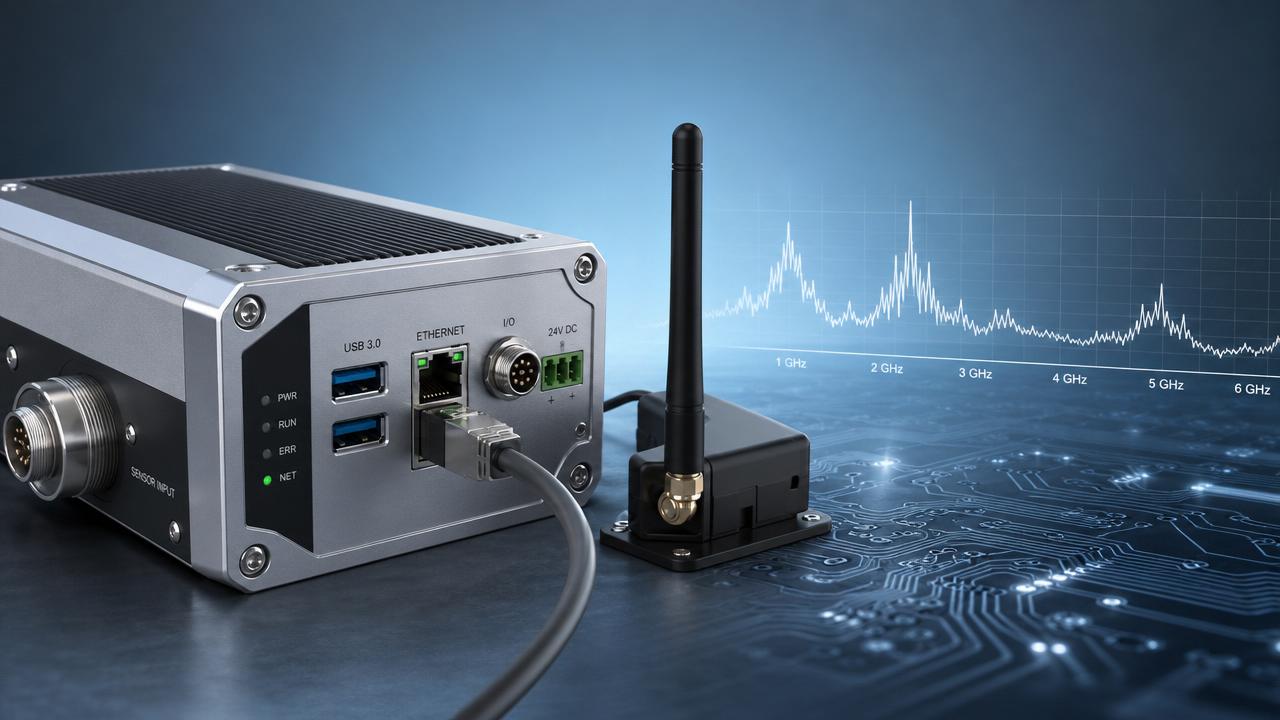
 EN 61000-6-4:2026 Enters Force for Industrial EMC ComplianceEN 61000-6-4:2026 is now mandatory for industrial EMC compliance — stricter 1–6 GHz emissions & dynamic AI-device testing. Act now to avoid EU market delays.
 New China Export Rules for Instruments Effective May 2026New China export rules for instruments require CNAS-issued CE/UKCA reports by May 2026 — ensure compliance now to avoid EU/UK shipment delays.
 EU CE-EPD Digital Compliance Label Mandatory from May 2026EU CE-EPD digital compliance label becomes mandatory for instrumentation exports from May 2026 — discover how Chinese OEMs, suppliers & EMS providers can prepare now.
 GCC AI Customs v3.0 Raises Spectrometer Inspection Rate by 40%GCC AI Customs v3.0 boosts spectrometer inspection rates by 40%—key for infrared & Raman instruments (HS 9027.50/9027.80). Act now to ensure CE+GCC compliance & Arabic documentation.
Chat Online