


On May 19, 2026, the German Brand and Design Council (Rat für Formgebung) officially established its China Representative Office in Qiantan, Shanghai. This development signals a formalized channel for Sino-German collaboration in industrial instrument design—particularly in human-machine interface (HMI) and aesthetic compliance—and is especially relevant for manufacturers and distributors of precision measurement instruments, industrial control systems, and test & measurement equipment operating across EU and Chinese markets.
Event Overview
On May 19, 2026, the German Brand and Design Council launched its China Representative Office in Qiantan, Shanghai. The initiative’s first phase centers on a joint workshop titled ‘Human-Machine Interface and Aesthetic Compliance for Industrial Measurement Instruments’, open to instrument manufacturers from both Germany and China. The office will provide UI safety design guidance aligned with EU CE-EMC/RED directives and support for iF Design Award submissions. For European distributors and system integrators, this aims to increase the availability of Chinese-made instruments featuring HMI interfaces conforming to German industrial aesthetics and operational conventions—potentially reducing end-user training and after-sales adaptation costs.
Which Segments Are Affected
Instrument Manufacturers (OEMs & ODMs)
Manufacturers producing industrial measurement instruments—including pressure, flow, temperature, and analytical devices—are directly affected because the new office offers targeted technical guidance on EU-compliant UI design and certification pathways. Impact manifests in product development timelines, documentation requirements for CE marking, and eligibility for international design recognition such as the iF Design Award.
Distributors & System Integrators (EU-based)
European entities sourcing or integrating Chinese-built instrumentation face reduced integration friction if those products adopt HMI layouts and visual language aligned with German industrial expectations. This may lower commissioning time, technical support overhead, and customer-specific customization requests—though actual adoption depends on manufacturer participation and implementation fidelity.
Design & Certification Service Providers
Firms offering UI/UX design, EMC testing, or CE conformity assessment services for industrial equipment may see increased demand for bilingual, cross-regulatory expertise—especially where interface safety, electromagnetic compatibility, and aesthetic coherence intersect under EU regulatory frameworks.
What Relevant Companies or Practitioners Should Focus On
Monitor official workshop outputs and guideline publications
The initial joint workshop is the first concrete deliverable. Participants and observers should track whether resulting materials—such as UI safety checklists, RED-aligned interaction patterns, or iF submission templates—are made publicly available or restricted to registered participants.
Assess alignment between current HMI designs and stated German industrial conventions
Manufacturers should benchmark existing instrument interfaces against widely adopted German HMI standards (e.g., DIN EN 61000-6-4 for EMC-related UI behavior, or common layout logic in Siemens or Endress+Hauser devices), rather than treating ‘German aesthetic’ as a vague stylistic preference.
Distinguish between procedural support and regulatory authority
The German Brand and Design Council is not a regulatory body and does not issue CE certifications. Its role is advisory and promotional. Companies must continue engaging notified bodies for formal CE-EMC/RED conformity assessments; the Council’s support supplements—not replaces—those processes.
Evaluate readiness for iF Design Award application cycles
iF submissions follow fixed annual deadlines (typically October–November). Firms considering participation should verify whether the Shanghai office provides structured pre-submission reviews or documentation assistance—and whether such support begins before or only during active award cycles.
Editorial Perspective / Industry Observation
Observably, this move represents an institutionalization of design-oriented cooperation—not a regulatory shift or market access change. It reflects growing recognition that interface usability and aesthetic coherence are no longer peripheral concerns but functional prerequisites for cross-border industrial equipment adoption. Analysis shows the initiative is best understood as an early-stage coordination mechanism: it enables knowledge transfer and lowers non-tariff barriers related to user experience, but does not alter legal compliance obligations or certification routes. From an industry perspective, sustained impact hinges on participation rates, translation of workshop insights into implementable design rules, and integration with existing EU conformity workflows.
Concluding, this development underscores a quiet but meaningful evolution in how industrial instrumentation competes globally—not solely on metrological accuracy or cost, but on interface clarity, operational intuitiveness, and cultural alignment in professional contexts. Currently, it is more accurately interpreted as a capacity-building signal than an immediate operational trigger. Stakeholders are advised to treat it as a long-term enabler rather than a short-term compliance requirement.
Source: Official announcement by the German Brand and Design Council (Rat für Formgebung), dated May 19, 2026. No additional background data, historical context, or third-party verification has been provided or confirmed. Ongoing observation is recommended regarding publication of workshop outputs, participation metrics, and subsequent service offerings from the Shanghai office.


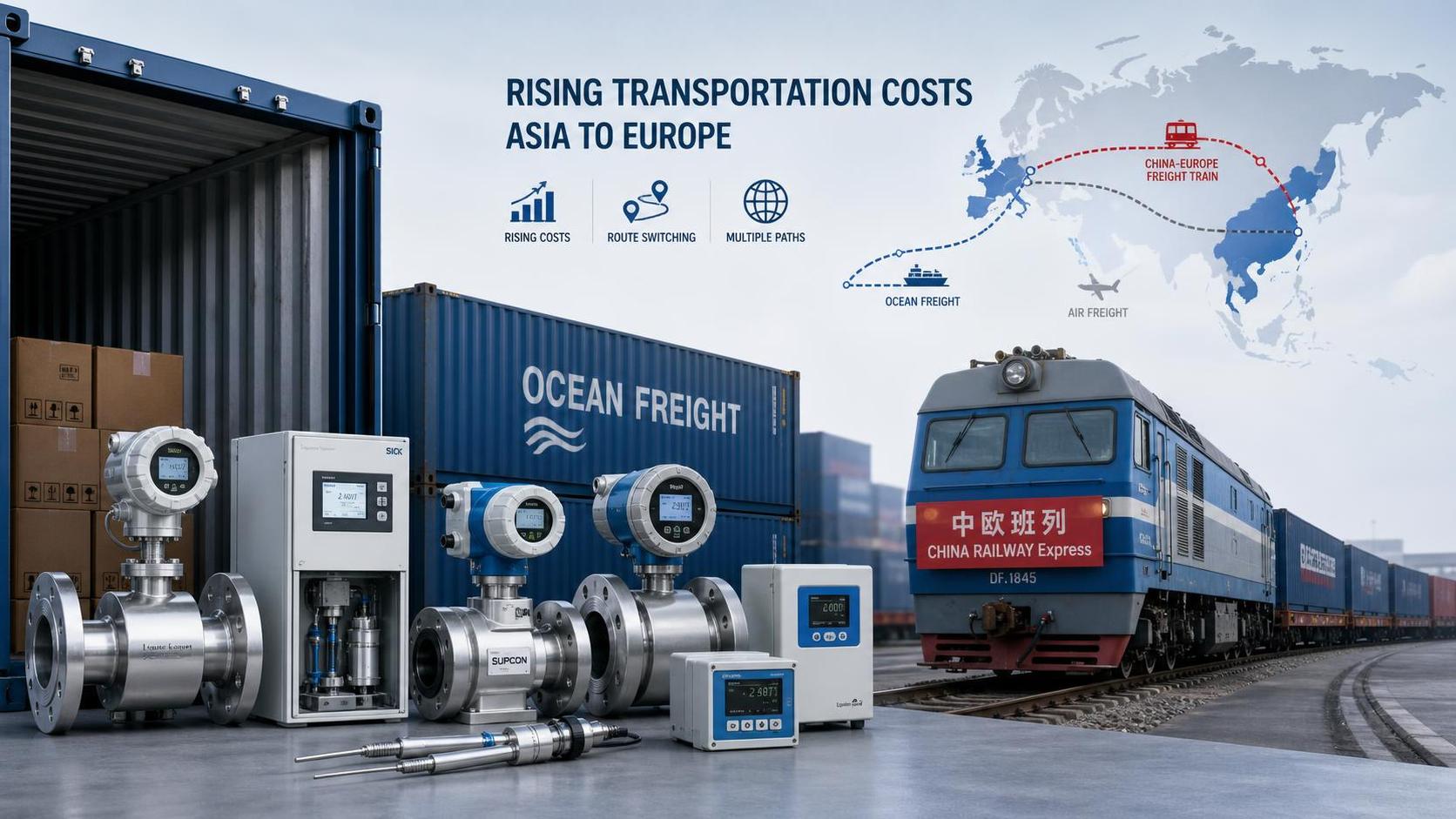
 Asia-Europe Freight Surcharges Lift Costs for Instrument ExportsAsia-Europe Freight Surcharges are raising instrument export costs fast. See how HS 9026/9027 cargo, booking quotas, rail alternatives, and trade risk shifts could impact your supply chain.
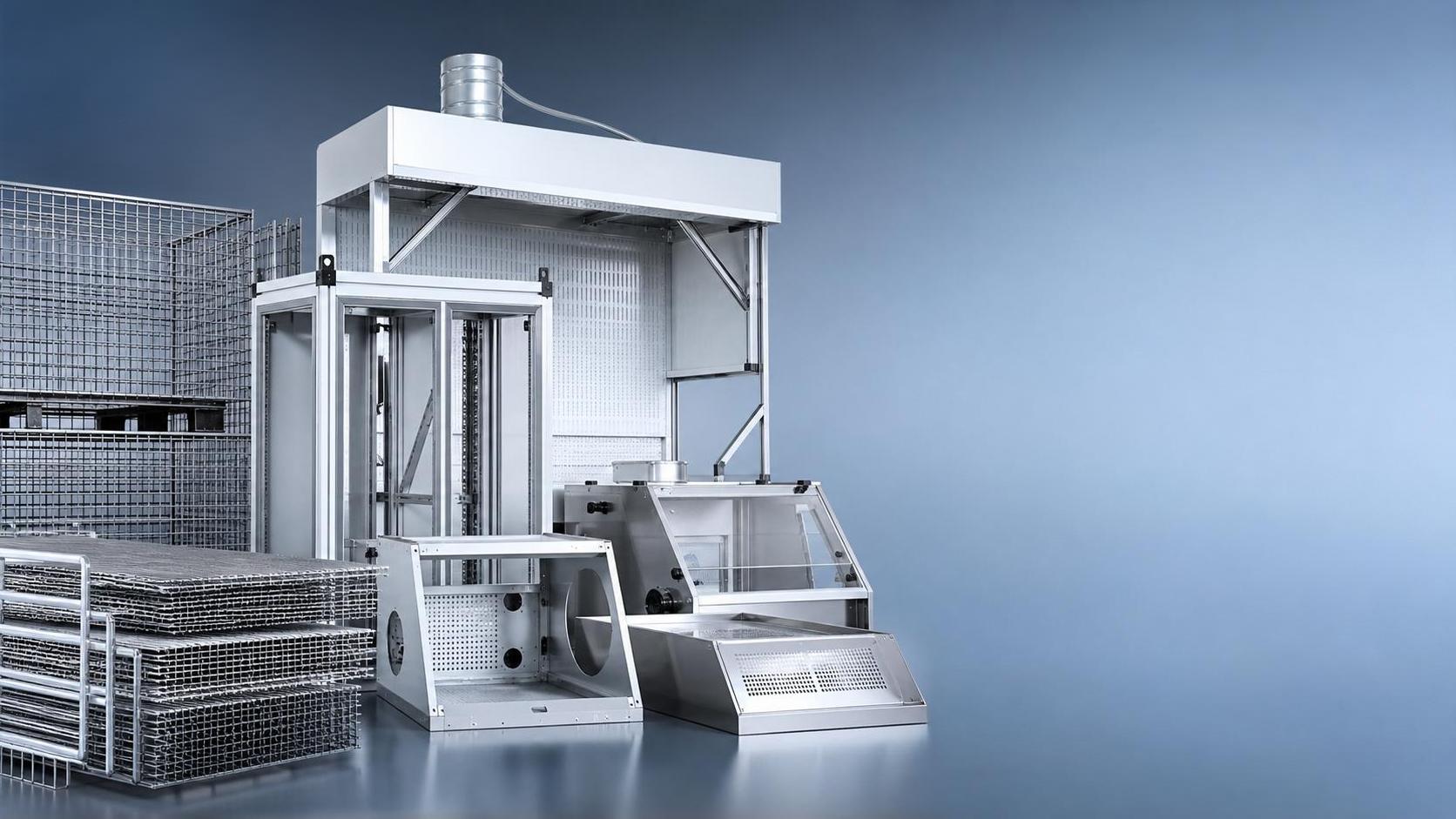
 EU Opens Anti-Dumping Probe Into Chinese Welded Steel MeshEU anti-dumping probe into Chinese welded steel mesh could reshape instrumentation export costs, sourcing risk, and EU supply chain planning. Read the key impacts now.
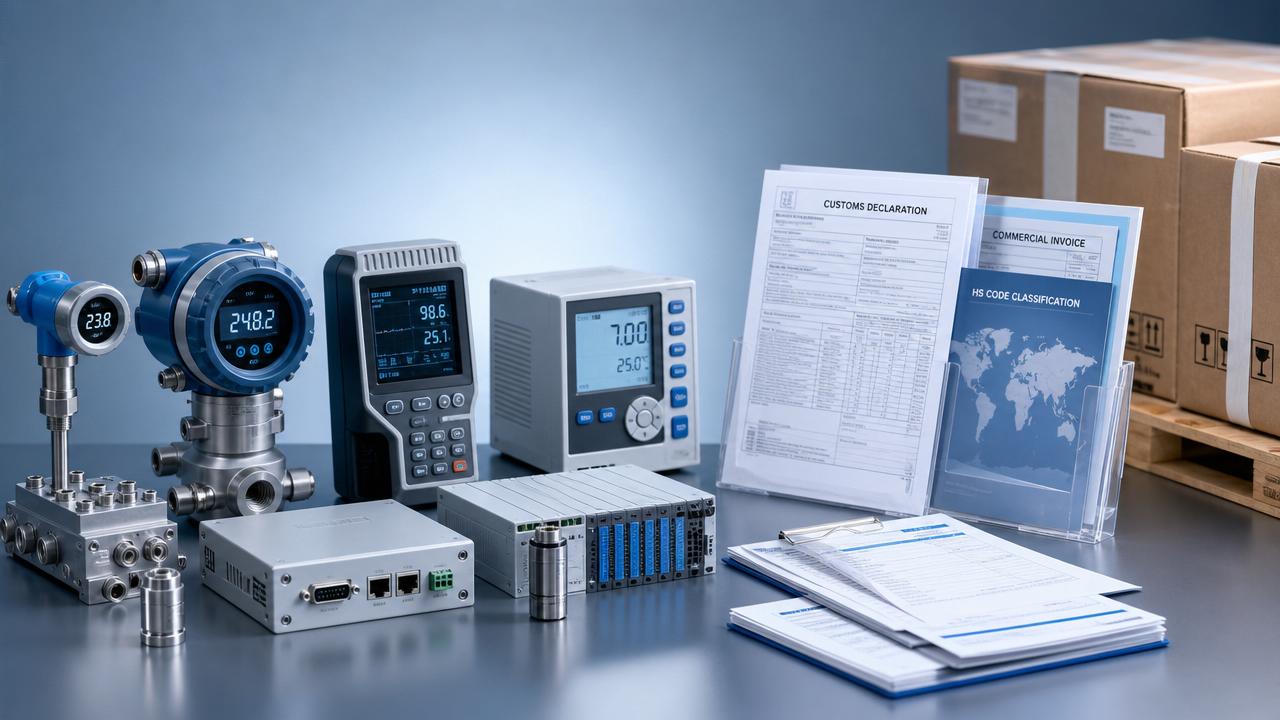
 China Customs Rolls Out AI HS Tool for Instrument ExportsChina Customs rolls out an AI HS tool for instrument exports under HS Chapter 90. Learn how it improves classification accuracy, speeds clearance, and impacts export compliance.
 China Customs Launches Smart HS Tool for Instrument ExportsChina Customs Launches Smart HS Tool for Instrument Exports, boosting HS code accuracy to 98.2%. Learn how it improves compliance, reduces clearance risk, and supports smoother global instrument shipments.
 China Customs Launches Smart HS Tool for Instrument ExportsChina Customs launches a smart HS tool for instrument exports, helping manufacturers and exporters improve HS code accuracy, reduce compliance risks, and speed up customs clearance.
") China's Instruments Rise: 7 Firms in Global Top 25 (2026)China's Instruments Rise: 7 firms enter 2026 Global Top 25 — Hikvision #4, United Imaging & SUPCON debut. Key insights for procurement, compliance & AI-integrated instrumentation.
China's Instruments Rise: 7 Firms in Global Top 25 (2026)China's Instruments Rise: 7 firms enter 2026 Global Top 25 — Hikvision #4, United Imaging & SUPCON debut. Key insights for procurement, compliance & AI-integrated instrumentation.

Chat Online