


On June 8, 2026, China’s General Administration of Customs launched version 2.3 of a smart classification assistant for instrument and meter exports. The update matters most to exporters, manufacturers, compliance teams, customs declaration staff, and supply chain service providers because it links product-parameter input with HS code recommendations and destination-market regulatory prompts, directly touching declaration accuracy, shipment clearance, and dispute risk in cross-border trade.
What the new customs tool officially includes
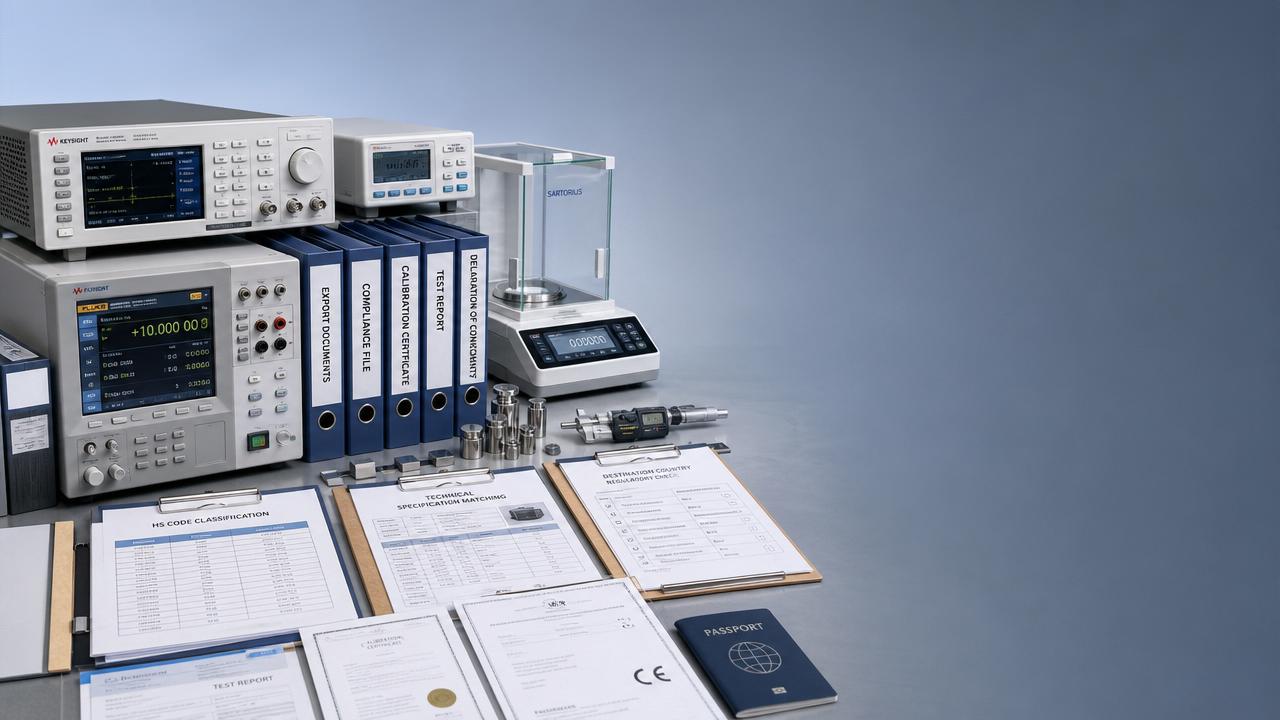
According to the provided information, the new assistant supports bilingual Chinese-English input of device technical parameters and can automatically recommend HS codes across the full sequence from 9027.10 to 9031.80. It also provides prompts on destination-country regulatory requirements.
The system has been connected to market-access rules from 17 jurisdictions, including the EU MID, U.S. FDA 21 CFR Part 820, and Vietnam’s MOIT. The reported tested classification accuracy is 96.2%, and the stated coverage reaches 98% of HS code declaration scenarios for this category. The stated purpose is to reduce overseas returns and tariff disputes caused by classification errors.
Where the impact is likely to be felt first
Export declaration and customs-facing operations
From an industry perspective, direct exporters and customs declaration teams are the first groups likely to feel the operational effect. Their work depends on matching technical specifications with the correct HS code, so a tool that accepts bilingual parameter input may change how declarations are prepared, reviewed, and escalated internally. What deserves closer attention is whether teams begin to treat the tool as a first-pass screening layer rather than relying only on manual judgment.
Manufacturing and product documentation workflows
Manufacturers of instruments and measurement-related equipment may be affected through product data preparation rather than customs filing alone. Analysis shows that when HS recommendations depend on technical parameters, the quality, consistency, and completeness of product specifications become more important in the handoff between engineering, sales, and export compliance functions.
Logistics, brokerage, and trade service providers
Supply chain service providers, including brokers and export service teams, may see the impact in document review and client communication. If the system also flags destination-market regulatory requirements, service providers may need to coordinate more closely with exporters on classification support, supporting documents, and shipment readiness for specific markets.
Overseas buyers and delivery coordination
Buyers and channel partners may not use the system directly, but they can still be affected through delivery predictability and dispute handling. Observably, if classification errors decline, the most visible effect would likely appear in fewer interruptions tied to returns or tariff disagreements, although that outcome should still be understood as an intended risk reduction rather than a guaranteed result in every shipment.
What companies should watch in practice
Treat recommendations as a compliance aid, not a final substitute
Analysis shows that a reported accuracy rate of 96.2% is meaningful, but it is not the same as certainty in every declaration case. Companies should focus on how internal reviewers validate recommendations, especially for products whose parameters may sit close to multiple tariff headings within the 9027.10 to 9031.80 sequence.
Check whether technical files are ready for structured input
The tool’s design puts practical pressure on product data quality. Exporters and manufacturers should pay closer attention to whether technical specifications, model descriptions, and supporting documents are complete enough to support consistent classification outcomes in both Chinese and English input scenarios.
Match customs classification with destination-market obligations
What deserves closer attention is the system’s inclusion of regulatory prompts tied to 17 jurisdictions. In practice, companies should distinguish between receiving a prompt and fully meeting market-entry requirements. For teams shipping to markets referenced in the system, the key issue is whether declaration, documentation, and customer communication stay aligned.
Monitor follow-up changes in official use and interpretation
It is more appropriate to understand this launch as an operational tool with immediate practical value, while still watching for later adjustments in usage scope, rule updates, or official interpretation. Businesses that regularly export covered products should pay attention to any subsequent clarification affecting declaration routines or review standards.
Why this should be read as more than a tool update
Observably, this development signals a stronger link between customs classification work and structured compliance screening in export operations. That does not by itself prove a full change in regulatory practice, but it does suggest that product-level data quality and front-end declaration discipline are receiving greater weight in the handling of instrument and meter exports.
Analysis shows that the most important point is not only automation of HS code selection. It is the combination of code recommendation and destination-market rule prompting, which brings classification and market-access awareness closer together in one workflow. For the industry, that is a practical signal worth tracking beyond the initial launch announcement.
How to interpret the development at this stage
At this stage, this update is best understood as a concrete short-term operational change with longer-term signaling value. The immediate effect lies in helping reduce classification mistakes in covered declaration scenarios. The broader significance, still requiring observation, is whether exporters, manufacturers, and service providers begin to rebuild internal trade-compliance processes around more standardized technical data and earlier regulatory checks.
Basis of this article and points for continued verification
This article is generated from the user-provided news title, event date, and event summary. Information of this kind is typically cross-checked against official notices, company announcements, industry association updates, authoritative media reporting, and relevant standards or regulatory documents. No specific official source link was provided in the input, so the exact official release path still requires continued verification. The main follow-up points to watch are whether there are later official clarifications on application scope, rule updates, and operational use in export declaration practice.


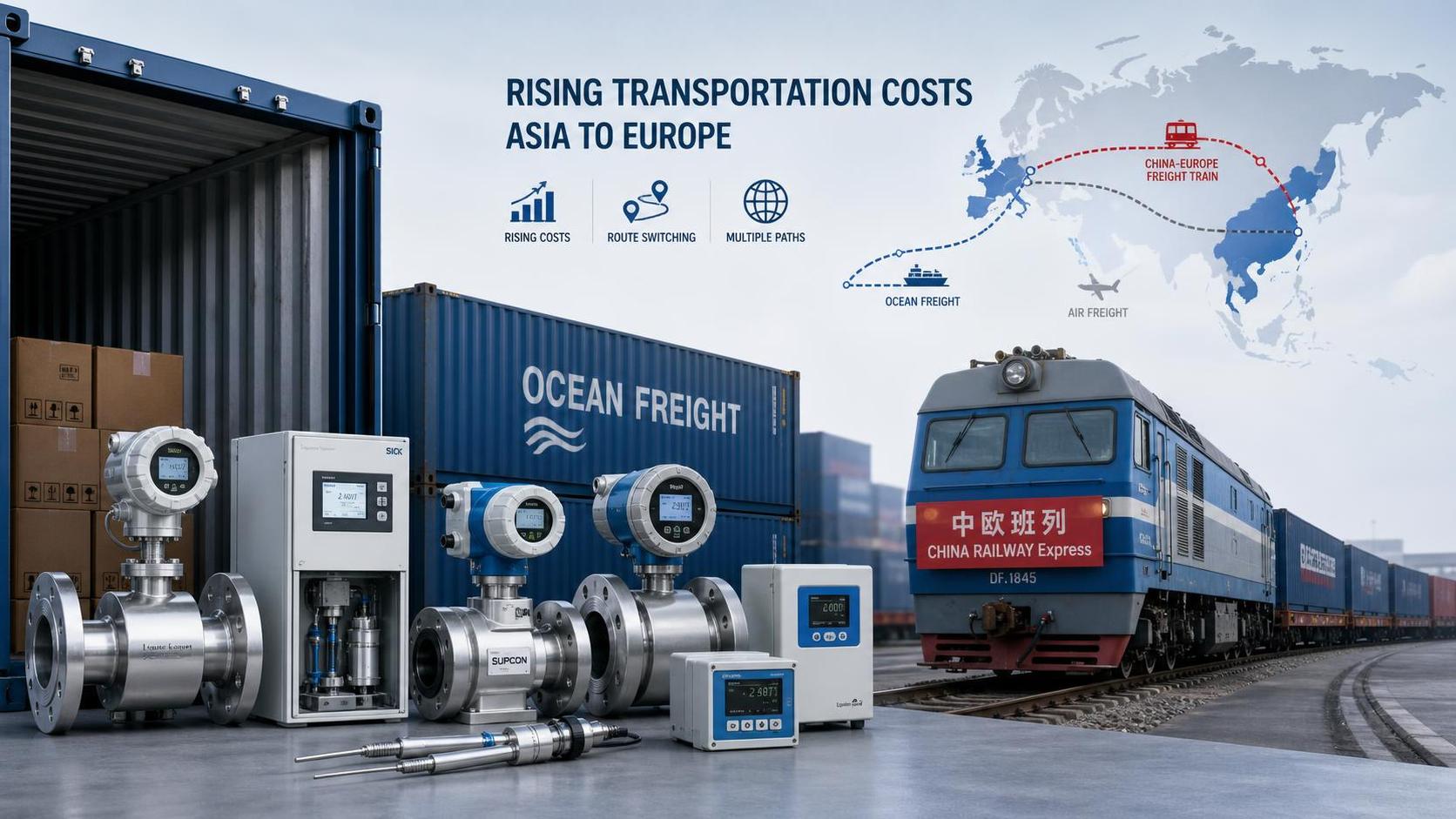
 Asia-Europe Freight Surcharges Lift Costs for Instrument ExportsAsia-Europe Freight Surcharges are raising instrument export costs fast. See how HS 9026/9027 cargo, booking quotas, rail alternatives, and trade risk shifts could impact your supply chain.
 EU Opens Anti-Dumping Probe Into Chinese Welded Steel MeshEU anti-dumping probe into Chinese welded steel mesh could reshape instrumentation export costs, sourcing risk, and EU supply chain planning. Read the key impacts now.
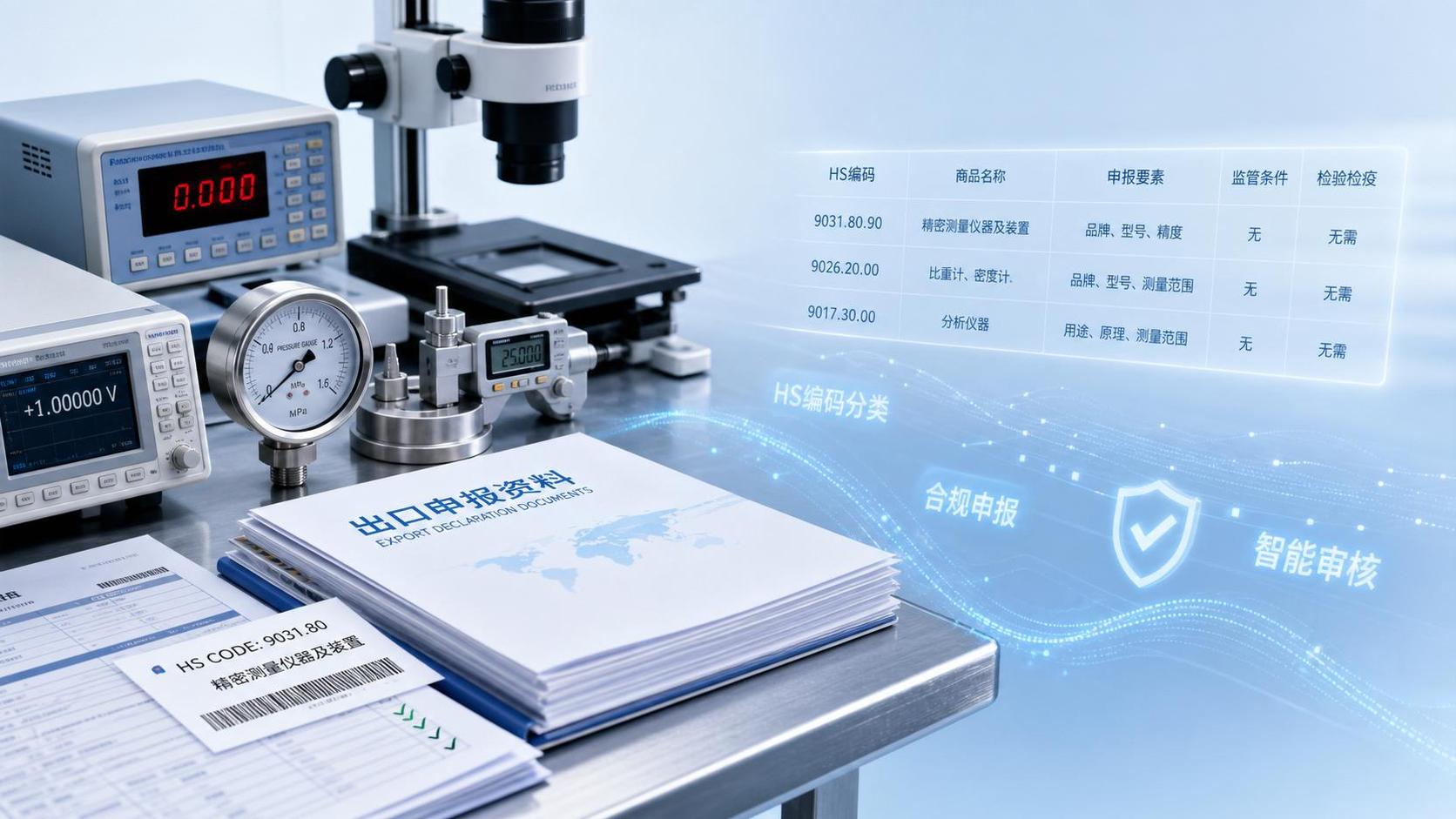
 China Customs Rolls Out AI HS Tool for Instrument ExportsChina Customs rolls out an AI HS tool for instrument exports under HS Chapter 90. Learn how it improves classification accuracy, speeds clearance, and impacts export compliance.
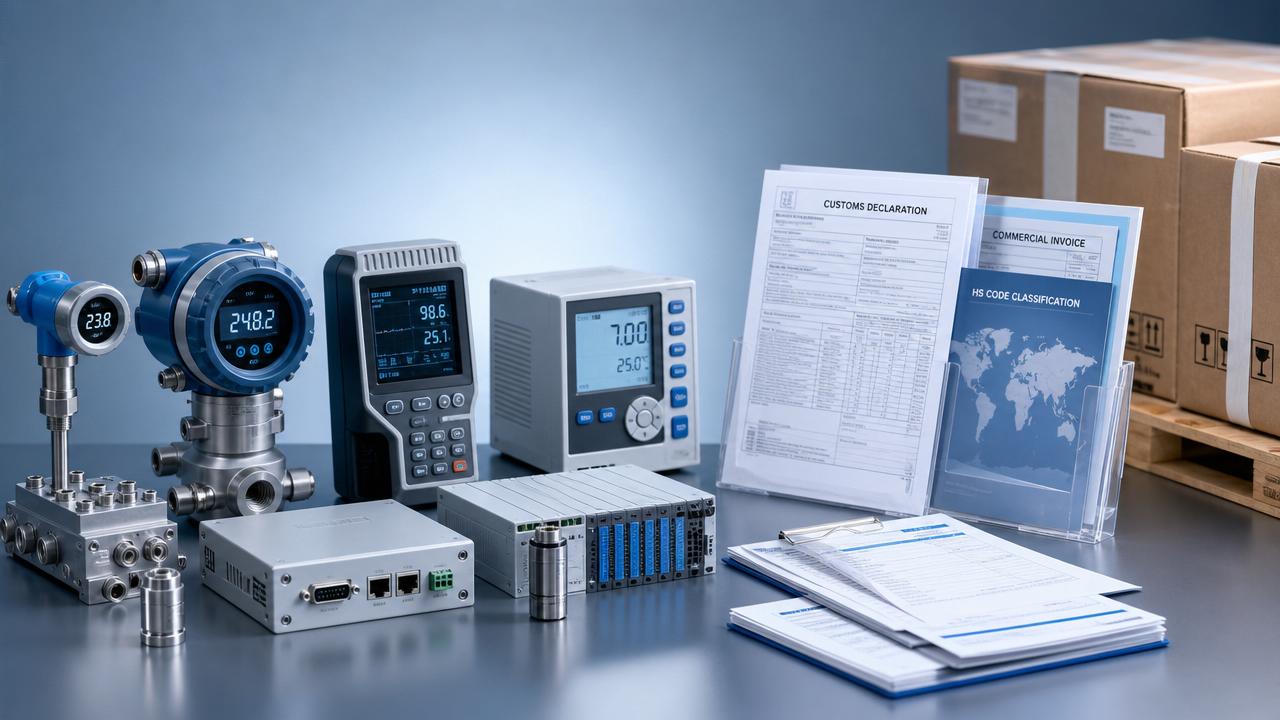
 China Customs Launches Smart HS Tool for Instrument ExportsChina Customs Launches Smart HS Tool for Instrument Exports, boosting HS code accuracy to 98.2%. Learn how it improves compliance, reduces clearance risk, and supports smoother global instrument shipments.
 China Customs Launches Smart HS Tool for Instrument ExportsChina Customs launches a smart HS tool for instrument exports, helping manufacturers and exporters improve HS code accuracy, reduce compliance risks, and speed up customs clearance.
") China's Instruments Rise: 7 Firms in Global Top 25 (2026)China's Instruments Rise: 7 firms enter 2026 Global Top 25 — Hikvision #4, United Imaging & SUPCON debut. Key insights for procurement, compliance & AI-integrated instrumentation.
China's Instruments Rise: 7 Firms in Global Top 25 (2026)China's Instruments Rise: 7 firms enter 2026 Global Top 25 — Hikvision #4, United Imaging & SUPCON debut. Key insights for procurement, compliance & AI-integrated instrumentation.
Chat Online