


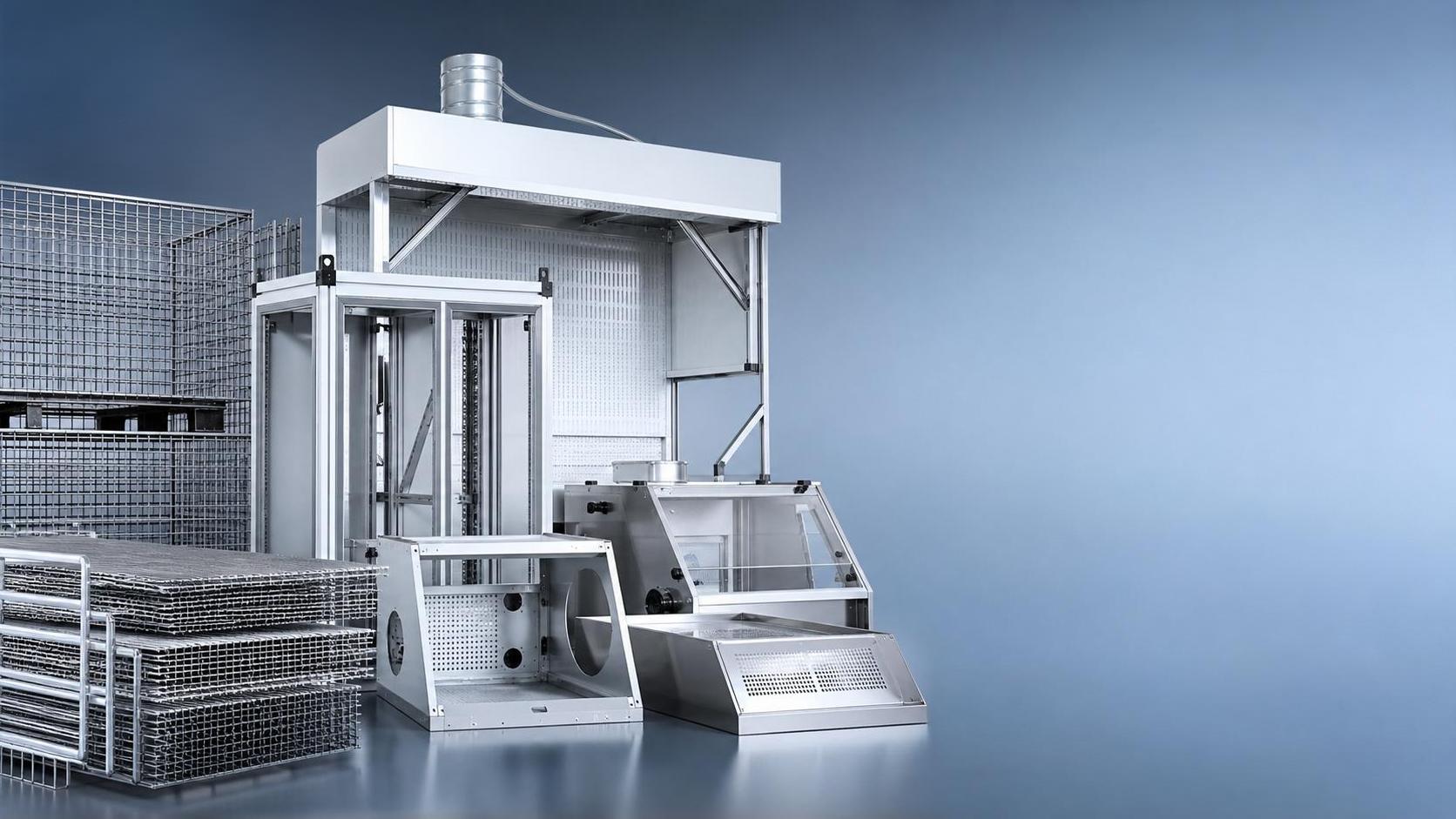
On June 3, 2026, the European Commission formally opened an anti-dumping investigation into welded steel mesh originating in China, including products under CN code 7314 20 90. For the instrumentation and industrial equipment supply chain, the development matters because this type of mesh is used in metal structural parts such as analyzer cabinets, laboratory ventilation supports, and protective enclosures for automated production lines. What deserves closer attention is not only the trade case itself, but also its potential effect on export cost structures and on how European assembly customers assess supply chain security.
What has been confirmed so far
The confirmed facts are limited but commercially relevant. The investigation was announced by the European Commission on June 3, 2026, and it covers welded steel mesh originating in China. The dumping investigation period is the full year of 2025. The products involved are described as being used across multiple metal structure applications, including analytical instrument cabinets, support structures for laboratory ventilation systems, and guarding components for automated lines.
The input information also makes clear that, if definitive duties are imposed at the end of the case, export costs for Chinese-made instrument equipment could rise. It also indicates that downstream assembly operations in Europe may reassess supply chain security in response.
Why the impact reaches beyond the mesh itself
Pressure may first appear in export pricing
From an industry perspective, direct exporters of equipment or metal assemblies may feel the effect even if welded steel mesh is only one component within a larger product. If the investigated product becomes more costly in the EU market, the pressure is likely to show up in quotation strategy, contract margins, and the competitiveness of complete machine exports that include these metal structural parts.
Component manufacturers may face a more complex delivery cycle
Manufacturers producing cabinets, brackets, frames, and protective covers for instruments or automation equipment may need to watch how customers redefine specifications, sourcing methods, or cost-sharing expectations. The issue is not only material cost. It may also affect lead-time planning, documentation readiness, and coordination with customers that buy integrated assemblies rather than single components.
European assemblers may review sourcing risk
Observably, the case is also relevant to downstream assembly plants and procurement teams in Europe. The reason is stated in the input itself: a possible final duty could trigger a new review of supply chain security. In practice, that means customers may look more closely at supplier stability, product origin exposure, and the resilience of existing sourcing arrangements for metal parts used in instrumentation and industrial systems.
Service and logistics roles should track classification and execution details
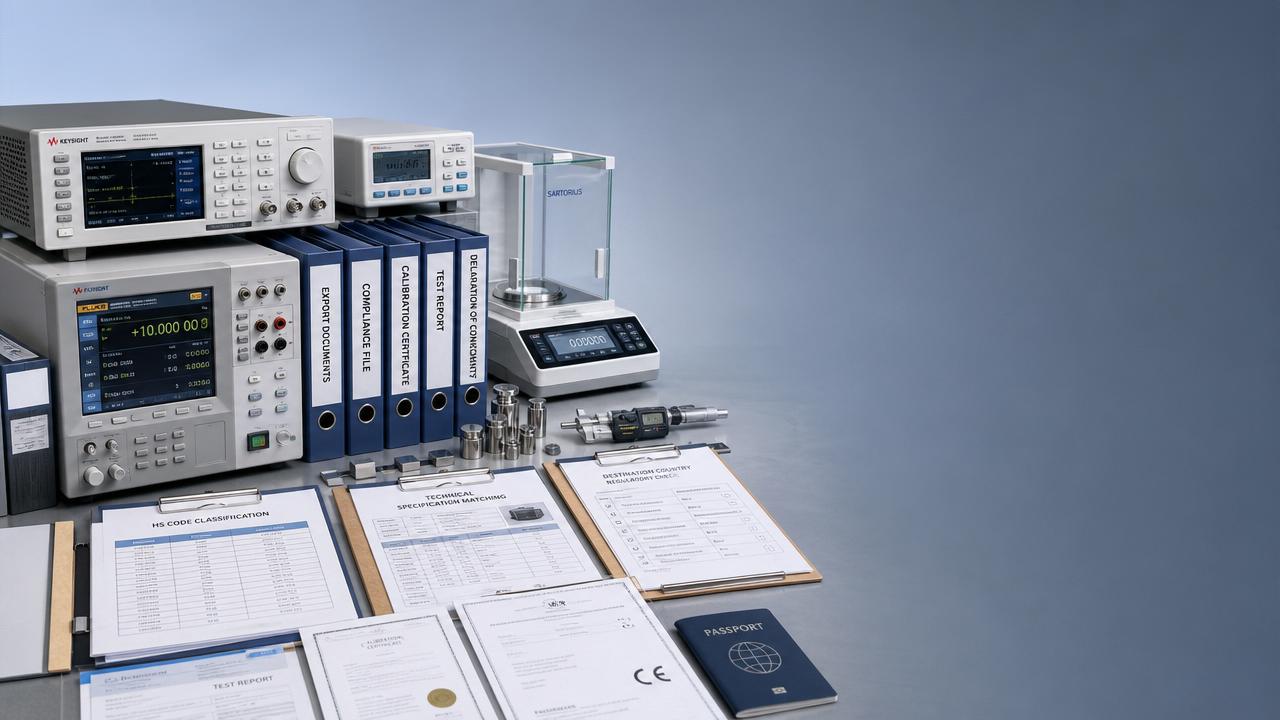
Supply chain service providers, including teams involved in trade execution and delivery coordination, may also be affected. Analysis shows that when a trade investigation targets a product category used inside broader equipment assemblies, attention often shifts to product classification, supporting documents, and shipment planning. For businesses linked to EU-bound orders, these operational details may become more sensitive even before any final outcome is known.
What companies should watch now
Follow official wording and product scope carefully
One practical priority is to monitor how the investigated product scope is described in official communications. For companies shipping instrument cabinets, ventilation supports, or automation safety structures, the exact coverage of welded steel mesh and related CN coding can directly affect internal risk assessment and customer discussions.
Separate policy signal from immediate business impact
It is important to distinguish between the launch of an investigation and a final result. The confirmed event is the opening of the anti-dumping case, not the imposition of duties. Companies therefore need to avoid treating a possible tariff outcome as an established fact, while still preparing for pricing, sourcing, and delivery adjustments if the case progresses.
Review documents and supplier communication early
Businesses connected to the affected metal structures should examine whether product descriptions, origin-related paperwork, and supplier records are consistent and easy to verify. What deserves closer attention is whether internal and external documentation can support smooth communication with customers that may request more clarity during the investigation period.
Prepare customer-facing contingency discussions
For exporters and contract manufacturers, customer communication may become a key working area. That includes discussing possible cost exposure, delivery timing, and alternative sourcing or manufacturing arrangements if buyers in Europe begin to reassess supply continuity. The value here is not in predicting the outcome, but in reducing friction if customer scrutiny increases.
How this development is best understood at this stage
This development is more appropriate to understand as an active trade-policy signal rather than a completed market outcome. Analysis shows that the investigation already matters because it touches a material used in a range of metal structural applications tied to instruments, laboratory systems, and automation equipment. At the same time, the case has not yet produced a confirmed final duty within the information provided.
For that reason, the main industry takeaway is caution rather than conclusion. The signal is strong enough to influence internal reviews of exposure, but not strong enough to support definitive claims about pricing changes, order shifts, or long-term market reconfiguration. Continued observation is warranted because the case sits at the intersection of trade remedy policy and equipment supply chain execution.
What the industry can conclude for now
At this point, the most balanced reading is that the EU investigation into Chinese welded steel mesh is a targeted trade action with wider relevance for instrument-related metal structures and export planning. It does not yet establish a final commercial outcome, but it does raise immediate questions around cost pass-through, sourcing confidence, and customer communication in the EU market.
In that sense, the event is best treated as a development that requires close monitoring rather than a settled result. Companies with exposure to analyzer enclosures, laboratory support structures, or automation protective assemblies have reason to review their position now, while keeping judgments tied to confirmed updates only.
Basis of this article and points for further verification
This article is based on the user-provided news title, event date, and event summary. The current text does not include a specific official source link, so any later use in business decision-making should continue to verify the case through relevant source types such as official notices, company disclosures, industry association updates, authoritative media reporting, and applicable standards or classification-related documents.
Because no detailed official link was provided in the input, the exact language of subsequent filings, scope interpretation, and any later procedural developments still require ongoing verification. The main follow-up points to watch are future official wording, any clarification of covered product scope, and whether the case moves from investigation to a confirmed final decision.


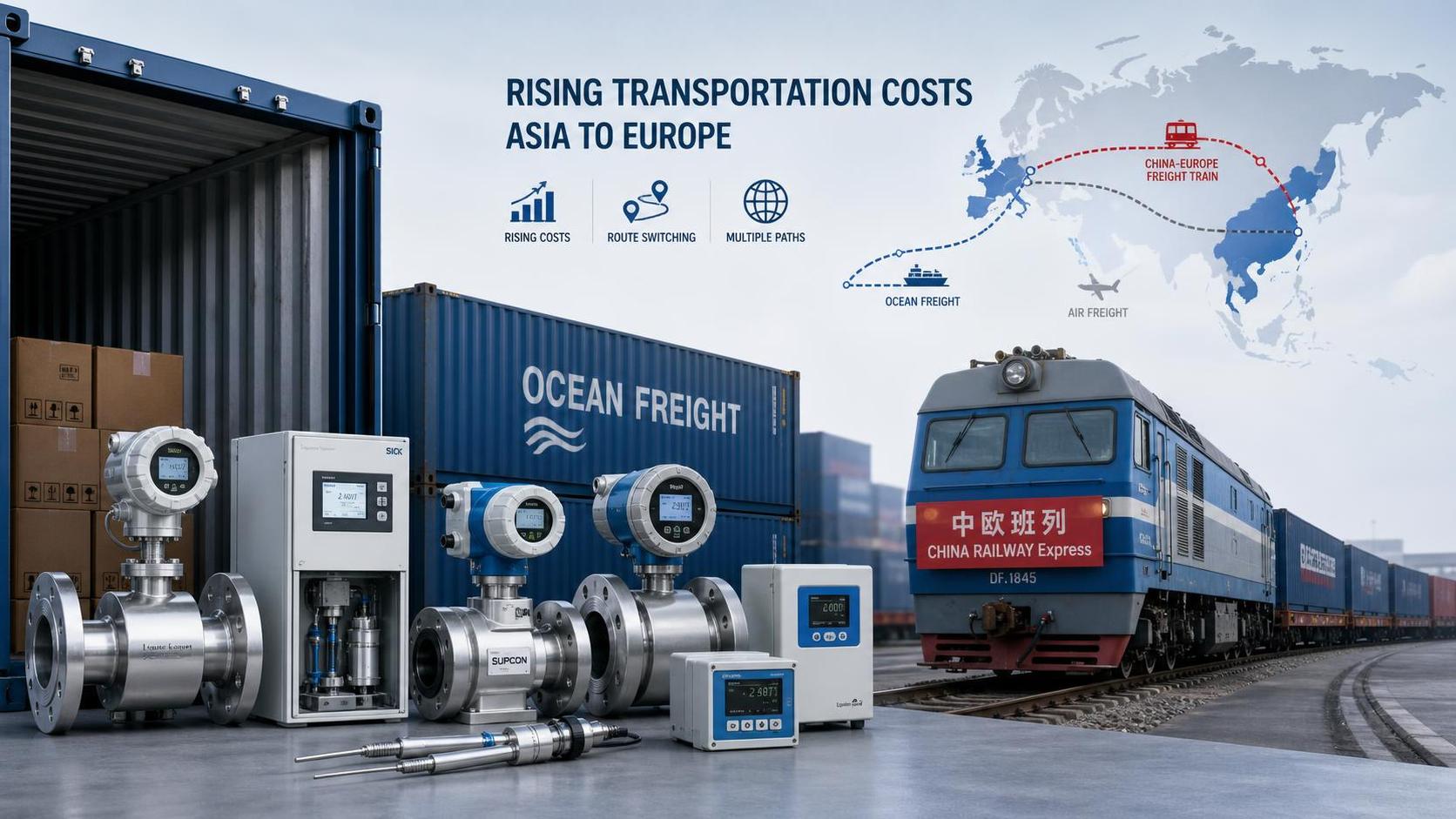
 Asia-Europe Freight Surcharges Lift Costs for Instrument ExportsAsia-Europe Freight Surcharges are raising instrument export costs fast. See how HS 9026/9027 cargo, booking quotas, rail alternatives, and trade risk shifts could impact your supply chain.
 EU Opens Anti-Dumping Probe Into Chinese Welded Steel MeshEU anti-dumping probe into Chinese welded steel mesh could reshape instrumentation export costs, sourcing risk, and EU supply chain planning. Read the key impacts now.
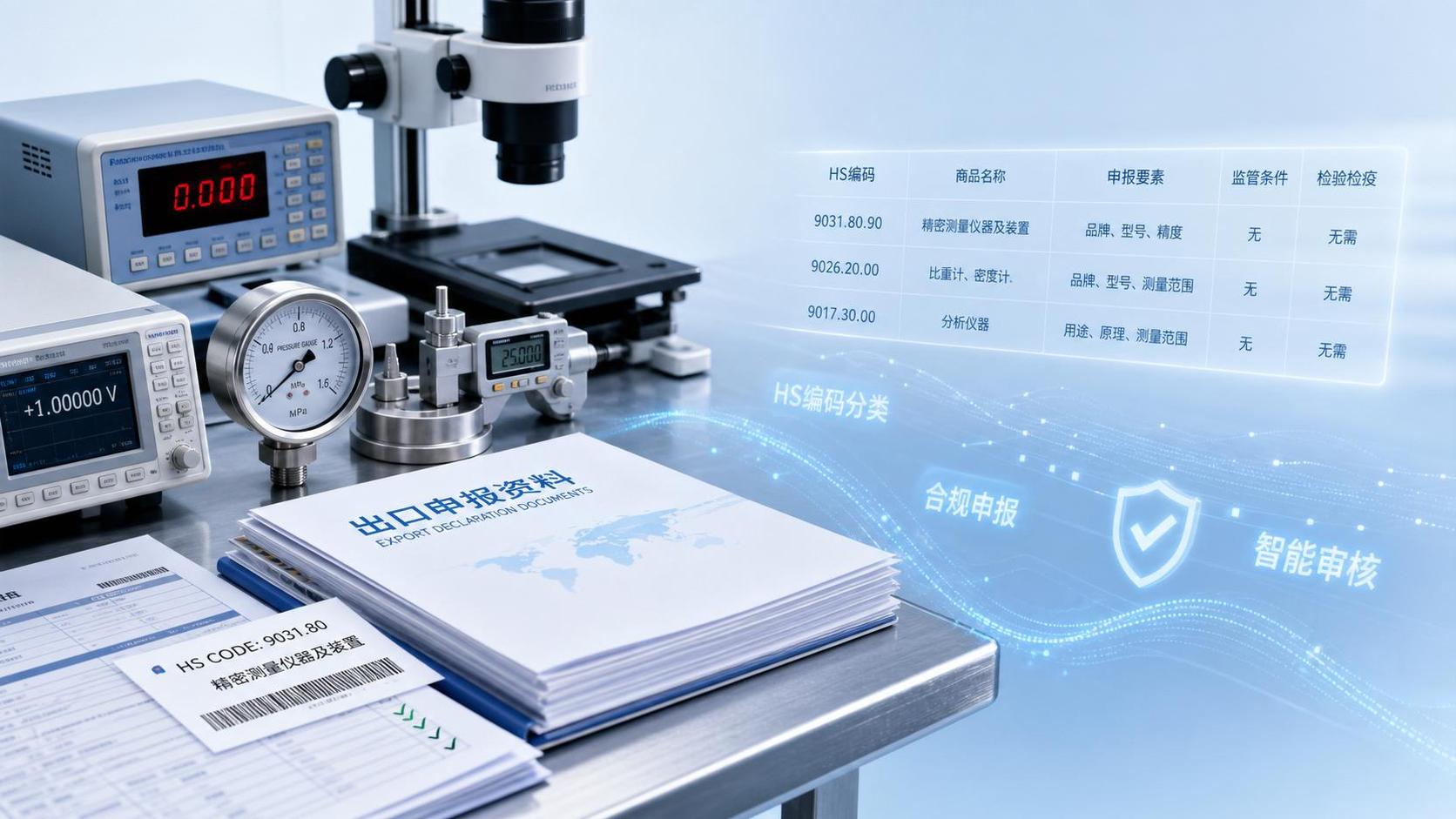
 China Customs Rolls Out AI HS Tool for Instrument ExportsChina Customs rolls out an AI HS tool for instrument exports under HS Chapter 90. Learn how it improves classification accuracy, speeds clearance, and impacts export compliance.
 China Customs Launches Smart HS Tool for Instrument ExportsChina Customs Launches Smart HS Tool for Instrument Exports, boosting HS code accuracy to 98.2%. Learn how it improves compliance, reduces clearance risk, and supports smoother global instrument shipments.
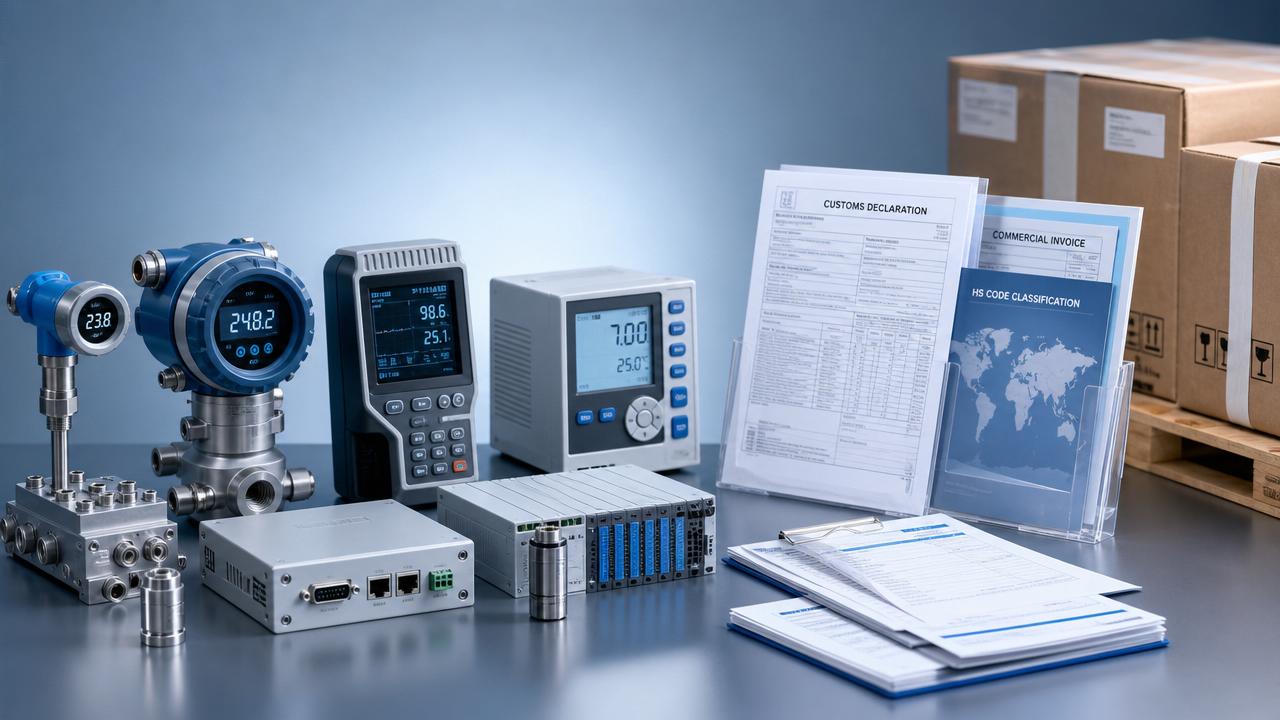
 China Customs Launches Smart HS Tool for Instrument ExportsChina Customs launches a smart HS tool for instrument exports, helping manufacturers and exporters improve HS code accuracy, reduce compliance risks, and speed up customs clearance.
") China's Instruments Rise: 7 Firms in Global Top 25 (2026)China's Instruments Rise: 7 firms enter 2026 Global Top 25 — Hikvision #4, United Imaging & SUPCON debut. Key insights for procurement, compliance & AI-integrated instrumentation.
China's Instruments Rise: 7 Firms in Global Top 25 (2026)China's Instruments Rise: 7 firms enter 2026 Global Top 25 — Hikvision #4, United Imaging & SUPCON debut. Key insights for procurement, compliance & AI-integrated instrumentation.
Chat Online