


As of September 1, 2026, environmental monitoring instruments imported into GCC member states face a stricter market-entry threshold: under a joint notice issued by the Gulf Standardization Organization (GSO) with six member countries, covered products must obtain GCC type certification and include an Arabic-language operating interface and user manual. For exporters, manufacturers, distributors, and procurement teams involved in PM2.5 monitors, VOCs instruments, and multi-parameter water quality analyzers, this is not only a compliance update but also a direct operational issue tied to shipment acceptance at ports.
What the notice formally requires
The confirmed information shows that GSO, together with six GCC countries including Saudi Arabia, the UAE, and Qatar, issued Notice GSO/GCC/2026/021 on June 4, 2026. The notice states that from September 1, 2026, all environmental monitoring instruments imported into GCC member states must pass GCC type certification.
The requirement applies to environmental monitoring product categories including PM2.5 instruments, VOCs instruments, and multi-parameter water quality analyzers. In addition to certification, the products must be equipped with an Arabic-language operating interface and an Arabic user manual.
The notice also makes the enforcement consequence explicit: products that do not meet the requirement will be refused at ports. The policy affects an environmental instrumentation export market from China to the Middle East valued at more than RMB 1.2 billion annually, according to the information provided.
Where the pressure is likely to appear first
Export and trading companies face an immediate shipment-compliance issue
From an industry perspective, direct exporters and trading companies are likely to feel the earliest impact because the rule is tied to import acceptance. The key business exposure is not only whether a product can be sold, but whether it can physically clear the port. What deserves closer attention is the completeness of certification status, product configuration, and accompanying documentation before shipment.
Manufacturers may need to treat localization as part of product readiness
Analysis shows that manufacturers of environmental monitoring instruments may be affected at the product-preparation stage. The Arabic-language interface and user manual requirement means that compliance is no longer limited to electrical or technical conformity alone; localization now becomes part of deliverable readiness. The practical impact is likely to fall on product configuration, software interface preparation, documentation control, and pre-delivery checks.
Channels and distributors may face higher coordination demands
For distributors and channel partners serving GCC markets, the notice may increase coordination work across ordering, model selection, and after-sales communication. If imported products arrive without the required certification or language configuration, the business risk shifts from a technical matter to an inventory and fulfillment problem. Observably, partners in-market will need clearer confirmation from suppliers before arranging imports or customer delivery schedules.
Procurement and end users may pay closer attention to compliance certainty
For procurement teams and end-use buyers, the policy may influence supplier screening and transaction timing. The immediate concern is whether ordered instruments can be imported and deployed as planned. In practice, buyers may place greater weight on proof of GCC type certification, Arabic-language readiness, and document completeness when evaluating suppliers or confirming deliveries.
What companies should watch now
Separate confirmed requirements from later implementation details
The confirmed requirement is clear: GCC type certification and Arabic-language interface and manuals are required from September 1, 2026, and non-compliant products may be rejected at ports. What still deserves close attention is whether any later official clarification affects scope, documentation practice, or implementation wording. Companies should avoid assuming details that were not included in the provided notice summary.
Review affected product lines rather than treating the rule as generic
Analysis shows that companies should map the rule against specific exported categories such as PM2.5 monitors, VOCs instruments, and multi-parameter water quality analyzers. The practical issue is whether each model intended for GCC markets already aligns with certification and Arabic-language requirements, rather than assuming that one compliance status covers all product variants.
Check documentation, interface readiness, and delivery timing together
What deserves closer attention is the link between product readiness and shipment timing. Even where commercial demand remains unchanged, the operational sequence may shift if certification completion, Arabic interface preparation, and user manual delivery are not aligned. For supply chain and fulfillment teams, this makes document control and delivery scheduling a more visible risk point.
Strengthen communication across suppliers, customers, and service partners
Observably, this type of rule affects more than one department. Suppliers need to confirm product status, exporters need to verify shipment compliance, and customers need clarity on whether delivery conditions are met. Early communication may help reduce disputes related to customs refusal, lead times, or mismatched product specifications.
Why this looks like more than a short-term notice
Analysis shows that this development is best understood as both an immediate compliance change and a longer-term signal about market access expectations in the GCC. The immediate result is straightforward: products that do not meet the stated requirements risk being refused at ports from the effective date. The broader signal is that certification and language localization are being treated as part of formal import eligibility for this instrument category.
At the same time, it is more appropriate to understand this as a policy development that still requires continued monitoring in practice. The provided information confirms the requirement and enforcement direction, but companies should continue watching how the rule is applied across specific product models, transaction flows, and supporting documents.
How the market should read this change
For the environmental monitoring instrument trade, the notice should be read as a concrete compliance threshold rather than a symbolic policy statement. Its importance lies in the fact that certification status and Arabic-language readiness now directly affect importability into GCC member states. A neutral reading is that the rule does not by itself define the full market outcome, but it clearly raises the execution standard for companies already serving or planning to serve this region.
Current industry attention is therefore better focused on operational readiness, product-specific compliance checks, and follow-up verification of implementation details, instead of relying on general assumptions about market continuity.
Basis of this article
This article is based on the user-provided news title, event date, and event summary concerning the GCC notice on environmental monitoring instrument imports. The analysis references only the information provided: the notice number, the June 4, 2026 issuance, the September 1, 2026 effective date, the GCC type certification requirement, the Arabic-language interface and manual requirement, the port refusal consequence for non-compliant products, and the stated market coverage related to China’s exports to the Middle East.
For this type of industry update, relevant source categories would usually include official notices, standards organization documents, industry association releases, company disclosures, and reporting by authoritative media. However, a specific official source link was not provided in the input, so continued verification remains necessary. Follow-up attention should focus on any later official clarification, implementation wording, or scope-related updates tied to Notice GSO/GCC/2026/021.


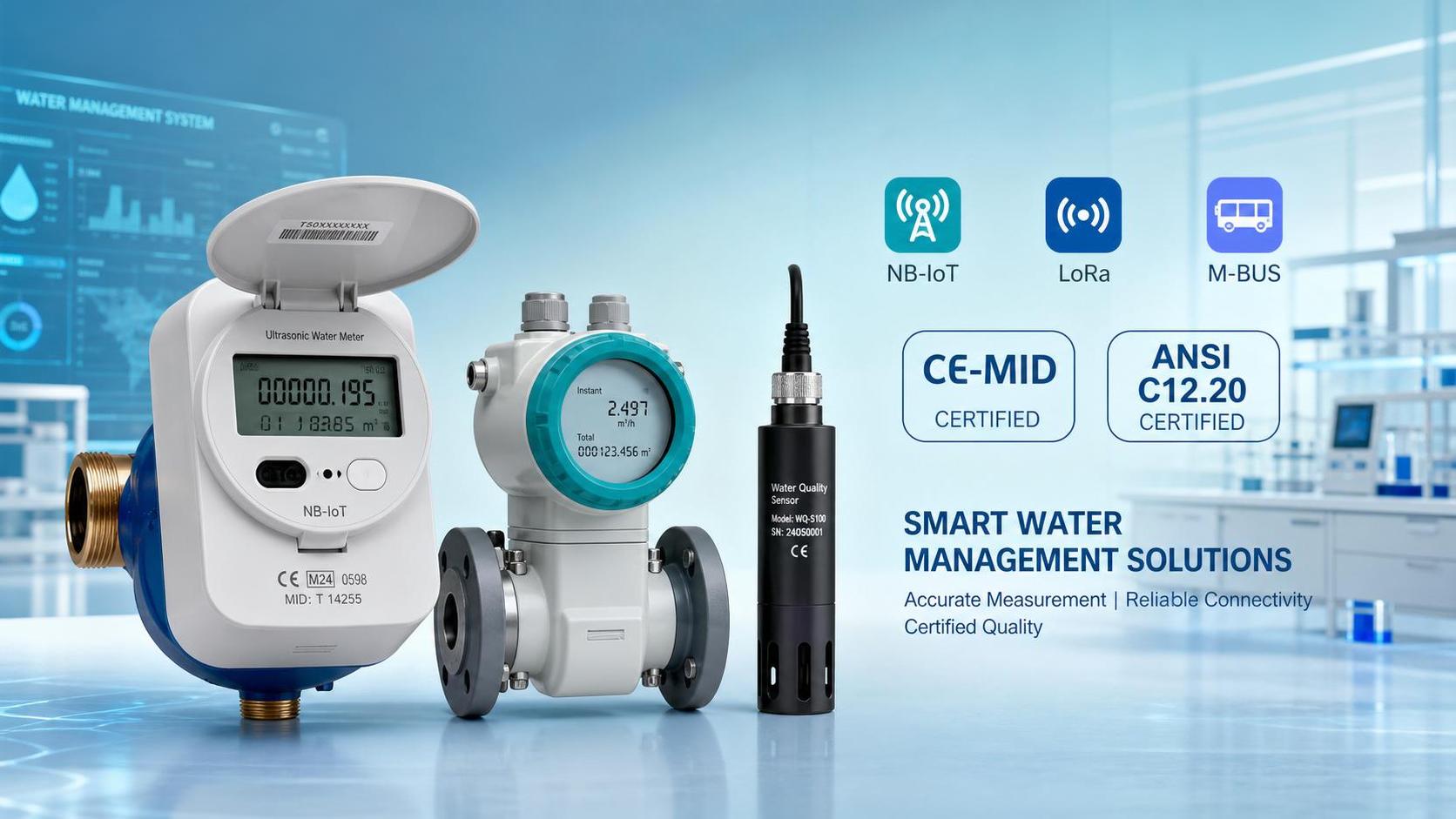
 CISILE 2026 Signals Smarter Water Metering ShiftCISILE 2026 spotlights smart water metering trends, showing how NB-IoT, LoRa, M-BUS compatibility and certification readiness are reshaping procurement, exports, and market access.
 China Refines Instrument Categories for E-MarketplacesChina Refines Instrument Categories for E-Marketplaces: explore how China’s new four-level instrument classification may reshape procurement, bidding, compliance, and export opportunities.
 Jiangxi Monitoring Tender Highlights Automation ShiftJiangxi Monitoring Tender Highlights Automation Shift: a RMB 74.19M environmental monitoring buy signals rising demand for gas/liquid chromatography, online water quality systems, and AI automation solutions.
 China Updates EHS Control List for Export InstrumentsChina Updates EHS Control List for Export Instruments: learn how the 2026 catalog revision affects instrument makers, exporters, buyers, and compliance teams before August 2027.
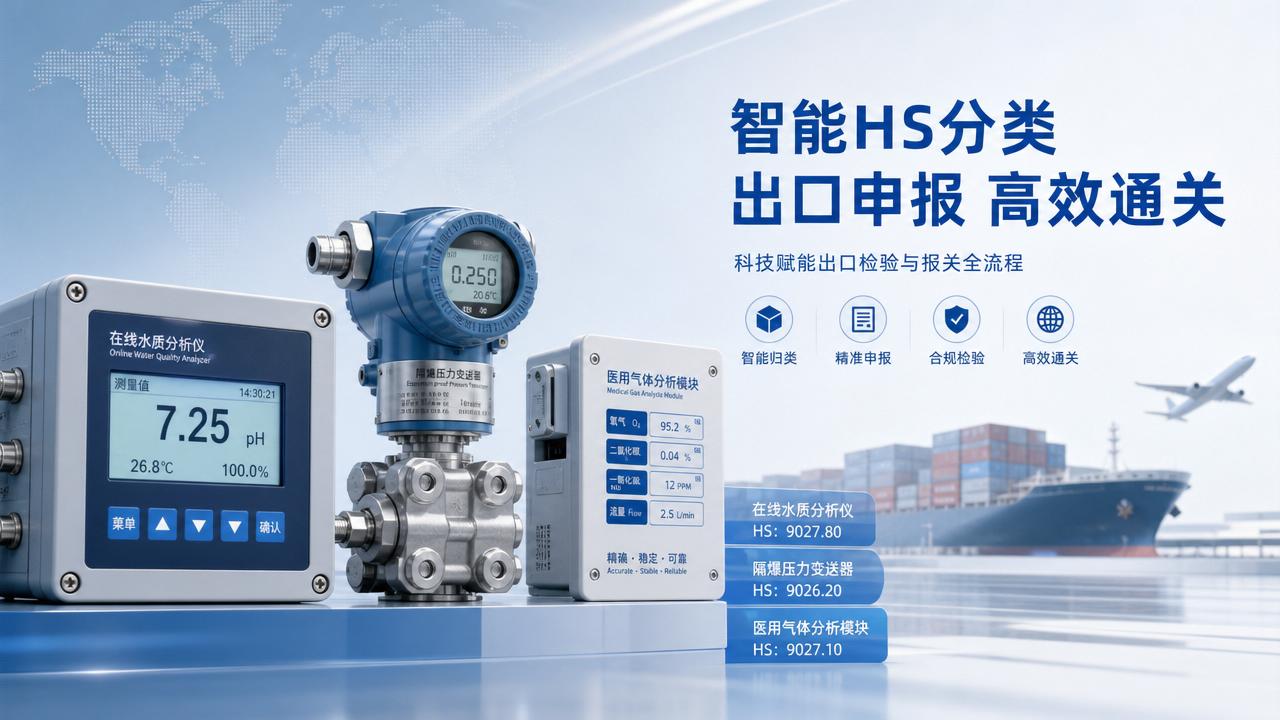
 China Customs Launches Smart HS Tool for InstrumentsChina Customs Launches Smart HS Tool for Instruments, helping exporters improve HS code accuracy, speed clearance, and reduce classification risk. See what it means for compliance and shipments.
 RCEP Green Testing List Speeds Instrument ExportsRCEP Green Testing List speeds instrument exports by cutting repeated testing and local calibration for certified products, helping water analyzers, smart meters, and COD/TOC instruments enter RCEP markets faster.




Chat Online